
Preventive Maintenance For Vinyl Fences: A Complete Guide
Vinyl fences are praised for their durability, classic appearance, and minimal upkeep. However, even the best fences in Chicago, Illinois require some preventive maintenance to stay strong and beautiful for years to come. Whether you’re a homeowner researching your first fence or a property manager balancing many assets, understanding preventive maintenance for vinyl fences is key to protecting your investment. In this in-depth guide, you’ll learn exactly how to keep your vinyl fence looking its best, spot problems early, and deal with the unique challenges the Midwest climate can bring. By the end, you’ll be empowered to create an easy maintenance routine with realistic expectations—plus learn when professional help from Chicagoland Fence Pros makes sense.
Why Preventive Maintenance Matters for Vinyl Fences
Vinyl fencing offers excellent resistance against rot, pests, and moisture, but all outdoor materials experience wear. Without attention, even sturdy vinyl can suffer discoloration, cracks, or shifting. Preventive maintenance not only extends lifespan and curb appeal but also preserves privacy and security for your property. In the Chicago, Illinois area, proactive fence care can help minimize weather-related issues caused by seasonal temperature swings, wind, and snow.
Understanding Vinyl Fencing: What Makes It Unique?
Before diving into maintenance, it’s helpful to know why vinyl is a top fencing choice. Vinyl fences, also known as PVC fences, are made from durable polyvinyl chloride, which provides flexibility and resistance to many common problems that affect wood or metal fences. Vinyl is non-porous, so it’s naturally resistant to moisture and most stains, reducing problems with rot or warping.
| Feature | Vinyl Fences | Wood Fences |
|---|---|---|
| Maintenance | Low—mostly cleaning | High—painting, staining, repairs |
| Weather Resistance | Excellent | Moderate |
| Pest Resistance | Excellent | Poor |
| Color Fading | Minimal (if UV-treated) | Likely over time |
| Longevity | 20–30+ years | 10–15 years |
For an expanded comparison, see Comparison: Vinyl Fences Vs Wooden Fences.
The Core Elements of Preventive Maintenance for Vinyl Fences
Preventive maintenance involves regular inspection, cleaning, addressing minor issues before they escalate, and adapting care to your local environment. Let’s break down each step so you can create a simple, effective routine.
1. Routine Cleaning to Prevent Build-Up
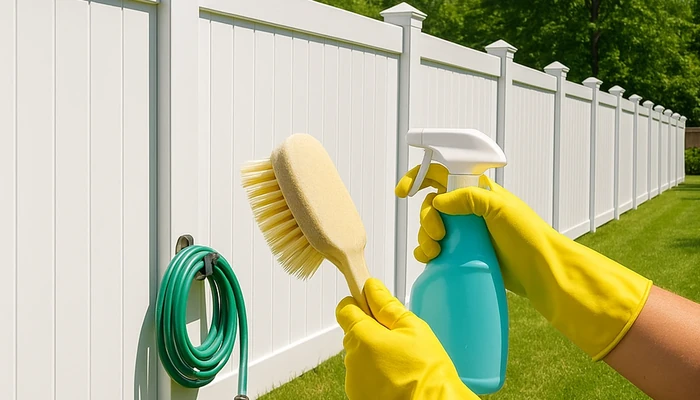
While vinyl fences resist most stains, dirt, algae, and road grime can accumulate over time—especially after winter or storms common in Chicago. Here’s a straightforward cleaning process:
- Hose off loose dirt with low to moderate water pressure.
- Mix a mild soap solution (dish soap works well) and gently scrub with a soft brush.
- Rinse thoroughly; avoid abrasive sponges or harsh chemicals as they may damage the vinyl’s finish.
- For stubborn spots or mold, use a solution of vinegar and water, or a gentle non-abrasive household vinyl cleaner. For recommended cleaning tips, visit Easy Tips for Cleaning and Caring for Vinyl Fences.
2. Regular Inspection: Catching Problems Early
Seasonal inspection—ideally in spring and fall—helps spot any issues early. During each inspection:
- Check posts for secure footing and alignment; freeze-thaw cycles can shift posts in Chicago’s climate.
- Look for cracks, chips, or holes from lawn equipment or fallen branches.
- Inspect gates for smooth operation and lubed hardware.
- Identify signs of mold, algae, or stubborn stains; address these promptly.
- Scan for any missing caps, loose screws, or fasteners.
Learn more inspection strategies at Essential Steps to Maintain Your Vinyl Fence.
3. Addressing Mold, Mildew, and Stains
Vinyl’s smooth surface deters most mildew, but shaded areas or pooled water can encourage growth. If you see black or green spots:
- Apply a solution of one part white vinegar to three parts water and scrub gently.
- For tougher mold, use a specialized fence cleaner—avoid bleach mixtures unless specified safe by the fence manufacturer.
- Rinse promptly after cleaning to avoid residue.
- If spots persist, consult a fencing professional for deeper cleaning methods.
4. Preventing Physical Damage
Vinyl is flexible, but heavy impacts (from snow, shovels, or debris) can create cracks or dents. Prevent damage by:
- Keeping lawn equipment and vehicles a safe distance from fence lines.
- Clearing snow buildup with a plastic shovel; avoid metal edges that can gouge vinyl.
- Pruning overhanging branches that could fall on the fence during storms.
5. Maintaining Fence Hardware and Gates
Regularly check all hardware—screws, hinges, and latches:
- Tighten loose screws and lubricate hinges as needed.
- Ensure gates swing freely and latch securely.
- Replace missing or corroded hardware to prevent sagging or lock failure.
Adapting Maintenance to Local Climate: Tips for Chicago, Illinois
In Chicago, Illinois, fences face significant seasonal shifts. To keep your vinyl fence in top condition:
- Prepare for winter by making sure gates close tightly and posts remain level after freeze-thaw cycles.
- After storms or heavy snow, clear debris and inspect for any newly exposed hardware or shifted panels.
- Consider shade structures or landscaping to minimize UV exposure; while vinyl is UV-resistant, some fading can occur over decades.
Common Mistakes to Avoid with Vinyl Fence Maintenance
- Using power washers or abrasive scrubbing pads, which can scratch or dull the surface.
- Ignoring loose posts or panels—these can worsen quickly in windy conditions.
- Delaying the cleaning of stubborn mold or stains.
- Overlooking the importance of seasonal inspections, especially in harsh climates.
- Applying unsuitable chemical cleaners; always check manufacturer recommendations or seek professional advice.
Debunk common myths and learn more tips in Vinyl Fence Maintenance Made Easy and Misconceptions About Vinyl Fence Upkeep.
Environmental and Safety Considerations
Vinyl fencing is low maintenance, but eco-friendly cleaning helps reduce impact on the landscape. If you use solutions, prevent runoff into storm drains or gardens. While vinyl itself is safe, check fence stability periodically to ensure perimeter security for children and pets. For industrial-grade installation or perimeter safety guidance, see safety resources from organizations like the American Galvanizers Association.
When to Call a Professional
While routine maintenance is manageable, some repairs should be left to experts:
- Major cracks or impact damage.
- Issues with posts that remain loose or leaning after tamping the soil.
- Replacing broken panels or large sections.
- Gates with persistent alignment or locking issues.
In these cases, you can request a fence repair or installation assessment to ensure professional, code-compliant solutions.
Preventive Maintenance: Creating a Yearly Checklist
Stay organized with a simple annual checklist:
- Spring: Clean panels, inspect hardware, check for winter damage, adjust posts.
- Summer: Wash any seasonal algae or sap, monitor expansion from heat.
- Fall: Remove leaves/debris, prepare for winter, check gates and locks.
- Winter (as needed): Gently clear snow, inspect after storms, address sudden shifts.
Download or customize a maintenance checklist to fit your property and needs.
Resources for Further Information
For more detailed maintenance guides and design inspiration:
- Easy Maintenance for Vinyl Fences
- Durable Vinyl Fence Panels
- Everything You Need to Know About Vinyl Fence Warranties
To understand more about use of zinc and rust prevention on hardware, see the Hot-Dip Galvanizing Information Center.
Frequently Asked Questions About Preventive Maintenance For Vinyl Fences
- How often should I clean my vinyl fence?
Typically, cleaning your vinyl fence once or twice a year is sufficient. However, if your fence is exposed to heavy traffic, pollen, or shade, more frequent cleaning will help maintain its appearance.
- Does power washing damage vinyl fences?
Yes, high-pressure washing can cause scratches or weaken the surface. It’s best to use a regular hose and soft brush. For tough spots, try a gentle cleaning solution.
- What’s the best way to remove mold or mildew from vinyl?
Use a solution of diluted white vinegar and water or a vinyl-safe cleaner. Scrub gently and rinse thoroughly with clean water after spot-treating mold or mildew.
- How do I fix a loose fence post?
First, try to tamp the soil around the post. If movement continues—possibly due to freeze-thaw cycles common in Chicago—professional reinforcement or reset may be needed.
- Can vinyl fences crack in cold weather?
Vinyl is engineered to withstand most temperatures, but severe, sudden impact in very cold weather can cause cracks. Inspect your fence after extreme winter events.
- Will the color of my vinyl fence fade over time?
Most modern vinyl fences include UV inhibitors to minimize fading. Some gradual color change may occur over decades, especially in areas with strong sun exposure.
- Can I paint my vinyl fence?
Painting is not recommended as most paints won’t adhere properly, and it may void your warranty. If you prefer a color change, consider replacement panels or consult a specialist.
- What should I avoid using to clean my vinyl fence?
Avoid abrasive scrubbing pads, strong solvents, and undiluted bleach. These can damage the vinyl’s protective surface.
- Do I need to check my vinyl fence if there has been a storm?
Yes, always inspect for damage after storms or high winds—look for loose posts, panels, and debris caught against the fence.
Conclusion: Keeping Your Vinyl Fence Strong for Years
Preventive maintenance for vinyl fences is simple, practical, and essential for lasting curb appeal and property security. With routine cleaning, annual inspections, and timely repairs, you’ll enjoy attractive, reliable fencing for decades—even through Chicago’s challenging seasons. For questions, help with repairs, or to request a vinyl fence estimate, our experts at Chicagoland Fence Pros are happy to assist. For more maintenance inspiration, browse our vinyl fence maintenance hub.
About Chicagoland Fence Pros
Chicagoland Fence Pros has over 15 years of experience installing, maintaining, and repairing fences across Chicago, Illinois and surrounding neighborhoods. Our team specializes in vinyl, wood, aluminum, and steel fences for both residential and commercial clients. We pride ourselves on honest advice, transparent quotes, and code-compliant installations. Whether you need a new fence, repairs, or practical upkeep advice, Chicagoland Fence Pros is a trusted partner for your perimeter and privacy needs.
Fence Chicago, Chicago Vinyl Fence Installation, fencing companies chicago, white vinyl fence, vinyl fence styles, vinyl fence Romeoville, white vinyl fence Gilberts, Barrington vinyl fence, vinyl privacy fence Glencoe, vinyl fence replacement North Edgebrook