
Custom Wrought Iron Handrails: Personalized Protection
Choosing the right handrail can feel overwhelming—especially when security, style, and long-term value matter. Many homeowners and property managers wonder if investing in custom wrought iron handrails truly delivers personalized protection or if other options might be better for their needs. With so many materials and styles to pick from, mistakes can be costly, and overlooking local codes can lead to headaches down the road.
Handrails do more than mark property lines or tidy up staircases—they are crucial safety investments, especially for entries, walkways, decks, and multi-story spaces. Custom wrought iron handrails offer distinctive advantages: unbeatable strength, timeless curb appeal, and a tailored solution that stands up to Chicago’s weather.
This guide breaks down everything you need to know—from design choices, compliance, durability, installation, maintenance, and trade-offs—to help you confidently decide if wrought iron is right for your property. Drawing on experience from Chicagoland Fence Pros, you’ll discover the real pros, cons, and insider tips for choosing or upgrading your handrails.
What Are Wrought Iron Handrails?
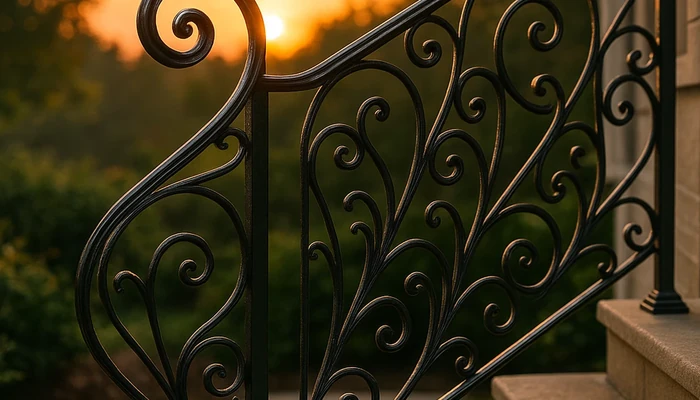
Wrought iron handrails are structural barriers and supports crafted from malleable iron alloys, formed by heating and shaping to adapt perfectly to curves, steps, and unique architectural details. Unlike mass-produced aluminum or wood, custom ironwork can be designed to reflect a specific style or enhance your property’s character. These handrails are typically found on porches, stairs, ramps, balconies, and outdoor walkways, boosting safety while complementing overall design.
Some key features of wrought iron handrails include:
- Durability: Resists bending and breakage
- Customization: Easily shaped for unique applications
- Low-Maintenance: Properly treated iron lasts decades
- Security: Supports weight, withstands impacts, and deters intruders
The Case for Personalized Protection
Why go custom? Wrought iron handrails can be engineered to meet precise safety needs—such as robust grip, optimal spacing for children or seniors, and compliance with safety standards. They also allow for distinctive ornamental motifs, monograms, or patterns tailored to your taste. Especially in neighborhoods with historic homes or modern builds, a personalized handrail adds beauty and function.
Protection goes beyond aesthetics: sturdy handrails prevent falls, discourage trespassing, and help define property boundaries elegantly and effectively.
Comparing Handrail Materials: Features & Trade-Offs
| Material | Durability | Maintenance | Cost* | Customizability | Typical Lifespan |
|---|---|---|---|---|---|
| Wrought Iron | Excellent | Low (with periodic care) | $$$ | Very High | 50+ years |
| Aluminum | Very Good | Low | $$ | Moderate | 30–50 years |
| Wood | Good | High | $$ | High | 15–30 years |
| Vinyl/Composite | Good | Low | $$ | Limited | 20–30 years |
*Cost ranges are relative; final pricing varies with project details and local labor.
Designing Your Custom Wrought Iron Handrail
From classic scrollwork to modern lines, wrought iron can be personalized to fit virtually any design vision or functional requirement. Experienced designers—such as those at Chicagoland Fence Pros—walk you through:
- Profile: Height, width, and grip size
- Pattern: Twists, scrolls, geometric or leaf motifs
- Finish: Gloss, matte, powder coating, or paint (in many colors)
- Additional features: Integrated lighting, address markers, gates
Custom projects ensure each stair or landing meets ADA and local accessibility requirements, improving usability for everyone in the home or building.
Safety and Code Compliance
In Chicago, Illinois, strict building codes ensure handrails deliver functional safety—covering elements like height, spacing between balusters, and load resistance. Reputable providers use standards such as those from the International Code Council (ICC) to design handrails that both look great and meet inspection requirements. Before installing or replacing handrails, always check local regulations and HOA covenants to avoid expensive corrections.
For up-to-date code and safety guidance, see resources from the ICC or engineering authorities such as Structure Magazine.
- Residential code requirements generally dictate 34–38″ height, baluster spacing under 4″, and minimum load ratings.
- Commercial properties must also comply with ADA standards and additional municipal rules.
Installation: What to Expect
The installation of custom wrought iron handrails is a multi-step process. Here’s a general outline:
- Evaluation: Assessment of site specifics, measurements, style preferences, and code requirements.
- Design: Creation of CAD drawings or mockups, including customer feedback.
- Fabrication: Skilled ironworkers cut, bend, and weld components to exact specs.
- Surface finishing: Cleaning and application of protective coatings or paint.
- Installation: Placement and anchoring onto masonry, wood, or concrete surfaces.
- Inspection: Final review for fit, finish, and code compliance.
For challenging layouts, consult with professionals who have direct experience in the Chicago, Illinois area to ensure the railings withstand local weather and meet inspection.
Ready for other fence materials or entry solutions? Learn about vinyl fence installation or automatic security gates as soft alternatives for different needs.
Long-Term Care and Maintenance
While wrought iron is among the most durable materials available, it benefits from routine maintenance—especially in a climate prone to freeze-thaw cycles and humidity. Essential care tips include:
- Clean regularly with mild soap and water, using a non-abrasive brush.
- Inspect annually for scratches, paint chips, or signs of rust.
- Touch up any exposed metal promptly to prevent corrosion.
- Lubricate moving joints or hinges once per season.
For a deeper dive into maintenance and weather resistance, see iron railings resistance to weather conditions and long-term benefits of installing iron railings.
Cost Factors: What Influences Price?
Estimating the cost of custom wrought iron handrails depends on several factors:
- Linear footage or quantity of handrails needed
- Complexity of the design (simple vs. ornate)
- Types of finishes and protective coatings
- Site preparation (new construction vs. retrofit)
- Accessibility and mounting surface type
In Chicago, Illinois, project pricing typically ranges from a few hundred dollars per linear foot for premium custom work. Always request detailed quotes that break down materials, labor, and finish for an apples-to-apples comparison.
When budgeting, remember that maintenance and ultimate lifespan are key contributors to overall value—wrought iron often outlasts lesser materials, offsetting upfront costs over time.
Environmental Considerations
Wrought iron handrails can be produced using recycled materials, which reduces raw resource extraction and environmental impact. If sustainability is a priority, discuss available recycled options and proper disposal with your installer. For more on ecological benefits, explore the environmental impact of recycled iron handrails.
When to Repair vs. Replace Wrought Iron Handrails
Common warning signs that indicate your handrail may need repair or replacement include:
- Visible rust, holes, or pitting
- Wobbling or loose anchoring
- Bent or broken balusters/spindles
- Failure to meet current safety codes
Minor issues like chipped paint or surface rust can often be repaired with sanding and refinishing. Structural damage, however, usually calls for replacement to maintain safety. If you’re unsure, a reputable fence professional can offer an honest assessment.
Learn about commercial fence upgrades or timeless iron fence options if your property requires broader perimeter solutions.
Design Ideas and Popular Iron Handrail Trends
Recent years have seen a resurgence in both ornate and streamlined ironwork. Popular choices include:
- Minimalist, powder-coated rails for modern townhomes
- Ornamental scrolls and rosettes to match historic facades
- Integrated handrail-lighting for nighttime safety
- Mixed material designs (e.g., iron with wood or glass insets)
If you’re seeking more inspiration, browse current iron railing trends or see classic and functional iron railing designs for real-world examples.
Frequently Asked Questions About Wrought Iron Handrails
How long do wrought iron handrails last?
With proper care, quality wrought iron handrails can last 50 years or more. Regular maintenance and prompt repair of any surface damage extend longevity substantially.
Are custom wrought iron handrails worth the investment?
For most properties, yes—especially where safety, style, and long-term value are priorities. The upfront cost is offset by lasting performance and curb appeal.
Can wrought iron handrails be painted any color?
Absolutely—modern powder coats and paints allow for nearly any finish. Color can be matched to trim, door, or landscape accents.
How do wrought iron handrails hold up in Chicago’s climate?
When professionally installed and finished for outdoor use, wrought iron resists humidity, freeze-thaw, and urban pollution. Annual care is essential, but iron is renowned for Chicago’s Midwest climate resilience.
Do I need permits or approval to install handrails?
In Chicago, Illinois, many handrail projects—especially exterior or commercial—require permit review. Always consult local codes and your contractor before proceeding.
Is it possible to repair rusted or damaged iron railings?
Surface rust, chips, and minor bends are often easily repaired. Severe rust-through or structural compromise may require replacement.
What’s involved in maintenance?
Maintenance usually means annual cleaning, quick touch-ups of any exposed metal, and checking for loose bolts or hardware.
How customizable are iron handrails?
Fully customizable—from overall shape to intricate pattern and finish—making them ideal for distinctive properties or matching historic details.
Where can I learn more about iron railing codes and standards?
The International Code Council and engineering resources like Structure Magazine offer code references and exam guidelines.
Can I install wrought iron handrails myself?
DIY is possible for small, pre-fabricated rails, but due to code, safety, and anchoring requirements, professional installation is strongly recommended for most projects.
Conclusion: Making the Best Choice for Your Property
Custom wrought iron handrails combine beauty, durability, and tailored safety in a way few materials can match. When designed and installed by experienced professionals, they provide lasting protection and elevate any property’s value. If you want a solution built for the Chicago climate—and code peace of mind—wrought iron remains a premier choice.
Ready to upgrade? Talk to our specialists about your custom iron handrail project or see wood fence options for other perimeter needs today.
About Chicagoland Fence Pros
Chicagoland Fence Pros is a fence and railing company with over 15 years of experience helping homeowners and businesses in Chicago, Illinois, and nearby communities. The team specializes in designing, fabricating, and installing wood, vinyl, aluminum, steel, and custom iron fences and railings for both residential and commercial projects. Chicagoland Fence Pros places a strong focus on building code compliance, clear communication, and honest recommendations tailored to each property.
fence company chicago, wrought iron railings chicago, iron handrails, railing repair Spring Grove, wrought iron railings Oak Park, wrought iron railings Huntley, custom iron railings Schiller Park, handrails Skokie, railing repair Bolingbrook, custom iron railings Fox Lake