
Enhancing Security with Automated Gates: An In-Depth Guide
Choosing the right security solution for your property is a significant decision for homeowners, property managers, and business owners, especially in bustling urban settings like Chicago, Illinois. With increasing concerns over privacy and unauthorized access, many are looking for robust yet practical options to safeguard entrances. Enhancing security with automated gates is an effective way to elevate both protection and convenience while maintaining curb appeal.
This educational guide demystifies the options, trade-offs, and realistic expectations when considering automated gates for your property. From the core principles of automated security, design selection, smart technology features, legal requirements, to upkeep and common questions, you’ll gain a clear understanding of every aspect. The team at Chicagoland Fence Pros draws on years of regional experience to deliver balanced, honest advice so you can make decisions with confidence.
Understanding the Role of Automated Gates in Security
Automated gates serve as the first line of defense by restricting or monitoring access to your property. By combining mechanical barriers with electronic controls, they minimize unauthorized entry and streamline access for authorized users.
- Deterrence: A physical, visible barrier reduces opportunistic trespassing.
- Access control: Automated systems allow only permitted vehicles or individuals inside.
- Monitoring integration: Many gates connect with security cameras and entry logs.
For homeowners in Chicago, Illinois, automated gates offer an added layer of peace of mind—especially in settings with higher foot or vehicle traffic. Businesses and managed properties benefit from better traffic management and recordkeeping.
Types of Automated Gates: Comparing Options
There are several styles of automated gates. The choice depends on property layout, security priorities, and aesthetic preferences. Below is a summary of main types:
| Gate Type | Operation | Best For | Considerations |
|---|---|---|---|
| Sliding | Slides horizontally | Wide driveways, tight spaces | Needs lateral space; smooth track essential in winter |
| Swing | Swings open like a door | Traditional look, moderate space | Requires clearance; wind can affect movement |
| Bi-fold | Panels fold in/out | Quick access/egress | Complex mechanics; higher upfront cost |
| Vertical lift/cantilever | Gate rises or is counterbalanced | Commercial areas with little horizontal space | Industrial look; robust engineering |
Material choices include galvanized steel, aluminum, wrought iron, wood, composite, or a mix. Each has unique durability and maintenance profiles, important in climates like Chicago’s where freeze-thaw cycles and road salt can impact longevity. Advances in galvanization and coatings—see industry standards—extend the service life of gates significantly.
Core Features and Technologies in Automated Gate Systems
Today’s automated gates extend beyond simple open/close functions. Consider:
- Remote access: Keypads, fobs, smartphone apps, or intercom entry systems
- Safety sensors: Infrared or pressure technology prevents accidents
- Integration: Ability to connect with alarm systems or CCTV
- Battery backup: Ensures function during power outages
- Weather resilience: Designs adapt for Midwest winters, with heating elements or sealed motors
- User logging: Entry/exit records for audit trail
Modern access control often enables programmable schedules, temporary codes for guests or deliveries, and smart alerts. When selecting vendors, check that safety features align with recognized standards for electronic security.
Design, Aesthetics, and Customization
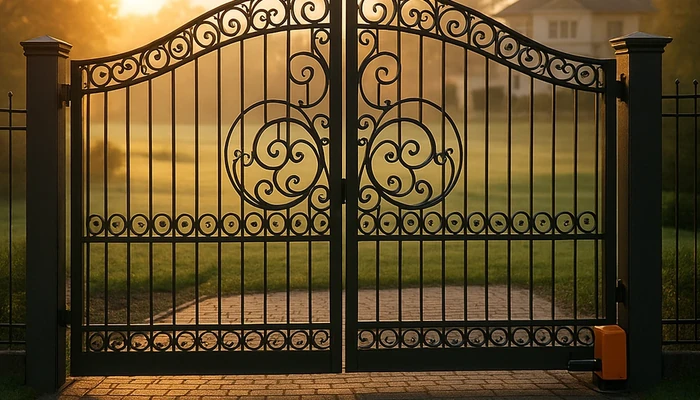
Automated gates can enhance curb appeal, increasing property value while providing privacy and security. There’s a growing trend toward design-forward gates that blend seamlessly with fencing and landscaping. Options include:
- Decorative metalwork, modern horizontal lines, or classic picket details
- Integrated mail or package delivery boxes
- Custom finishes to resist corrosion
- Lighting for nighttime appeal and security
Consult professionals for advice on selecting a style and material that complements your home or building while meeting local codes.
Automated Gates vs. Traditional Gates: Key Differences
| Feature | Automated Gates | Traditional Gates |
|---|---|---|
| Operation | Powered/electronic, remote control | Manual, requires on-site opening |
| Security | Higher (programmed access, logs) | Basic (lock/key or latch) |
| Convenience | Excellent (remote, scheduled, guest code) | Limited (physical presence) |
| Maintenance | More moving parts, periodic servicing | Simpler mechanics, less upkeep |
| Cost | Higher initial investment | Lower upfront cost |
Automated gates are ideal for those prioritizing ease of use and monitoring. Manual gates may suffice for low-traffic or rural settings with lower risk profiles.
Legal Considerations and Building Codes
Before installing or upgrading a gate system, investigate:
- Chicago municipal codes governing fences, gate height, setbacks, and sidewalk/road clearance
- HOA or neighborhood association guidelines
- Permitting and inspection requirements
- Accessibility for emergency responders (fire, ambulance access, approved override)
Chicagoland Fence Pros recommends always consulting the city’s building department and your HOA, if applicable, to ensure compliance. Proper documentation and code adherence help avoid costly retrofits.
Installation: What to Expect
Installing an automated gate system involves several phases:
- Site evaluation: Survey property boundaries, entry points, utilities, and climate factors
- Planning and design: Select style, materials, opening type, and security features
- Permitting: Submit application to local authorities if required
- Groundwork and installation: Set posts, tracks, run conduit for power/data, install motors
- Programming and testing: Configure access control, perform safety tests, provide user instruction
- Inspection and signoff: Confirm code compliance and operational safety
Homeowners in Chicago, Illinois often ask about winter installation—while possible, it may involve heated groundwork or specialty hardware to handle snow and ice. An experienced installer will factor Midwest weather into project planning.
Gate System Maintenance and Longevity
Consistent maintenance is vital for safety and function. Recommendations include:
- Regularly lubricate moving parts and check for debris
- Test safety sensors and auto-reverse functions
- Inspect for rust or corrosion, especially with metal gates exposed to road salt
- Replace remote/access batteries as needed
- Professionally service motors and electronics annually
Preventative upkeep—detailed further in our maintenance guide—can extend the life of your investment, minimize breakdowns, and preserve warranties.
Cost Factors and Budgeting
The price of automated gates varies widely depending on:
- Gate size and weight
- Material (steel, aluminum, wood, composite)
- Motor strength and technology (standard, solar, heavy-duty)
- Type of access control (basic keypad, advanced smart features)
- Customization and site preparation requirements
As a rough guideline, residential automated gates often range from $4,000–$12,000 installed, with commercial projects—especially those with extensive access control—extending higher.
Always request a clear, itemized proposal. For budgeting on materials, navigation of codes, and price comparisons, it’s helpful to get an estimate from knowledgeable local pros.
Smart Features and the Future of Automated Gates
Technological advances are transforming modern perimeter security. Some notable trends:
- Wireless connectivity: Gates that communicate with apps for real-time alerts
- Integration with smart home tools: Alexa, Google Home, or proprietary dashboards
- Energy efficiency: Solar-powered gate operators and low-draw standby systems (learn more about energy-efficient options)
- Adaptive settings: Automatic closing timers, visitor logs, remote diagnostics
As technology evolves, maintenance will increasingly involve both mechanical and software expertise, as discussed in our hub on smart gate features.
Safety: Standards and Best Practices
Automated gates are powerful systems, so safety is paramount. Key best practices include:
- Compliance with federal, state, and local safety standards (check latest guidance on electronics and physical security)
- Installation of pinch-point signage and entrapment protection
- Periodic safety testing—auto-reverse, force sensitivity, and emergency overrides
- Clear instruction for all users, including visitors and children
Before deciding, review our article on child safety for automatic gates.
Comparing Automated Gate Materials for Chicago, Illinois
| Material | Durability | Maintenance | Notes |
|---|---|---|---|
| Galvanized Steel | Very High | Low (needs inspection for rust) | Great for security; may benefit from duplex coatings (see duplex standards). |
| Aluminum | High | Very Low | Lightweight; corrosion-resistant; ideal for wet/salty climates. |
| Wood | Medium | Moderate | Classic look, but requires sealing and routine care; susceptible to weather. |
| Composite | High | Low | Blends look of wood with low-maintenance longevity. |
For Chicago’s freeze-thaw cycles or heavy use, metals with modern coatings or composites may offer the best combination of aesthetics and resilience.
Frequently Asked Questions (FAQ)
What are the main benefits of automated gates?
Automated gates improve property security, prevent unauthorized access, and increase convenience with remote entry and exit. They also boost curb appeal and can raise property value.
How long do automated gates last?
With proper maintenance, quality automated gates can last 15–25 years or more. Durability is higher for galvanized or coated metals, and with regular service of moving parts.
Are automated gates difficult to maintain in Chicago winters?
Not necessarily. Choose systems rated for cold temperatures and insist on sealed motors or heated tracks. Regular clearing of snow and ice keeps gates operating smoothly.
Can automated gates be retrofitted to existing fences?
Often, yes. Many older fences can be paired with gate operators, though site evaluation is essential to confirm structural and electrical compatibility.
Is a permit needed for installing an automated gate?
Yes, in many Chicago areas you’ll need a permit for gates that cross public walks or alter entry points. Check with local authorities to avoid fines.
What smart features should I look for?
Look for smartphone integration, programmable codes, guest access, camera integration, and logging features. Prioritize safety sensors and emergency overrides.
Can automated gates operate during a power outage?
If equipped with a battery backup, many systems will operate for several cycles without main power. Manual release mechanisms are standard for emergencies.
How do I choose the right material?
Balance your needs for durability, appearance, and maintenance. Galvanized steel and aluminum are excellent for Chicago, while wood or composite suit those prioritizing traditional aesthetics with moderate upkeep.
What does professional installation typically include?
Comprehensive service covers site evaluation, code checks, customized fabrication, wiring, safety programming, user training, and a final inspection for compliance and safety.
Where can I see more design ideas or options?
Browse our gallery of automated gate designs for inspiration and deeper insight into style and material options.
Conclusion: Making the Right Choice for Security and Peace of Mind
Enhancing security with automated gates provides a unique blend of technology, aesthetics, and peace of mind. Whether you’re a homeowner or property manager in Chicago, Illinois, understanding the balance between security needs, functionality, maintenance, and regulatory compliance is key to a successful project.
If you’re ready to explore your options or want a personalized quote, don’t hesitate to request an estimate from professional installers or contact Chicagoland Fence Pros for practical, honest guidance. For more insights, read about the differences between automatic and traditional gates in our related guides.
About Chicagoland Fence Pros
Chicagoland Fence Pros is a professional fence company with over 15 years of experience installing fences and automated gates in the Chicago, Illinois area. Our team serves homeowners and businesses, specializing in security, privacy, and curb appeal solutions with materials such as wood, vinyl, aluminum, and steel. We focus on code-compliant installations, are fully licensed and insured, and provide transparent advice from planning to inspection.
fencing chicago, automatic gate chicago, automatic gates chicago, driveway gate Broadview, automatic gate Marengo, automatic gates Forest Glen, electric gate Wheeling, electric gate Carol Stream, automatic gate St Charles, driveway gate Washington