
Commercial Chain Link That Deters Climbing: Spec Choices That Matter
When it comes to protecting your commercial or managed property in the Chicago, Illinois area, security concerns go beyond basic perimeter marking. The right fence does more than define boundaries – it helps deter unauthorized access. For property managers and first-time buyers, especially, navigating the world of commercial chain link that deters climbing can be overwhelming, with choices about mesh size, wire gauge, coatings, and anti-climb features. What really makes a chain link fence difficult to scale? What trade-offs are involved in each specification? And how do Chicago’s codes and weather play into your decisions? By the end of this in-depth guide, you’ll have clarity on the real solutions and realistic expectations for your needs. As a professional fence company, Chicagoland Fence Pros has helped hundreds of owners and managers balance safety, cost, and durability – so you’re in the right place to learn.
Understanding the Need for Anti-Climb Chain Link Fencing
Not all chain link fences are created equal. While traditional chain link is effective for marking property lines, only certain configurations are designed to actively deter climbing and trespass. In settings like schools, warehouses, apartment complexes, or business lots, simply putting up any chain link may not provide the safety you need.
- Anti-climb fence design is about making it physically difficult or time-consuming for someone to scale the structure.
- Security applications involve a balance of deterrence, code compliance, and long-term performance.
- Mesh size, material strength, fence height, and add-on deterrents (like twist tops or rails) all play a part.
Understanding these elements will help you make an informed decision and set the right expectations for commercial property security.
Key Specification Choices That Deter Climbing
When selecting a chain link fence for anti-climb needs, critical specifications determine how effective your barrier will be:
Mesh Size (Diamond Opening)
The size of the chain link’s diamond-shaped openings has a direct impact on climb resistance:
- 2-inch mesh is the most common and found on many standard installations, but it may allow for easier hand- or footholds.
- Tighter mesh (1″ or 5/8″) reduces the opening size, making it far more difficult to gain any purchase for fingers or shoes – a key anti-climb upgrade in high-security settings.
For enhanced security, 5/8″ to 1″ mesh is optimal; verify if your site allows for it and supports the visual effect you’re seeking.
Wire Gauge and Strength
Wire gauge refers to the diameter of the steel wire used:
- Heavier gauge (smaller number, e.g., 6- or 9-gauge) is much more difficult to cut or deform, offering improved tamper resistance compared to lighter (11- or 12-gauge) wire.
- For commercial security, 9-gauge is often the minimum recommended, with 6-gauge for high-risk areas.
Always balance strength with local regulations and your budget.
Fence Height and Overall Design
The best fence is one that is not easily surmountable. In Chicago, Illinois, codes and practical considerations typically suggest a minimum height of 6 feet for commercial properties, but true anti-climb solutions often start at 8 feet or more, sometimes with additional deterrents on top.
- Bottom line: The taller and more difficult to grip, the less inviting your fence will be to would-be climbers.
Framework and Top Rail Options
Strength isn’t only about the mesh. The posts and top rail hold everything together:
- Thick-wall posts (often 2 3/8″ or larger, schedule 40 steel) offer maximum durability and resist bending under force.
- Continuous top rail prevents the mesh from being pried or pushed down, helping resist breaches.
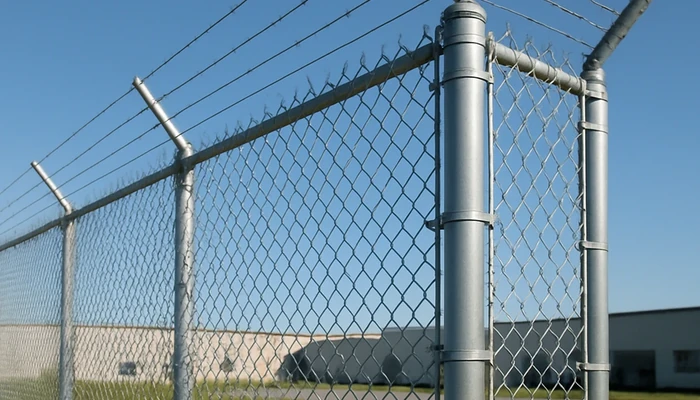
- Twist or barbed tops (where allowed) add an extra layer of psychological and physical deterrence.
Coatings and Corrosion Resistance
Security is only as good as your fence’s longevity. In seasonal climates like Chicago, corrosion resistance matters:
- Galvanized steel offers strong baseline protection.
- Vinyl-coated chain link adds anti-corrosion for longer service life and a softer-touch finish (less likely to scratch would-be climbers).
- Some commercial sites may require special powder coatings or fusion-bonded options; always consult material spec sheets for confirmation.
Comparison Table: Anti-Climb Chain Link Specs at a Glance
| Specification | Standard | Anti-Climb |
|---|---|---|
| Mesh Size | 2″ | 5/8″ – 1″ |
| Wire Gauge | 11 – 9 G | 9 – 6 G |
| Fence Height | 4–6 ft | 8–10 ft |
| Top Rail | Standard | Continuous, reinforced |
| Post Size | 1 7/8″ | 2 3/8″ (Schedule 40+) |
| Coating | Galvanized | Vinyl-coated/Powder-coated |
| Top Deterrent | None | Twist/barbed (where allowed) |
Trade-Offs: Security vs. Cost, Maintenance, and Appearance
Every anti-climb upgrade comes with trade-offs:
- Higher security usually means higher upfront cost due to denser mesh, thicker wire, and taller posts.
- Maintenance may increase with more complex components or additional deterrents.
- Aesthetics might be affected; tighter mesh and deterrent tops can look more “institutional.” Consider vinyl-coated finishes or color-matched hardware for a softer look—see exploring color options for chain link fences.
Always balance your security needs with visibility, public perception, and future maintenance expectations.
Compliance: Local Codes and Safety in Chicago, Illinois
Before investing in any commercial fence, check with:
- Chicago building codes and zoning regulations regarding fence height, top treatments, and property lines.
- OSHA standards for workplace or site security if your property houses employees or assets.
Residential and HOA-adjacent buildings may have extra rules around appearance or additions like barbed wire. For more about urban settings, see Chain Link Fences in Urban Planning.
Authoritative bodies like the Association for Materials Protection and Performance, formerly NACE International (see AMPP’s about page), oversee standards for protective coatings and long-term performance. Always request documentation when considering advanced coatings or materials.
Beyond Specs: Enhancements to Further Deter Climbing
Spec choices aren’t the only factors that make a chain link fence safer:
- Top rail anti-climb treatments: Twisted wire, rolled-tops, or barbed wire (where permitted).
- Privacy slats: These add visual screening and can make climbing more difficult, but may introduce wind loading concerns for tall fences. See Chain Link Fence Design Inspiration for ideas.
- Double fencing or buffer zones: Adding a setback fence or landscaping between fence lines further improves security.
- Security lighting: Well-lit perimeters offer more deterrence and allow for camera coverage.
If your use case involves asset protection or higher-threat environments, consider integrating fencing with bollards or electronic surveillance systems. Iron bollards may be worth a look for vehicle security applications.
Common Myths and Realities About Climb-Resistant Chain Link
- Myth: Any tall chain link fence is difficult to climb.
Reality: Without tight mesh and proper top treatments, even a tall fence can be scaled by a determined individual. - Myth: All coatings are equal for anti-climb.
Reality: Vinyl and powder coatings primarily address corrosion, but can make surfaces slightly more difficult to grip versus raw galvanized wire. - Myth: Privacy slats prevent climbing.
Reality: Slats mostly block vision; they help, but don’t replace tight mesh and sturdy structure. - Myth: Anti-climb features make fences “unfriendly” looking.
Reality: Many upgrades can blend security with a professional appearance if selected carefully (see color and style guides for tips).
Installation Considerations: What to Expect From Your Project
The process for anti-climb chain link fencing includes several stages:
- Site evaluation: Professionals survey for utility lines, grade, and code compliance.
- Material specification: Mesh size, gauge, coating, post size, and add-ons determined.
- Permitting: Necessary for most commercial projects in Chicago, Illinois; be sure to allow time for approval.
- Installation: Digging for posts, setting concrete, stretching mesh, installing deterrents.
- Inspection: Final walkthrough, confirming code compliance and installed height.
Professional fence companies like Chicagoland Fence Pros provide clear processes, honest material advice, and transparent cost breakdowns for your peace of mind. For more on the details of posts, mesh, and hardware, see The Essential Guide to Chain Link Parts.
Maintenance and Longevity: Getting the Best Returns
Even the best anti-climb chain link fence needs periodic attention:
- Inspect for rust: Especially at weld points and bottom mesh near landscaping.
- Check for bends/gaps: Repair promptly to maintain integrity.
- Clean as needed: Power-washing vinyl-coated fences helps keep appearances professional.
Well-installed chain link with quality coatings can last upwards of 15–25 years with basic care, even in harsh Chicago winters. For a closer look at durability, visit Weather Resistance of Chain Link Fences.
Realistic Expectations: What Anti-Climb Fencing Can—and Can’t—Do
No physical barrier is completely impenetrable. Commercial chain link that deters climbing is about raising the effort and risk for intruders, buying precious time for intervention. For most facilities, these fences dramatically reduce trespassing, vandalism, and opportunistic theft.
The best results come from a layered approach: strong specs, visual deterrents, clear signage, and integration with other security measures appropriate to your needs.
Homeowners or managers uncertain about the right spec mix for their site should consider speaking with a fence professional. Request a security fencing estimate to discuss your property’s challenges and goals.
Cost Factors for Anti-Climb Chain Link Fencing
Prices vary based on your choices and site conditions:
- Material spec: Tighter mesh, heavier gauge, taller and thicker posts increase costs.
- Coating type: Vinyl or powder coatings are premium features.
- Site prep: Sloped or rocky terrain increases labor.
- Extras: Barbed wire, buffer fencing, or multi-gate systems may be required for full security compliance.
Always request a detailed quote and ask for clarification of material specs in writing—don’t assume all chain link is created equal. To learn more about various materials and options, see What Materials Are Used in Chain Link Fences.
Expert Tips: Getting the Most from Your Security Fence Investment
- Prioritize mesh size and wire gauge for real climb resistance.
- Check all local codes before making final decisions – compliance is essential in Chicago, Illinois and surrounding areas.
- Balance deterrence with curb appeal using color options and thoughtfully chosen add-ons.
- Partner with an experienced installer like Chicagoland Fence Pros to avoid costly mistakes and ensure a code-compliant, durable install.
- Consider long-term maintenance and future upgrades as part of your planning.
Remember, the right fence starts with informed choices and professional execution.
FAQ: Anti-Climb Commercial Chain Link Fencing
- What is the best mesh size for anti-climb chain link fencing?
Mesh sizes between 5/8″ and 1″ are considered highly effective for deterring climbing, especially on commercial properties. This tight mesh leaves little room for fingers or feet to gain a hold.
- Does thicker wire gauge make a difference?
Yes, heavier (thicker) wire gauges, like 9-gauge or 6-gauge, are much more resistant to cutting or deforming, adding both security and durability compared to thinner wires.
- Are anti-climb fences always tall?
While height (8 feet or more) greatly improves security, mesh size and top treatments also play a critical role. Some sites may require both for best results.
- Can privacy slats improve anti-climb performance?
Privacy slats can make climbing somewhat more difficult and add visual screening, but they are not a substitute for tight mesh and structural upgrades.
- What kinds of top deterrents are legal in Chicago, Illinois?
Some commercial settings allow barbed or razor wire, but local codes and neighborhood ordinances may restrict their use. Always check codes before specifying these features.
- Does color or coating influence security?
Primarily, coatings address corrosion and aesthetics. However, smooth vinyl coatings can marginally reduce grip for climbers.
- Is a permit required for anti-climb chain link installation?
Most commercial projects in Chicago, Illinois require permits for new fencing. Always consult your installer and local authorities before proceeding.
- Can chain link be made as secure as wrought iron?
Modern commercial chain link with tight mesh, tall framework, and anti-climb accessories offers excellent security. Wrought iron may be preferred for style or impact, but properly specified chain link can meet most security needs.
- How do I maintain anti-climb fences year-round?
Routine inspections for rust, tight mesh, and fully secured components are key. Power washing and prompt repairs help keep your fence performing and looking its best in all seasons.
- What are some reputable sources for fence material standards?
The Association for Materials Protection and Performance (AMPP) provides standards for fence coatings and materials durability worldwide.
Conclusion: Secure Chain Link Spec Choices Make All the Difference
Choosing the right commercial chain link that deters climbing is all about the sum of your specification choices. Tight mesh, proper gauge, tall posts, and thoughtful top/treatment options combine to deliver real climb resistance when installed by professionals. For properties in the Chicago, Illinois area, respecting local codes and balancing appearance with security is essential.
If you’re ready to discuss project specs or want a tailored assessment, contact Chicagoland Fence Pros today or request a fence estimate for your property’s unique needs.
Interested in more ways to maximize your security perimeter? Explore tips for improving security with chain link fencing for deeper insights.
About Chicagoland Fence Pros
Chicagoland Fence Pros is a trusted fence company with over 15 years of experience installing fences in the Chicago, Illinois area. The team serves homeowners and businesses across the region, specializing in wood, vinyl, aluminum, steel, and composite fencing for both residential and commercial projects. Known for code-compliant, insured, and honest service, Chicagoland Fence Pros delivers durable solutions with a focus on security, privacy, and building code compliance.
fencing chicago, chain link fence repair Fence Chicago, chain link security fence, chain link perimeter fence North Center, chain link security fence Zion, chain link fencing Oswego, chain link fence in Lincolnwood, vinyl coated chain link fence Burr Ridge, best chain link fences in Streamwood, galvanized chain link fence Hoffman Estates