
Wrought Iron vs Aluminum for Security: The Real Maintenance Trade-Off
Fence choices aren’t just about looks—they directly affect your home or property’s security, privacy, and long-term value. As a homeowner or property manager, you’ve likely run into the debate: Wrought iron vs aluminum for security—what’s truly better, and how do maintenance demands compare? With so many voices online and plenty of myths about fence durability and care, it’s tough to know where to start. In the Chicago, Illinois area, intense seasons and local codes add even more variables.
This comprehensive guide tackles your biggest questions. We’ll explain the key differences between wrought iron and aluminum fencing, debunk maintenance myths, compare security strengths, and set realistic expectations for upkeep and long-term costs. You’ll finish with a practical framework for choosing the right fence for your needs. Chicagoland Fence Pros has helped hundreds navigate these choices—let’s make your decision clear and confident.
Understanding the Basics: Wrought Iron and Aluminum Fences
Before comparing security and maintenance, let’s clarify what each material is—and isn’t.
What Is Wrought Iron Fencing?
Traditional wrought iron is a heavy, solid metal formed into ornate or practical panels. True “wrought” iron is nearly obsolete, but the term now often refers to mild steel manufactured for fencing—painted, welded, and built to last. It’s known for:
- Prestige and classic appearance
- Exceptional strength and rigidity
- Weight and a secure, imposing look
- Susceptibility to rust if not properly maintained
What Is Aluminum Fencing?
Aluminum fence panels are manufactured from high-strength alloys. They offer:
- Lightweight yet robust construction
- Corrosion resistance—no rust
- Flexible designs (traditional and modern)
- Low long-term maintenance
Because both options simulate “ironwork” styles, they can look strikingly similar—but the way they age and protect your property is very different.
Security: Which Material Really Protects Your Property?
Wrought Iron: Proven, Physical Security
Wrought iron fences have long been seen as the gold standard for perimeter security. Here’s why:
- Substantial weight and strength discourage climbing and forced entry.
- Welded joints create a continuous barrier with minimal weak points.
- Can be crafted with anti-climb designs and sharp finials.
If your main concern is deterring intruders or protecting valuable commercial assets, a well-built wrought iron or steel fence offers a physical and psychological barrier few materials match.
Aluminum: Modern Security with Technology
What about aluminum fences? Thanks to new alloys and construction methods, today’s aluminum fences are:
- Strong enough for residential and most commercial uses
- Powder-coated to resist environmental damage
- Well-suited to integrate security technology like cameras or automated gates
While aluminum isn’t as heavy as steel, its flexibility allows for innovative security enhancements, including anti-lift brackets and smart fence integration. For most properties, especially homes and managed communities, aluminum gets the job done safely and reliably.
For a deeper look at how aluminum fencing can be integrated with modern security, consider “Aluminum Fences and Security Technology”.
Durability Face-Off: How Do Wrought Iron and Aluminum Stand Up Over Time?
Wrought Iron’s Longevity (and Its Weakness)
Wrought iron—or modern steel fences—are famous for their strength. Properly maintained, these fences can last decades. But there’s a catch: exposure to moisture, salt, and winter road treatments puts them at risk for rust and corrosion—especially in the Midwest. Once corrosion starts at welds or paint chips, repairs become essential.
Aluminum’s Secret Weapon
Aluminum fences are inherently resistant to rust. A quality powder-coated finish keeps them looking sharp through Chicago’s rain, snow, and humidity. Even when scratched to bare metal, aluminum self-oxidizes—a process that creates a protective barrier rather than rust. This is why aluminum excels in humid, wet, or salty environments.
Learn more about climate and durability in “The Durability of Aluminum Fencing Panels”.
The Maintenance Reality: Daily, Seasonal, and Long-Term Upkeep
Wrought Iron Fence Maintenance
- Inspect yearly for chipped paint, rust spots, or bent pickets.
- Touch up paint at the first sign of wear; recoat every 5–10 years.
- Remove surface rust quickly to prevent deeper corrosion.
- Major repairs (welding, section replacement) often require a professional.
Aluminum Fence Maintenance
- Wash with soap and water as needed (no heavy scrubbing required).
- Check for any loose fasteners after storms.
- No repainting or rust removal necessary.
Bottom line: Aluminum fences are as close to “set and forget” as you’ll find, while wrought iron rewards diligence with longevity—but will rust if neglected.
Style and Curb Appeal: Choosing the Right Look for Your Space
Wrought Iron—Classic and Ornate
Iconic for historic homes, statement entryways, and institutions. Scrollwork, finials, and curves add elegance, but can increase maintenance if water traps in decorative features.
Aluminum—Traditional and Modern Versatility
Aluminum can resemble classic ironwork or sharp, modern lines. It’s easy to customize colors, heights, and post caps. Explore “Aluminum Fence Design for Modern Spaces” for inspiration tailored to today’s homes.
Cost Comparison: Installation, Maintenance, and Long-Term Value
| Factor | Wrought Iron | Aluminum |
|---|---|---|
| Material Cost (per foot) | Higher | Moderate |
| Installation Labor | High (heavy, specialist required) | Lower (lightweight, fast install) |
| Routine Maintenance | Annual painting, rust removal | Wash only, inspect fasteners |
| Long-Term Repairs | Possible welding, section replacement | Rare, simple panel swaps |
| Estimated Lifespan | 25–50 years (with upkeep) | 25–30 years (minimal care) |
Costs vary by design, height, and local market conditions. Always get a written quote (like the clear estimates from Chicagoland Fence Pros).
Chicago’s Climate and Code Considerations
Homeowners in Chicago, Illinois deal with extra challenges: freeze-and-thaw cycles, lake-effect moisture, and city zoning rules. It’s wise to:
- Make sure fences are installed below the frost line for stability
- Choose materials proven for the Midwest (ask for case studies if unsure)
- Check for HOA and city permit requirements
Both aluminum and wrought iron can meet Chicago’s code requirements—but aluminum’s corrosion resistance is a major advantage for long-term appearance and value.
Real Maintenance Stories: Expectations vs Reality
Let’s dispel a few common myths based on real-world experience as a fence company in Chicago, Illinois:
- Myth: Wrought iron “never” needs maintenance.
Reality: Without annual attention, rust spreads—especially at welds and bottoms of pickets. - Myth: Aluminum is “flimsy.”
Reality: Modern aluminum fence panels are engineered for security and heavy use—especially when code-compliant posts and installation are used. - Myth: Aluminum can’t protect like steel.
Reality: For nearly all residential uses, and for commercial properties where smash-and-grab isn’t a risk, aluminum provides reliable perimeter security, with the added benefit of lower maintenance.
How to Decide: A Practical Checklist
- Prioritize maximum security or historic appearance? Favor wrought iron (and commit to regular maintenance).
- Prefer a lower-maintenance, modern, or adaptable look? Choose aluminum.
- Need integration with technology? Aluminum works well for access control, cameras, and gates—learn more here.
- Budget or DIY friendly? Aluminum installs faster, with less labor cost.
- Concerned about corrosion from winter conditions? Aluminum is the clear winner in snowy locations like Chicago.
Codes, Permits, and Environment: What Homeowners Should Know
Before any fence project, always:
- Check local zoning and fence height laws
- Confirm property boundaries (surveys are recommended)
- Get written approval from your homeowners’ association if required
- Understand Chicago’s permit process and inspection requirements
For more on fabrication and galvanization for durability, see the American Galvanizers Association’s fabrication resources here.
Further Reading: Learn More About Aluminum Fence Benefits
- Explore Benefits of Aluminum Fencing for a full breakdown of maintenance and costs.
- Check Aluminum Essentials in Modern Households for a guide to installation and compliance.
- See Vinyl, Wood, or Aluminum Fences: Exploring the Advantages for Your Property for side-by-side material comparisons.
FAQ: Wrought Iron vs Aluminum Fence Questions Answered
Is wrought iron really stronger than aluminum?
Wrought iron (or modern steel) is denser and heavier than aluminum, making it extremely solid for high-security needs. However, properly installed aluminum fence panels provide security that is more than adequate for most residential and light commercial uses, with less maintenance required.
Which fence type lasts longer?
With diligent maintenance, wrought iron can last 50 years or more. Aluminum, due to its resistance to rust and minimal upkeep, typically lasts 25–30 years trouble-free—but usually looks better over time, especially in harsh climates like Chicago.
How much maintenance do wrought iron fences require?
At a minimum, wrought iron fences need annual checks for rust, touch-up painting, and occasional repairs to welds or sections. Neglect can result in costly restoration or section replacement.
Are aluminum fences customizable like wrought iron?
Yes. Modern aluminum fencing offers an impressive range of designs, colors, heights, and post cap options—replicating classic or modern looks. For more, visit Aluminum Fence Customization and Continuous Upgrades.
Are both options safe for children and pets?
Both can be built with child- and pet-safe spacing, panel heights, and self-latching gates. Always discuss your needs with your fence professional during the planning stage.
What about cost differences in installation and repairs?
Wrought iron typically costs more to install and repair due to its material weight and need for welding. Aluminum is lighter, allowing faster, more affordable installations and easy panel replacements.
Can aluminum fencing be used for commercial properties?
Yes, especially where appearance and low maintenance are priorities. For sites needing extreme security (utilities, industrial), ornamental steel or specialty barriers may be advised.
How does Chicago’s climate impact fence materials?
Harsh winters, ice, and road salt accelerate rust on exposed iron or steel. Aluminum’s natural corrosion resistance makes it well-suited for the Chicago area.
Where can I find code-compliant fence designs for Chicago?
Local contractors like Chicagoland Fence Pros can provide code-compliant solutions and help navigate permitting. You can also review city resources or the American Fence Association’s education library.
Who should I contact for fence repairs or upgrades?
For repairs, upgrades, or code questions, reach out to trusted local professionals. Chicagoland Fence Pros offers honest advice and transparent estimates in Chicago, Illinois and nearby communities.
Conclusion: Making the Right Choice for Your Property
Choosing between wrought iron and aluminum fencing comes down to what matters most: ultimate security and classic style—with required upkeep—or modern durability, lower maintenance, and versatile designs. Both can provide lasting value when professionally installed and maintained.
If you’re still unsure, request an in-depth fence estimate or connect with Chicagoland Fence Pros for honest, Chicago-based recommendations tailored to your needs.
For more about design and lasting value, explore our exclusive aluminum fence styles and trends in fencing.
About Chicagoland Fence Pros
Chicagoland Fence Pros is a professional fence company with over 15 years installing fences in the Chicago, Illinois area. Serving homeowners and businesses, the team specializes in aluminum, wrought iron, wood, vinyl, and steel fences for residential and commercial perimeter security and curb appeal. Fully licensed and insured, Chicagoland Fence Pros is committed to honest guidance, code compliance, and reliable craftsmanship for every project.
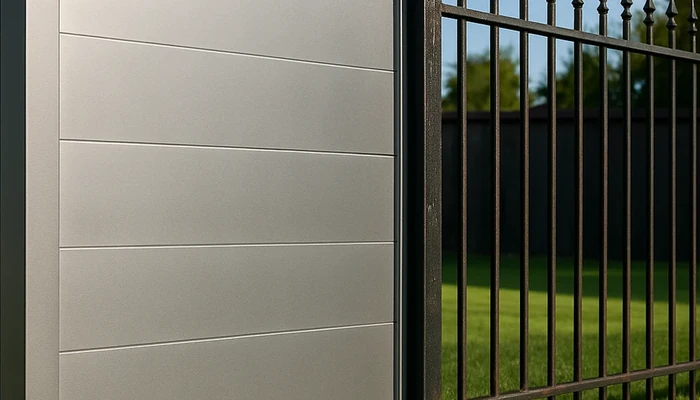
fence contractor in chicago, aluminum fence in the city of Fences Chicago, aluminum fencing Fences Chicago, aluminum fence Schaumburg, aluminum security fence Oswego, aluminum fencing Long Grove, black aluminum fence Mundelein, aluminum perimeter fence Burr Ridge, aluminum fences Oak Lawn, Wheaton aluminum fence