
How High Should a Chain Link Fence Be? Complete Homeowner’s Guide
Choosing the right height for a chain link fence can feel overwhelming—balancing privacy, safety, city regulations, and your property’s look. Many homeowners and property managers in Chicago, Illinois ask: how high should a chain link fence be? The answer depends on your needs, local codes, and long-term goals. In this in-depth guide, we explain fence heights for different situations, walk through building code rules, compare standard and custom options, and cover what you should expect before installing a chain link fence.
By the end, you’ll confidently know which fence height best suits your property and lifestyle. Chicagoland Fence Pros brings over 15 years of experience in the region, ensuring every consideration—privacy, security, compliance, or curb appeal—is addressed for your next project.
Why Chain Link Fence Height Matters
The height of your chain link fence impacts far more than just looks. Height plays a key role in:
- Privacy: Taller fences offer more visual separation from neighbors and streets.
- Security: Sufficient height can deter trespassing and keep children or pets safe inside.
- Compliance: Local ordinances, HOA guidelines, and safety codes often set minimum and maximum heights.
- Cost: Both materials and installation costs rise as fences get taller.
- Function: Consider needs like containing pets, protecting a garden, or securing a commercial site.
Getting this decision right ensures your fence delivers lasting value and avoids costly code violations or retrofits down the road.
Chain Link Fence Height Options: Standard and Custom
Most chain link fences come in standardized heights, but custom sizes can be ordered for unique needs. Here’s a breakdown for residential and commercial uses:
| Common Height (ft) | Typical Use | Notes |
|---|---|---|
| 3 | Front yards, gardens, property demarcation | Low security; marks boundaries but little privacy |
| 4 | Backyards, pet containment, pools | Popular for pets/kids (some cities require 5ft+ for pool codes) |
| 5 | Enhanced residential security, pools | More privacy and safety; may trigger permit/code checks |
| 6 | Perimeter fencing, privacy barrier | Often the max height allowed without variance in Chicago |
| 8+ | Commercial/industrial security, athletic enclosures | Requires special permits and purposes (sports, high-security) |
Custom heights (in six-inch increments) can be manufactured, but standard heights tend to make for more affordable and faster installations.
Understanding Local Building Codes and HOA Restrictions
In the Chicago, Illinois area, building codes and neighborhood guidelines often dictate how high a chain link fence can be on residential and commercial lots. Important considerations:
- City ordinances: Chicago typically allows up to 6’ for backyard fences, while front yard and corner lots may be limited to 4’.
- Permits: Most installations over a certain height (often 5’ or 6’) require a city permit or zoning approval.
- HOA rules: Homeowner associations may have stricter rules than the city, sometimes capping at 4’ or dictating fence styles.
- Public safety: Pool fences usually require at least 4’–5’ tall barriers, with self-closing gates and limited gap sizes—see up-to-date safety standards at ASTM.org.
Tip: Always review local zoning maps and contact city authorities or your HOA for current fence regulations before starting installation.
Factors That Influence the Best Fence Height for Your Property
1. Security Needs
If your primary goal is to prevent intruders or keep pets safely inside, choose the tallest fence the code and your budget allow. Commercial applications, like industrial sites and storage yards, often use 8′ or higher fences for maximum security.
2. Privacy Preferences
Standard chain link fences are see-through, but privacy slats or mesh inserts can be added. Taller fences enhance privacy but might require permits in some neighborhoods. For detailed ways to boost privacy with chain link, visit our Chain Link Fence Design Inspiration hub.
3. Property Layout & Neighbors
Corner lots and front yards may face stricter height limits. Always consider sightlines for neighboring homes and compliance with neighbor-friendly fence practices.
4. Containing Pets and Children
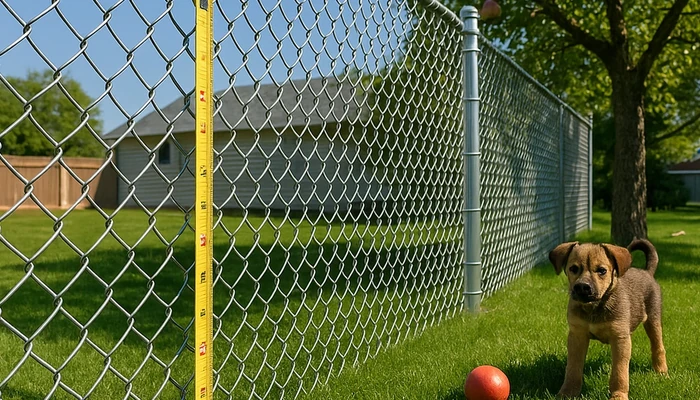
Small pets and children can often be safely contained with a 4’ fence. For large dogs or energetic kids, consider going up to 5’ or 6’—but check local codes to avoid problems.
5. Pool and Safety Enclosures
Pool barriers have strict code requirements for height, latch position, and gaps. Learn about recommended standards from agencies like ASTM (see standards) and the NIH (National Institutes of Health, Building Guidance).
6. Budget Considerations
Each additional foot of fence height increases both materials and labor costs. Request detailed quotes that specify height, posts, and any upgrades for privacy or security.
Standard Residential vs. Commercial Chain Link Fence Heights
| Use Case | Common Height Options | Notes |
|---|---|---|
| Residential backyard | 4′, 5′, 6′ | 6’ usually maximum per Chicago codes |
| Front yard | 3′, 3.5′, 4′ | May face stricter caps for visibility |
| Swimming pool | 4′, 5′, 6′ | Check exact code for pools (self-closing gate required) |
| Commercial perimeter | 6′, 8′, 10’+ | Security needs and permit process required |
| Sports courts | 10′, 12′, 14’+ | Basketball, tennis, baseball – special installations |
Example: A typical Chicago homeowner installing a backyard chain link fence would choose a height between 4’ and 6’, using 6’ for more privacy and security, subject to neighborhood rules.
Chain Link Fence Heights: Pros and Cons by Size
| Height | Advantages | Drawbacks |
|---|---|---|
| 3’–4′ | Affordable, visually open, easy permit process | Minimal privacy/security, easy for large pets to jump |
| 5′ | Better containment/security, moderate cost | May look imposing in small yards |
| 6′ | Strong privacy/security, max allowed in many areas | Higher cost, possible permit requirement |
| 8’+ | High security, commercial-grade safety | High cost, complex installation, rarely allowed for homes |
Chicago’s Typical Zoning and Common Exceptions
- 6 feet is the most common max for rear/side property lines in Chicago neighborhoods.
- 4 feet is the usual max in front yards to maintain visibility for drivers and pedestrians.
- Special-use cases (schools, pools, commercial yards) may allow or require higher fences if properly permitted.
- Historic districts sometimes have aesthetic guidelines or require different fence materials.
From our experience as a fence company in Chicago, Illinois, always confirm the latest zoning map and check if your project needs a variance or notification to neighbors.
Privacy, Security, and Design Options for Chain Link Fencing
Chain link fences are versatile—but you can enhance both privacy and curb appeal using slats, screens, colored vinyl coatings, or even climbing plants. To personalize your chain link fence, see examples in our post Beyond Silver: Color Options for Chain Link Fences.
- For increased security, opt for heavier gauge wire and consider anti-climb features or deeper-set posts (see this fencing gauge guide).
- Mixed-material designs and decorative add-ons can boost visual appeal (explore design ideas here).
Remember: modifications, such as adding barbed wire or privacy screens, may affect whether your fence is allowed at a certain height under city or HOA rules.
Code Compliance and Best Practices for Installation
Proper installation is critical for both longevity and compliance. Always work with installers who:
- Read and follow up-to-date Chicago building codes and permit requirements.
- Use corrosion-resistant hardware and sturdy posts set below the frost line for stability in the Midwest climate.
- Double-check gate heights and clearances for pool and safety applications.
Learn more about installation best practices in our resource Demystifying Chain Link Fence Componentry.
Budgeting and Planning for Your Chain Link Fence Height
- Get itemized quotes with fence height clearly specified—costs increase with every additional foot.
- Factor in any privacy inserts, gates, or specialty coatings you might want for aesthetics or durability.
- Ask about warranties, future repairs, and long-term maintenance for taller or specialty fences.
If you need guidance on estimated costs by height and feature in the Chicago area, request a chain link fence estimate from our experienced team.
Maintenance Considerations by Fence Height
Taller fences can require more upkeep: they’re more exposed to wind loads, and cleaning/repair work is more involved. Routine maintenance tips include:
- Inspect fence lines and posts annually, especially after storms or heavy snowfall.
- Promptly address any sagging wire, loose posts, or broken slats for both safety and code compliance.
- Lubricate and check gates to ensure smooth operation, especially for pool safety enclosures.
Frequently Asked Questions: Chain Link Fence Heights
- What is the most common height for residential chain link fences?
For residential backyards in Chicago, 4’ and 6’ are the most common. Six feet offers privacy and security, but 4’ is often used for front yards or pet areas where lower visual impact is preferred.
- Can I install a fence higher than six feet?
Most Chicago properties cap residential fences at 6’. Higher fences usually require a permit, written justification, and sometimes notification to neighbors. Commercial and special-use cases (like sports or industrial) are exceptions.
- Does a higher fence require deeper posts?
Yes. Taller fences need posts set deeper in the ground (often 1/3 of post length) for stability—especially in the Midwest freeze/thaw climate. This also applies to heavy gauge/high-security fences.
- Are privacy slats or screens allowed on all heights?
Usually, but some HOAs or districts may restrict the use of colored slats or screens on front/facing yards. Always double-check with local rules before upgrading.
- Do I need a permit for my chain link fence in Chicago?
Most installations require a permit for fences exceeding 5’ or for new work near public sidewalks, pools, or corners. Checking with the city’s building department avoids costly mistakes.
- What height is required for a pool fence?
Typically, pool fences must be at least 4’ but check city and state codes. Fences must also have self-latching gates that meet safety standards—see ASTM standards for details.
- What if my neighbor disagrees with the height?
It’s always best to discuss plans with adjoining neighbors, especially on shared property lines. Even within code, some neighborhoods have “good neighbor” rules to avoid disputes.
- Will a taller fence increase my property value?
Not always. While increased security is valued, overly tall or unfriendly-looking fences can reduce curb appeal. Choose a height and design suited to your goals and local norms.
- How does fence color or coating impact height rules?
Color or vinyl-coated chain link typically doesn’t affect code compliance for height, but always verify with HOA or historic boards for specialty guidelines.
- Where can I learn more about chain link fence options?
Visit our inspiration hub and explore the benefits of chain link fencing for further ideas.
Closing Thoughts: Choosing the Right Chain Link Fence Height
Selecting the ideal height for your chain link fence comes down to balancing security, privacy, aesthetics, budget, and code compliance. In Chicago, Illinois, 4’–6’ fences are most common, but always consult current city guidelines or a trusted local installer before making a decision. The right choice protects your property for years to come.
If you have questions or would like tailored advice based on your property’s layout and needs, contact Chicagoland Fence Pros or request a fence estimate.
About Chicagoland Fence Pros
Chicagoland Fence Pros is a professional fencing company with over 15 years of experience serving homeowners and businesses throughout Chicago, Illinois and nearby communities. Specializing in code-compliant installations of chain link, wood, vinyl, aluminum, and specialty fences, our team is fully insured and prioritizes security, privacy, and long-term durability for every project. Whether you need advice, repairs, or a new installation, we provide clear recommendations, transparent quotes, and trusted service on all residential and commercial fencing solutions.
chicago fence companies, chain link fence options chicago, vinyl coated chain link fence, chain link fence Barrington, chain link fence in the city of Libertyville, chain link fence options Lake In The Hills, Streamwood chain link fence, chain link fence maintenance Burr Ridge, chain link fence options Melrose Park, best chain link fences in Oak Lawn