
Architectural Designs for Automatic Security Doors: An In-Depth Guide
Choosing the right security solution for your property can be daunting, especially with the rise in options like automatic security doors. Architectural designs for automatic security doors blend security, technology, and aesthetics, offering residents and property managers the chance to boost both safety and curb appeal. The right door can mean enhanced protection, easier access, and long-term peace of mind—if selected wisely. In this guide, we break down design options, highlight key considerations for the Chicago, Illinois area, and explain what really matters to homeowners and property managers encountering these choices for the first time. Chicagoland Fence Pros draws on years of local experience to help you understand your options and avoid common mistakes in the world of automatic security doors.
What Are Architectural Designs for Automatic Security Doors?
Architectural designs for automatic security doors refer to the integration of technologically advanced doors into building architecture. These doors offer automated operation, robust security features, and sometimes even advanced detection or monitoring systems. They are designed with a focus on harmonizing security, accessibility, and the visual style of the property, making them suitable for both residential and commercial applications.
- Security: Modern locking systems, reinforced frames, and intrusion sensors.
- Accessibility: Automatic or remote control for hands-free access.
- Design: Customizable materials and finishes to complement building exteriors.
For homeowners in Chicago, Illinois, understanding these aspects is essential for choosing a door that stays functional in local weather, meets code, and suits long-term needs.
Main Types of Automatic Security Doors
Let’s explore the main categories you’ll encounter when evaluating architectural designs for automatic security doors:
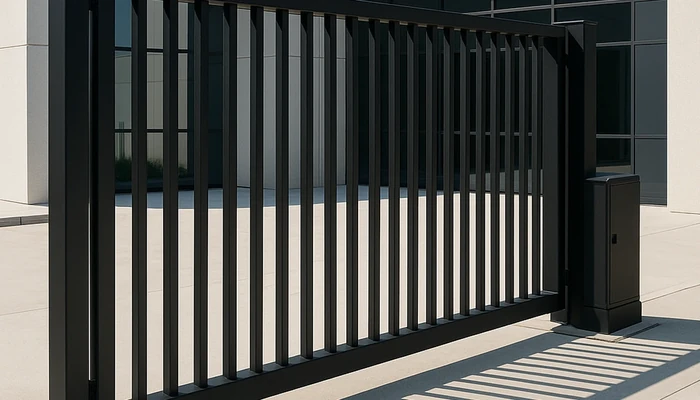
- Sliding Automatic Security Doors: Ideal for space-constrained locations and modern aesthetics.
- Swinging Automatic Security Doors: Traditional and robust, but require clear swing paths.
- Revolving Automatic Doors: High-traffic solutions with energy savings and controlled entry.
- Folding Automatic Security Doors: Flexible openings for tight spaces, seen in garages or small business entries.
| Type | Best For | Pros | Cons |
|---|---|---|---|
| Sliding | Modern homes, offices | Space-saving, sleek design | Tracks need maintenance |
| Swinging | Classic looks, side entrances | Simple mechanics | Needs clear swing area |
| Revolving | Commercial, busy areas | Energy efficient, controls flow | Not ideal for homes |
| Folding | Small spaces, garages | Maximizes entry width | More moving parts |
Explore additional automatic door styles for privacy and aesthetics in this guide on gate styles for privacy.
Essential Features and Modern Technologies
The best architectural designs for automatic security doors now blend hardware, electronics, and digital controls. Key features include:
- Advanced Locking Systems: Multi-point or electromagnetic locks.
- Access Control: Keypads, RFID, smartcards, biometric readers.
- Safety Sensors: Ensure the door only closes when clear.
- Surveillance Integration: Cameras and alarms linked for real-time monitoring.
- Weatherproofing: Seals and finishes rated for the Chicago climate (frost, rain, temperature swings).
- Customization: Diverse choices for glass, metals, and finishes to suit architecture.
- Energy Efficiency: Insulated panels, tight seals, and smart operation to minimize heat loss.
When considering installation, check for compliance with standards from organizations like the NFPA (National Fire Protection Association) to ensure safety and reliability.
Popular Materials for Automatic Security Doors
Automatic security doors can be engineered from various materials, each suited to different needs:
- Steel: Maximum protection, longevity, and high resistance to forced entry. Heavier and more costly but top for security.
- Aluminum: Corrosion-resistant, lightweight, and well-suited for modern homes in cities like Chicago. Easier to customize visually.
- Tempered Glass: Used in elegant applications, often combined with metal frames. Must be security-rated for exterior use.
- Composite Materials: Blend of aesthetics and durability, lower maintenance, good insulation.
From the experience of Chicagoland Fence Pros, selecting materials that handle Chicago’s moisture, temperature swings, and snow loads is critical for long-term performance.
Architectural Integration: Balancing Function and Design
The best automatic security doors aren’t just bolted on—they’re part of the design vision. Consider these when planning:
- Entry Harmonization: Choose doors and hardware that match façade elements like windows, siding, and fencing.
- Transparency and Light: Use glass elements for natural light while preserving privacy with frosted or tinted options.
- Color and Finish: Modern paints, powder coating, or anodizing offer style and extended durability.
- Complementary Fencing: Pair doors with fences (wood, aluminum, vinyl) for seamless perimeter security—see local aluminum fence options for inspiration.
Careful integration can raise curb appeal and property value, as discussed in this guide to adding value with gates.
Installation and Building Codes: What Owners Need to Know
Homeowners and property managers must follow several steps and adhere to local codes before installing automatic security doors:
- Site Assessment: Measure space, check electrical access, assess traffic patterns.
- Permits & Compliance: Obtain municipal permits and confirm compliance with Chicago and Illinois building codes or HOA rules.
- Professional Installation: Seek experienced installers who understand the Midwest climate and commercial/residential code distinctions. Chicagoland Fence Pros can provide guidance on these steps.
- Inspection & Testing: Final checks for safe operation, emergency controls, and alignment.
For more on legal and regulatory issues in automatic gate installation, visit this hub.
Maintenance, Lifespan, and Common Issues
Automatic security doors require scheduled maintenance to stay reliable:
- Routine Inspection: Check moving parts, tracks, and electrical connections.
- Lubrication: Prevents squeaks and wear.
- Sensor Cleaning: Keep safety sensors and cameras clear of dirt, debris, and snow.
- Weatherproofing Refresh: Check seals and repaint/coat as needed—especially in the Chicago, Illinois climate.
For preventive maintenance tips, see our detailed maintenance guide. Typical lifespans vary, but with care most systems offer 10–20 years of safe operation. Always consult your installer or manufacturer for maintenance schedules, as neglect can void warranties.
Security Features and Access Control: What Matters Most
The main purpose of automatic security doors is safety—both for people and assets. Consider these security features:
- Multi-Point Locking: Protects against prying or forced entry.
- Access Control: Smart systems to manage who enters and when; useful for apartment buildings, offices, and busy homes.
- Surveillance Integration: Cameras or video intercoms can be linked to door systems for real-time monitoring and recording.
- Alarm Triggers: Doors can trigger alarms if forced or left open too long.
- Safety Algorithms: Sensors to prevent injury or damage during operation.
Check that the components meet or exceed relevant safety standards, such as those provided by STRUCTURE Magazine or other recognized authorities.
Energy Efficiency and Environmental Considerations
Automatic doors can support sustainable building goals when thoughtfully chosen. Features to seek:
- Insulated Panels: For reduced heat loss.
- Low-E Glass: Where glazing is used, limits solar heat transfer.
- Smart Open/Close Timers: Minimizes unnecessary airflow, especially in Chicago winters.
- Solar Power Integration: Some systems can use solar energy for operation. Explore the possibilities here: solar options for automatic gates.
Choosing the Right System: Factors and Trade-Offs
When making your decision, weigh these considerations:
- Location & Climate: Materials must endure cold, heat, and moisture.
- Level of Security Needed: Residential vs. commercial, visitor management, and threat concerns.
- Traffic Patterns: Who uses the entry and how often?
- Budget: Initial cost, ongoing maintenance, and possible repairs.
- Long-Term Value: Does the design boost property value or reduce future expenses?
Review more on matching gate systems to your security needs in this security overview.
Comparison Table: Automatic Security Door Types and Features
| Type | Security | Maintenance | Cost ($-$$$) | Best Use |
|---|---|---|---|---|
| Sliding | High | Moderate | $$ | Homes, tight spaces |
| Swinging | Moderate-High | Low | $–$$ | Homes, side doors |
| Revolving | Very High | High | $$$ | Commercial entries |
| Folding | Varies | Moderate | $$ | Garages, commercial bays |
Common Myths and Mistakes When Selecting Automatic Security Doors
Many first-time buyers assume:
- All doors are equally secure—Not true; material and locking technology matter.
- Automatic doors are ‘set and forget’—Regular maintenance is crucial, especially in places like Chicago.
- Any style suits all settings—Choose design, material, and operation based on how you use the entry.
- Cost equals performance—Higher price does not always mean the best system for your needs.
Avoiding these mistakes starts with an honest assessment of your property and clear consultation with professionals like Chicagoland Fence Pros.
Frequently Asked Questions: Architectural Designs for Automatic Security Doors
- Are automatic security doors suitable for residential properties?
Yes. Many designs offer residential-appropriate aesthetics while providing robust security features. Choosing the right size, material, and controls is essential for a seamless fit.
- Do automatic security doors increase property value?
Generally, yes—when chosen to complement the property’s design and installed professionally. They can improve curb appeal and perceived safety.
- What materials are best for the Chicago climate?
Steel and high-grade aluminum are popular for their durability and resistance to Midwest weather. Ensure finishes are suitable for moisture, salt, and temperature swings.
- How often do automatic doors require maintenance?
At least annually, with more frequent checks after harsh weather. Regular lubrication, track cleaning, and safety tests keep the system safe and functioning.
- Can I integrate automatic security doors with smart home systems?
Many modern doors support integration with security alarms, cameras, and even remote operation via smartphones. Confirm compatibility with your installer.
- What should I consider about access control for apartment complexes?
Tiered access systems (key fobs, codes, scheduled entry windows) help you manage security for multiple residents and guests effectively.
- Are all automatic security doors energy efficient?
No. Features like insulated panels, weather seals, and efficient open/close cycles are needed for optimal energy performance—especially relevant in Chicago weather.
- Is it expensive to repair an automatic security door?
Repairs can range from minor adjustments (e.g., sensors) to major part replacement. Maintenance prevents most costly repairs and extends system life.
- Who should handle installation?
Hire experienced professionals who understand local codes and Midwest climate challenges, such as Chicagoland Fence Pros.
- Are there legal codes or HOA rules about automatic doors?
Yes. Always check local Chicago, Illinois codes and your HOA’s rules. Permits may be required for installation.
Conclusion: Making a Smart Choice for Security and Style
Architectural designs for automatic security doors offer unmatched flexibility in combining safety, convenience, and style. For homeowners and property managers in the Chicago, Illinois area, the process can feel overwhelming, but focusing on climate-ready materials, code compliance, and reputable installation guarantees peace of mind. Consider regular maintenance and explore your full range of options before making a decision. For further guidance or to discuss a project, you can request a fence estimate or contact Chicagoland Fence Pros today.
Looking to compare more opening systems and styles? See our thorough comparison guide for detailed insights.
About Chicagoland Fence Pros
Chicagoland Fence Pros has over 15 years of experience installing and maintaining fences, gates, and automatic security solutions across Chicago, Illinois and neighboring communities. We specialize in wood, vinyl, aluminum, steel, and composite fencing for both residential and commercial projects. Fully licensed and insured, our team prioritizes clear education, honest quotes, and strict compliance with local codes for every project.
fence companies in chicago, automatic gate chicago, driveway gate chicago, sliding gate East Ravenswood, security gates Lombard, access control gate Orland Park, access control gate Batavia, electric gate Spring Grove, gate opener repair Wood Dale, driveway gate Schiller Park