 Skip to content
Composite Fencing in Heat and Cold: Expansion, Fasteners, and Long-Term Straightness
Choosing a fence for your property means weighing durability, appearance, and how well it stands up to extreme temperatures. In areas like Chicago, Illinois, where winters bite and summers sizzle, knowing how composite fencing endures heat and cold is essential. Homeowners and property managers often ask: Will my composite fence warp, buckle, or sag over time? How does expansion work? What fasteners are ideal? Most of all, will the fence stay straight with all the Midwest weather swings? This in-depth guide breaks down composite fencing’s real-world performance, including expansion basics, hardware considerations, proven installation strategies, and maintenance for lasting strength and beauty. By the end, you’ll be able to set realistic expectations, compare with other materials, and understand when to call a professional like Chicagoland Fence Pros for peace of mind.
Understanding Composite Fencing: What Makes It Unique?
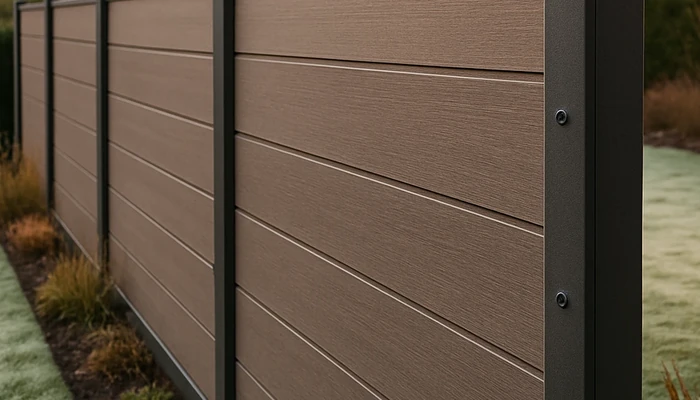
Composite fencing blends recycled wood fibers, plastics, and bonding agents to create boards that look like wood but resist rot, insects, and fading. Unlike pure wood, composites offer:
- Consistent color and appearance—no splitting or graying from sun and rain
- Lower maintenance—no painting, sealing, or staining required
- Longevity—resists warping, splintering, and decay
- Sustainability—uses recycled content in many brands
Because composite boards are manufactured, they’re engineered for straightness and uniformity. Yet, like all building materials, they expand and contract with temperature changes—making correct installation essential, especially in climates with wide seasonal swings.
How Heat and Cold Impact Composite Fencing
Composite materials respond to the environment. In heat, they expand; in cold, they contract. This movement is subtle but, over time, can impact both the look and strength of your fence.
- Expansion in Summer: Direct sun and high temps cause boards to lengthen and slightly widen. Gaps between boards may tighten.
- Contraction in Winter: Freezing air causes composites to shrink, reopening spaces between boards and around posts.
While this is normal and anticipated, improper installation—especially skipped gaps, wrong fasteners, or inflexible supports—can cause boards to press against each other, buckle, or even pop loose.
Weather in Chicago, Illinois: Why It Matters
Homeowners in Chicago, Illinois need to account for temperature differences approaching 100°F between seasons. Winter lows dip below zero, while July and August can bring sweltering heat. Composite fences designed with Midwest climates in mind use expansion gaps, flexible fastening, and reinforced posts to cope with these shifts.
Expansion Basics: Movement and Gapping Explained
Let’s dive into the heart of composite fencing performance: thermal movement. All plastics and most wood-composite blends expand when heated and contract when cooled.
- Expansion Gap: The space left between boards (and between boards and posts) to let material move without stress.
- Typical Range: Manufacturers recommend 1/8 to 1/4 inch per board, depending on length and product type.
Even brand-new fences can look slightly different in winter than in summer; this is a sign of healthy, flexible installation. Shrinkage and expansion can be more obvious in darker colors, which absorb more sunlight.
Comparison Table: Wood vs. Vinyl vs. Composite Thermal Movement
| Material | Typical Expansion/Contraction | Winter Risk | Summer Risk |
|---|---|---|---|
| Wood | Minimal (most swelling from moisture, not heat) | Can dry and crack | May swell/bow with humidity |
| Vinyl | Significant (up to 1/2 inch on 8-foot panels) | Panels can shrink/loosen | Panels can bind/buckle if too tight |
| Composite | Moderate (1/8″–1/4″ per board) | Small gaps expand | Can tighten; risks if no gaps |
Proper gapping ensures composite fencing performs optimally in all seasons. For more detail on how vinyl’s movement compares, see Innovations in Vinyl Fencing.
Choosing the Best Fasteners for Composite Fencing
Not all screws and clips are created equal. For composite fencing, hardware must allow for movement—and withstand both freeze and thaw.
- Stainless steel fasteners: Rust-proof and maintain grip through seasons.
- Hidden fastening systems: Sit in expansion grooves, letting boards move without visible screws.
- Composite-compatible screws: Don’t strip or deform board material, and won’t cause rust stains.
Never use standard deck or wood screws: they can snap, rust, or let boards loosen as the fence moves. Specific fasteners are often required by composite manufacturers—and using unapproved hardware may void warranties.
Spacing and Placement: Best Practices
- Follow manufacturer recommendations (typically 12″–16″ fastener spacing).
- Do not overtighten—allow some give to accommodate expansion.
- Use reinforced posts and rails for longer runs.
For more information about durability with various fence components, you can explore topics like The Future of Fencing: Trends and Innovative Solutions.
Installation Secrets for Long-Term Straightness
Composite boards want to move with the weather—and a well-built fence allows just enough movement to reset itself after every season. To ensure your fence stays straight year after year, installers use:
- Rigid, well-set posts (preferably steel, composite, or pressure-treated wood)
- Precise gapping at every joint and corner
- Support rails/frames rated for extremes
- Check alignment regularly during installation and after settling
Experienced providers also use laser guides or string lines to keep each board perfectly aligned. Over time, a fence that’s not installed with climate in mind may develop visible bowing, wavy lines, or twisting. Straightness depends on both product quality and the skill of your installer.
Spotlight: Real-World Composite Fencing in Chicago
From our experience at Chicagoland Fence Pros, the most common issues we fix come from skipping expansion gaps or using non-stainless fasteners in high-exposure zones. Frozen ground can shift posts, while spring brings swelling. We recommend a post depth below the frost line and double-check all expansion spaces before adding rails and pickets. For more insights on fence durability, see The Future of Fencing: Trends and Innovative Solutions.
Pros and Cons of Composite Fencing in Extreme Climates
- Pros:
- Excellent resistance to moisture, rot, and insects
- Color stays true—no repainting needed
- Generally strong against warping (with proper install)
- Sustainable options available
- Cons:
- Thermal movement requires skillful installation
- Quality varies widely between brands
- Repair may require replacing whole boards
- Needs careful post and fastener selection
If you’re comparing composite with other options (like wood or vinyl), you may also want to consult resources such as Innovations in Vinyl Fencing and Vinyl Fencing in Architectural Projects.
Building Codes, Warranties, and Fencing Standards
Always check Chicago’s building codes, zoning laws, and HOA rules before starting a fence project. Requirements may include setback distances, post depth, maximum height, and approved materials. Many composite fence products offer 15–30 year manufacturer warranties—but only when installed per code and product specs.
The Aluminum Extruders Council (see their position on duty and standards at aec.org) is an example of an industry group advocating for quality and compliance in fencing and related products. While composites are not aluminum, many of the same supply-chain and compliance issues apply to all fencing materials in the region.
Maintenance Realities: Caring for Composite Fences in Midwest Weather
Composite fencing is lower maintenance than wood, but some care is still needed. Here’s what property owners should expect:
- Annual cleaning—wash with mild soap and water to remove grime and prevent mildew.
- Check fasteners in spring/fall—look for movement, looseness, or rust (swap out if needed).
- Spot repairs—replace damaged pickets or rails; composite can’t usually be glued or patched like wood.
- Clear snow and debris from fence bases to avoid shifting and trapped moisture.
With these habits, most composite fences last decades even through tough Chicago winters. For comparison to other low-maintenance fences, check out Innovations in Vinyl Fencing.
Cost Considerations: Composite vs. Other Materials
Composite fencing often costs more upfront than typical wood or chain link but may save money over time with lower maintenance. Keep in mind:
- Installation quality is vital—cheaper isn’t always better.
- Long-term straightness requires proper fasteners and post depth.
- Material grades differ—high-end composites outlast entry-level options.
Always get a detailed estimate and compare it to vinyl, wood, or metal fencing for your property’s specific needs.
When to Call a Professional: Signs You Need Expert Help
If you notice:
- Bowing or wavy fence lines
- Pickets popping out, screws loosening annually
- Major gaps in winter or boards buckling in summer
It’s time to consult a licensed fence contractor with composite experience. The team at Chicagoland Fence Pros can troubleshoot installation, recommend upgrades, and deliver honest assessments if repairs or a full rebuild are needed.
For those exploring perimeter security upgrades, see our commercial fencing solutions.
FAQs: Composite Fencing Performance in Chicago’s Climate
- How often do expansion gaps need to be checked?
Once installed, gaps rarely need adjusting unless the fence is rebuilt or boards are replaced. However, it’s wise to visually check for improper crowding or binding during spring and fall.
- Can composite fences really warp or twist?
Quality composite material, properly installed, rarely warps. Minor movement is normal, but dramatic bending usually points to installation errors.
- Do I need to paint or stain my composite fence?
No. Composite fencing is engineered for colorfastness and UV resistance, so finishes aren’t needed unless desired for aesthetics.
- What’s the average lifespan of a composite fence?
Most brands last 20–30 years with basic care, especially when installed according to manufacturer guidelines and local codes.
- Are there eco-friendly composite options?
Yes! Many major brands use a high percentage of recycled wood and plastics, reducing landfill waste and lowering the carbon footprint.
- How should I choose between composite and vinyl fencing?
Consider climate, desired appearance, budget, and long-term maintenance habits. For more on the advantages of each, see our vinyl fencing guide.
- Will the color fade in the sun?
All outdoor materials fade somewhat, but composites are UV-stabilized to minimize this effect. Lighter colors generally show less fading over time.
- Are permits needed for composite fence installation in Chicago?
Yes, most projects require city or HOA approval. Professional installers ensure all codes are met. Always check before you begin.
- Can I install composite fencing myself?
Some handy homeowners tackle small runs, but for large or exposed properties, hiring a professional ensures correct gapping, alignment, and code compliance.
- What is the best time of year to install composite fencing?
Spring and early summer are ideal in Chicago before temperatures peak or heavy freezes set in, ensuring stable ground and proper board movement from the start.
Summary and Next Steps
Composite fencing offers an excellent balance of beauty, low maintenance, and climate-resistance—when installed with expansion, fasteners, and straightness in mind. Whether replacing an old wood fence or securing a new perimeter, understanding these details gives you an edge as a homeowner or property manager. Ready for a quote or want honest advice? Contact Chicagoland Fence Pros—our knowledgeable team serves the Chicago, Illinois area with tried-and-true fence solutions for every property. For more information about materials and styles, explore topics like future fencing innovations or vinyl fencing trends on our blog.
For custom privacy projects or perimeter upgrades, you can also request an estimate for composite fencing or view options for residential fencing.
About Chicagoland Fence Pros
Chicagoland Fence Pros is a professional fence company with over 15 years installing quality fences in the Chicago, Illinois area. Serving both residential and commercial clients, the team specializes in wood, vinyl, aluminum, steel, and composite fencing solutions. Every project is fully insured and code-compliant, with a focus on durability, security, and clear client education. Chicagoland Fence Pros proudly helps local homeowners and businesses improve privacy, safety, and curb appeal with honest advice and expert workmanship.
fencing companies chicago, composite fences Fence Chicago, composite fence replacement, wood composite fence Niles, composite fence Highland Park, composite fences Lake Bluff, composite fence styles Arlington Heights, composite fence repair Union, composite fence replacement Forest Park, composite fencing Oak Park
