 Skip to content
The Future of Fencing: Trends and Innovative Solutions Guide
Choosing the right fence isn’t just about marking property lines or keeping out unwanted guests—it’s about security, privacy, aesthetics, and long-term value. With so many new materials and technologies emerging, today’s homeowners and property managers face more choices and more questions than ever before. From sustainability to smart fences and evolving design trends, the landscape has changed. In this comprehensive guide to The Future of Fencing: Trends and Innovative Solutions, you’ll learn about what’s driving these changes and how to make the best decisions for your property. As a company with extensive experience in the Chicago, Illinois climate, Chicagoland Fence Pros is here to help you understand your options and set realistic expectations for durability, security, and value.
Why Fencing Matters: Security, Privacy, and Curb Appeal
Fencing has always offered more than a line of defense. Today, it’s a key investment in property aesthetics and functionality. Whether you’re looking to protect children and pets, deter intruders, or boost home value, the right fence can make a big difference. In the Chicago, Illinois area, where weather and zoning codes can be demanding, thoughtful selection is essential. Let’s look at the core reasons property owners invest in fencing:
- Security: Keep intruders out, safeguard children and pets, and provide peace of mind.
- Privacy: Create a secluded backyard or shield windows from nearby neighbors.
- Curb Appeal: Set the tone for your property with materials and styles that complement architecture.
- Compliance: Meet changing building codes and HOA requirements.
Each reason shapes what “the best fence” means for you. Understanding these priorities will help guide your next steps.
Key Trends: The Evolution of Modern Fencing
Fencing technology and design are advancing rapidly, influencing what is possible for homes and businesses alike. Here is a breakdown of the main trends guiding the direction of modern fencing:
- Sustainable Materials: Eco-friendly fences made from recycled or renewable materials.
- Smart Fencing: Security sensors, integrated cameras, and automation features.
- Custom Designs: Personalized solutions that blend performance with aesthetics.
- Durability Enhancements: Treatments and materials designed to last longer and require less care.
- Easy Maintenance: New finishes and construction methods that reduce upkeep.
Let’s examine each in more depth—and see how they’re transforming fence installation and repair.
Sustainable Materials: Fencing with the Future in Mind
Environmental considerations are now central to many fence projects. From bamboo and recycled wood composites to low-VOC finishes and metal products with high recycled content, there are real alternatives to traditional lumber:
- Composite Fencing: Combines wood fibers with recycled plastic for a durable, low-maintenance option.
- Recycled Metal Fencing: Aluminum and steel fences often use a high percentage of recycled content.
- Bamboo: Renewable, strong, and visually stunning—though it may not suit all climates.
- Low-Impact Coatings: New, environmentally friendly stains and sealants extend fence life with less chemical use.
For projects prioritizing sustainability, it’s also essential to consider the environmental certifications and local regulations. Programs like LEED for Communities may impact building decisions, especially for commercial or multi-family properties.
Table: Sustainable Material Comparisons
| Material | Source | Pros | Cons |
|---|---|---|---|
| Composite | Recycled wood/plastic | Long life, low maintenance | Higher upfront cost |
| Aluminum/Steel | Often recycled | Strong, durable, low rust | May require coatings |
| Bamboo | Rapidly renewable | Eco-friendly, unique look | Climate sensitivity, supply issues |
| Traditional Wood | Natural timber | Classic look, repairable | Regular maintenance |
Smart Fencing: Integrating Technology for Safety and Convenience
Home automation is no longer just for the inside of your house. Smart fencing merges traditional barriers with technology for added security and convenience. Features may include:
- Motion-activated cameras or lighting
- Gate automation and remote access control (learn about automatic security gates)
- Perimeter alarms and sensors
- Integration with smart home platforms
Advanced projects can combine physical fencing with digital surveillance, providing real-time alerts and remote monitoring. While these options may cost more up front, they can provide long-term peace of mind—especially for higher-risk or larger properties.
Materials and Aesthetic Innovations: Choices for Every Style and Need
There’s more to fence selection than just wood vs. metal. Modern materials provide a range of colors, textures, and styles, each with its own pros and cons. Some of the leading choices include:
- Vinyl: Long-lasting color, minimal maintenance, adaptable to many looks. For installation details, see our Vinyl Fence Installation page.
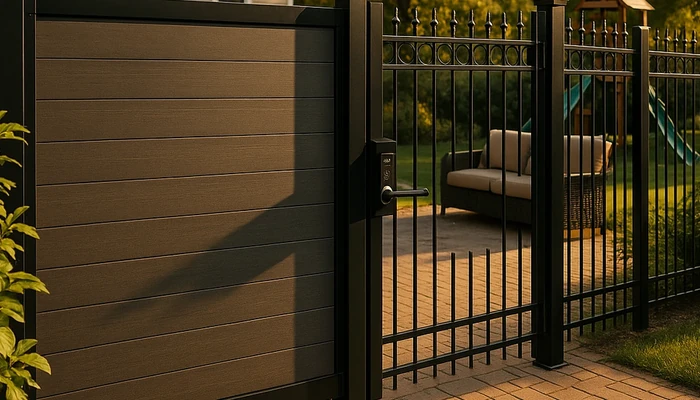
- Composite: Available in forms that mimic wood, stone, or even industrial metals.
- Aluminum: Rust-resistant, lightweight, and allows for custom shapes and colors.
- Steel and Wrought Iron: Classic for security and durability, often chosen for custom railings or decorative gates (Wrought Iron Fencing options).
- Chain Link and Mesh: Evolved beyond the industrial look, they now support coatings and privacy slats for residential use. Read more in our guide Creative Link Fence Designs.
Homeowners in Chicago, Illinois often choose materials based on weather resistance, HOA or municipal codes, and integration with landscaping choices. Consulting with a local expert can help refine what will work best for both climate and design vision.
Cost and Value Considerations: Balancing Investment and Longevity
Costs depend heavily on material, labor, project size, and local building requirements. Here’s what to keep in mind:
- Material Costs: Vinyl and composite usually have higher up-front costs than wood but last longer and require less upkeep.
- Installation: Professional installation can prevent costly mistakes, especially in challenging climates like Chicago.
- Maintenance: Lower-maintenance materials may save money over the long term even if they cost more at first.
- Value Add: The right fence can increase property value and enhance curb appeal (increase property value with fencing).
It’s wise to compare not just price per foot but total cost of ownership over 10–20 years. To drill deeper into costs and budgeting, check our resource: Evaluating Fencing Installation Costs.
Building Codes and Regulations: Staying Compliant
Every municipality, including Chicago, has fencing regulations covering height, materials, setbacks, and sometimes color or style. Before breaking ground:
- Contact your local building department or HOA for current fence codes.
- Obtain permits as required—unpermitted work may face fines or require removal.
- Consider how fence height and transparency may affect neighbors.
If your project is part of a LEED or other certified development, reference standards like those outlined by the LEED for Communities program for sustainable and responsible construction best practices.
Maintenance, Repair, and Longevity: Keeping Your Fence Strong
No fence is completely maintenance-free, but innovative materials and construction do reduce time and effort. Key maintenance tips include:
- Inspect your fence annually for loose hardware and damaged sections
- Clean surfaces with mild soap or specialized cleaning products—avoid harsh chemicals
- Apply protective finishes as needed (especially for wood)
- Trim vegetation to prevent moisture and pest issues
Weather extremes in the Midwest, such as freeze-thaw cycles, can take a toll. For more maintenance tips and what to expect year to year, visit our hub: Preventive Maintenance for Wire Fences.
Future Innovations: What’s Coming Next?
The fencing industry continues to evolve with trends like:
- Perimeter Analytics: Using sensors and real-time data for security and wildlife management.
- Modular Systems: Fences assembled from prefabricated panels for quick changes or repairs.
- Biophilic Design: Integrating living elements into and around fence structures.
- Advanced Coatings: Nanotechnology improving durability and reducing maintenance further.
Organizations like AMPP (formerly NACE International) are at the forefront of researching protective coatings and corrosion-resistant fencing solutions.
Comparison Table: Fence Material Overview
| Fence Type | Durability | Maintenance Needs | Security | Cost | Aesthetic Flexibility |
|---|---|---|---|---|---|
| Wood | Medium | High | Medium | $$ | High |
| Vinyl | High | Low | Medium | $$$ | Medium |
| Composite | Very High | Low | Medium | $$$$ | Medium |
| Steel/Wrought Iron | Very High | Medium | High | $$$$ | Low |
| Chain Link | High | Low | Medium | $ | Low |
Frequently Asked Questions: The Future of Fencing
What are the most sustainable fencing materials?
Composite, recycled aluminum, and bamboo are popular sustainable choices—each offering durability with a lower environmental impact. Always check for locally available, certified products and consider the total lifecycle before deciding.
Are smart fences worth the investment?
Smart fences enhance security with features like cameras, alarms, and remote-controlled gates. They’re especially worthwhile on properties needing high security or for those already invested in smart home systems.
How do building codes affect my fence project?
Codes dictate height, location, and sometimes material. Violations can result in fines or forced removal. Always check with your city or HOA before installation and review building standards, such as those set by the USGBC.
What fences require the least maintenance?
Vinyl, aluminum, and composite fences are known for minimal upkeep, resisting rot and fading better than untreated wood. However, all types benefit from occasional inspection and cleaning.
How long should a new fence last?
With quality materials and installation, modern fences can last 20–40 years or more for aluminum and vinyl, 20+ for composite, and 10–20 years for well-maintained wood—even with Chicago winters.
Can I combine different fencing types on my property?
Many homeowners mix materials for function and aesthetics—for example, privacy fencing near patios with chain link around a larger perimeter. Ensure transitions meet codes and look cohesive.
What’s the best way to protect my fence from Chicago’s weather?
Choose weather-resistant materials and finishes, perform regular inspections, and address damage quickly. Deep posts below the frost line and quality coatings are especially important in cold climates.
Is it worth automating my gate?
Automated gates increase convenience and security. They’re especially valuable for commercial sites and properties where access must be easily managed.
How important is professional installation?
Correct installation ensures longevity, safety, and compliance with codes. Mistakes can be costly to fix. Working with experienced companies like Chicagoland Fence Pros is a wise step for most property owners.
Should I replace or repair an old fence?
If your fence is structurally sound, repairs often make sense. However, extensive damage, rot, or code violations may justify replacement with a modern, longer-lasting material.
Final Thoughts: Choosing the Right Fence for a Better Tomorrow
The future of fencing brings exciting opportunities—greater security, eco-friendlier materials, and innovative design. With the right preparation and expert advice, your next fence can improve privacy, add value, and last for decades in Chicago’s challenging climate. When in doubt, seek local guidance and check regulations.
If you’re ready to start your fencing project, you can contact Chicagoland Fence Pros for honest advice and a clear quote, or learn more about residential fencing options. Let’s secure and beautify your property—together.
About Chicagoland Fence Pros
Chicagoland Fence Pros has over 15 years of experience installing and repairing all types of fences—from wood, vinyl, and aluminum to custom steel and composite solutions—for homes and businesses in Chicago, Illinois and nearby suburbs. Fully licensed and insured, we’re committed to code compliance, durability, and exceptional customer service. Our knowledgeable team provides honest advice, clear estimates, and high-quality workmanship tailored to Chicago’s unique climate and regulations.
fence company near chicago, dog fence chicago, garden fence chicago, home fence Union, privacy residential fence Batavia, dog fence St Charles, residential backyard fence Evanston, dog fence Lake Zurich, garden fence Glencoe, residential fences Rockford IL
