 Skip to content
Aspects To Consider In The Installation Of Bollards: A Complete Guide
Making decisions about perimeter security and property management can be challenging, especially when it comes to features like bollards. Whether you are looking to enhance pedestrian safety, prevent unauthorized vehicle access, or improve the aesthetics of your property, understanding the aspects to consider in the installation of bollards is crucial. The right approach balances security, compliance, design, and longevity—achieving all without overspending or neglecting important local codes. This comprehensive guide will walk Chicago homeowners and property managers through the most important bollard installation factors, common trade-offs, everyday challenges, and practical tips for both planning and maintenance. By the end, you’ll be equipped with realistic expectations and straightforward recommendations backed by the expertise of Chicagoland Fence Pros.
Understanding Bollards: Definition and Purpose
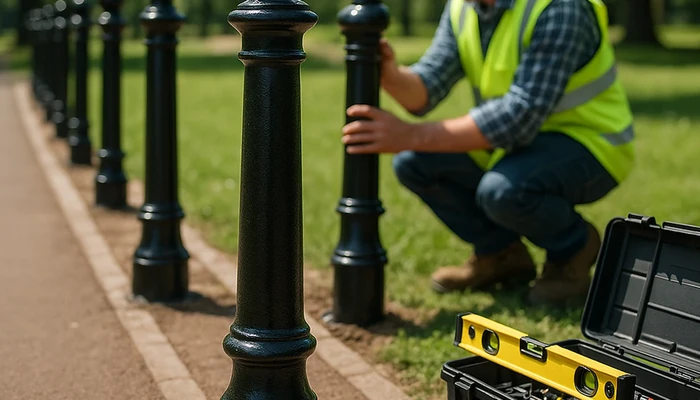
Bollards are sturdy, vertical posts installed to manage vehicular and pedestrian traffic, protect property, and increase safety. Originally created for mooring ships, today’s bollards are essential urban, commercial, and residential features. Their utility extends from traffic flow control and perimeter protection to urban beautification and access management.
- Traffic management: Protecting pedestrians and restrict vehicle entry in sensitive areas.
- Asset protection: Preventing ram-raiding or accidental damage to storefronts and infrastructure.
- Visual guidance: Defining boundaries for roads, parks, or bike lanes.
- Decorative impact: Enhancing curb appeal and blending functional needs with architectural style.
Main Types of Bollards
Understanding the different types of bollards is an important step toward making the right selection for your project. The most common types include:
| Bollard Type | Key Uses | Typical Materials |
|---|---|---|
| Fixed (Embedded) | Permanent property perimeter, storefronts, streetscapes | Iron, steel, concrete |
| Removable | Temporary access control (events, loading zones) | Iron, steel, composite |
| Automatic/Retractable | High-security facilities, flexible vehicle management | Steel, reinforced composites |
| Surface Mounted | Light-duty demarcation, parking lots | Plastic, steel, iron |
| Decorative | Landscaping, architectural appeal | Cast iron, stainless steel, aluminum |
Key Installation Considerations
Selecting and installing bollards requires attention to several critical aspects to ensure effectiveness, compliance, and durability. Let’s break down the most important factors to consider.
1. Site Assessment and Planning
Every property is different—urban sidewalks, driveways, loading zones, and commercial spaces all present unique sets of challenges. A thorough site assessment ensures optimal functionality and minimal disruption. Key elements to review include:
- Traffic patterns and volumes
- Soil type and condition
- Underground utilities
- Emergency vehicle access requirements
- Visibility and lighting (especially in Chicago’s winters)
2. Compliance with Local Codes
The City of Chicago, Illinois, and many suburban communities enforce robust guidelines for safety, right-of-way, and accessibility. Always check:
- The Americans with Disabilities Act (ADA) spacing requirements
- Fire code regulations for egress and emergency access
- Municipal permits and historic preservation rules
- HOA or business district design standards
Consult official city sources and public space guidelines for up-to-date requirements. Non-compliance can result in fines or required rework.
3. Material Selection
The material you choose impacts performance, appearance, and maintenance needs. Common choices:
- Iron and Steel: Durable, strong, and available in decorative finishes. Good for security in harsh Chicago climates. See our guide to strength and durability in iron bollard installation.
- Stainless Steel: Corrosion-resistant but higher upfront cost. Popular for modern commercial properties.
- Concrete: Cost-effective and strong but usually less decorative.
- Composite/Plastic: Low maintenance but best for low-impact areas.
4. Aesthetic and Site Integration
Bollards should complement your property’s look while serving their intended function. Consider finishes, caps, and colors to match nearby fences, railings, or building facades. In green spaces or decorative environments, consult examples in incorporating iron bollards in green spaces.
5. Maintenance Requirements
Each material and finish requires a unique approach to care—especially in an area with heavy snowfall and winter salting, like Chicago. Iron and steel should be inspected periodically for rust; painted options need resurfacing over time. For practical tips, read our article on how to extend the life of iron bollards.
6. Security and Impact Resistance
Ask yourself: Is the main goal to stop vehicles, simply guide pedestrians, or both? High-security bollards (often tested for crash ratings) need deeper foundations and stronger materials, while lower-risk sites may allow lighter-duty options. Soft landscaping or raised planters can also play a role in layered protection.
7. Accessibility and Safety
Bollards should improve safety—not create hazards. Correct spacing helps the mobility-impaired, strollers, and cyclists. Ensure:
- Consistent placing (minimum 36″ gap for ADA compliance)
- Visibility—reflective strips, contrasting colors, or lighting for nighttime
- Rounded or sloped tops to reduce snag and injury risk
Common Installation Mistakes (and How to Avoid Them)
- Inadequate planning: Failing to map utilities, traffic, or emergency routes.
- Poor anchoring/foundations: Shallow footings reduce effectiveness and longevity.
- Ignoring local codes: Leading to costly rework or safety issues.
- Cheap or inappropriate materials: Fast corrosion or breakage in demanding weather.
- Lack of routine maintenance: Shortened lifespan due to unchecked rust, ice, or paint failure.
For a detailed, illustrated checklist on best practices, explore steps for efficient iron bollard installation.
Material Comparison Table: Pros and Cons
| Material | Pros | Cons |
|---|---|---|
| Iron/Steel | High strength, customizable, long-term value | Prone to rust if not maintained, heavy |
| Stainless Steel | Rust-resistant, modern look | Higher cost, can show smudges |
| Concrete | Durable, low-cost, heavy-duty | Usually less attractive, hard to modify |
| Composite | Low maintenance, lightweight | Lower impact resistance, may fade over time |
| Plastic | Economical, easy install, visible | Not suitable for high-security roles |
Cost Factors and Budgeting for Bollard Installation
Costs vary based on bollard type, material, foundation requirements, and finish. To budget realistically:
- Account for permitting and inspection fees
- Include labor for proper excavation and concrete setting
- Plan for future maintenance or repairs
From experience in Chicago, Illinois, basic decorative bollards may start around $250–$400 each, installed, while crash-rated bollards or those with advanced finishes/automation can run $1,200 and up. Always request a clear, written quote.
Maintenance: Longevity and Care
Maintenance is crucial for getting the most out of your investment. Recommendations include:
- Annual inspections for rust, shifting, or paint damage
- Timely touch-ups to paint or powder coating
- Clearing debris and ice, especially after storms
- Professional repairs if a bollard becomes loose or is hit
For more, see our insights on care of outdoor iron bollards.
Bollard Installation in Different Environments
Residential
Common uses include protecting driveways, outlining gardens, or separating pedestrian spaces from cars. Choose designs that blend with landscaping. HOA requirements may apply—always check before starting.
Commercial
Businesses often need higher-impact resistance (against ram-raiding). Bright finishes or branded colors are popular. For high-traffic locations, select crash-tested or automatic options.
Public Spaces and Sports Venues
Safety and crowd flow become central. Review lessons from efficient bollard installation at stadiums and sports venues. Consider durable construction and accessible placement to avoid disruptions in busy pedestrian areas.
Green Spaces
Blending functionality and beauty is possible: see how iron bollards boost green urban spaces for strategies using plantings and decorative features.
Integrating Bollards with Fences, Gates, and Railings
Bollards complement the total perimeter security solution. When installed with fencing, consider lines of sight, maintenance access, and matching finishes. For more ideas, browse:
- Iron bollards for Chicago installations
- Automatic security gates
- Iron railings for property boundaries
Sustainability and Environmental Impact
Demand is growing for eco-friendly, recyclable, and long-lasting materials. Iron and steel are among the most recyclable construction elements. Review sustainability of iron bollards in construction to see how greener options may reduce lifecycle costs and environmental impact.
For industry trends and standards, external organizations such as the AEC provide updates on manufacturing and sourcing best practices.
When to Call a Professional Installer
DIY bollard installation can be risky—improper setting leads to safety hazards, poor lifespan, or compliance failures. Call experts when:
- Heavy-duty, high-security, or crash-rated bollards are required
- Excavation near utilities or drainage is involved
- Permitting and inspection are complex
A professional contractor, like Chicagoland Fence Pros, brings experience with Chicago’s climate and building codes, ensuring a smooth process from assessment to final inspection. Contact Chicagoland Fence Pros for advice or to request a clear, no-obligation quote.
Frequently Asked Questions (FAQ) About Bollard Installation
- Do I need a permit to install bollards on my property?
Most bollard installations, especially those near public sidewalks or streets, require municipal permits. Consult your local building department in Chicago or suburban communities for details before starting work.
- How deep should bollards be installed?
Depth depends on bollard type and security needs; typical embedded bollards are set at least 18–48 inches deep in concrete. High-security models may require reinforced foundations specified by crash-ratings.
- What is the recommended spacing between bollards?
To meet safety and accessibility guidelines (such as ADA), space bollards at least 36–48 inches apart, center-to-center. Always confirm site-specific requirements.
- How do I choose between fixed, removable, and automatic bollards?
Fixed bollards deliver permanent security. Removable and automatic models are best when occasional vehicle access or flexible protection is needed. Consider operational needs and budget.
- What are the main maintenance tasks for iron bollards?
Inspect annually for rust, impact damage, or peeling paint. Clean as needed. Spot-treat rust and repaint as required, especially in salted winter conditions.
- Can bollards be installed with existing fences or gates?
Yes. They can add layered security or demarcate access points. It is best to coordinate installation for consistent design and proper spacing.
- How much do bollards cost to install in Chicago?
Installed costs generally range from $250–$400 each for decorative/standard bollards and $1,200+ for crash-rated models. Price varies by material, finish, and complexity.
- Are there eco-friendly bollard materials available?
Yes. Iron and steel are recyclable, and some plastic/composite options use recycled material. Look for certified sourcing and manufacturing practices for sustainability.
- How do I handle snow clearance around bollards?
Use plastic shovels or snow blowers on low settings to avoid damaging paint. Remove road salt deposits periodically to prevent corrosion.
- Where can I learn more about code-compliant bollard installation?
Review city and state building codes, ADA guidelines, and industry resources like the Project for Public Spaces for best practices.
Conclusion: Successful Bollard Installation for Lasting Value
Investing in the right bollards is about more than picking a post—you’re securing people, property, and peace of mind. By exploring the full range of aspects to consider in the installation of bollards, you boost your project’s success and avoid costly surprises. From practical site planning to material selection, local codes to ongoing maintenance, informed choices make all the difference. For tailored recommendations and expert service in the Chicago area, request a fence estimate or talk to our specialists at Chicagoland Fence Pros today.
This guide is for educational purposes. For site-specific advice, always consult a licensed installer or fence contractor familiar with local codes and environmental conditions.
About Chicagoland Fence Pros
Chicagoland Fence Pros brings over 15 years of experience installing fences and perimeter security solutions in Chicago, Illinois and nearby communities. Our dedicated team specializes in all types of fencing—including iron, wood, vinyl, aluminum, and composite—for both residential and commercial properties. We pride ourselves on clear education, honest estimates, and code-compliant installations customized to your needs. Fully insured, we focus on safety, durability, and customer satisfaction at every step.
fence company chicago, protective bollards chicago, steel bollards, protective bollards Marengo, storefront bollards Lockport, security bollards Rogers Park, steel bollards Winfield, steel bollards Lake Bluff, security bollards Fox Lake, security bollards Lincolnshire
