 Skip to content
Sustainability of Iron Bollards in Construction: What Homeowners and Property Managers Need to Know
As the drive for sustainable materials in urban and residential construction grows stronger, many homeowners and property managers are asking: Are iron bollards a sustainable choice for building secure, attractive boundaries? The sustainability of iron bollards in construction is more than a simple material choice—it’s about balancing eco-friendly manufacturing, longevity, and end-of-life recycling with safety and aesthetics. In this expert guide, we’ll untangle the facts about iron bollards: how they’re made, their impact on the environment, pros and cons compared to other options, and what you should expect for installation and care. Drawing from years of experience at Chicagoland Fence Pros, we’ll also touch on local considerations for Chicago, Illinois properties, ensuring you’re equipped to make responsible, informed decisions about security and sustainability.
Understanding Iron Bollards and Their Uses
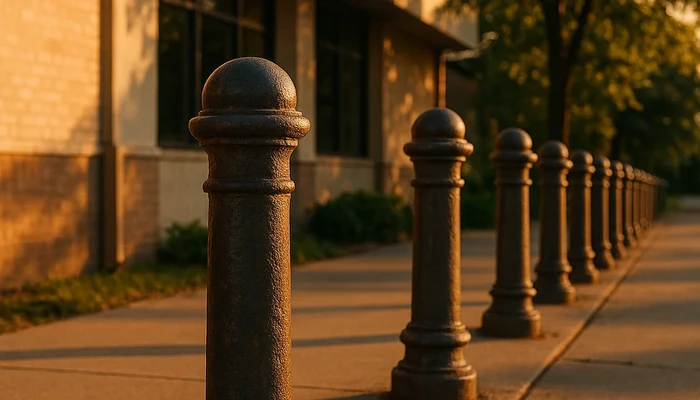
Iron bollards are robust, vertical posts typically installed in the ground to block vehicle access, direct pedestrian flow, and protect property or infrastructure. Used for both security and aesthetics, they’re seen around parking lots, building entrances, parks, and commercial zones. Their core strength lies in impact resistance and long-term durability—attributes especially appreciated in areas with harsh weather like Chicago, Illinois.
Common Applications for Iron Bollards
- Parking lot and garage perimeter marking
- Protecting storefronts and glass entryways
- Enhancing pedestrian safety at crossings and walkways
- Defining boundaries in parks, plazas, and campuses
- Integrating in landscape design as visual elements
What Does Sustainability Mean in Construction?
Sustainability in construction is about minimizing environmental impact through smart material selection, responsible manufacturing, and recyclable outcomes. Iron, one of the world’s most recycled materials, fits well in these criteria. But choosing sustainable iron bollards involves more than picking recycled content: it’s about total life cycle, maintenance, and thoughtful placement.
How Iron Bollards Contribute to Sustainability
1. Material Efficiency and Recyclability
Iron is renowned for its recyclability, with many bollards manufactured from recycled steel or iron content. The fabrication and finishing processes have advanced in recent years, utilizing durable coatings to extend bollard life and reduce maintenance needs. End-of-life recycling remains a major advantage: most iron bollards can be fully processed and repurposed for new construction materials.
| Feature | Iron Bollards | Alternative (Concrete, Plastic) |
|---|---|---|
| Recyclability | Highly recyclable, often made from recycled content | Concrete: recyclable but energy-intensive Plastic: recyclable but often landfilled |
| Lifespan | Typically 25–60 years with proper care | Concrete: 10–30 years Plastic: 5–15 years |
| Maintenance | Periodic painting/coating, minimal repairs | Concrete: spalling/cracking Plastic: fading, warping, not repairable |
| Embodied Energy | Moderate to high | Concrete: high Plastic: varies, sometimes high |
2. Durability and Long Service Life
Because iron bollards are designed for durability, they often outlast concrete or plastic alternatives. Over their lifetime, iron bollards require fewer replacements, conserving resources and reducing waste. In Chicago, Illinois, their resistance to impacts, freeze-thaw cycling, and heavy snow is an important factor for safety and longevity.
3. Environmental Design and Urban Greening
Integrating bollards into green urban spaces—such as parks or pedestrian plazas—not only boosts safety but supports sustainable mobility and landscaping. Strategic placement of iron bollards can also promote biodiversity, prevent vehicle encroachment into plantings, and protect trees or bioswales. For more detail on how bollards revitalize green urban spaces, see this guide to iron bollards and green city design.
Sourcing, Manufacturing, and Codes: What to Know
Sustainable Sourcing
Seek manufacturers who use high recycled iron or steel content and eco-friendly finishing. The American Galvanizers Association, featured at Galvanize It Market Study, details the benefits of hot-dip galvanizing, which extends lifespan and minimizes environmental impact by reducing the need for frequent replacements or repainting.
Adherence to Building Codes
Every city maintains safety, spacing, and materials standards for perimeter security. Homeowners and property managers in Chicago, Illinois should consult local building codes before selecting or installing iron bollards. For an in-depth look at regulatory and site-planning considerations, see aspects to consider in the installation of bollards and the ArchDaily resource for sustainable design case studies.
Iron Bollard Maintenance: Keeping Bollards Green
The environmental benefits of iron bollards depend on regular care:
- Apply protective coatings or galvanization to prevent rust
- Inspect periodically for corrosion or physical damage
- Promptly repair coating flaws to maximize service life
- Choose powder-coated or treated finishes to reduce repainting frequency
A well-maintained iron bollard will endure through Chicago’s winters and require fewer emissions-heavy repairs over its lifespan. For detailed maintenance tips, see care of outdoor iron bollards and most common problems of iron bollards.
Comparing Iron Bollards with Other Security Solutions
| Feature | Iron Bollards | Concrete Bollards | Plastic Bollards |
|---|---|---|---|
| Eco-friendliness | High, if recycled and well maintained | Moderate | Low to moderate |
| Cost (Installed) | Moderate to high initial, low lifecycle | Low to moderate | Low |
| Lifespan | 25–60 years | 10–30 years | 5–15 years |
| Recyclability | Excellent | Recyclable, but rarely re-used | Varies by plastic type |
| Aesthetic Flexibility | High (various colors/shapes/topper options) | Limited (can be painted) | Medium (colors, but may fade) |
Design, Style, and Urban Integration
Iron bollards are not just utilitarian. Their appearance can complement historic architecture, modern plazas, or public parks with both classic and contemporary designs. For inspiration, see decorative styles of iron bollards and how they’re used in green spaces.
Installation Factors: Getting Sustainability Right
Proper installation is key to the sustainability of iron bollards. Thoughtful placement reduces the risk of vehicle impact, maximizes pedestrian safety, and avoids future rework. To get the highest environmental benefit, coordinate with an experienced, code-compliant installer and specify recycled-content bollards where possible. For a step-by-step look at installation, visit efficient iron bollard installation steps and tips for selecting an ideal contractor.
Looking for a secure, sustainable boundary for your property? Request an iron bollard installation estimate or contact the experts at Chicagoland Fence Pros to discuss options for your Chicago-area home or business.
FAQs: Sustainability of Iron Bollards in Construction
What makes iron bollards environmentally friendly?
Iron is among the most recycled materials. Modern iron bollards often use recycled content, and at the end of their life can be fully recycled. Durable coatings and smart design also minimize maintenance and waste over time.
How long do iron bollards last?
Properly installed and maintained iron bollards can last decades, often 25-60 years depending on exposure to the elements and impacts. Regular inspection and touch-up painting further extend their life.
Are iron bollards better than concrete or plastic?
In terms of sustainability, iron bollards usually outshine plastic (due to recyclability and durability) and are comparable or superior to concrete in lifespan and end-of-life recycling ease.
What’s involved in maintaining iron bollards?
Routine cleaning, inspection for rust or damage, and occasional repainting or recoating. Well-maintained iron bollards stay both attractive and eco-friendly over time. For tips, visit this maintenance guide.
Can iron bollards be used in green urban spaces?
Absolutely. When placed thoughtfully, iron bollards can enhance safety, protect landscaping, and complement sustainable urban design. For more, see this article on iron bollards in green spaces.
How do I choose the right iron bollard for my needs?
Consider projected lifespan, local codes, visual style, and environmental certifications. For deeper guidance, review the advantages of iron bollards and material innovation guides.
Who should install iron bollards?
Choose professional, experienced contractors who are familiar with Chicago building codes and sustainability best practices. Look for service providers such as Chicagoland Fence Pros.
How does Chicago’s climate affect iron bollards?
Snow, salt, and temperature swings mean you should specify durable, protected finishes and schedule regular inspections—one reason why experience in the Midwest climate matters for fence contractors.
What kind of coatings add to sustainability?
Galvanized and powder-coated finishes significantly boost lifespan and lower long-term environmental impact compared to unprotected iron. Read more in Galvanize It Market resources.
How do iron bollards support neighborhood security?
They are proven physical and visual deterrents against vehicle intrusion, enabling safer pedestrian zones and discouraging vandalism or accidental damage. Learn about integrating bollards in urban design from ArchDaily.
Final Thoughts: Building for a Greener, Safer Future
Iron bollards bring sustainable strength, beauty, and protection to neighborhoods and commercial spaces across the Chicago, Illinois area. Through recycled materials, careful maintenance, and thoughtful design, they offer a greener path to security and lasting value. Want to explore sustainable fencing or security upgrades? Talk to the Chicagoland Fence Pros team for honest advice tailored to your site and budget. For those researching alternatives, see our vinyl fence and wood fence options.
About Chicagoland Fence Pros
Chicagoland Fence Pros has over 15 years of experience helping homeowners and businesses in Chicago, Illinois and nearby communities improve security, privacy, and curb appeal. Specializing in residential and commercial fences—including iron, wood, vinyl, aluminum, and steel—the team emphasizes code compliance, transparent advice, and long-term durability. Licensed and insured, Chicagoland Fence Pros guides each client through material selection, maintenance, and safe, sustainable installations that stand up to Midwest weather and local building standards.
chicago fence contractor, protective bollards chicago, bollard repair, bollard repair Winnetka, replace bollards Spring Grove, storefront bollards Round Lake Beach, storefront bollards Wheaton, bollards Morton Grove, replace bollards Ranch Triangle, replace bollards Wood Dale
