 Skip to content
Detailed Instructions for Mesh Fences: A Complete Guide
Choosing the right fence for your property can be overwhelming—especially when facing options like mesh, wood, or metal. Mesh fences stand out for their balance of cost, security, and versatility, making them a strong choice for both homeowners and property managers. But even with their popularity, many people are uncertain about the real-world steps involved in selecting, installing, and caring for mesh fences.
This guide delivers detailed instructions for mesh fences, designed to demystify the process from start to finish. We’ll explain how to plan your project, what materials to consider, each step of the installation, essential safety and code points, and the practical trade-offs involved. By the end, you’ll have a clear, actionable roadmap to help you make the right choice for lasting security and curb appeal. Chicagoland Fence Pros shares insights based on years of experience in the Chicago, Illinois climate, ensuring reliable, practical advice every step of the way.
Understanding Mesh Fences: Purpose and Types
Mesh fences, often referred to as chain link or wire mesh fences, are constructed from woven metal wires or synthetic materials forming a net-like barrier. Their key purpose is to secure property perimeters, define boundaries, keep pets and children safe, and maintain clear visibility.
- Chain Link Mesh: Made from galvanized or coated steel wire, ideal for residential, commercial, or recreational properties.
- Welded Wire Mesh: Formed by welding intersecting wires, usually with larger, more rigid panels for enhanced durability.
- Plastic/Polymer Mesh: Lightweight and rust-resistant, commonly used for gardens and temporary fencing.
- Decorative Mesh Fencing: Includes colored coatings, custom patterns, or integrated slats for enhanced privacy and style.
Mesh fences are praised for their blend of security, affordability, and relatively simple installation compared to solid panel fencing. To explore aesthetics further, see our Modern Aesthetics in Mesh Fences guide.
Planning Your Mesh Fence Project
Before breaking ground, it’s crucial to develop a clear plan. Consider the following:
- Purpose: Are you prioritizing security, aesthetics, or pet containment?
- Property Boundaries: Check official surveys and discuss shared fences with neighbors.
- Local Codes & Compliance: In Chicago, Illinois, most fences require permits and adherence to zoning and height restrictions. Always check local rules or contact authorities for updated ordinances. For technical fence standards, reference industry resources like ASTM Technical Reports.
- Budget: Include product, labor, tools, and long-term care.
- Climate Factors: Chicago’s climate demands durable, rust-resistant materials and secure frost-line post depths.
- Utility Location: Call 811 to locate underground lines before digging.
Well-planned projects save time, reduce neighbor disputes, and set you up for lasting results. If you want to compare fence material options by climate, read Choosing the Best Fence Materials Based on Climate.
Materials and Tools: What You’ll Need
Gathering the right materials is half the battle to a successful installation. Here’s a typical checklist for a standard chain link mesh fence project:
- Mesh fencing (galvanized or coated chain link, or welded mesh rolls/panels)
- Fence posts (steel, powder-coated, or pressure-treated for ground contact)
- Top rail and braces
- Post caps and tension bands
- Gate kits (if adding a gate)
- Concrete or gravel (for post setting)
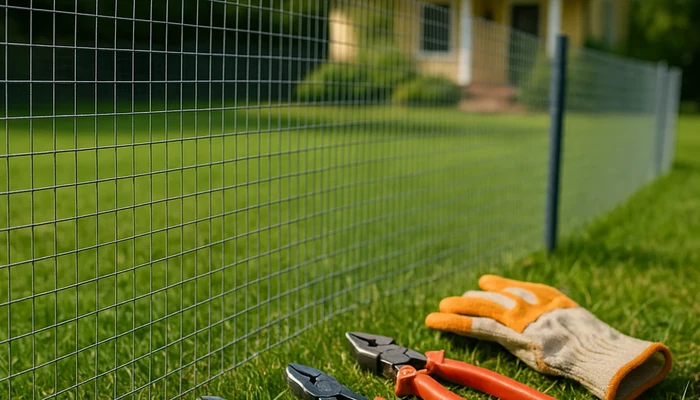
- Wire ties, tension bars, and tools (pliers, post hole digger, level, tape measure, wrench)
- Protective gloves and safety gear
Pro tip: Always buy 10% extra material to account for errors and material overlaps.
Step-by-Step Installation Process
1. Measuring and Marking
Accurately measure your fence line, mark all corners, ends, and gate locations with stakes, and stretch a string between them. Measure lengths twice to avoid material shortages.
2. Setting the Posts
- Dig post holes to local code depth (Chicago typically requires 30–36″ deep, below frost line).
- Set terminal (corner/end/gate) posts first—make sure they’re plumb and square.
- Fill the holes with concrete (or gravel for temporary fences), and check alignment as you set each post.
- Allow concrete to cure (at least 24 hours, weather dependent).
3. Attaching Rails and Fittings
- Connect top rails between posts.
- Add post caps and attach tension bands to terminal posts.
- Slide tension bars into mesh rolls and secure with bands.
4. Hanging the Mesh
- Unroll mesh fencing along the outside of the posts.
- Attach one end to a terminal post and pull taut toward opposite end using a come-along or fence puller.
- Secure mesh to line posts with wire ties every 12–24″.
5. Gate Installation
- Follow the manufacturer’s instructions for latching and hinging gate panels.
- Double-check alignment and swing direction before tightening bolts.
6. Clean-Up and Inspection
- Trim excess mesh and check all connections.
- Walk the fence line for gaps, loose ties, or trip hazards.
- Finish with a full inspection—make sure nothing violates local codes or HOA requirements.
For advanced DIYers, see Effective Methods to Install Wire Mesh Fences for more nuanced approaches.
Comparing Mesh Fence Materials: Pros and Cons
| Material Type | Pros | Cons | Best Uses |
|---|---|---|---|
| Galvanized Steel Chain Link | Durable, affordable, easy to install | Silver color, less privacy | Yards, playgrounds, commercial lots |
| Coated Chain Link (Vinyl/PVC) | Weather-resistant, color options, softer touch | Higher cost than plain galvanized | Backyards, schools, dog runs |
| Welded Wire Panels | Strong, modern look, more rigid | Less flexible for uneven terrain | Security, gardens, industrial uses |
| Plastic/Polymer Mesh | Lightweight, rust-free, easy to move | Less secure/long-lasting | Temporary fencing, gardens |
Maintenance and Long-Term Durability
Mesh fences require minimal maintenance, but regular checks extend their lifespan.
- Annual Inspection: Look for rust, loose ties, broken wires, or leaning posts.
- Rust Prevention: Apply protective coatings or touch-ups as needed, especially after severe Chicago winters.
- Vegetation Management: Trim grasses and vines to prevent damage and maintain visibility.
- Hardware Tightening: Check and re-tighten bolts or bands each spring.
- Post Replacement: If a post is severely bent or corroded, replace it promptly.
For a deeper dive into mesh fence care, read Preventive Maintenance for Wire Fences.
For more on longevity, explore Durable Wire Mesh Fencing.
Mesh Fence Safety, Security, and Aesthetic Options
Increasing Security
- Choose taller mesh (6 ft+), especially for commercial or pool areas.
- Add bottom rails or tension wires to prevent push-up.
- Consider privacy slats or security mesh to reduce climbability.
- Regularly check gates and latches for proper function.
Learn more about fence security in our Ultimate Security Wire Mesh Fence post.
Aesthetic Enhancements
- Colored vinyl coatings blend with landscaping.
- Decorative post caps and custom gates add curb appeal.
- Use mesh panels as trellises for vines (just keep wires clear for maintenance).
- For design inspiration, see Creative Wire Mesh Fence Designs.
Homeowners in Chicago, Illinois often install mesh fences for both function and visual appeal—balancing security and budget with code compliance and neighborhood standards.
Cost Overview and Installation Trade-Offs
Mesh fence costs depend on height, material, length, and gate choices. As a ballpark:
- 4–6 ft standard chain link: $12–$25 per linear foot installed
- Vinyl-coated/fancier colors: $18–$35 per linear foot
- Welded mesh panels: $35+ per linear foot
Factors influencing costs include:
- Complex layouts (angles, slopes, multiple gates)
- Soil conditions (hard clay, rocks, or roots)
- Permit/inspection fees
- Removal of old fencing
Tip: Labor is often 40–60% of the total project. DIY installation can save, but always use safe construction methods and check codes. If you’re budgeting for a fence replacement or new installation, review Evaluating Fencing Installation Costs for a detailed breakdown.
Mesh Fences and Local Building Codes
Every city has unique rules. In Chicago, key points include:
- Maximum fence heights (usually 6 ft in backyards, lower in front yards)
- Permit requirement for new fences or major repairs
- Setbacks and proximity to sidewalks, alleys, or neighboring properties
Always consult your local code office before starting, or see Navigating Local Fence Regulations for more help. For technical standards, ASTM publishes fence construction and safety guidelines (see details).
Common Mistakes and Troubleshooting Mesh Fence Projects
- Skipping Property Surveys: Always confirm boundaries to avoid disputes.
- Ignoring Frost Line Depth: Posts not set deep enough can heave or lean in winter.
- Underestimating Material Needs: Always buy extra for corners or curves.
- Improper Tension: Mesh too loose will sag; too tight may warp posts.
- Not Checking Code Compliance: Permits, inspections, and setbacks are essential for avoiding fines in Chicago, Illinois.
If unsure, it’s wise to contact Chicagoland Fence Pros for a review or project assessment. For a full process checklist, visit Process to Ensure a Successful and Long-Lasting Installation.
Mesh Fences for Different Properties and Use Cases
Residential Applications
- Enclosures for children and pets (Are Chain Fences Safe For Pets?)
- Boundary definition with neighbor-friendly visibility
- Integrated privacy slats for urban lots
Commercial and Industrial Uses
- Security barriers for lots, warehouses, or utilities
- Pool code compliance
- Temporary event barriers
For more on safety-specific applications, see Ensuring Child and Pet Safety. For higher security, learn about Ultimate Security with Wire Panels.
Frequently Asked Questions About Mesh Fences
- How long do mesh fences last in Chicago’s climate?
With galvanized or vinyl-coated steel and proper maintenance, mesh fences can last 20+ years—even through harsh winters.
- Do I need a permit to install a mesh fence in Chicago, Illinois?
Yes, most new or major fence projects require a permit. Always check with city authorities before you start.
- Can I install a mesh fence myself?
Mesh fences are DIY-friendly for basic projects, but professional installation is recommended for challenging terrain, high fences, or pool/security applications.
- How do I keep my mesh fence from sagging over time?
Proper tensioning of the mesh, secure posts sunk below the frost line, and regular hardware checks help prevent sagging.
- Can mesh fences be made more private?
Yes. Privacy slats, screens, or using mesh as a trellis for fast-growing vines are all options.
- What fence height is allowed in Chicago residential areas?
Generally 6 ft for backyards; front yards may have lower limits. Check current city codes or HOA guidelines.
- Are mesh fences safe for pets?
Properly installed mesh fences are safe; choose appropriate heights and verify a tight fit against the ground. For details, read Are Chain Fences Safe For Pets.
- Can mesh fences handle storms and high winds?
With posts set to the correct depth and mesh tensioned properly, mesh fences withstand typical Chicago weather. Hurricane ties or extra bracing may be added if needed.
- What is the difference between chain link and welded wire mesh?
Chain link is woven, flexible, and installed from rolls; welded mesh is more rigid, often installed in panels. Welded mesh tends to be stronger and more premium priced.
- What if I have a sloped or uneven yard?
Mesh fences can be stepped or contoured to match sloping terrain, though extra labor and materials may be needed.
Conclusion: Making Your Mesh Fence Project a Lasting Success
Installing a mesh fence doesn’t have to be complicated or intimidating. By following detailed instructions for mesh fences, understanding your material choices, respecting local codes, and planning for long-term maintenance, you can ensure effective security and curb appeal for years.
If you want tailored advice, request an expert assessment or talk to our fence specialists at Chicagoland Fence Pros. For those considering other fence styles—like wood, vinyl, or aluminum—see our guides on wood fences, aluminum fences, or vinyl fences. Your property, your vision—make it last with the right fence, the first time.
About Chicagoland Fence Pros
Chicagoland Fence Pros has over 15 years of experience installing and maintaining fences across Chicago, Illinois and surrounding communities. Our team specializes in code-compliant, durable, and attractive residential or commercial fencing—offering honest, clear advice and transparency throughout your project. We work with wood, vinyl, aluminum, steel, and mesh, and are fully licensed and insured for peace of mind for every client.
fencing company chicago, residential backyard fence, dog fence chicago, residential fence replacement Elgin, residential fence repair Old Norwood, pool fence Northlake, residential fences Lincolnwood, garden fence Morton Grove, privacy residential fence Grayslake, privacy residential fence Plainfield
