
Ultimate Security with Wire Panels: An In-Depth Guide for Homeowners and Property Managers
For first-time fence shoppers, choosing the right perimeter protection can feel overwhelming. Between security, aesthetics, budget, and local rules, it’s easy to get lost in the details or second-guess your options. The truth is, the right fence does more than create a boundary; it protects people, property, and peace of mind. That’s why understanding the strengths, trade-offs, and realistic expectations around Ultimate Security with Wire Panels is crucial. In this comprehensive guide, you’ll learn how wire panels work, how they compare with other options, and what makes them such a popular choice for security-focused homeowners and businesses—especially in dynamic climates like Chicago, Illinois. With insights from the experienced team at Chicagoland Fence Pros, expect clarity and actionable tips from start to finish.
What Are Wire Panel Fences?
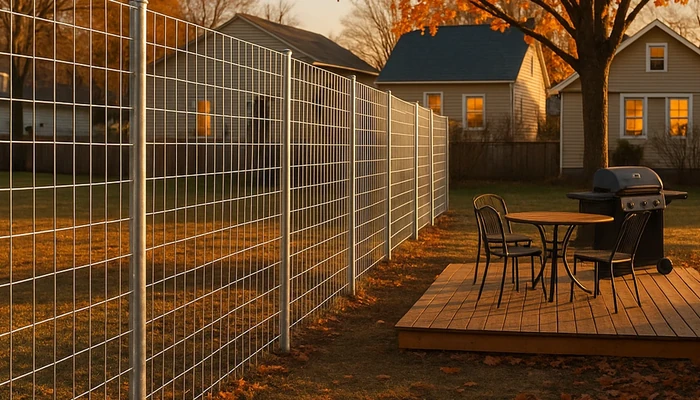
Wire panel fences, sometimes referred to as wire mesh or welded wire fences, use strong intersecting metal wires to create rigid panels. These panels are secured to posts (steel, aluminum, or even composite), forming a reliable barrier for residential and commercial properties.
- Welded Wire Panels: Wires are electrically fused at intersections, creating a sturdy grid.
- Chain Link Fences: Wires interwoven in a diamond pattern—related but slightly more flexible than welded panels.
- Expanded Metal Panels: Metal sheets cut and stretched for a mesh-like effect, often used for industrial security.
Key attributes include transparency (for visibility and safety), durability, and adaptability to sloped terrain or custom layouts. For more details on how these styles compare in Chicago’s climate, see this guide to fence materials and climate.
Why Choose Wire Panels for Security?
The primary reason people select wire panel fences is robust, cost-effective perimeter security. These fences deter casual trespassing, provide a clear boundary, and are difficult to climb or cut (with the right material and gauge). Families, property managers, and business owners appreciate how wire panels:
- Provide visibility for surveillance or line-of-sight (safer for families and teams on-site)
- Resist weather and corrosion, especially with galvanized or powder-coated finishes
- Support custom heights or enhanced features such as privacy slats or security toppers
- Meet building codes and safety standards in Chicago, Illinois and many nearby communities
- Are budget-friendly compared to masonry or solid metal options
For a real-world breakdown of wire mesh fence protection benefits, read this deep dive on wire mesh fence applications.
Types of Wire Panel Fences Explained
Welded Wire mesh Panels
Welded wire mesh panels feature thick, horizontal and vertical wires welded at intersections in a grid pattern. This creates a smooth, rigid panel that’s tough to breach. They’re popular for school perimeters, business parks, and high-security sites.
Chain Link Panels
Chain link fencing uses galvanized or vinyl-coated steel wires interwoven into a characteristic diamond pattern. More flexible than rigid welded panels, they’re a reliable choice for yards and play areas.
Expanded Metal and Specialty Mesh
Industrial applications may use expanded metal mesh—flattened and stretched steel sheets for maximum strength and minimal flexibility.
Double Wire or Twin-Wire Mesh
This variant sandwiches two horizontal wires for every vertical, boosting cut resistance and rigidity for demanding security scenarios.
Design Considerations for Maximum Security
When aiming for the ultimate security with wire panels, design and installation matter. Factors include:
- Height: Taller fences (6–10 ft+) deter climbing; check local codes in Chicago, Illinois before planning.
- Wire Thickness: Lower gauge = thicker, more cut-resistant wire.
- Panel Size: Smaller mesh openings reduce foot/hand holds—vital for high-security settings.
- Post Material: Steel or aluminum posts, correctly anchored, prevent tampering.
- Anti-Climb or Security Toppers: Extension arms, barbed wire, or rolled mesh can be added above panels.
- Gates and Access Control: Secure, code-compliant gates are key. Learn about options at our automatic security gates page.
Design must also account for property slope, nearby structures, and visibility requirements. For important code and regulation guidance, always consult the Chicago Building Department or a knowledgeable contractor such as Chicagoland Fence Pros.
Materials and Coatings
Material choice impacts fence appearance, lifespan, and maintenance. Your main options are:
- Galvanized Steel: Most common—coated with zinc to prevent rust. Good balance of cost, strength, and durability.
- Vinyl-Coated Wire: Steel core with colored vinyl sheath. Adds weather resistance and a finished look.
- Aluminum: Lightweight, corrosion-proof, and suitable for decorative or specialized applications.
- Stainless Steel: Ultimate for corrosion resistance, often reserved for critical security needs.
Wire panel finishing can also influence performance. For advice on minimizing corrosion (and water staining for aluminum), consult this resource from The Aluminum Association.
For even deeper detail on fence post selection and durability, see our steel fence posts guide.
Comparing Wire Panel Fences to Other Options
| Fence Type | Security | Maintenance | Cost | Privacy |
|---|---|---|---|---|
| Wire Panel | High (with right height/gauge) | Low | Low–Medium | Low (add slats/screens) |
| Wood | Medium | Medium–High | Medium | High |
| Vinyl | Medium | Low | Medium–High | High |
| Wrought Iron | High | Medium | High | Low |
*All values are estimates. Actual performance may vary based on installation, maintenance, and local conditions.
To explore further, visit our Ultimate Guide to Fence Designs for more on layout and material selection.
Installation Insights: From Prep to Inspection
A secure fence starts with careful planning and professional installation. Installation involves:
- Assessing property lines and terrain
- Obtaining permits and meeting local codes
- Choosing post depth (deeper = more stability)
- Setting posts in the correct concrete mix
- Inspecting after installation for strong tension and rigidness
For DIYers, our step-by-step mesh fence guide covers the prep and procedures required for best results.
Maintenance and Longevity
Wire panel fences require minimal maintenance, but routine checks prevent problems:
- Inspect for rust, loose fittings, or bent sections twice a year
- Clean panels with mild soap to remove debris and discourage corrosion
- Lubricate gate hinges and hardware annually
- Touch up scratches or exposed metal to prevent rust
Routine attention ensures long-term performance. For extra tips, check our preventive maintenance guide for wire fences.
Compliance and Safety: Chicago Rules
Before installing any security fence in Chicago, Illinois or nearby communities, check:
- City codes for height, setback, and appearance requirements
- Homeowners Association (HOA) policies, if applicable
- Pool enclosure rules (if around a pool)
- Required permits and inspections
Consult your contractor or read our Chicago fence regulations guide to avoid costly mistakes.
Security Enhancements and Customizations
Wire panels are endlessly customizable:
- Add privacy slats or screens for more seclusion
- Integrate gates with keypad or smart locks
- Use anti-climb or anti-cut toppings for maximum deterrence
- Combine with lighting or surveillance systems for layered security
Creative homeowners can even design unique patterns—see our wire mesh fence design gallery for inspiration.
Costs: Material, Labor, and Long-Term Value
The total cost of a wire panel fence depends on:
- Fence length and height
- Gauge and finish of wire
- Number of gates/access points
- Terrain and complexity of layout
- Installation (DIY vs. professional)
Wire panel fences typically run $15–$35 per linear foot professionally installed—affordable compared to solid privacy or custom metal options. However, costs can rise for higher-security mesh, heavy-duty gates, or decorative enhancements. Always request detailed quotes and ensure your installer covers permits and inspections. For estimates on fence projects, you can contact Chicagoland Fence Pros for a transparent quote.
Common Myths and Mistakes to Avoid
- Myth: Wire panels are too industrial for homes.
Reality: Modern wire meshes and powder coatings can offer subtle, attractive looks suitable for many residential designs. - Mistake: Not checking local height restrictions or utility locations.
Solution: Always call 811 before digging, and talk to local officials or your contractor. - Myth: They don’t offer privacy.
Reality: Privacy can be added with slats, fabric, or landscaping. - Mistake: Skipping post depth or using inadequate posts, leading to fence failure.
Solution: Use steel or proper-grade posts set to correct depth. - Myth: All wire panels are the same.
Reality: Gauge, coating, and mesh size dramatically affect strength and appearance.
Maintaining Security Over Time
Even the best fence can’t guarantee absolute security forever. Consider these long-term tips:
- Schedule annual inspections to spot weak points
- Update toppers or latches if security threats change
- Work with a professional for larger repairs or upgrades
- Complement fencing with lighting and cameras where possible
For tailored advice beyond wire panels, view our guide to customized security door solutions and electric gate security article.
Realistic Expectations: What Wire Panel Fences Can and Cannot Do
- Provide a strong, visible deterrent and secure boundary for most residential and commercial sites
- Allow easy monitoring and surveillance without blocking views
- Require less maintenance than wood or ornamental iron
- May need enhancements (slats/toppers) for maximum privacy or critical infrastructure security
- Are not a substitute for active security (e.g., alarmed gates, camera monitoring) in high-risk zones
Frequently Asked Questions (FAQ)
- What is the strongest type of wire panel fence?
Double-wire or high-gauge welded wire mesh panels, made from galvanized or stainless steel, offer the greatest cut and climb resistance for residential or commercial use.
- How does climate affect wire panel durability in Chicago?
Chicago’s freeze-thaw cycles, moisture, and snow can challenge some fence materials. Select galvanized or vinyl-coated steel, and ensure posts are set below the frost line for longevity. For more, see this guide.
- Can wire panel fences be added to existing posts or walls?
In many cases, yes. Many panel systems are modular and can be retrofitted to existing supports if they are structurally sound and properly aligned.
- Are wire panel fences safe for children and pets?
Yes, especially when chosen with smaller mesh sizes and smooth, tamper-resistant connections. If pet safety is your focus, see our fence safety guide for pets.
- How much does maintenance cost each year?
Wire panel fences are designed for low maintenance; most costs are limited to minor repairs and cleaning. Budget $20–$60 per year for standard upkeep.
- Can I customize the color or pattern of my wire panels?
Yes, colored vinyl coatings and unique mesh designs are available. See our design ideas for inspiration.
- Will a wire panel fence improve my property value?
Security, curb appeal, and code-compliance contribute positively to property value. Learn more in our property value insights article.
- What should I check before selecting a fence contractor?
Look for experience with wire panel systems, local code knowledge, strong references, and clear quotes. Read our fence company selection checklist.
Conclusion: Is Ultimate Security with Wire Panels Right for You?
Wire panel fences are a proven, budget-friendly, and adaptable solution for property perimeter security. From busy city blocks in Chicago, Illinois to suburban or commercial grounds, these fences address critical concerns—security, visibility, and longevity—without major maintenance headaches. Before you decide, weigh your site’s needs and consider professional input to ensure maximum protection and code compliance.
Ready to talk through your options? Browse residential fencing solutions or request a fence estimate from Chicagoland Fence Pros for expert, transparent advice.
About Chicagoland Fence Pros
Chicagoland Fence Pros brings over 15 years of experience to homeowners and businesses in Chicago, Illinois and nearby communities. Specializing in wire mesh, wood, vinyl, aluminum, and steel fencing, our team is dedicated to security, privacy, and designs that endure local climate challenges. We are fully insured, code-compliant, and known for honest advice from the first quote to project inspection.
chicago fence contractors, privacy residential fence, privacy residential fence chicago, pool fence Woodstock, residential backyard fence Rockford, privacy residential fence St Charles, home fence Long Grove, residential fencing Glendale Heights, residential fence repair Aurora, residential backyard fence Wilmette