 Skip to content
Aluminum Essentials in Modern Households: A Comprehensive Guide to Fences
Deciding on the right fence for your home or property can be overwhelming, especially with all the products, materials, and local regulations to consider. Aluminum Essentials in Modern Households is a topic that’s grown in relevance—aluminum fences are increasingly popular for their blend of style, resilience, and minimal maintenance. Does an aluminum fence make sense for your Chicago home or rental property? What should you know about materials, installation, and maintenance? This in-depth guide brings clarity to your research. We’ll compare aluminum with other common fence types, explain advantages and trade-offs, break down safety and code requirements, and give practical advice from the experts at Chicagoland Fence Pros. By the end, you’ll understand all the essentials and feel ready to make an informed choice.
Understanding Aluminum Fencing: The Basics
Aluminum fencing has become a preferred solution for both residential and commercial property owners seeking security, privacy, and curb appeal. What sets aluminum apart from wood, vinyl, or iron? Let’s explore the fundamentals.
- Durability: Aluminum fences withstand weather, do not rust, and resist impacts better than many alternatives.
- Low Maintenance: These fences require little more than periodic cleaning.
- Design Flexibility: From classic picket to modern panels, aluminum is highly customizable.
- Lightweight: Easier to install than wrought iron, leading to potential cost savings.
For an even deeper dive into aluminum’s role in adverse weather, see our dedicated resource on aluminum fences in extreme climates.
Why Aluminum? Comparing Fence Materials
Choosing the right fence means understanding how aluminum stacks up against other materials common in the Chicago, Illinois area.
| Feature | Aluminum | Wood | Vinyl | Wrought Iron |
|---|---|---|---|---|
| Durability | High: resists corrosion and weather | Fair: can rot, warp, attract pests | High: won’t rot, but may crack in cold | Very High: strong, but can rust unless maintained |
| Maintenance | Low | High | Low to medium | Medium to high |
| Style Options | Many | Many | Moderate | Classic, limited by cost/weight |
| Privacy Options | Moderate (with panels) | Excellent | Excellent | Moderate |
| Upfront Cost | Medium | Low-medium | Medium | High |
| Longevity | 20+ years | 10–15 years | 20–30 years | 20+ years |
In the Chicago, Illinois area, weather extremes can shorten the lifespan of wood and some vinyl fences, making aluminum an appealing all-weather option.
Modern Aluminum Fence Styles and Customization
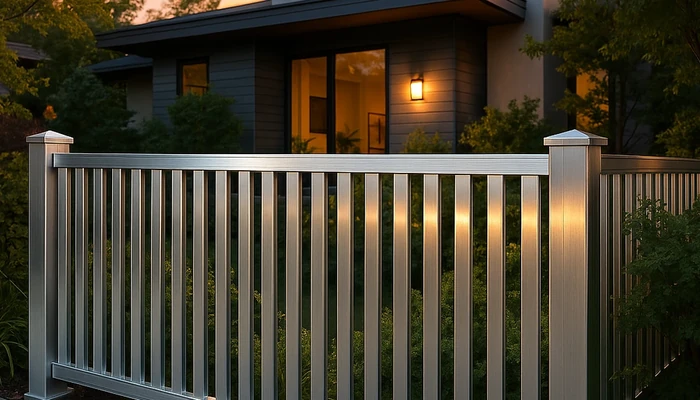
Aluminum fencing has evolved far beyond traditional designs. Today, property owners can choose from:
- Classic Picket: Timeless, open-bar design for front yards and gardens.
- Privacy Panels: Tall, solid sections for areas requiring seclusion.
- Ornamental and Contemporary: Decorative or minimalist for a designer look.
Custom colors, finials, and even custom shapes are available to match your property’s unique style. For a closer look at style options, visit our exclusive designs in aluminum fences hub.
Perimeter Security: Aluminum’s Role
Security is a central concern for property managers and homeowners alike. Aluminum fences can be designed with:
- Tall, anti-climb panels
- Lockable gates
- Optional integration with security technology (cameras, sensors)
Aluminum’s strength-to-weight ratio allows for secure boundaries without sacrificing aesthetics. For more insight into security features, see Aluminum Fences and Security Technology.
Installation Process: What to Expect
While aluminum fences are lighter and easier to install than wrought iron, professional installation ensures code compliance and longevity. The general process includes:
- Site assessment and measurement
- Choice of style, height, and finish
- Obtaining necessary permits and HOA approvals
- Post setting and panel installation
- Gate installation and final inspection
Always check local building codes or consult with experienced pros before your project begins. For inspiration and trends, review Current Trends in Aluminum Fencing.
Maintenance: Keeping Your Aluminum Fence Pristine
Aluminum fences are celebrated for low maintenance. Best practices include:
- Routine cleaning: Occasional wash with soap and water.
- Annual inspection: Check for loose fasteners or minor scratches.
- Touch up paint (if required): Most have resilient finishes, but minor chips can be addressed easily.
Extreme weather can create unique challenges—see our guide to aluminum fences in extreme climates for year-round tips.
Understanding Building Codes, Permits, and Regulations
Codes can affect allowable fence height, distance from property lines, and even design elements. Chicago, Illinois and many suburbs enforce strict rules. Before installing a new fence:
- Check municipal websites for fence regulations
- Review HOA covenants (if applicable)
- Ensure your fence design meets pool safety and visibility standards if relevant
- Consult official guidelines, like those found in industry-standard publications
The team at Chicagoland Fence Pros is familiar with local codes and will help you navigate the process.
Aluminum and the Environment: Sustainable Choice?
Aluminum is fully recyclable and many modern fences are produced from recycled materials. Compared to regularly replacing wood or dealing with PVC production waste, aluminum is a greener long-term solution. Learn more about sustainability in our Benefits of Aluminum Fencing post.
Cost and Value: What Should You Expect?
The investment for an aluminum fence includes material, labor, and long-term savings on maintenance. Typical cost considerations:
- Upfront materials and installation
- Greater durability—less replacement over time versus wood
- Possible savings on upkeep (painting, rot repairs)
For a detailed comparison and to see how aluminum stands up to wood or vinyl, read Vinyl, Wood, or Aluminum Fences: Exploring the Advantages.
Advanced Customization and Security Upgrades
Today’s aluminum fences support a variety of upgrades:
- Powder coat finishes for fade and chip resistance
- Security technology: integrate with gates or alarms (Customization and Upgrades)
- Architectural accents for a unique look
You’re encouraged to browse current and future trends on our trends in aluminum fencing hub.
Common Myths and Realistic Expectations
- Myth: Aluminum is flimsy.
Fact: Modern aluminum fencing is manufactured for strength and security, suitable for most residential and commercial needs. - Myth: Aluminum can’t provide privacy.
Fact: Panel designs offer strong visual barriers, rivaling wood or vinyl. - Myth: It’s too expensive.
Fact: While initial costs may be higher than basic wood, lifetime value through reduced maintenance is significant.
If you want to see if aluminum fencing is truly the best investment for your property, see Is It Worth Investing In Aluminum Fences?
FAQs: Aluminum Fencing in Modern Households
1. How long does an aluminum fence usually last?
Most aluminum fences last 20 years or longer—even in harsh weather. Durable coatings prevent rust and corrosion, especially suited for Chicago’s seasonal changes.
2. What maintenance does an aluminum fence require?
Routine cleaning with water and a mild soap, annual inspection for loose parts, and occasional touch-up for small scratches are all that’s needed.
3. Can aluminum fences provide privacy?
Many designs now feature solid panels and closely spaced pickets for privacy, making them comparable to wood or vinyl in this aspect.
4. Are aluminum fences safe for children and pets?
Yes, aluminum fences can be designed with narrow picket spacing and secure latches, keeping children and pets safe within your property.
5. How do city codes affect aluminum fence installation?
Chicago and surrounding areas have various codes impacting fence height, style, and placement. Always consult local codes before deciding on a design.
6. Is aluminum an environmentally friendly material?
Yes. Aluminum is recyclable, and many new fences use high percentages of recycled metal, making it a sustainable choice.
7. What finishes are available for aluminum fences?
Powder coating is standard, offering many colors and textures. These coatings increase weather resistance and minimize upkeep.
8. Can aluminum fences be used for pool enclosures?
With proper picket spacing and height, aluminum fences meet most pool enclosure codes. Always review city and state safety guidelines.
9. How does aluminum compare in cost to other fencing options?
While upfront costs may be higher than some wood fences, aluminum often saves money in the long run due to low maintenance.
10. Should I install an aluminum fence myself?
Professional installation is recommended for meeting codes and ensuring durability, but DIY is possible for experienced homeowners with appropriate tools.
Next Steps: Is Aluminum Right for Your Property?
An aluminum fence balances strength, style, and ease of care—qualities in high demand for Chicago’s varied neighborhoods. If you’re ready to explore in detail or compare with other fencing types, review our residential fence options or learn about chain link fences. For a customized recommendation and code-compliant installation, contact Chicagoland Fence Pros and talk to our experts. Fence installations are a serious investment—honest advice from a local team ensures the best outcome.
About Chicagoland Fence Pros
Chicagoland Fence Pros is a professional fence company with over 15 years installing fences in the Chicago, Illinois area. We serve homeowners and businesses, specializing in wood, vinyl, aluminum, and steel fencing for residential and commercial projects. Fully insured and code-compliant, Chicagoland Fence Pros is dedicated to providing transparent guidance, durable installations, and education for every project.
chicago fence companies, wrought residential aluminum fences Chicago, aluminum fences Chicago, aluminum fence in Carol Stream, Vernon Hills aluminum fence, aluminum fencing Union, aluminum perimeter fence Forest Park, black aluminum fence Lincolnwood, Oak Park aluminum fence, aluminum security fence Broadview
