
Energy-Efficient Options for Automatic Gates: A Practical Guide for Homeowners and Property Managers
Automatic gates are increasingly popular for adding convenience, safety, and curb appeal to homes and businesses. But as more property owners focus on sustainability and long-term operating costs, energy-efficient options for automatic gates have become a central topic in choosing the right solution. If you’re based in Chicago, Illinois or anywhere with demanding weather, understanding modern energy-saving gate automation is even more crucial. In this comprehensive guide, we’ll demystify the latest technologies, materials, trade-offs, and maintenance strategies for energy-efficient gates. By the end, you’ll be equipped to make informed choices on everything from solar power to the latest low-voltage motors—and understand when to consult fence specialists like Chicagoland Fence Pros for project planning and professional installation.
Understanding Energy Efficiency in Automatic Gates
Energy efficiency in the context of automatic gates means achieving reliable and safe operation while minimizing energy consumption. This not only reduces utility bills but also supports sustainability goals and eco-friendly property management. Let’s break down what makes a gate system energy-efficient:
- Optimized power usage (idle, standby, and operation)
- Modern motor technologies (efficient drive mechanisms)
- Use of renewable or low-power energy sources
- Thoughtful automation controls (timers, sensors, remote access)
- Minimal heat loss and energy waste in circuits/components
Whether you’re a homeowner or managing multiple properties, recognizing these factors will frame your research and conversations with installers.
Types of Energy-Efficient Automatic Gates
There is no single “best” energy-saving automatic gate: your ideal solution depends on site conditions, budget, and security needs. Below are the main types adopted by property owners seeking efficiency improvements.
1. Solar-Powered Automatic Gates
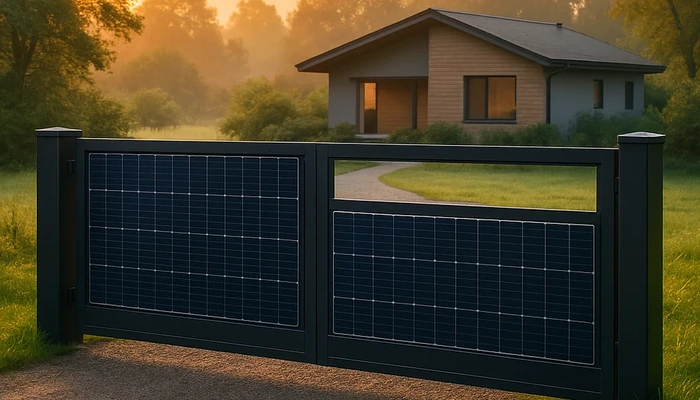
Using solar panels to generate power for your gate’s operation is a proven way to cut electricity costs and promote environmentally responsible living. Modern systems feature high-efficiency photovoltaic panels and reliable battery storage, supporting operation even during periods of low sunlight—a key benefit during Chicago’s winters. For deeper context, you can compare details with this guide to the impact of solar energy on automatic gates.
- Key features: Sustainable, independent from grid, typically low maintenance
- Considerations: Upfront installation costs, sunlight exposure, panel/battery life cycles, code compliance
- Ideal for: Locations with adequate sunlight, rural properties, eco-conscious homeowners
2. Low-Voltage Motor Gate Systems
These automatic gates use motors designed to operate efficiently at lower voltages (often 24V or less). This helps reduce operational energy use, extends component life, and can add a layer of safety.
- Key features: Lower energy demand, quiet operation, compatible with solar backup
- Considerations: Selection of appropriate transformers or battery backup, regular checks for voltage supply
- Ideal for: Small to medium gates, residential driveways, locations concerned with safety or grid instability
Reference certified standards for these motors and related energy efficiency using DASMA standards.
3. Efficient Gate Materials and Design
Material choice impacts not only how much energy your gate system uses, but also its long-term durability and required maintenance. Lightweight, corrosion-resistant materials such as aluminum and certain composite panels require less force to move and thus consume less energy over each cycle.
- Lightweight aluminum: Reduces motor workload; see material guidelines from The Aluminum Association.
- Composite or high-density vinyl: Insulates metal hardware, weather-resistant, minimal swelling or warping
- Design efficiency: Opt for sliding over large swing gates on wind-exposed sites, smart placement of devices/sensors to avoid unnecessary cycling
4. Intelligent Controls and Automation Features
Advanced controls reduce energy consumption by adapting operation to real-time conditions. Features may include:
- Automatic close timers (no unnecessary open time)
- Obstacle detection (prevents repeated cycling)
- Motion/light sensors (activates only when needed)
- Remote and app-based access (minimizes accidental opening)
Smart features also support increased security—compare with other smart automatic gate options.
How to Compare Energy-Efficient Automatic Gate Options
Below is a table comparing key aspects of common energy-efficient options:
| Type | Power Source | Pros | Cons | Maintenance |
|---|---|---|---|---|
| Solar-Powered | Solar panels + battery | Eco-friendly, low operating cost, off-grid possible | Higher upfront cost, weather-dependent | Clean panels, replace batteries every 5–7 years |
| Low-Voltage Motor | Low-voltage transformer or battery | Lower power draw, safer, quiet operation | Limited to small/medium gates, may need backup | Check wiring, test batteries annually |
| Lightweight Aluminum | Pairs with any system | Reduces motor strain, resists corrosion | Upfront material cost, less privacy than solid gates | Minimal: inspect for dents, clean as needed |
Cost Considerations—Upfront, Operating, and Long-Term Savings
Cost is one of the main concerns for those considering energy-efficient upgrades. The most energy-saving technology may require higher upfront investment, but several factors contribute to your total cost of ownership:
- Product costs: Solar panels, batteries, specialized motors, automation controls
- Professional installation: Always ensure code compliance and correct configuration
- Operating costs: Lower utility bills for solar or low-voltage systems
- Maintenance: Fewer moving parts and robust materials generally reduce repair frequency
It’s wise to compare the estimated annual electricity usage for different systems. For the Chicago area, factor in seasonal variations—solar panels will work but need careful sizing and placement. Chicagoland Fence Pros provides transparent quotes and walks clients through upfront and recurring expenses for every gate project.
Safety, Codes, and Environmental Standards
Proper installation not only ensures energy efficiency—it is also necessary for safety and code compliance. This includes:
- Verification of electrical standards (UL, ANSI, or DASMA guidelines)
- Grounding and surge protection
- Correct signage and safety devices for automated gates
- Meeting any HOA or local municipal codes for automatic gates in Chicago, Illinois
Reputable installers will be familiar with both safety and energy efficiency standards and can help guide your purchasing decision. Always check with your installer and refer to trusted documentation before making a final choice.
Maintenance and Longevity of Energy-Efficient Gate Systems
Ongoing maintenance preserves both performance and efficiency. Key maintenance tips include:
- Regular cleaning of solar panels and sensors
- Testing batteries and backup systems annually
- Checking for mechanical or electrical wear
- Updating automation or app-based gating systems
- Inspecting weather seals and materials for corrosion or damage
For more detailed routines, see our automatic gate preventive maintenance guide.
Common Mistakes to Avoid When Choosing Energy-Efficient Automatic Gates
- Underestimating power needs during winter or overcast weather
- Poor placement of solar panels (partial shade, incorrect angle)
- Improper sizing of batteries or motors for gate weight
- Skipping code and safety compliance
- Neglecting regular maintenance on both gate hardware and power systems
Consulting professionals like Chicagoland Fence Pros early in the process helps you sidestep these issues.
Frequently Asked Questions: Energy-Efficient Options for Automatic Gates
- Can solar-powered automatic gates work in cloudy or snowy climates like Chicago?
Yes, with proper panel sizing, battery backup, and high-efficiency PV panels, solar gates can operate year-round—even in Chicago winters. Consult experts for site-specific guidance.
- Are low-voltage automatic gates less secure than standard ones?
No; if installed correctly, low-voltage gates can provide the same security as their higher-voltage counterparts while consuming less energy and often running quieter.
- How often should I service an energy-efficient automatic gate?
Preventive maintenance (at least once or twice a year) is recommended: clean sensors, test batteries, check hardware and settings. Solar units may need seasonal panel cleaning.
- Will a solar gate system integrate with smart home controls?
Many modern solar gate systems now offer remote/app integration and can tie into broader smart home or building management platforms.
- What is the lifespan of automatic gate batteries?
Most gate batteries for solar/backup purposes last 3–7 years depending on use, climate, and quality. Regular testing is essential to avoid unexpected downtime.
- Do I need special permits or electrical work for energy-efficient automatic gates in Chicago?
Yes, you may need permits and must follow local codes. Always check with local building authorities and hire a licensed professional for installation.
- How much can I save annually with energy-efficient gates?
Annual savings vary depending on gate usage, power rates, system type, and climate. Solar gates can reduce electricity charges significantly, while low-voltage motors cut routine consumption.
- Can existing automatic gates be retrofitted for energy efficiency?
Often, yes—particularly if swapping to low-voltage motors or adding solar kits. Consult a professional to assess compatibility and code requirements.
- Are energy-efficient automatic gates as robust as other systems?
Quality systems built from the right materials (like aluminum or composite) are just as durable, provided they are properly maintained and sized for the job.
- Where can I learn more about gate standards and materials?
Resources like DASMA standards and The Aluminum Association’s technical documents provide technical requirements and recommendations for safe, efficient products.
Closing Thoughts: Choosing the Right Energy-Efficient Automatic Gate
Energy-efficient automatic gates offer long-term value by reducing costs, making operation more sustainable, and enhancing security. Selecting the right solution requires balancing upfront investment with lasting returns—especially in climate zones like Chicago, Illinois. For specific recommendations, installation help, or a custom quote, talk to our automatic gate experts for honest advice. Explore further with our guides on environmental benefits of gate automation and gate system efficiency strategies. Homeowners and property managers in Chicago, Illinois: trust Chicagoland Fence Pros to equip you with a solution that fits your needs, your property, and your values.
Chicagoland Fence Pros is a local fence contractor with over 15 years installing fencing and automatic gates for homes and businesses in Chicago, Illinois and the surrounding region. Our experienced team specializes in wood, vinyl, aluminum, steel, and composite fencing, delivering privacy, security, and style while always prioritizing local codes, safety, and honest guidance throughout every project. Chicagoland Fence Pros is licensed, insured, and committed to code-compliant, educational service for every client.
fence contractors chicago, automatic gate installation chicago, driveway gate chicago, electric gate Oak Park, automatic gate repair Edison Park, driveway gate Gurnee, security gates Zion, swing gate Broadview, security gates Mokena, swing gate Westmont