 Skip to content
Ultimate Security with Wire Panels: The Complete Guide
Choosing a fence is a major decision for any homeowner or property manager. The need for effective security, privacy, and compliance with local codes can make the process confusing—especially for those exploring fencing options for the first time. Wire panels are among the most trusted choices, providing excellent security and flexibility across a range of residential and commercial settings. In this guide, we’ll break down everything you need to know about ultimate security with wire panels: materials, design options, installation, upkeep, and realistic expectations. Whether you manage a building in Chicago, Illinois or own a home in the Midwest, you’ll finish this article with a clear understanding of what wire panel fencing can offer—and how to make it work for your property. For decades, Chicagoland Fence Pros has helped local property owners strike the right balance between security, budget, and curb appeal. Let’s get started!
Understanding Wire Panels: What Are They and Why Choose Them?
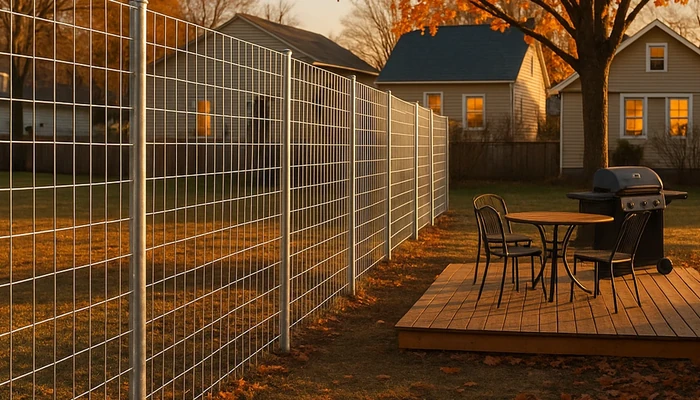
Wire panels, often known as wire mesh panels or modular fence panels, are fabricated from interconnected metal wires welded or woven into precise grids. Their strength, transparency, and adaptability make them a leading choice for anyone seeking dependable security without sacrificing visibility.
- Key Benefits: Security, flexibility, visibility, and cost-effectiveness.
- Common Uses: Residential yards, commercial perimeters, pet enclosures, sports fields, and public spaces.
- Material Options: Galvanized steel, PVC-coated steel, aluminum, and high-tensile alloys for various environments.
Wire panels are distinct from basic chain link fencing in their rigidity, modularity, and ability to accommodate anti-climb or privacy features.
Types of Wire Panel Fencing: Comparing Your Options
There are several major types of wire panels, each bringing unique strengths and trade-offs for different applications.
| Type | Appearance | Best For | Security | Cost |
|---|---|---|---|---|
| Welded Wire Panels | Rigid grid, modern look | Residential, Commercial | High | Medium |
| Wire Mesh Panels | Fine mesh, less visibility | Pools, Playgrounds | Very High | Medium–High |
| Chain Link Panels | Diamond pattern, classic | Sports, Utility | Good | Low–Medium |
| Expanded Metal Panels | Industrial, textured | Factories, Secure Sites | Max | High |
For more detail on gauge, height, and grids, see our guide to wire mesh fence benefits.
Key Benefits: Why Wire Panels Excel in Security
Wire panels provide distinct advantages over conventional fencing:
- Strength and Durability: Modern coatings guard against rust and wear.
- Security: Tight grids and custom heights deter climbing and cutting attempts.
- Visibility: Allow clear lines of sight without compromising security—especially important for property managers.
- Low Maintenance: Minimal upkeep compared to wood or wrought iron fences.
- Versatility: Can be customized for privacy screens, gates, and terrain challenges.
Industrial applications often require additional anti-cut and anti-tamper features, as seen in standardized galvanizing for public infrastructure.
Material Choices: Galvanized, Coated, or Composite?
Your material selection dramatically affects the lifespan and performance of wire panels in harsh climates:
- Galvanized Steel: Offers robust corrosion resistance and is the go-to standard for most security fences.
- PVC-Coated Wire: Adds aesthetic options and extra weather protection, popular for residential or public spaces.
- Aluminum: Lightweight, rust-proof, and best for low-maintenance installs—but less rigid than steel.
- High-Tensile Alloys: Used for demanding locations requiring maximum break strength and tamper resistance.
For guidance on choosing the best fence materials for Chicago’s seasons, see our article here.
Understanding Security Ratings and Standards
Not all wire panels provide the same level of protection. Security ratings, gauge thickness, and mesh aperture matter. For commercial or administrative security, look for panels compliant with AMPP and galvanization standards like those described at AMPP and city/state codes.
- Security Classes: Residential, light commercial, critical infrastructure.
- Gauge: Thicker wire (lower gauge number) is harder to cut or deform.
- Mesh Size: Tighter mesh = better anti-climb and anti-cut properties.
Design and Customization: Making Wire Panels Work for Your Property
From basic grids to architecturally pleasing panels, wire fencing can serve both functional and aesthetic needs.
- Privacy and Screening: Add slats, screens, or climbing vegetation.
- Colors and Coatings: Choose finishes that blend with landscaping or branding.
- Access Control: Integrate gates, security doors, and automation for added convenience and safety.
Explore more stylish and functional design ideas with our stylish wire mesh fence ideas article.
Installation Considerations: What to Know Before You Start
Proper planning is crucial to maximize security and avoid costly mistakes. Key preparation steps include:
- Survey property lines and check local zoning/building codes (especially in Chicago, Illinois).
- Assess terrain and soil to select proper posts and footings.
- Design for gates, slopes, and obstruction avoidance (utilities, landscaping, etc.).
Homeowners in Chicago, Illinois should always verify HOA restrictions and city ordinances before construction. While some handy homeowners install panels themselves, professional installation is recommended for long-term durability and code compliance. For step-by-step tips, see our detailed mesh fence instructions.
Cost Factors: What Influences the Price of Wire Panel Fences?
Cost varies widely based on panel type, height, labor, and site conditions. Most wire panel installations in the Midwest range from $20 to $60 per linear foot, with extras for privacy or automation. Seek clear, itemized quotes and ask contractors about:
- Panel type and coating
- Posts and gates (pre-fab vs. custom)
- Site preparation (removal, grading, obstructions)
- Permitting and inspections
It’s wise to compare fence installation costs and opt for transparent, code-compliant contractors.
Maintenance: Keeping Your Wire Panel Fence Secure and Attractive
Wire panel fences are known for low maintenance—but some care is essential for longevity:
- Inspect for rust, loose wires, and damaged posts annually
- Clean panels with mild soap and water to prevent buildup
- Lubricate moving gate hardware
- Reapply protective coatings as needed
For a deep dive, read our preventive maintenance tips.
Safety and Code Compliance: Avoiding Common Pitfalls
Following local regulations is vital. Always:
- Check municipal codes for fence height, transparency, and setback rules
- Locate underground utilities before post installation
- Comply with pool safety, ADA, and commercial site requirements as needed
Fencing experts, like those at Chicagoland Fence Pros, can guide you through permits and compliance—protecting you from fines or required removals. For regulation guidance, see this step-by-step code guide.
Realistic Expectations: Common Wire Panel Fence Trade-Offs
No fence is perfect, and it’s important to weigh wire panels’ strengths and limits:
- Security vs. Privacy: Panels excel at security, but require add-ons for privacy.
- Installation Skill: DIY is possible, but tricky on large or uneven lots.
- Long-Term Costs: Quality installation reduces repairs, especially in Chicago’s freeze/thaw cycles.
- Appearance: Modern options blend security with curb appeal—but not everyone prefers a commercial look.
To explore more about wire mesh fence protection, read our comprehensive resource.
When to Go Pro: The Value of Professional Advice and Installation
If you’re struggling to balance security, code compliance, and design, professional help is worth it. Fence experts provide:
- Accurate site assessment and planning
- Material recommendations for Chicago’s climate
- Efficient, code-compliant installation
- Warranty and ongoing maintenance support
Interested in a quote or need advice on choosing wire panels? Request a fence estimate or contact Chicagoland Fence Pros today.
FAQ: Wire Panel Security Fencing
What makes wire panels more secure than traditional chain link fencing?
Wire panels are typically manufactured with stronger, thicker wire and smaller mesh apertures. This makes them more difficult to climb, cut, or deform—offering higher security, especially for sensitive areas.
Are wire panel fences allowed in all residential areas?
Most communities permit wire panel fencing, but homeowners should check local code for height, setback, and visibility requirements—especially in Chicago, Illinois. HOAs may have their own rules as well.
Can I install wire panels myself?
Yes, smaller projects on flat ground are manageable for experienced DIYers, but professional installation ensures longevity, alignment, and code compliance. Sloped or complex sites are best left to experts.
How do wire panels withstand Chicago’s weather?
Galvanized or coated panels are designed to resist rust, corrosion, and freeze-thaw cycles. Quality installation—including sealed post bases—is key for Chicago’s harsh winters.
How much should I budget for wire panel fencing?
Expect $20–$60 per linear foot including labor and materials (as of 2024). Complex gates, terrain challenges, or privacy add-ons will increase the cost.
What maintenance is required for wire panel fences?
Periodic inspections, cleaning, and touch-up of coatings are usually sufficient. Heavier gates and moving parts need annual lubricant or adjustment. Most repairs are minor and infrequent.
Can wire panel fences be used for pet or pool safety?
Yes, wire mesh panels with small apertures are excellent for containing pets and complying with pool codes—verify local regulations before installation.
What is the lifespan of a quality wire panel fence?
With proper installation and routine care, galvanized or coated wire panels can last 20–30 years or more—even in the Midwest climate.
Does wire panel fencing reduce property value?
Most buyers appreciate security and low maintenance, though design matters. Using high-quality materials and careful installation can boost curb appeal and overall value.
Are there sustainable or ‘green’ options among wire panels?
Yes. Some manufacturers use recycled steel or eco-friendly coatings. Consult with a professional like Chicagoland Fence Pros for the latest options.
Summary & Next Steps
Wire panels offer unmatched security, adaptable design, and cost efficiency for many properties. As a leading fence company in Chicago, Illinois, Chicagoland Fence Pros encourages all homeowners and managers to do thorough planning—balancing protection, aesthetics, and code compliance. Compare materials, understand trade-offs, and select professional guidance when needed. Ready for your upgrade? Talk to our fence specialists for personalized advice and estimates.
About Chicagoland Fence Pros
Chicagoland Fence Pros is a professional fence company with over 15 years of experience helping homeowners and businesses in Chicago, Illinois and surrounding communities improve security, privacy, and curb appeal. Specializing in wood, vinyl, aluminum, steel, and composite fencing for both residential and commercial projects, the team at Chicagoland Fence Pros prioritizes code-compliance, honest material advice, and long-term customer satisfaction. Fully licensed and insured, Chicagoland Fence Pros delivers clear quotes and expert craftsmanship—every time.
fencing chicago, residential backyard fence, residential fences chicago, residential fence repair Fox Lake, garden fence Geneva, residential backyard fence Joliet, residential fence replacement Waukegan, dog fence Cicero, residential fences Gilberts, garden fence Tinley Park
