
Ultimate Guide to Wire Fencing: Types, Uses, and Expert Tips
Wire fencing is one of the most versatile, cost-effective, and durable options for securing properties—and yet it’s also one of the most misunderstood. Homeowners and property managers in Chicago, Illinois often feel overwhelmed by countless choices, conflicting advice, and questions about codes, weather resistance, and long-term maintenance. Our ultimate guide to wire fencing cuts through the confusion, walking you step-by-step through wire fencing basics, types, pros and cons, installation tips, maintenance, and crucial local considerations. Whether you want improved security, privacy, or simple boundary definition, this guide will empower you with the knowledge to make the right choice. Drawing from the experience of Chicagoland Fence Pros, we promise clarity on costs, materials, code-compliance, and what to expect as you evaluate your property’s fencing needs.
What Is Wire Fencing?
Wire fencing refers to any barrier system constructed mainly from strands or mesh of metal wire. These fences can be single wires stretched between posts, woven or welded panels, or complex mesh designs. Their applications range from residential backyards to commercial, agricultural, and high-security environments. The best wire fencing balances strength and adaptability, thriving even in the demanding Chicago, Illinois climate.
Why Choose Wire Fencing?
- Affordability: Wire options are typically less expensive than wood, vinyl, or ornamental fencing.
- Durability: Many wire fences, especially those galvanized or vinyl coated, withstand the Midwest’s harsh winters and humid summers.
- Versatility: Wire fencing serves gardens, pets, pools, industrial yards, and more.
- Low Visual Impact: Mesh designs blend easily into a landscape, preserving sightlines.
- Easy to Repair: Damaged sections often can be patched or swapped without a full replacement.
In the Chicago area, where property boundaries, security, weather, and HOA rules are major concerns, wire fencing is a smart, practical solution.
Common Types of Wire Fencing (Comparison Table)
| Type | Best Use Case | Strength | Visibility | Maintenance | Cost (Approximate) |
|---|---|---|---|---|---|
| Chain Link | Residential, commercial, sports, security | Moderate–High | High | Low | $8–$22/ft |
| Welded Wire Mesh | Gardens, pools, small animals, decorative | Moderate | Medium–High | Low–Medium | $3–$12/ft |
| Woven Wire (Field Fence) | Agriculture, large pets, rural properties | Medium | Medium | Low–Medium | $2–$8/ft |
| Barbed Wire | Rural, high-security, livestock | High (deterrence) | High | Low | $1.50–$3/ft |
| Electric Wire | Livestock, perimeter security | Medium–High (deterrence) | Medium–High | Specialized | $2–$6/ft plus power supply |
| Chicken/Rabbit Netting | Gardens, small animals | Low | Medium | Medium | $1–$4/ft |
These are estimates for standard installation. Custom heights, coatings, gate options, and site prep will affect the total cost. Always confirm with a professional for an accurate quote.
The Anatomy of a Wire Fence
Though options abound, most wire fences share some key elements:
- Posts: Steel, aluminum, or pressure-treated wood, set at fixed intervals for strength.
- Wire: Galvanized, vinyl-coated, stainless steel, or aluminum strands or mesh.
- Fasteners/Clips: Secure wire to posts and tension bars.
- Tension Bands/Bars: Keep mesh taut and maintain shape over time.
- Gates: Integrated or standalone, with matching materials and proper hardware.
For a comprehensive visual, see our detailed instructions for mesh fences guide.
Popular Applications for Wire Fencing
- Perimeter security for homes and businesses
- Pet and child containment—keep loved ones safe and visible
- Garden protection against wildlife
- Pool safety—comply with codes and prevent unauthorized access
- Sports facilities and parks
- Commercial storage yards for tools, material, and vehicle safety
Wire fencing is as adaptable as your needs. For creative inspiration, review our wire mesh fence design ideas.
Material Choices: What Matters Most
1. Galvanized Steel
The most common option, galvanized steel resists rust and corrosion. For added protection, modern coatings can further extend lifespan, as described by industry standards. Always check for high-quality zinc coatings, especially for Chicago’s freeze-thaw cycles.
2. Vinyl-Coated Wire
Combines the strength of steel with colorful vinyl for increased corrosion resistance and style. Great for backyards and pool enclosures.
3. Stainless Steel
Durable and tarnish-resistant. Best for critical security or iconic design projects—usually a higher investment.
4. Aluminum
Lightweight and rustproof, making it a practical choice in humid areas with less severe impact needs.
When selecting fencing material, always weigh climate, aesthetics, and true life-span—not just initial price. Our in-depth climate-based materials guide can help.
Installation: What to Expect and DIY Considerations
While simple garden fences can be a DIY project, larger perimeter or code-compliant installations are best left to professionals. Here’s a typical process and important factors:
- Planning: Measure, mark property lines, check local ordinances and HOA rules. For Chicago, be sure to call 811 before digging and review the latest codes.
- Posts: Excavate holes below frost line (36″+ in Illinois), set posts in concrete or driven deep for stability.
- Wire/Mesh Attachment: Roll and tension mesh, secure with ties/clips, add tension bars as needed.
- Gates/Hardware: Ensure proper swing, locking, and clearance for snow, debris, and landscape features.
- Inspection: Walk the line for sagging, sharp edges, and compliance with any required inspections.
Our comprehensive mesh installation guide breaks down steps for hands-on learners.
Maintenance: Keeping Your Wire Fence Strong
Wire fences are known for low maintenance, but periodic checks prevent costly repairs:
- Inspect for damage from pets, weather, or landscape equipment.
- Rust prevention: Touch up scratches on galvanized or vinyl-coated wire; consult expert guidelines for proper repair methods.
- Clear debris and vegetation from the base to prevent water and pest issues.
- Tighten loose ties and realign sagging mesh when spotted.
For more actionable tips, see our preventive maintenance checklist. Remember, the Chicago climate can accelerate corrosion—yearly spot checks are strongly advised.
Understanding Local Codes and Compliance
Many Chicago, Illinois neighborhoods and HOAs have specific rules for fencing:
- Maximum height limits (often 4–6 ft for front yards, higher for rear properties)
- Setback requirements (distance from property line, sidewalks, and neighboring lots)
- Material restrictions for visibility, pool safety, or historic areas
- Permitting and inspections for new construction
We recommend reviewing municipal regulations or working with a team that handles permitting. Our guide on fence regulations in Chicago offers stepwise help.
Cost Considerations: Budgeting Your Project
Wire fencing remains one of the most budget-friendly perimeter solutions. However, actual costs can swing with your:
- Fence height and length
- Material (galvanized, vinyl-coated, stainless)
- Site prep (grading, fence removal, access)
- Gate count and size
- Professional labor versus DIY approaches
- Code compliance (city permits, inspections)
As a rule, basic chain link is more affordable than custom welded mesh or privacy-enhanced designs. Specialized security or decorative panels will cost more. For a deeper look, our fencing cost analysis offers realistic Chicago-area examples.
Advantages and Trade-offs of Wire Fencing
- Pros: Cost-effective, long-lasting (with quality materials), minimal maintenance, great for security without closing off a property visually, customizable heights and coatings.
- Cons: Usually less privacy than wood/vinyl, can be harder to make “beautiful” without landscaping, potential corrosion if low-quality metal is used, not ideal for highly decorative front yards.
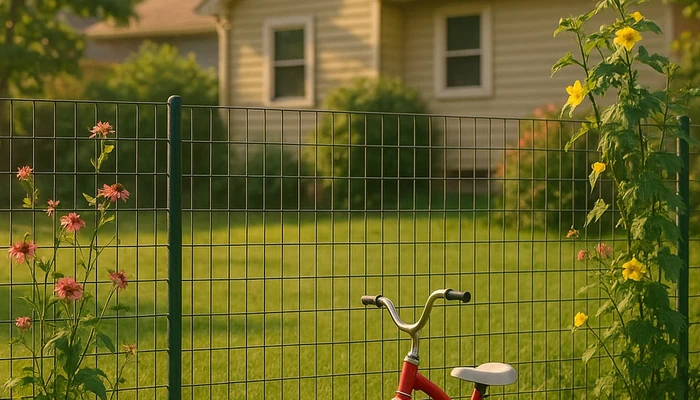
Tip: Consider combining wire fencing with shrubs or climbing plants for both beauty and security.
Creative and Security-Driven Design Options
Wire fencing doesn’t have to be “institutional.” Options include:
- Powder-coated colors (black, green, custom tones)
- Decorative post finials/caps
- Integrated privacy slats or screens
- Custom gates with ornamental elements
- Mixed-material borders (wood posts, stone pillars)
See examples in our creative link fence designs post.
Safety, Security, and Insurance Tips
Properly installed wire fencing provides robust deterrence while reducing liability risks:
- Install at recommended height for your security needs
- Choose child-safe, pet-safe mesh size if containment is a concern (pet safety with chain link)
- Regularly inspect gates and locks
- Ensure no sharp edges or protruding wire at the top or bottom
- Check that fencing does not impede site lines or violate HOA safety rules
Bonus: Proper fences may even reduce insurance premiums—ask your provider.
When to Call a Professional
- Perimeter fencing for security or compliance
- Pool enclosures or anywhere safety is critical
- Commercial properties and multi-family residences
- Any scenario where code compliance or permitting is required
Professional installation ensures durability and avoids costly violations. Chicagoland Fence Pros offers honest estimates, experienced crews, and a transparent process for homeowners and managers throughout Chicago, Illinois. Request a fence estimate or consultation today.
FAQs: Wire Fencing Answered
- Q: What is the difference between welded and woven wire fencing?
A: Welded wire uses horizontal and vertical wires welded at intersections, providing rigid panels. Woven wire is created by weaving horizontal and vertical wires (like field fence) and is more flexible. Your choice depends on strength needs and desired appearance.
- Q: How long does galvanized wire fencing last?
A: With proper installation and basic care, galvanized wire fencing can last 15–25 years in the Chicago climate. Higher-quality coatings and regular inspections help maximize life span.
- Q: Does wire fencing work for keeping pets in?
A: Yes. Choose the right mesh size for your species, and ensure no gaps at the bottom. See our fence pet safety tips for details.
- Q: Can wire fences provide privacy?
A: Wire fences are not inherently private, but you can add privacy slats, mesh screens, or plantings to increase seclusion. Our design guide features creative privacy enhancements.
- Q: Is wire fencing allowed everywhere in Chicago?
A: No. Rules vary by neighborhood, HOA, and property type. Max height, location, and style may be restricted. Always check Chicago fencing codes before starting your project.
- Q: What can I do about rusted or broken sections?
A: Most small sections can be repaired by patching/replacing the mesh or spot-treating with rust inhibitors—see galvanized pipe repair methods. Call a professional for structural issues.
- Q: Can I DIY a wire fence in Chicago?
A: Yes, for small/non-permitted projects (like gardens or simple pet runs). Larger, code-compliant, or neighborhood-facing installations are best left to licensed professionals.
- Q: How often should I maintain a wire fence?
A: Visually inspect the fence every season and after major storms. Tighten loose ties and clear debris at least once each year.
- Q: Are there eco-friendly wire fencing options?
A: Yes. Choose recycled or sustainably manufactured steel, and opt for powder-coated versus PVC or chemical-heavy coatings for a greener solution.
Conclusion: Your Next Steps for Secure, Lasting Fencing
Wire fencing brings together cost-effectiveness, durability, and surprising flexibility for Chicago-area properties. By weighing your options and understanding core materials, installation, and local regulations, you can achieve a secure, attractive boundary that stands the test of time. Ready for professional support? Talk with our fence specialists or contact Chicagoland Fence Pros for code-compliant solutions, clear estimates, and answers to all your fence questions.
About Chicagoland Fence Pros
Chicagoland Fence Pros is a professional fence company with over 15 years of experience serving homeowners, property managers, and businesses in Chicago, Illinois, and surrounding communities. Specializing in wood, vinyl, aluminum, and steel fencing for both residential and commercial applications, the team is dedicated to transparent, code-compliant installations with a focus on security and long-term value. Chicagoland Fence Pros carries full insurance, follows all local regulations, and is proud to help Chicagoans add security, privacy, and style to their properties.
fence companies in chicago, privacy residential fence chicago, pool fence chicago, pool fence Geneva, garden fence Melrose Park, privacy residential fence Buffalo Grove, residential fence replacement Glencoe, residential fences Fox Lake, garden fence North Chicago, garden fence Union