
Improving Safety and Beautifying Streetscapes: Effective Strategies Guide
Streetscapes influence how we experience neighborhoods, from safety and security to the visual appeal that welcomes families and businesses. Yet for many property owners, understanding how to balance perimeter safety, privacy, and aesthetic value is a challenge. Questions about fence types, material durability in Chicago’s climate, and navigating local codes can make your streetscape upgrade daunting.
This comprehensive guide to improving safety and beautifying streetscapes: effective strategies offers clarity. You’ll gain insight into the latest fence solutions, material trade-offs, and important steps for seamless, code-compliant improvements. By the end, you’ll know how to select fences that blend security with style, satisfy neighborhood rules, and meet your long-term maintenance expectations. As a local resource, Chicagoland Fence Pros draws on proven experience to walk you through each phase—so you can enhance your property’s presence and peace of mind.
Understanding the Role of Fencing in Streetscape Safety and Aesthetics
Fences do much more than mark property lines. When skillfully planned, they strengthen security, protect children and pets, reduce noise, and contribute significantly to the overall look of a neighborhood. In areas like Chicago, Illinois, the right fence also needs to withstand harsh winters and local wind loads, while complying with building codes and HOA guidelines.
By understanding fence functions, you can:
- Increase pedestrian and property safety with physical barriers.
- Enhance curb appeal, giving your property and street a welcoming, unified appearance.
- Provide privacy and controlled access, especially for backyards or commercial venues.
- Meet local requirements for pool safety or security zones.
Fence Types and Materials: Matching Safety with Beauty
Each fence material offers unique advantages and trade-offs. Let’s review the leading choices for Chicago, Illinois properties:
Wood Fences
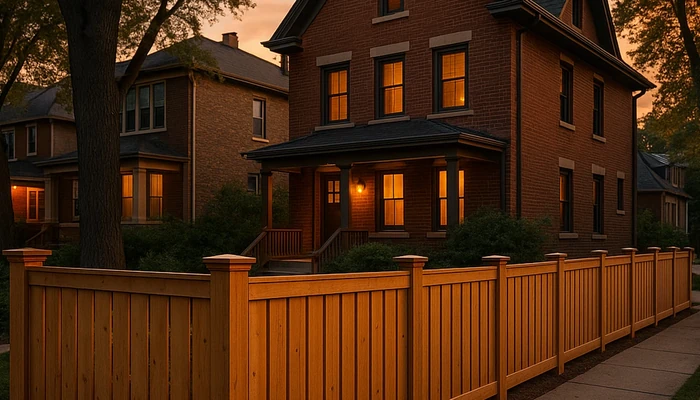
Wood fencing is classic and customizable. Options range from picket and privacy designs to horizontal slat and post-and-rail styles. Pressure-treated pine, cedar, and redwood are common in the Midwest, each with varying lifespans and appearance traits. While wood naturally blends with landscaping, it requires periodic sealing, staining, or painting to prevent rot and warping. Learn more about wood fence options in Chicago.
Vinyl Fences
Vinyl fences are known for their durability, minimal maintenance, and a wide selection of colors and profiles. They’re resistant to weather and insects and don’t require painting. However, not all vinyl products are created equal—some lower-cost options can discolor or become brittle with age. When installed to code, vinyl offers reliable privacy and sleek street presence. For pool safety specifically, see our pool safety compliance guide.
Chain Link Fences
Chain link is valued for affordability, transparency (no blocked sightlines), and low upkeep. Modern coatings and color choices elevate its appearance and lifespan. For enhanced privacy or urban beautification, decorative slats or climbing plants can be integrated. To understand chain link benefits, explore our in-depth guide.
Wrought Iron and Aluminum Fences
These durable metal fences are popular for both historical streetscapes and modern properties. Wrought iron features ornate designs and lasting strength (especially when galvanized), while aluminum mimics this elegance with lighter weight and rustproof construction. Both can boost security without sacrificing visibility. For historical properties or urban edges, they’re often code-required. See our styles and applications.
Composite Fences
Made from blended plastics and wood fibers, composite fences are designed to offer strength and weather-resistance with a low-maintenance surface. They provide a consistent, modern look and are ideal for those seeking both privacy and lasting curb appeal. Read more about composite fence options.
Key Safety Features for Streetscape Fencing
Effective safety starts with the right design. Features to consider include:
- Height and Visibility: Ensure fencing does not obstruct sightlines at driveways and sidewalks.
- Materials and Hardware: Choose secure posts, tamper-resistant fasteners, and reinforced gates.
- Access Control: For businesses or high-traffic areas, consider automatic gates and entry systems. Explore automated gate solutions for enhanced safety.
- Pools and Play Areas: Fencing should meet local regulations for pool barriers (typically at least 48″ high with self-latching gates).
- Lighting Integration: Adding low-voltage lighting to posts increases nighttime security and visibility.
Design Strategies to Beautify Urban and Suburban Spaces
Security and decor can, and should, go hand in hand:
- Coordinated Style: Match fence color and design to building architecture and landscape elements.
- Plantings: Use hedges, vines, and flower beds alongside or through fence panels for a softer, greener effect.
- Custom Finishes: For metals, powder-coating in custom colors adds durability and visual interest. See galvanization guidelines for reference.
- Decorative Panels: Mix solid and open sections or latticework to balance privacy with openness.
- Community Cohesion: When doing multi-property projects, coordinate fence height, setback, and color choices for a uniform, attractive streetscape.
Perimeter Security Essentials: From Materials to Smart Technology
Streetscape security increasingly involves advanced methods. Alongside traditional barriers, today’s solutions include:
- Robust Materials: Steel posts, welded wire panels, and reinforced gates withstand attempts at breaching.
- Smart Access: Automated gates, keypad entry, and remote access controls improve usability and safety for families and businesses alike. Learn about innovations at ONVIF.
- Surveillance Integration: Fences can be a platform for securing cameras and lighting at ideal vantage points.
- Bollards and Barriers: In commercial or high-traffic urban settings, iron or steel bollards prevent vehicle intrusions while blending with streetscape design. For more, see our steel post guide.
Local Codes, HOAs, and Permitting for Street-Facing Fences
Many homeowners in Chicago, Illinois wonder what is allowed along front yards and sidewalks. Always check city zoning codes, permit rules, and neighborhood HOA guidelines before planning a fence project. Common requirements include:
- Maximum fence height (typically 36–48″ in front yards, higher for rear yards)
- Minimum setback from public sidewalks or parkways
- Permitted materials and colors
- Visibility triangle restrictions at corners or driveways
Some neighborhoods have design review boards requiring pre-approval for any fencing. Chicagoland Fence Pros recommends consulting neighbors and local authorities before breaking ground. For more tips, see our fence regulations guide.
Maintenance: Keeping Fences Safe and Attractive
Regardless of material, all fences require periodic inspection and care to maintain their safety and street-facing value:
- Wood: Annual cleaning, resealing, and prompt repair of any damaged pickets or posts
- Metal: Check for corrosion, repaint welded areas as needed, lubricate hinges/gates
- Vinyl/Composite: Wash with gentle cleaners to remove mildew and grime, inspect fasteners/gate hardware
- General Safety: Confirm all gates latch securely and panels are upright, especially after storms
Thoughtful maintenance not only extends fence life but helps prevent small issues from becoming costly problems. For DIYers, see our maintenance tips for automated gates.
Realistic Budgeting: Costs, Lifespans, and Value
Every streetscape project has to balance cost versus benefit. The table below highlights factors affecting fence investment and projected lifespan:
| Material | Typical Cost/ft | Expected Lifespan | Maintenance | Visual Appeal |
|---|---|---|---|---|
| Wood | $18–$35 | 10–15 years (with upkeep) | High: stain/seal annually | Traditional, customizable |
| Vinyl | $22–$40 | 20–30 years | Low: occasional wash | Clean, modern, versatile |
| Chain Link | $13–$24 | 20+ years | Low: check for rust | Functional, can be decorative |
| Wrought Iron | $32–$65 | 30+ years | Moderate: paint, check welds | Elegant, historic, secure |
| Composite | $28–$50 | 20–25 years | Minimal: hose off | Contemporary, uniform |
Local labor, site conditions, and code requirements can affect your total project cost. Always request detailed, written estimates for fair comparison. For a full exploration of fence materials and cost breakdowns, see our evaluating costs guide.
Practical Steps for Planning Your Streetscape Fence Project
- Identify your main goals: Safety, privacy, curb appeal, noise reduction, etc.
- Assess your site: Note slopes, landscaping, driveway and sidewalk locations.
- Research local codes: Check zoning, HOA, and permit requirements before design.
- Choose materials and styles: Prioritize long-term durability and visual harmony.
- Get multiple estimates: Compare scope of work, warranty, timeline, and contractor credentials—prefer companies with licensed, insured teams.
- Plan for future care: Understand recommended inspections and seasonal maintenance tasks to protect your investment.
When in doubt, seek advice from a professional fence company familiar with Chicago, Illinois building codes and climate. Chicagoland Fence Pros provides honest material recommendations, transparent pricing, and helps you avoid costly mistakes.
FAQ: Improving Safety and Beautifying Streetscapes
-
What fence height is best for safety and visibility?
For front yards, 3–4 feet is usually optimal, balancing an open view with a defined boundary. Side and rear fences can be taller (up to 6 feet) for privacy and security—always verify local code limits before building.
-
Can fences be both private and beautiful?
Absolutely. Many modern materials (like composite, high-quality wood, or decorative metal) offer customizable profiles that provide privacy while contributing visually to the streetscape. Consider patterns, layered landscaping, and integrated design details.
-
How do I make sure my fence meets Chicago building codes?
Check zoning guidelines for your address, including fence height, setback, and permitted materials. Inquire about permits and work only with licensed contractors familiar with city regulations. This fence regulations article offers further details.
-
What are the most durable fences for Chicago’s climate?
Galvanized steel posts, vinyl, aluminum, and composite fences stand up well to harsh winters and moisture. Treated hardwoods (like cedar) also perform well with regular upkeep. Read more on climate-appropriate materials.
-
How do I maintain the look of my fence long-term?
Annual inspections, proper cleaning, and timely repairs of hardware or finishes are key. Use durable, weather-resistant materials and consider professional touch-ups every few years for wood or metal systems. More tips can be found on our fence maintenance page.
-
Can smart security be integrated into fences?
Yes—in fact, modern automated gates, smart locks, and remote monitoring systems can be incorporated into new or existing fences. Consult with a professional to ensure systems are compatible and weatherproof. See ONVIF’s mission for info on interoperability.
-
Are permits required for fence installations?
Nearly all Chicago-area municipalities require permits for new street-facing fences. It’s essential to check city hall or the local building department, as rules vary by property type and fence location.
-
What is the best fence for pet safety?
Chain link, solid panel, or privacy fences with gaps no wider than 4″ are all safe for pets. Gates should self-latch and close securely. For more details, see our guide on pet fencing.
-
How do I coordinate fences with neighbors?
Discuss plans early, share design samples, and coordinate heights, color, and style for shared side or rear fences. Many neighborhoods have “good neighbor” policies to support consistency and harmony.
-
How do bollards or barriers contribute to safety?
Bollards, often made from iron or steel, provide robust protection against vehicles without disrupting pedestrian flow. They’re frequently used at street entries and commercial sites for enhanced public safety.
Conclusion: Next Steps for Safe and Beautiful Streetscapes
Improving safety and beautifying streetscapes requires an informed approach—balancing codes, material qualities, and design aspirations. Homeowners and property managers in the Chicago, Illinois area can maximize both value and visual harmony by carefully evaluating options, maintaining their investment, and seeking advice from experienced professionals.
If you’re ready to enhance your property’s presence and safety, contact Chicagoland Fence Pros for clear, honest recommendations. You can also request a residential fence estimate from our team or learn about commercial fencing services here. Every project begins with your unique goals, and our experts are ready to help you build safer, more beautiful streetscapes.
About Chicagoland Fence Pros
Chicagoland Fence Pros has over 15 years of experience installing a full range of fences for homeowners and businesses in Chicago, Illinois and nearby communities. Specializing in code-compliant installations of wood, vinyl, aluminum, steel, and composite fencing, their team focuses on security, curb appeal, and clear customer education. Chicagoland Fence Pros is licensed, insured, and committed to durable, attractive solutions for every property.
fence contractor in chicago, residential backyard fence chicago, privacy residential fence, dog fence Rockford IL, residential backyard fence Plainfield, home fence Andersonville, home fence Lake In The Hills, residential backyard fence River Forest, residential fences Burbank, residential yard fence Oak Lawn