
Custom Wrought Iron Handrails: Exquisite Elegance Explained
Choosing the right handrail can transform your property’s appearance, safety, and value. With so many railing options available, it’s natural to feel overwhelmed—especially if you’re considering a custom solution for the first time. Homeowners and property managers often wonder whether wrought iron is worth the investment, how it stands up to Chicago’s dynamic climate, and what styles offer both elegance and practicality. In this guide, we’ll explore everything you need to know about custom wrought iron handrails—from their design flexibility and timeless appeal to durability, safety codes, and realistic maintenance. By the end, you’ll have a clear understanding of how exquisite elegance and ironwork expertise from companies like Chicagoland Fence Pros deliver lasting value.
Understanding Wrought Iron: What Makes It Special?
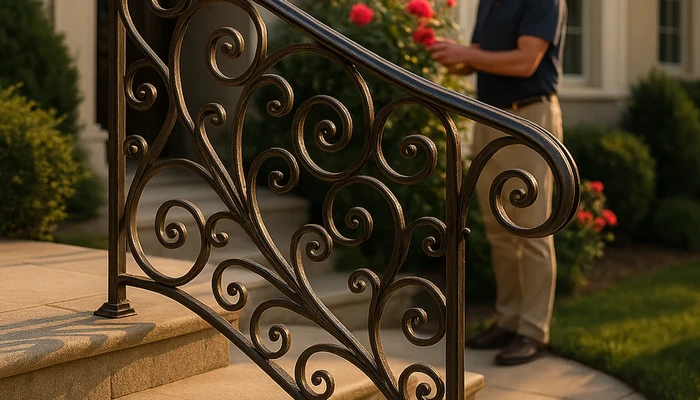
Wrought iron has captivated architects and property owners for centuries, thanks to its unique combination of beauty and strength. Unlike cast iron, wrought iron is heated and worked by hand, producing a fibrous, malleable material renowned for resilience and intricate designs. This process allows artisans to create curves, twists, and ornamental flourishes that set custom handrails apart from mass-produced alternatives.
- Durability: Adaptable to high-traffic spaces and Chicago’s weather extremes.
- Custom Design: From understated lines to ornate scrolls, the possibilities are almost endless.
- Longevity: Wrought iron outlasts many other materials when properly maintained.
Handrails crafted from wrought iron provide both functional support on steps and elevated surfaces, and a sophisticated architectural feature that complements traditional or contemporary properties.
The Aesthetic Impact: Elevating Your Home or Building
First impressions matter. Custom wrought iron handrails deliver a sense of permanence and care—whether they’re gracing your front steps, accenting a garden path, or outlining commercial entryways. Their ability to be tailored to your taste means you’re investing in something one-of-a-kind.
- Curb Appeal: Elegant handrails can instantly elevate an entrance and signal quality construction.
- Personalization: Incorporate specific motifs, monograms, or patterns to reflect your style.
- Architectural Fit: Designs can echo historic, modern, or transitional themes and even comply with preservation guidelines in older Chicago neighborhoods.
See more on the visual benefits of ironwork and trends in the influence of iron railings on exterior aesthetics.
Design Options: Styles, Patterns, and Customization
One of the hallmarks of custom wrought iron handrails is their adaptability. Chicago homeowners and property managers frequently select from these popular styles:
- Classic Scrolls and Curves: Evoking European tradition with gentle, flowing lines.
- Geometric Motifs: Clean, bold shapes for modern architecture.
- Gothic or Victorian Elements: For vintage or historic buildings.
- Minimalist Rails: Linear, simple bars for a contemporary look with maximum visibility.
Customization also includes handrail profiles, picket shapes, post caps, and paint or powder-coating colors. Discussing your vision with a reputable contractor like Chicagoland Fence Pros ensures your handrails are both beautiful and functional. For inspiration, check out classic and functional iron railing design and current trends in iron railing design.
Practical Benefits: Safety, Accessibility, and Code Compliance
While aesthetics are important, handrails serve a crucial safety role by preventing falls and guiding users along stairs or ramps. Custom wrought iron handrails can be designed to:
- Meet specific height and clearance requirements per building codes
- Offer superior grip and stability with smoothly finished surfaces
- Integrate with accessibility needs—including ADA guidelines
Local ordinances in the Chicago area establish standards for handrail height, spacing, and installation methods. It’s critical to work with a contractor experienced in local compliance. For broader accessibility considerations, reference the ADA law enforcement guide as a starting point. Always check with your municipality or condominium/HOA for any additional requirements.
Wrought Iron vs. Other Materials: Comparing Your Options
Wondering how wrought iron handrails compare against wood, aluminum, vinyl, or composite options? Below is a quick reference table summarizing key considerations:
| Material | Durability | Customization | Upkeep | Lifespan |
|---|---|---|---|---|
| Wrought Iron | Excellent | High | Moderate (periodic paint/protection) | 50+ years |
| Wood | Good | Medium | High (painting/staining) | 15-25 years |
| Aluminum | Very Good | Medium | Low | 30-50 years |
| Vinyl | Fair | Low | Low | 15-30 years |
| Composite | Good | Medium | Low | 25-40 years |
When security, longevity, and artistic flair are top priorities, custom wrought iron is hard to match. However, each material comes with trade-offs—budget, appearance, and required maintenance vary. For a deep dive into aluminum fences and practical alternatives, check out our aluminum fences in Chicago page.
Installation Process: What to Expect
Understanding what the installation process involves helps set realistic expectations and avoid surprises:
- Site Assessment: A professional will evaluate your property, measure spaces, and discuss design preferences.
- Design & Proposal: Receive detailed drawings and clear cost estimates.
- Permitting & Approval: Local building codes or HOA rules may require review and sign-off before fabrication begins.
- Fabrication: Skilled metalworkers shape, weld, and finish the pieces (usually offsite in a workshop).
- Installation: Rails are anchored securely, checked for code compliance, and any finish work (e.g., painting) is completed onsite.
- Inspection: Many municipalities—including Chicago—require a final inspection for safety and code adherence.
At every stage, transparent communication from your contractor avoids delays and ensures your vision translates into reality. Read more about choosing the right craftsman in Iron Railings: A Blend of Strength, Elegance.
Maintenance and Longevity: Keeping Iron Handrails Beautiful
Wrought iron is very resilient, but regular maintenance is still necessary to protect its appearance and integrity—especially in areas subject to snow, ice, and humidity.
- Inspect for scratches, rust spots, or chipped paint annually.
- Clean with mild soap and water; rinse thoroughly.
- Touch up paint or protective coatings to prevent rust from forming.
- Lubricate hinges or moving parts as needed.
If damage or substantial rust is found, seek professional repair to extend lifespan. Learn more with our post on iron railings resistance to weather conditions.
Cost Considerations: Budgeting for Custom Wrought Iron Handrails
Prices for custom wrought iron handrails can vary widely based on design complexity, length, installation challenges, and material prices. Expect to invest more upfront compared to basic wood or vinyl, but factor in the longer lifespan and curb appeal.
- Simple Styles: Lower end of the budget, suitable for utility railings and minimalist designs.
- Ornamental or Historic Replication: Higher cost due to labor and intricacy.
- Repairs and Restoration: Costs depend on condition and required work.
Always request a transparent, itemized quote—an established company like Chicagoland Fence Pros will clearly explain materials, labor, timelines, and warranty coverage. For property managers considering repairs, see iron railings in restoration projects.
Sustainability and Environmental Impact
Many clients today are interested in sustainable choices for their properties. Wrought iron is a recyclable material, and some handrail fabricators incorporate recycled iron into their products. Choosing long-lasting materials and minimizing replacements also reduces overall environmental impact. For an in-depth look, see the environmental impact of recycled iron handrails.
Common Use Cases: Where to Install Wrought Iron Handrails
- Front steps and stoops: The most common location, boosts safety and appearance.
- Garden paths and retaining walls: Provides safe passage over uneven ground.
- Porches, balconies, and decks: Ensures fall prevention and adds architectural detail.
- Interior stairs: Suitable for historic homes seeking both code compliance and period authenticity.
- Commercial entrances: Durable option for high-traffic areas exposed to the public.
Always confirm that the selected design fulfills the physical requirements of each location, such as height and grip.
Local Codes and Permits: What Chicago-Area Owners Need to Know
In the Chicago, Illinois area, building codes define minimum standards for handrail height, spacing, distance from walls, and more. Many neighborhoods or condo associations have their own requirements as well. Working with a local expert ensures:
- Handrail designs are approved before fabrication.
- No delays or fines from missing permits.
- All installations are ready for final inspection upon completion.
If you have specific questions about city codes, always reach out to your local planning office or discuss with a licensed contractor like Chicagoland Fence Pros. For more on code compliance and safety, refer to key aspects in iron railings and the ADA enforcement guide.
FAQ: Custom Wrought Iron Handrails
What is the difference between wrought iron and cast iron for handrails?
Wrought iron is hand-worked for superior flexibility and intricate design, making it ideal for custom railings. Cast iron is poured into molds and is usually more brittle. For most handrail applications, wrought iron is the preferred choice due to its strength and workability.
How long do wrought iron handrails last?
When professionally fabricated and maintained, wrought iron handrails can easily last 50 years or more—even in Chicago’s fluctuating climate.
How do I keep my wrought iron handrails from rusting?
Protective paint or powder coatings form a barrier between moisture and iron. Inspect annually for chips or rust spots, addressing any issues promptly. Routine cleaning and occasional touch-ups will minimize corrosion risk.
Can you repaint or refinish old handrails?
Yes, old or weathered handrails can be sanded, primed, and repainted. Major repairs or extensive rust may require professional restoration. See iron railings in restoration projects for details.
Do custom wrought iron handrails meet accessibility standards?
They can be designed to meet ADA or local accessibility codes regarding height, grip, and spacing. Always confirm compliance with your contractor and refer to the ADA enforcement guide for official references.
Are they safe in winter and icy conditions?
Yes—wrought iron is strong and slip-resistant. However, like any railing, keep it clear of ice and snow for optimal safety. Non-slip coatings are available for added traction.
How much do custom wrought iron handrails cost?
The price depends on design complexity, size, and installation conditions. Request a detailed quote to understand your project’s specific costs and options.
Can wrought iron be used indoors as well as outdoors?
Absolutely. Wrought iron handrails make stunning additions to interior staircases, landings, and lofts, bringing elegance and durability to indoor environments.
How do I choose a quality contractor?
Look for experience with wrought iron, familiarity with local codes, positive client feedback, and transparent pricing. Chicagoland Fence Pros offers free consultations for Chicago-area homeowners and businesses. Learn more about selecting the right craftsman.
Can wrought iron handrails be repaired or updated?
Yes. Skilled metalworkers can repair damage, replace sections, or update finishes as your needs change.
Next Steps: Bringing Custom Elegance to Your Project
Custom wrought iron handrails offer a rare blend of beauty, security, and adaptability for any property. Whether you are restoring a historic building or updating a modern home, a well-designed iron railing stands the test of time—both structurally and aesthetically. Be sure to balance style and substance, consider code requirements, and consult seasoned experts for your next project.
If you are ready to explore your options or need advice tailored to your property, talk to our wrought iron railing specialists for a customized assessment. For other fencing needs, you can request a fence estimate for your home or browse our aluminum fence solutions.
About Chicagoland Fence Pros
Chicagoland Fence Pros brings over 15 years of experience helping homeowners and businesses in Chicago, Illinois and surrounding communities choose, install, and maintain high-quality fences and railings. Our team specializes in a full range of materials, including wood, vinyl, aluminum, steel, and custom ironwork, for both residential and commercial properties. We are fully licensed, insured, and committed to code compliance, offering honest advice, transparent quotes, and excellent craftsmanship every time.
chicago fence company, metal railings chicago, handrails chicago, railing replacement Des Plaines, metal railings Spring Grove, metal railing repair Elmhurst, metal railings Mundelein, railing repair Skokie, iron handrails Grayslake, stair railings Mchenry