
The Influence Of Iron Railings On Exterior Aesthetics: A Homeowner’s Guide
When first researching fence or railing options, many homeowners and property managers in the Chicago, Illinois area are struck by the sheer variety available. The challenge is not just about choosing what looks beautiful but also picking a solution that stands up to local climate, codes, and personal needs. The influence of iron railings on exterior aesthetics is profound—these architectural features can turn an ordinary façade into a stunning statement or transform an entryway into a safe, welcoming environment.
This guide dives deep into how and why iron railings are such a powerful tool for enhancing exterior aesthetics. You’ll learn about the history behind these features, modern innovations and materials, comparisons with other options, and what it really means for curb appeal, value, and long-term maintenance. By the end, you’ll have a practical understanding of how iron railings can fit your property’s needs—both visually and structurally. The experts at Chicagoland Fence Pros share real-world advice throughout, drawing from extensive experience with Chicago’s unique challenges.
Why Exterior Railings Matter: Beyond Simple Safety
Exterior railings are more than just safety features—they set the tone for your entire property. From defining entry steps to outlining balconies and porches, the right railing complements the architecture, adds texture and color, and serves as an immediate focal point.
- First Impressions: Railings are one of the first things visitors notice.
- Architectural Cohesion: The right railing style and material brings harmony to facades, walkways, and landscape features.
- Functional Framing: Properly designed iron railings frame entrances, guide movement, and help direct sightlines.
Whether you’re overseeing an apartment building renovation or choosing fencing for a newly purchased home, understanding these broader roles can help guide smart railing investments.
The History and Evolution of Iron Railings
Iron railings have been essential to American and European architecture for over two centuries. The earliest examples in Chicago date back to Victorian and Gothic Revival eras, where ornamental wrought iron signaled status, security, and lasting quality.
- Victorian and Art Nouveau: Elaborate scrollwork, crests, and floral motifs defined these periods.
- Modern Minimalism: In recent years, clean lines, matte black finishes, and geometric shapes have gained popularity.
Today, iron railings range from historically accurate reproductions (perfect for restoration projects) to sleek, contemporary interpretations suited for urban lofts and commercial spaces.
How Iron Railings Shape Exterior Aesthetics
Nothing matches the bold yet nuanced impact of iron railings on curb appeal. Here’s why they remain a favorite in Chicago and nationwide:
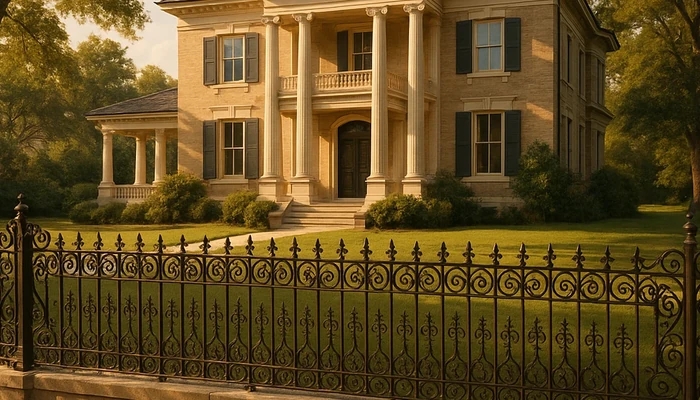
- Visual Contrast: Iron provides a striking outline against stone, wood, or brick exteriors.
- Detail and Depth: Intricate ironwork adds richness and shadow, drawing the eye and creating visual layers.
- Instant Character: Both ornate and minimalist designs can make bland exteriors memorable and unique.
- Maintain Open Views: Unlike solid walls, iron railings protect without blocking light or sightlines.
This power to elevate, define, and customize the look of your property is a significant benefit—one enhanced by modern fabrication techniques and coatings.
Comparing Iron Railings to Other Exterior Options
| Feature | Iron Railings | Wood Railings | Vinyl/Composite Railings | Aluminum Railings |
|---|---|---|---|---|
| Visual Impact | Strong, classic, and elegant | Warm and traditional, but can weather | Consistent color, modern feel | Sleek and modern, limited shapes |
| Customization | Highly customizable (shapes & finishes) | Limited by wood types | Some flexibility | Good, but not as detailed as iron |
| Durability | Excellent with proper coating | Vulnerable to water, insects | Good, may fade or crack over time | Strong and rust-resistant |
| Maintenance | Low to moderate, needs occasional inspection | High—needs staining/sealing | Low | Very low |
| Cost | Medium to high (but lasts decades) | Low to medium | Medium | Medium |
While each option offers benefits, iron stands out for its longevity, classic appeal, and near-limitless customization.
Types of Iron Railings: Wrought Iron, Cast Iron, and Modern Hybrids
Understanding the material options behind iron railings can help you prioritize both look and function:
Wrought Iron
Traditionally hand-forged, it boasts ductility for intricate designs. Ideal for restoration work and high-end architectural statements.
Cast Iron
Molded into shape, often used for repeating patterns and cost-efficiency. Less flexible for customization but excellent for classic motifs.
Modern Iron/Steel Alloys
Combines the strength of steel with anti-corrosive coatings for resilience. Commonly powder-coated for color and weather protection, especially important in Chicago’s harsh climate.
Styles and Customization: From Classic to Contemporary
One of the greatest advantages of iron railings is the sheer diversity of available styles. Some popular choices include:
- Ornamental Scrollwork: Signature Victorian and Queen Anne era designs.
- Vertical Pickets: Simple, timeless, and secure.
- Geometric Patterns: Squares, circles, and lattice for modern architecture.
- Custom Logos or Motifs: Tailored for commercial properties or homeowner distinction.
Experienced fabricators like Chicagoland Fence Pros can help plan something that both complements your building’s lines and reflects personal taste. (See more inspiration in this overview of classic iron railing design.)
Color and Finish Options: Balancing Beauty and Protection
The right finish is crucial for appearance and longevity. Most modern iron railings are:
- Powder-Coated: Offering a smooth, hard finish in custom colors.
- Galvanized: Zinc coatings provide rust protection—especially important in wet, icy Chicago winters. (For more on galvanized protection, see this technical resource.)
- Painted: Classic approach, but be mindful of environmental VOCs and performance (details at Green Seal’s VOC guide).
Choosing a weather-resistant finish extends the life of ironwork and maintains curb appeal.
Key Considerations for Iron Railings in Chicago, Illinois
Local climate, building codes, and neighborhood character all influence the results of an iron railing project.
- Weather Resistance: Snow, ice, freeze–thaw cycles, and road salt demand robust coatings and rust-resistant alloys.
- Building Codes: Always verify local compliance, especially around multi-unit housing and business entrances. Heights, spacing, and securing methods must meet safety standards.
- HOA Guidelines and Historic Districts: Some areas mandate specific colors, styles, or restoration techniques.
From our experience as a fence company in Chicago, Illinois, it pays to have a partner who understands both aesthetics and regulations. For highly tailored projects, read our deeper dive into key aspects in iron railings.
Maintenance, Durability, and Longevity: What to Expect
Iron railings are renowned for their durability, but even the best installations require care:
- Inspection: Check annually for chips, rust spots, or bolts that may have loosened due to freeze–thaw cycles.
- Cleaning: Mild soap and water keep finishes looking new; avoid harsh abrasives.
- Repainting or Powder-Coating: Depending on exposure, a refreshed coating every 7–12 years keeps railings protected.
Compared to wood, which requires frequent sealing, or vinyl which may crack in extreme cold, iron is generally low-maintenance. For restoration-specific situations, you may find value in this dedicated resource.
Environmental Impact and Modern Sustainability
Iron is highly recyclable—most new railings use a mix of new and recycled materials. Powder coatings and modern paints can be selected for lower VOCs and environmental safety (see Green Seal’s guide for details). This makes iron railings a responsible choice for property owners wishing to balance longevity with sustainability.
Boosting Property Value and Curb Appeal
According to property managers and realtors in Chicago, well-designed iron railings can:
- Significantly enhance curb appeal, making a home or business more attractive to buyers or tenants.
- Signal attention to detail and pride of ownership, potentially increasing perceived value.
- Meet insurance or security requirements in some neighborhoods or building types.
While costs can vary, the long-term ROI is compelling—especially when balanced with the durability and low upkeep of modern iron solutions.
Common Trade-Offs and How to Decide
Choosing iron over other materials involves weighing the following:
- Cost vs. Lifespan: Upfront investment is higher, but longevity is greater.
- Maintenance vs. Appearance: Occasional touch-ups keep iron brilliant for decades.
- Design Flexibility vs. Complexity: Intricate custom work can increase lead times and fabrication costs.
It’s smart to review several styles and materials (and their real-world pros and cons) with a trusted fence professional to ensure you select an option that matches both your vision and budget. For a broader review of choices, consider a side-by-side look at vinyl fence options for comparison, or this post on iron’s timeless appeal.
Case Studies: Iron Railings Transforming Chicago Properties
Restoring a Classic Brownstone
A historic Lincoln Park home needed a new front entryway to replace aging wood steps. Custom-forged iron railings provided the period-appropriate detailing, increased security, and required only seasonal cleaning—significantly boosting curb appeal.
Modernizing a Multi-Unit Building
In Bucktown, switching from simple aluminum to powder-coated black iron railings dramatically updated the façade of a 10-unit walk-up, attracting new tenants and impressing existing residents with improved aesthetics and safer entry points.
Commercial Storefront Makeover
A local boutique on Milwaukee Avenue chose geometric-patterned iron railings, creating a refined yet secure perimeter around their outdoor seating. The new look won praise for both functionality and style, proving that practical choices can be beautiful, too.
FAQ: Iron Railings and Exterior Aesthetics
- Q: Are iron railings safe for children and pets?
A: Yes—when designed and installed according to code, iron railings provide excellent safety. Ensure spacing complies with local standards to prevent accidents.
- Q: How long do iron railings typically last in Chicago’s climate?
A: With quality coatings and basic maintenance, iron railings usually last 30–50 years, even with challenging winters.
- Q: What are my options for color and finish?
A: Powder-coating allows for a wide range of colors and textures. Many property owners prefer matte or satin black for a classic look, but custom colors are possible.
- Q: Do iron railings fit both historic and modern homes?
A: Absolutely—skilled fabricators can match or reinterpret any era’s look, from ornate scrolls to minimalist lines.
- Q: Are iron railings difficult to clean?
A: Not at all. Usually, mild soap and water are sufficient. Inspect occasionally for chips or scratches to prevent rust.
- Q: Can iron railing installations be customized for commercial properties?
A: Yes. Many businesses select unique motifs, logos, or security enhancements for branding and functionality.
- Q: How do I select a reputable iron railing installer?
A: Look for licensed, insured companies with experience in Chicago’s environment—like Chicagoland Fence Pros—and review their local portfolio.
- Q: What maintenance is required over time?
A: Beyond annual cleaning and inspections, occasional touch-ups to coatings are recommended for maximum lifespan.
- Q: Can iron railings be integrated with gates or fences?
A: Certainly. Iron railings can coordinate seamlessly with matching gates or full perimeter fencing for a unified appearance.
- Q: Do I need HOA or permit approval?
A: In many neighborhoods, yes. Always check your HOA guidelines and local permits before starting a project.
Conclusion: Making the Right Iron Railing Decision for Your Property
Iron railings offer a unique blend of security, style, and long-lasting value for anyone looking to enhance their property’s exterior. Whether you favor ornate traditional patterns, sleek contemporary lines, or something custom, you’ll benefit from both visual impact and practical performance—especially when guided by expert advice on design, materials, and compliance.
If you’re considering an exterior update or need honest advice about railing options, talk to our Chicago iron railing specialists for tailored guidance. Or browse more inspiration like these approaches to enhancing home aesthetics.
Chicagoland Fence Pros invites you to request a free fence or railing estimate and discover what years of local experience and code-compliant construction can do for your property.
About Chicagoland Fence Pros
Chicagoland Fence Pros is a professional fencing provider with over 15 years installing fences and railings in the Chicago, Illinois area. Our team serves homeowners and businesses across the region, delivering durable, code-compliant solutions in wood, vinyl, aluminum, iron, and composite materials. We focus on clear communication, transparent pricing, and attention to detail—always prioritizing safety, value, and curb appeal for every project.
fence contractor chicago, iron railings chicago, iron handrails chicago, iron railings Algonquin, handrails Highland Park, handrails Aurora, iron railings Romeoville, custom iron railings North Halsted, metal railings Lisle, railing replacement Round Lake Beach