
The Strength of Steel Posts: A Practical Guide for Homeowners and Property Managers
If you’re considering a new fence for your property, you’ve probably compared wood, vinyl, and various metals—but what makes steel posts stand out? The strength of steel posts has made them an increasingly popular choice among homeowners and property managers in Chicago, Illinois and beyond. With unpredictable Midwest weather, strict building codes, and rising security concerns, getting the right support system for your fence can make all the difference between a long-term investment and an ongoing headache.
In this in-depth guide, you’ll learn why steel posts are favored for durability and safety, how material choices impact maintenance and life span, and what to realistically expect from a steel-supported fence. Drawing on insights from Chicagoland Fence Pros—with over 15 years working in the local climate—we’ll cut through confusion and marketing hype so you can make an informed decision about your property, whether you’re protecting a home or managing a multi-unit residential or commercial space.
Why the Post Matters: Understanding Fence Structure Basics
Every fence, regardless of style, relies on vertical support posts. These posts act as the backbone, anchoring the structure and transferring wind loads, impacts, and daily wear into the ground. Weak or improperly installed posts are the number one cause of fence failures, especially after heavy storms or years of exposure.
- Steel: Known for its high tensile strength, uniformity, and resistance to pests.
- Wood: Traditional, easy to work with, but vulnerable to rot and insects without proper treatment.
- Aluminum: Lightweight, rust-resistant, but less strong than steel for high-security applications.
- Vinyl/Composite: Low maintenance, but typically uses internal steel or aluminum posts for support in windy regions.
The right post material impacts the fence’s longevity, code compliance, and maintenance costs.
The Strength of Steel Posts: What Sets Them Apart?
Steel posts are chosen for their remarkable strength. Unlike wood, which can warp or rot, and aluminum, which bends more easily, steel provides long-term structural integrity even under challenging conditions.
| Property | Wood | Aluminum | Steel |
|---|---|---|---|
| Tensile Strength | Low-Medium | Medium | High |
| Rot/Corrosion Resistance | Needs Treatment | Excellent | Excellent (with coating) |
| Code Compliance | Common, but issues with longevity | Reliable for some codes | Highly reliable |
| Wind/Impact Resistance | Variable | Good | Excellent |
Even well-maintained wood or composite fences in Chicago climates often struggle to match the resilience of properly installed steel posts. Galvanized or powder-coated steel offers further protection against moisture and seasonal salt exposure from nearby sidewalks or roads.
Types of Steel Posts: Options and Applications
Not all steel posts are the same. The type and gauge (thickness) affect performance and cost. Here are common options:
- Galvanized Square or Round Posts: Used in residential privacy, security, and chain link fences.
- Powder-Coated Steel: Color options and added resistance for visible applications.
- Heavy-Duty Structural Steel: Essential for commercial or high-security perimeters, often code-specified.
- Steel Posts with Concrete Footings: Standard for maximizing strength and minimizing movement over time.
Your choice depends on fence height, exposure to wind, desired appearance, and specific security needs.
Steel vs. Other Fence Post Materials: Pros, Cons, and Trade-offs
Let’s compare steel with the most common alternatives:
- Wood: Pros: classic look, cost; Cons: higher maintenance, less durable in soil contact, susceptible to insects and rot.
- Aluminum: Pros: lightweight, rustproof; Cons: less strong, may dent or bend, usually costlier than wood.
- Steel: Pros: extremely strong, long-lasting, fire-resistant, adaptable to wiring and panels; Cons: can rust if the coating is damaged, heavier install, cost can be higher upfront.
Read more about how materials affect longevity in choosing the best fence materials based on climate.
Security and Safety: Why Steel Posts Are Preferred for Perimeter Defenses
Steel’s superior strength translates directly into better resistance to wind loads, forced entry, vehicle impacts (for perimeter or parking lot fences), and everyday wear. That’s why commercial properties, schools, and municipal projects often rely on professionally engineered steel posts.
For some security applications, posts are filled with concrete or anchored to specifically engineered footings—techniques that, while raising costs, drastically improve durability against forced breaches.
To learn about steel’s role in modern security, see the section on physical barriers in Structure Magazine and official industry codes from the ASTM.
Building Codes and Standards for Steel Fence Posts
In Chicago, Illinois, and most municipalities, fencing must comply with local codes regarding height, set-back, and sometimes even the material or coating. Steel posts are favored because they meet stringent structural requirements, including those for wind and snow load.
Always check with your city permits office and consult the comprehensive standards from sources like the ASTM before installation. Codes may specify post diameter, depth, and required coatings for fencing in areas exposed to road salt or moisture.
Installation Best Practices: Setting Steel Fence Posts for Success
A strong post is only as reliable as its foundation. Here’s what experienced contractors like Chicagoland Fence Pros recommend:
- Use proper concrete footings, extending below the frost line (typically 36″ in Chicago).
- Apply corrosion-resistant coatings or select pre-galvanized posts.
- Check alignment and spacing precisely before pouring concrete.
- Allow curing time—don’t stress posts with panels too soon.
- Verify compliance with local codes and get inspection sign-off as needed.
See our detailed fence installation guide for step-by-step instructions relevant to Chicago property owners.
Maintenance of Steel Posts: What Can You Expect?
One of the major advantages of steel is reduced maintenance—but “low” does not mean “none.” Here’s what to watch for:
- Check annually for scratches or chips in the coating (touch-up paint is easy to apply).
- Inspect at grade level for signs of corrosion, especially if exposed to road salt.
- Keep posts clear of debris to prevent moisture retention.
- Lubricate or clean any attached gates or hardware.
Read our tips for wire and steel fence preventive maintenance.
Real-World Examples: Steel Posts in Chicago’s Climate
Consider these scenarios:
- Residential Privacy Fence Replacement: A cedar fence with decayed wood posts replaced by steel posts, extending lifespan from 10 to over 25 years with minimal maintenance.
- Commercial Security Upgrade: An apartment complex chose steel-post chain link with anti-climb features for perimeter security, in compliance with local safety codes.
- Storm Resilience: Fences with steel posts proved more likely to withstand 50+ mph winds and shifting soil in spring thaws than nearby wood-only structures.
For more on property value impacts, see how fences can boost your property’s value.
Steel Post FAQs
Are steel posts worth the initial investment?
For most Chicago, Illinois properties, the upfront cost is offset by greater durability, code compliance, and lower maintenance over the years.
Can I use steel posts with wood panels?
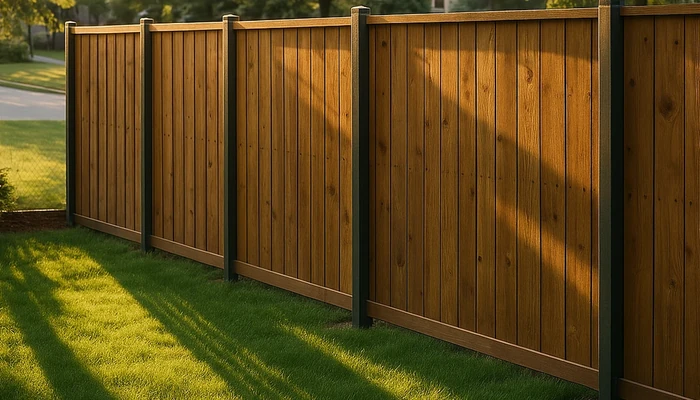
Yes. Many homeowners use steel posts for strength, paired with wood or composite boards for visual appeal.
How deep should steel fence posts be buried?
In Chicago, the standard is below the frost line—around 36 inches, though this may vary depending on local codes and soil conditions.
What coatings are best for steel posts?
Pre-galvanized and powder-coated finishes provide the best corrosion resistance, especially important for Midwest climates.
Do steel posts meet city building codes?
Steel is widely accepted and often preferred for its strength. Still, always verify precise requirements with local permit authorities or check official code resources (ASTM).
Can I install steel posts myself?
DIY is possible for some, but proper alignment, depth, and code compliance are critical—professional installation is strongly recommended.
How do steel posts compare in cost to wood?
Steel posts usually cost more up front but save on replacement and repair long term. Local material prices and site conditions affect the final budget.
Are steel posts reusable if I change the fence later?
Often, yes—if undamaged, steel posts can be repurposed for new fence panels or designs.
How does steel perform with vinyl or composite fencing?
Steel posts are sometimes paired with vinyl or composite panels for maximum low maintenance and structural integrity.
Are there security upgrades or accessories for steel posts?
Yes. Anti-climb tops, security fasteners, and integrated lighting are options—ask your fence specialist for advice based on your goals.
Summary: Is a Steel-Posted Fence Right for You?
Choosing the right fence post is vital to the safety, longevity, and compliance of your installation. The strength of steel posts offers remarkable advantages—especially in the demanding climate and regulatory environment of Chicago, Illinois. From increased resistance to weather and security threats to lower lifetime maintenance, steel posts provide peace of mind for homeowners and property managers alike.
If you’re planning a new fence or considering an upgrade, request a fence estimate or talk to our fence specialists for honest advice on the best material options for your property.
For further reading, explore our guides on fence material selection, installation tips, and steel fence maintenance.
About Chicagoland Fence Pros
Chicagoland Fence Pros has over 15 years of experience installing durable, code-compliant fences in Chicago, Illinois and the surrounding suburbs. Our team specializes in steel, aluminum, wood, and vinyl fencing for both residential and commercial properties. We pride ourselves on transparent advice, reliable construction, and compliance with all local building codes. Chicagoland Fence Pros is fully licensed and insured, serving homeowners, property managers, and businesses who value lasting security and curb appeal.
fencing chicago, residential fence replacement, dog fence, home fence Rockford, privacy residential fence Zion, pool fence Naperville, residential fence replacement Oak Park, home fence Kenilworth, privacy residential fence Wheeling, residential fencing Lincolnshire