
The Contribution Of Compound Fences To Privatization: A Comprehensive Guide
Choosing the right fence for your property can feel overwhelming, especially with so many options and features available. For homeowners and property managers, the balance between privacy, aesthetics, and long-term value is crucial. In Chicago, Illinois, questions about how fences improve privacy and security are common, and compound fences are increasingly in the spotlight. When considering The Contribution Of Compound Fences To Privatization, it’s essential to understand their unique strengths, trade-offs, and how they respond to local needs. In this comprehensive guide, we’ll clarify what compound fences are, examine their impact on privacy, security, and property value, and provide practical advice on materials, regulations, and care. By the end, you’ll feel equipped to choose the best fence for your needs—and know exactly when to reach out to trusted pros like Chicagoland Fence Pros for guidance.
Understanding Compound Fences: What Sets Them Apart?
Compound fences combine two or more materials—such as wood, metal, and vinyl—into a single fencing system. Unlike traditional single-material fences, compound fences are engineered for enhanced privacy, security, and design flexibility. This combination often means better durability against Chicago’s challenging climate, as strengths of each material are leveraged to minimize weaknesses.
- Privacy: Denser materials or layered designs block outside sightlines.
- Security: Integrating strong metals or reinforced panels deters intrusion.
- Design: Options for color, shape, and style to match your property’s look.
Compound fencing is suited for residential yards, commercial properties, and even mixed-use developments where privacy and custom appearance are both desired.
Why Privatization Matters: Fences as Boundary and Buffer
Privatization, in the context of property, refers to the ability to define, control, and manage access to your space. Compound fences provide a physical and psychological barrier, reinforcing the sense of ownership and protection. In urban environments or densely settled neighborhoods, maintaining a buffer can make all the difference in comfort and safety.
- Reduces visual and audio intrusion from passersby or neighbors
- Discourages trespassing, accidental or intentional
- Helps comply with city codes and homeowner association (HOA) rules
- Offers peace of mind for families and property managers
For more on how effective fencing boosts property value, see this detailed guide on property value impact.
Types of Compound Fence Designs: Matching Privacy to Purpose
Compound fences aren’t one-size-fits-all. Options range from standard wood-and-metal hybrids to advanced composite panels that mimic natural materials. Here’s how some common designs align with privacy goals:
| Design | Materials | Best For | Notes |
|---|---|---|---|
| Wood framing + steel infill | Wood posts, steel sheet or panel | Urban privacy, modern look | Durable and highly secure, low maintenance |
| Vinyl + aluminum posts | Vinyl privacy panels, aluminum posts/caps | UV/rot resistance, suburban yards | Wide range of colors, minimal upkeep |
| Composite + metal mesh | Composite boards/panels, wire mesh sections | Pet containment, commercial | Modern, secure, customizable height |
| Wood + ornamental iron | Cedar body, iron toppers or rails | Decorative, upscale properties | Mixes beauty with functional security |
For a breakdown of how different materials perform in the Chicago climate, see our article on fence materials and weather durability.
How Compound Fences Enhance Security and Privacy
Physical Security Upgrades
Multiple layers or materials can improve a fence’s ability to withstand attempts at cutting, climbing, or forced entry. For example, pairing a solid visual barrier (like composite or vinyl) with a steel core increases both discretion and defense. These designs discourage casual intrusion and slow down any intentional breaches.
Visual Privacy and Comfort
The density of panels and the configuration of layers determines how much of your property is visible from outside. Compound fences excel in this area because they allow customization: solid panels near living areas, decorative openings where airflow or partial views are wanted.
For families or businesses sensitive to noise, some compound designs even absorb and block sound better than single-material options.
Materials and Trade-Offs: Costs, Durability, and Maintenance
Each material combination has its strengths and weaknesses, especially with the Chicago weather in mind. Here’s a quick look:
- Wood: Warm look but needs regular sealing or painting.
- Metal (steel/aluminum): Excellent longevity, may require rust protection.
- Composite: Low maintenance, woodgrain appearance, higher upfront costs.
- Vinyl: Easy care, resistant to moisture, but can fade without UV treatment.
Professional fence companies like Chicagoland Fence Pros can advise on mixing materials for your specific needs—whether it’s for strength, privacy, or visual appeal. For a detailed comparison, check out our list of top 5 fence materials.
Design Considerations: Aesthetics, Customization, and Code Compliance
Blending with Landscape and Architecture
Compound fences offer versatility to match architectural styles, neighborhood themes, or personal tastes. Decorative post caps, color-matched finishes, and shaped panels all let owners achieve a custom look while preserving the practical benefits of privacy and security.
Ensuring Regulatory Compliance
In Chicago, fencing regulations specify acceptable heights, locations, and sometimes materials—especially along public sidewalks or commercial areas. Always review city codes and HOA guidelines before committing to a design. Owners should apply for permits and, when in doubt, ask an expert. For more help navigating local rules, see this regulatory guide.
Installation: Planning, Timeline, and Professional Advice
Planning a compound fence involves collaboration between property owners, neighbors, and sometimes city inspectors. Steps include:
- Defining goals: privacy, security, curb appeal, or all three.
- Measuring and marking property boundaries.
- Selecting materials and design profile with realistic cost expectations.
- Checking regulations and applying for permits as required.
- Scheduling installation, typically 1–2 weeks for residential projects.
Most homeowners find professional installation ensures code compliance and correct assembly. For a step-by-step look at the installation process, visit our installation tutorial.
Maintenance and Longevity: Keeping Your Compound Fence Strong
The lifespan of a compound fence depends on how well each material is maintained. Regular care routines keep fences looking fresh and sturdy. Tips include:
- Inspect wood for rot or insect damage yearly; reseal as needed.
- Wash vinyl or composite panels with mild soap and water each season.
- Check metal parts for rust, repaint or treat as required.
- Keep bases clear of soil, mulch, or snow buildup.
Proactive upkeep reduces major repairs—and helps protect your investment for years to come. See our maintenance process guide for more expert tips.
Cost Factors and Budgeting for Compound Fences
Compound fences typically cost more upfront than basic wood or chain link, but their value lies in longevity and low maintenance requirements. Budget drivers include:
- Materials: Composite and steel are pricier than wood or vinyl alone.
- Design: Custom patterns or embedded logos can increase costs.
- Height/length: More material and labor equals higher price.
- Site conditions: Slope, rocks, or tight spaces may require special tools or techniques.
For general pricing guidance, we recommend our cost evaluation resource.
Community, Environment, and Public Spaces: Broader Impacts
Compound fences not only offer security for homeowners, but also shape the public realm. According to Project for Public Spaces, boundaries and enclosures influence how people experience and interact with their environment. When thoughtfully designed, fences define private and shared spaces without turning communities into isolated islands.
Likewise, material choices impact sustainability. Composite and recycled metal panels, for instance, minimize waste and can lower long-term environmental footprint.
Innovations in Compound Fencing: Trends and Future Directions
Fencing technology is evolving. Recent trends include smart gates, integrated lighting, and improved weather-resistant coatings. Chicago property managers increasingly look for solutions that offer both privacy and smart security—such as remote monitoring or automatic gates. For high-traffic or transit-adjacent lots, galvanized compounds and rail system innovations (see this rail transit resource) represent the next step in safety and resilience.
For a look at tomorrow’s fence technology, review our article on future fence innovations.
FAQs: Compound Fences and Privatization
- What is a compound fence?
A compound fence is built from two or more materials—such as wood, metal, vinyl, or composite—to achieve better privacy, security, and appearance than traditional single-material fences.
- Why are compound fences better for privacy?
The layered designs allow for complete visual barriers, blocking views into yards or commercial spaces. This enables property owners to use outdoor space more freely.
- How do compound fences affect property value?
Well-designed fences improve curb appeal and security, increasing a property’s desirability and sometimes its market value. Maintenance and materials choice also play a role.
- Are compound fences more expensive?
Upfront costs are higher due to material blending and installation. However, reduced maintenance and increased lifespan offer better value over time.
- What maintenance do compound fences require?
Routine cleaning, spot repairs, and seasonal inspections ensure long life. Specific tasks depend on the mix of materials used.
- Do I need a permit to install a compound fence in Chicago, Illinois?
Most new fences require a permit; always check city codes and HOA rules before building. Professional contractors like Chicagoland Fence Pros can help ensure compliance.
- Can I DIY a compound fence, or should I hire professionals?
Basic installation is possible for experienced DIYers, but professionals ensure code compliance, warranty coverage, and lasting results—especially with complex designs.
- What are sustainable options for compound fencing?
Look for recycled composite boards, powder-coated metals, and responsibly sourced wood. These minimize environmental impact while providing strength and style.
- Do compound fences block noise?
Higher-density panels and layered construction can help dampen sound, though for substantial noise reduction a specialist design is advised.
- Are compound fences customizable?
Yes. Owners can specify panel height, shape, color, and decorative features to match the surrounding architecture and landscape.
Conclusion: Making the Right Choice for Privacy and Value
Understanding The Contribution Of Compound Fences To Privatization gives you the confidence to select a solution for your property’s unique needs. Compound fences deliver on privacy, security, durability, and customization—qualities especially valuable in Chicago, Illinois’s diverse neighborhoods. Evaluate your goals, review material and design options, and always check local codes. When in doubt, contact Chicagoland Fence Pros for clear advice and a transparent planning process. For project ideas, see our ultimate fence design guide or explore our service offerings.
Chicagoland Fence Pros is a professional fence company with over 15 years of experience helping homeowners and businesses in Chicago, Illinois and surrounding communities. Specializing in wood, vinyl, aluminum, steel, and composite fencing for residential and commercial projects, the team prides itself on clear education, transparent processes, and code-compliant installations. Chicagoland Fence Pros is fully licensed, insured, and committed to recommending the right fence for every property.
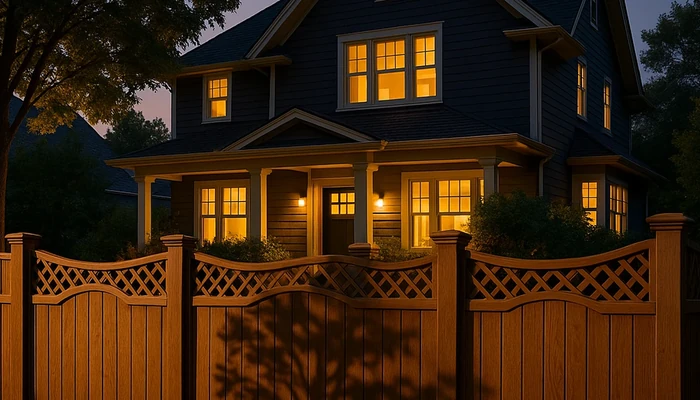
best fence company chicago, dog fence, residential fencing chicago, garden fence Addison, residential yard fence Lake Forest, dog fence West Chicago, residential backyard fence Norridge, residential fences Highland Park, dog fence Hampshire, home fence Mchenry