 Skip to content
Securing Privacy with Vinyl Fencing: A Practical Homeowner’s Guide
Choosing the right fence for your property can be challenging, especially when privacy, security, durability, and maintenance are critical factors. Homeowners and property managers often find themselves debating various materials and designs to protect their households while improving curb appeal. Securing privacy with vinyl fencing stands out as a reliable solution, offering a balance of function, style, and ease of care. In this guide, we’ll break down vinyl fencing options, realistic expectations for Chicago’s climate, pros and cons, installation tips, cost factors, and maintenance expectations. By the end, you’ll be equipped with expert-backed insights—courtesy of Chicagoland Fence Pros—to make an informed decision that enhances both security and comfort.
Understanding the Role of Privacy Fencing
Fences serve multiple purposes: defining property lines, increasing security, containing pets, deterring trespassers, and—importantly—providing privacy for homes and gardens. In densely populated neighborhoods or tight city lots, a privacy fence can transform an exposed yard into a tranquil oasis. The right design not only blocks unwanted views but also dampens street noise, creating a more peaceful setting for family gatherings or quiet time outdoors.
Why Vinyl Fencing is an Effective Privacy Solution
While wood, chain link, and metal fences all find their place, vinyl fencing brings unique advantages when privacy tops your list of priorities:
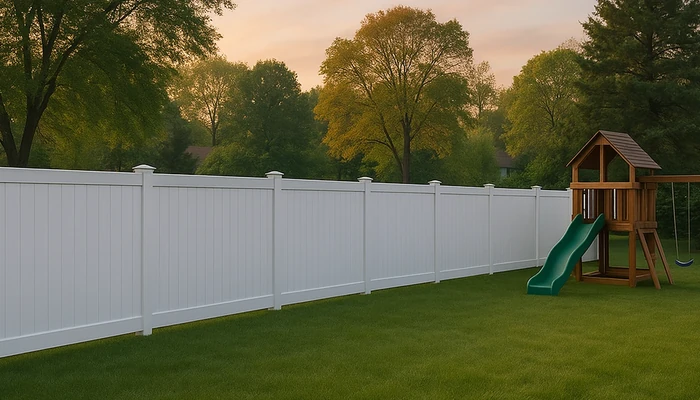
- Solid panels: Most vinyl privacy fences offer uninterrupted panels with lock-tight edges, leaving no gaps or see-through sections.
- Consistent height: Vinyl systems can be tailor-designed for heights of 6 feet or more—ideal for backyards or side yards.
- Resistant to warping and rot: Unlike wood, vinyl won’t deteriorate or twist, ensuring your fence remains sealed and secure for years.
- Minimal maintenance: No repainting, sealing, or pest treatments are necessary—cleaning is as simple as a gentle wash.
For homeowners in the Chicago, Illinois area, vinyl’s weather resistance is particularly valuable during humid summers and icy winters. Vinyl fencing isn’t just about privacy; it’s about convenience over the long haul.
Types of Vinyl Privacy Fences
Vinyl fencing comes in a wide array of styles, each balancing privacy, airflow, aesthetic preference, and budget. The most common types include:
- Full-privacy panels: Solid boards with seamless edges, offering total blockage for backyard living spaces.
- Semi-privacy designs: Styles that let in light and air through narrow picket spacing or decorative lattice tops, ideal for patios or garden edges.
- Lattice-top and decorative: These combine full-privacy lower panels with a decorative top section, lending elegance while maintaining coverage.
For a deeper dive into style options, visit our modern vinyl fence designs guide.
Comparing Vinyl to Other Privacy Fence Materials
| Material | Privacy Level | Maintenance | Weather Resistance | Cost | Typical Lifespan |
|---|---|---|---|---|---|
| Vinyl | High | Low | Excellent | Mid | 20+ years |
| Wood | High/Medium* | High | Variable | Low-Mid | 10-15 years |
| Chain Link (with slats) | Medium | Low | Good | Low | 15+ years |
| Aluminum | Medium | Low | Excellent | Mid-High | 20+ years |
| Composite | High | Low | Excellent | High | 20+ years |
*Wood privacy may decrease over time due to warping, shrinking, or drain holes.
Vinyl sits in a “sweet spot” for those who want long-term privacy, low effort, and clean looks with a moderate initial investment. For a detailed comparison with wood fencing, see our vinyl vs. wood fences post.
Design Considerations for Privacy and Curb Appeal
Vinyl privacy fences have advanced in aesthetics just as much as they have in performance. Today, you can select from:
- Color options: White, tan, gray, and even wood-look finishes
- Texture patterns: Smooth, woodgrain, or matte for a custom feel
- Panel heights: Standard (6′) or custom (up to 8′ in some cases, subject to local codes)
- Decorative accents: Lattice, horizontal slats, scalloped tops, post caps, etc.
A sleek vinyl fence can set off landscaping, frame gardens, and highlight architectural elements on your home. For inspiration, check out our creative styles for outdoor vinyl fences guide.
Vinyl Fencing and Chicago’s Climate
Chicago, Illinois properties face intense swings in weather—freezing temperatures, heavy snow, wind, and heat. Vinyl’s resistance to moisture, pests, and UV light makes it a practical choice throughout these changes. When installed correctly, vinyl panels won’t crack or discolor with seasonal expansion and contraction.
Professional installation is essential: proper post-setting below the frost line prevents movement or shifting during freeze-thaw cycles. Always choose quality fencing with UV inhibitors explicitly rated for the Midwest climate. For more on product specifics, see choosing vinyl fencing with long-term durability.
Security Benefits Beyond Privacy
- Physical barrier: Tall, gap-free panels deter unwanted entry, assisting with perimeter security.
- Contains children and pets: A properly installed vinyl fence keeps loved ones and pets safely inside.
- Lockable gates: Vinyl gates accommodate robust locks and latches, adding another layer of security.
In certain designs, vinyl fencing can even accommodate security cameras or low-voltage lighting. If this is of interest, our vinyl fence security technology article has details.
Cost Expectations and Budgeting
The price of vinyl privacy fencing depends on length, height, design, and site conditions. As of 2024, homeowners in Chicago might expect:
- Material & installation: $28 – $60 per linear foot (estimate, can vary by market and complexity)
- Gate additions, custom colors/designs, or difficult terrain may increase cost
- Permits and code inspections are separate (verify with your municipality or HOA)
While the upfront investment is greater than basic wood, many owners find vinyl’s low upkeep and longevity pay off in the long term. To learn more, see our affordable vinyl fence cost guide.
Installation: Professional vs. DIY
Vinyl fencing installation involves careful planning:
- Marking property lines: Ensure you stay within legal boundaries and avoid disputes with neighbors.
- Siting posts below frost line: Critical in Chicago’s freeze-prone soils.
- Panel assembly and alignment: Each panel must be level and securely fastened to avoid sags or wind damage.
- Final inspection: Confirm straight lines, proper gate operation, and code compliance.
While DIY is possible, even seasoned handy homeowners often entrust projects to professionals—like the team at Chicagoland Fence Pros—for warranty coverage and peace of mind. See our design and functionality in vinyl fence installation resource for best practices.
Maintaining a Vinyl Privacy Fence
Vinyl’s biggest maintenance advantage is its resilience—it won’t rot, rust, or attract termites. Maintenance typically includes:
- Occasional washing: Use a garden hose or soapy water for regular cleaning. For stubborn spots, soft brushes or gentle cleansers are safe. Avoid abrasive cleaners with high VOC content.
- Inspecting panels and posts: After storms or extreme weather, check for damage or loose hardware.
- Maintaining gates: Lubricate hinges and ensure latches function correctly.
Learn more about cleaning and caring for your investment with our vinyl fence cleaning guide.
Key Considerations: Local Codes & Permitting
Always check local fencing requirements before breaking ground. Common rules in Chicago include:
- Maximum front yard and backyard fence heights (typically 6’ but verify locally)
- Distance from property lines & shared responsibility with neighbors
- Materials and colors approved by HOAs or historic commissions
- Permit application, inspection, and final approval
Chicagoland Fence Pros can assist with permitting and code-compliant installation for peace of mind.
Environmental Impact of Vinyl Fencing
While vinyl is a synthetic material, many modern products are produced with recycled content. High-quality fences generate little waste, have long lifespans, and do not require harmful chemical treatments. Always recycle old panels where allowed. For eco-conscious buyers, our guide to sustainable vinyl fencing has more environmental tips.
Frequently Asked Questions: Vinyl Privacy Fence Decisions
Most homeowners opt for 6′-tall panels, which are standard for privacy. In some cases, local codes allow up to 8′. Always check your local ordinance before finalizing height.
Q2: Will vinyl fencing discolor or turn yellow over time?
Modern vinyl is formulated with UV inhibitors to withstand sunlight. Purchasing from a reputable installer ensures fade resistance; however, some fading can occur after 10+ years, especially in harsh sunlight.
Q3: Can I install a vinyl fence on sloped or uneven ground?
Yes, special “rackable” vinyl panels are designed to follow grade changes smoothly. Consult with a professional installer for best results.
Q4: Is vinyl fencing safe for families and pets?
Absolutely. Panels have smooth edges and surfaces, free from splinters. The material is non-toxic once cured and will not harbor insects.
Q5: How does vinyl compare to other materials in terms of wind resistance?
When correctly installed with sturdy posts, vinyl fences withstand Chicago’s winds as well or better than wood. Use professional-grade materials and deep-set posts for maximum strength.
Q6: Will a vinyl privacy fence increase my home value?
A well-designed and properly installed privacy fence can improve curb appeal and perceived value. Maintenance savings may also appeal to future buyers.
Q7: What is included in a professional vinyl fence installation?
A professional team will handle measurement, design selection, utility checks, permitting, site prep, accurate post placement, panel installation, gate hanging, and cleanup.
Q8: Are there color options besides white?
Yes, modern lines offer tan, gray, woodgrain, and specialist custom colors. Visit our color and finish guide for details.
Q9: Does vinyl fencing require special cleaning solutions?
No. Mild soap and water suffice for routine cleaning. For tough stains, choose low-VOC or vinyl-safe cleansers; see Green Seal’s Guide to VOCs for safe tips.
Q10: How long will a vinyl privacy fence last?
Quality vinyl privacy fences last 20 years or more in Chicago’s climate with proper installation and care.
Conclusion: Making an Informed Choice for Lasting Security and Privacy
Securing privacy with vinyl fencing doesn’t just shield your property—it improves safety, comfort, and the value of your home or managed property. With careful selection, attention to local codes, and professional installation, vinyl fences are an investment in long-term ease and peace of mind. For tailored guidance or a code-compliant estimate, request a detailed vinyl fence quote today or explore our residential fence solutions. The expert team at Chicagoland Fence Pros can walk you through every step.
About Chicagoland Fence Pros
Chicagoland Fence Pros brings over 15 years of experience installing, repairing, and maintaining fences for homes and businesses throughout Chicago, Illinois and nearby communities. Specializing in vinyl, wood, composite, aluminum, and steel fences for both residential and commercial clients, our licensed and insured team ensures every project meets local codes and exceeds expectations in security, privacy, and aesthetics. Trust Chicagoland Fence Pros for honest recommendations, transparent pricing, and expert craftsmanship in the Chicago/Midwest region.
chicago fence contractor, Commercial Vinyl Fence Installation Chicago, The best commercial vinyl fence installation Chicago, white vinyl fence Batavia, vinyl fence styles North Center, vinyl fence repair Waukegan, Streamwood vinyl fence, vinyl fence replacement Rockford, vinyl fencing Barrington, vinyl perimeter fence Glen Ellyn
