 Skip to content
Revamp Your Yard with Vinyl Fencing: An In-Depth Guide for First-Time Fence Buyers
If you’re like many homeowners or property managers, the decision to update your yard with a new fence can feel overwhelming. With so many options on the market and endless advice online, choosing the right fence for privacy, security, and curb appeal is no small task. You might ask yourself: Is vinyl fencing worth the investment? How does it really hold up in Chicago’s climate? And what about long-term care and local building codes?
This comprehensive guide will answer your most pressing questions about how to revamp your yard with vinyl fencing. We’ll demystify the technology behind vinyl materials, compare styles and installation techniques, and walk you through care, costs, and practical decisions. Whether you’re seeking enhanced security or a backyard makeover, this post will help you weigh the real pros and cons so you can invest in your property with confidence. And when you need expert guidance, Chicagoland Fence Pros is always here to help, bringing years of local knowledge and trusted service.
What is Vinyl Fencing? Understanding the Basics
Vinyl fencing is crafted from polyvinyl chloride (PVC), a synthetic plastic polymer that’s engineered to withstand the elements. Unlike traditional wood or metal fences, vinyl resists moisture, rot, and insects, making it a strong option for Chicago’s variable climate. Modern manufacturing techniques allow vinyl fences to be available in a variety of colors, textures, and profiles.
- Material Composition: Premium vinyl fences are often made from virgin PVC or a mix of recycled materials.
- Common Styles: Privacy panels, picket fences, semi-private designs, rail fencing, and decorative lattice tops.
- Weather Resistance: Designed to prevent chipping, fading, and cracking—even during harsh winters or sweltering summers.
For more about how vinyl is engineered for durability, see the official standards from the ASTM International, which sets the benchmarks for construction materials.
Key Benefits of Revamping Your Yard with Vinyl Fencing
Why are vinyl fences increasingly chosen for both homes and businesses in Chicago, Illinois? Consider these core advantages:
- Low Maintenance: Vinyl never needs painting or staining. Cleaning requires only water and mild soap.
- Longevity: With quality installation, vinyl fences can last 20–30 years or longer, even in Midwest conditions (Enhance Your Property with Vinyl Fencing).
- Variety of Styles: Mimic the look of wood, create private spaces, or add decorative accents.
- Safety and Security: Smooth surfaces help prevent injury. Consistent panels provide excellent security.
- Resilience: Vinyl resists insects, moisture, and UV rays.
- No Splinters or Rust: Safe for children and pets.
Unlike wood, you can forget about splinters or rusty hardware. Many vinyl fences also carry warranties; learn more about what’s covered in our guide to vinyl fence warranties.
Vinyl Fence Styles and Design Options
One of the biggest perks when you revamp your yard with vinyl fencing is the flexibility in color and design. Here are a few of the most popular choices for Chicago homeowners:
- Full Privacy Panels: Great for backyards and pools, shield your space from view.
- Semi-Private/Louvered: Allow air flow while preserving privacy.
- Picket Fencing: Perfect for front yards; classic, decorative appearance.
- Ranch Rail (Post & Rail): Ideal for landscaping, gardens, or larger suburban lots.
- Lattice Tops: Combine privacy with decorative appeal.
Consider customizing panel heights, post caps, and accent colors. For style inspiration, visit modern vinyl fence styles and creative vinyl fence ideas.
Choosing the Right Color and Finish
High-quality vinyl fencing offers not only classic white, but also tan, brown, grey, and even wood-grain effects. Consider how your fence will pair with home exteriors, landscaping, and neighborhood guidelines. For a closer look at color and finish options, review our vinyl fence color guide.
Comparing Vinyl Fencing with Other Popular Materials
Before you invest, it makes sense to compare vinyl fencing with other major contenders: wood, chain link, and aluminum. Here’s a side-by-side snapshot for context:
| Material | Maintenance | Lifespan | Privacy | Styles | Cost (est.) |
|---|---|---|---|---|---|
| Vinyl | Very Low | 20–30 yrs+ | Excellent (privacy & semi-private) | High Variety | $$–$$$ |
| Wood | Moderate–High | 10–15 yrs | Excellent | High Variety | $–$$ |
| Chain Link | Low | 20 yrs | Poor–Fair | Basic | $ |
| Aluminum | Low | 25–30 yrs | Fair | Decorative | $$–$$$ |
Cost estimates vary widely by design and finish. Always factor in installation quality and local code requirements. For a deeper breakdown, compare vinyl and wood fencing in our in-depth comparison.
Planning Your Vinyl Fence Installation: Key Steps
Proper planning will help your vinyl fence project go smoothly. Here’s what to consider at each phase:
- Property Lines & Permits: Check precise boundaries and contact your local building department. In Chicago, permits and systems may differ by neighborhood. Some HOAs also have height, color, or design rules.
- Utilities: Before digging, call 811 to mark underground lines and pipes.
- Measuring: Map out where you need privacy or access (gates), keeping in mind slopes and landscaping.
We always counsel clients to double-check community guidelines and city codes before starting. For more code resources, see DASMA’s residential construction publications.
DIY vs. Professional Installation
While vinyl fencing is often marketed as DIY-friendly, the reality is nuanced. Unlevel ground, complex layouts, and local code compliance can challenge even experienced DIYers. A professional installer like Chicagoland Fence Pros will:
- Ensure posts are set at correct depth and spacing for Chicago’s freeze/thaw cycles.
- Advise on material selection based on exposure (sun, wind), height, and privacy needs.
- Deliver a clean, code-compliant result that protects your investment.
If you’re debating the pros and cons of DIY, review our explainer on vinyl fence installation challenges.
Vinyl Fence Costs: Realistic Expectations
The total cost to revamp your yard with vinyl fencing depends on:
- Linear feet of fencing
- Type/style of panels
- Number and type of gates
- Site prep and old fence removal
- Permit fees and code requirements
As a ballpark, material and professional installation typically range from $25–$55 per linear foot for most Chicago-area projects. Use our vinyl fence cost guide for more details and planning advice. Always get a clear, itemized estimate before proceeding.
Financing and Warranties
Some projects may offer financing or payment plans. Ask about manufacturer and installer warranties, and keep all paperwork for your records. Details are covered in our warranty FAQ.
Maintenance: Keeping Your Vinyl Fence Looking Its Best
Vinyl’s big selling point is its easy upkeep. Here’s what regular care entails:
- Cleaning: Hose off dirt and debris. For tough stains, use a non-abrasive cleaner and soft brush.
- Inspecting: Check annually for loose posts, hardware, or accidental damage from storms or landscaping equipment.
- Minor Repairs: Most scuffs wipe away; cracks or broken panels should be replaced to keep the fence secure.
Full step-by-step guides are at cleaning and caring for vinyl fences and vinyl fence maintenance made easy. For prevention tips and seasonal checklists, see preventive maintenance for vinyl fences.
Common Vinyl Fencing Mistakes and How to Avoid Them
From our experience as a fence company in Chicago, Illinois, here are common pitfalls we see—and how you can steer clear:
- Skipping Permits: Unpermitted fences may need to be removed at great expense.
- Poor Site Preparation: Fences installed without adapting to slopes or soil conditions may shift or sag.
- Choosing the Wrong Material: Not all vinyl is created equal! Cheaper options may yellow, fade, or become brittle.
- Incorrect Post Spacing: Leads to weak panels, especially in high winds or heavy snow.
- Neglecting Maintenance: Even “low maintenance” fencing needs occasional cleaning and inspection.
Explore more in our vinyl fence myths vs. reality article.
Security and Privacy Upgrades with Vinyl Fencing
If you want your yard to feel like a true retreat, consider these privacy and security features:
- Full height panels (6–8 ft) for maximum privacy
- Reinforced bottom rails and posts for added strength
- Lockable and self-closing gates for secure access
- Pairing with lighting or security cameras (see vinyl fence security technology)
Many clients choose vinyl fencing for peaceful backyards or safe play areas for children and pets (securing privacy with vinyl fencing and benefits of vinyl fencing for pets).
Combining Vinyl Fencing with Other Materials
Looking for a unique look or extra strength? Vinyl panels can be paired creatively with:
- Stone or brick pillars for classic curb appeal
- Aluminum or wrought iron sections for see-through appeal at front/yards
- Wood gates for a mixed-material visual upgrade
Explore real-world case studies at our material combination guide.
Responsible Fencing: Codes, Neighbors, and Best Practices
Before you revamp your yard with vinyl fencing, consider these responsible steps:
- Check Codes: Review Chicago building regulations and neighborhood covenants for fence height, style, and location rules.
- Talk to Neighbors: Notify adjacent property owners before installing a new boundary fence.
- Respect Property Lines: Get a survey if boundaries are uncertain or disputed.
- Follow Installation Best Practices: Secure posts below the frost line. Allow for ground movement and water flow.
For more best practices, see design and functionality for vinyl fence installation.
Frequently Asked Questions (FAQ) About Vinyl Fencing
- 1. How long does vinyl fencing last in Chicago’s climate?
With quality material and installation, vinyl fences typically last 20–30 years or longer, even with Chicago’s freeze/thaw cycles and high humidity. Regular inspection and cleaning will maximize lifespan.
- 2. Does vinyl fencing require any maintenance?
Vinyl is a low-maintenance solution—just clean occasionally with water and soap, and inspect for any damage after storms. No sealing or painting is required.
- 3. Can vinyl fences mimic the look of wood?
Yes! Many modern vinyl products feature wood-grain textures and colors for a traditional, natural-looking finish.
- 4. Are vinyl fences safe for pets and children?
Absolutely. Vinyl fences have smooth surfaces and no splinters or sharp edges. Choose privacy or semi-private panels for added safety, and install secure gates.
- 5. Do vinyl fences fade or yellow over time?
High-quality vinyl is UV-resistant to minimize fading and yellowing. Cheaper materials may have issues, so always check for UV protection ratings and strong manufacturer warranties.
- 6. Can I install a vinyl fence myself?
Some handy homeowners take on DIY. However, ensure you have the right tools, understand local code requirements, and address slope or soil challenges for a lasting result.
- 7. How is vinyl fencing different from PVC fencing?
Vinyl and PVC fencing refer to similar products; “PVC” is the material, and “vinyl fencing” is the common industry term. See the differences explained in detail in our PVC vs vinyl fence comparison.
- 8. What determines the cost of a vinyl fence?
Material quality, linear footage, design complexity, gates, tear-out of old fence, and local labor rates all contribute. Always request a detailed estimate for your exact property needs.
- 9. Are there eco-friendly or recycled vinyl fencing options?
Yes—some lines use recycled content and responsible manufacturing. Ask your installer about available options, and see our tips in sustainable vinyl fence solutions.
- 10. Will a vinyl fence increase my property value?
In many cases, a well-installed, attractive vinyl fence boosts curb appeal and security, which can add value to homes and multi-unit properties (vinyl fences and home value).
Conclusion: Is Vinyl Fencing Right for Your Chicago Yard?
For homeowners and property managers in Chicago, Illinois, vinyl fencing is an increasingly smart landscaping investment. Thanks to its blend of long-term durability, low upkeep, and diverse design possibilities, you can enjoy peace of mind and a refreshed outdoor look for decades to come.
If you’re ready to take the next step, request a professional vinyl fence estimate from our locally experienced team. Or, for more examples and detailed comparisons, browse our guide to choosing the right vinyl fence for your property. Chicagoland Fence Pros stands ready to help you revamp your yard with vinyl fencing that suits your unique needs and style.
Interested in exploring other materials or commercial fencing solutions? See these related services:
- Explore our wood fencing solutions
- Learn about chain link fences for security
- Discover composite fence alternatives
About Chicagoland Fence Pros
Chicagoland Fence Pros is a professional fence company with over 15 years of experience helping homeowners and businesses in Chicago, Illinois and nearby communities improve security, privacy, and curb appeal. Our team specializes in residential and commercial fencing using wood, vinyl, aluminum, and steel, focusing on clear education, transparent process, and code-compliant installations for every property. We are fully licensed, insured, and committed to recommending the right fencing solution for your unique needs.
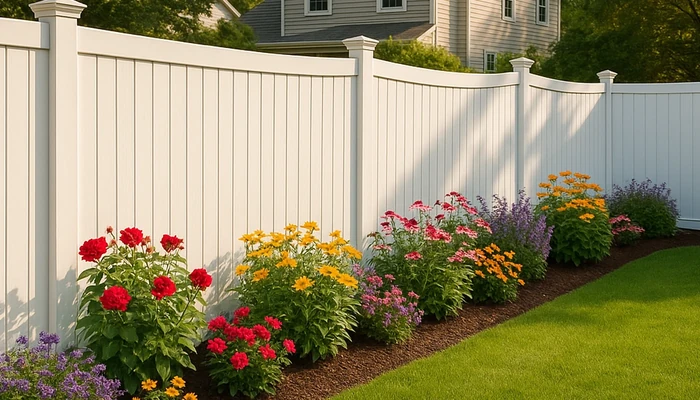
chicago fence contractor, vinyl fence replacement, vinyl fence chicago il, vinyl fence styles Winfield, vinyl fence repair Forest Park, vinyl fencing Oswego, Elmhurst vinyl fence, vinyl fence Geneva, vinyl fence styles Old Norwood, vinyl fence in the city of Orland Park
