 Skip to content
Polyvinyl Panels for Fences: A Complete Homeowner’s Guide
Choosing the right fencing for your property can feel overwhelming—especially with so many options promising durability, safety, and curb appeal. For homeowners and property managers in Chicago, Illinois and beyond, understanding how polyvinyl panels for fences stack up against other materials is essential. With changing weather, local codes, and the need for privacy or security, you want more than just a beautiful fence—you want one that lasts and requires minimal upkeep. In this guide, we’ll break down what polyvinyl fence panels are, how they’re made, their real-world benefits and potential drawbacks, and how they compare to other popular choices. By the end, you’ll have the clarity to make an informed, confident decision for your property—whether you’re aiming for worry-free privacy, security, or a standout look. At Chicagoland Fence Pros, we believe in honest, practical advice based on years of local experience.
What Are Polyvinyl Panels for Fences?
Polyvinyl panels—often called vinyl fence panels—are engineered fencing sections made primarily from polyvinyl chloride (PVC). Used for decades in construction for its weather resistance and strength, PVC lends itself well to fencing because it won’t rot, splinter, or rust. Polyvinyl fencing panels are manufactured in pre-formed sections or panels that can be installed as privacy fencing, decorative picket styles, or special applications like pool or security barriers.
- Material: High-grade, UV-resistant PVC
- Forms: Panels (solid, semi-private, picket, rail), posts, and gates
- Colors/Finishes: Traditional white, tan, gray, wood-look textures, custom hues
This material is uniquely suited to climates with temperature swings, snowy winters, and humid summers—just like what Chicago, Illinois experiences every year.
How Polyvinyl Panels Are Made: The Basics
The production of polyvinyl fence panels involves extruding PVC resin mixed with specific additives for color, UV protection, and impact resistance. Manufacturers may reinforce panels with metal or composite supports for high-wind areas or taller privacy fences. The result: sections that interlock or fit tightly together, producing a clean visual line and resisting gaps or warping over time.
Some advanced options include:
- Co-extruded layers for added weather and impact resistance
- Thicker pickets or rails for increased strength
- Textured or embossed finishes that mimic painted wood grain
Advantages of Polyvinyl Fence Panels
Polyvinyl panels have seen a surge in popularity across Chicago for good reason. Here’s what homeowners and property managers appreciate most:
- Durability: Withstands rain, snow, sun, wind, and common pests.
- Low Maintenance: Rarely needs painting, sealing, or heavy cleaning—just occasional soap and water.
- Long Lifespan: Properly installed panels routinely last 20–30 years or more.
- Aesthetic Flexibility: Dozens of colors, shapes, and styles suit traditional or modern homes.
- Consistent Performance: Panels do not absorb moisture, chip, or suffer insect damage.
- Eco-Friendly Options: Many brands use recycled content; most panels are fully recyclable.
- Safe for Families and Pets: No sharp edges, splinters, or toxic preservatives commonly found in wood fencing.
For a deeper dive into the specific benefits, see our comprehensive guide on polyvinyl fence advantages.
Design Options: Styles, Colors, and Customization
The look of your polyvinyl fence can be tailored to match nearly any architectural style or personal preference—whether you seek total privacy, classic charm, or a modern touch.
Popular Polyvinyl Fence Styles
- Solid Privacy Panels: Completely block the view for maximum privacy
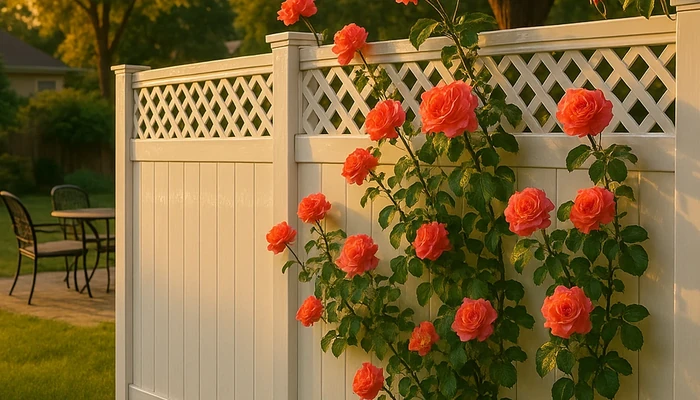
- Semi-Privacy/Lattice: Allow light and air while obscuring sightlines
- Picket Fences: Classic, open designs for front yards or garden borders
- Ranch Rail: Wide spaces for larger landscapes or decorative boundaries
- Decorative Top Options: Scalloped, lattice, or gothic cap details for visual interest
For style inspiration, visit Creative Styles for Outdoor Vinyl Fences.
Color and Finish Choices
- Classic white or almond colors
- Earth tones (gray, clay, sand, brown)
- Textured wood-grain finishes
- Custom painted colors (check availability and warranty details)
Modern production methods reduce fading; some advanced finishes even resist graffiti and stains. Always verify warranty coverage for your preferred option.
Comparing Polyvinyl Panels to Other Fence Materials
| Fence Material | Durability | Maintenance | Expected Lifespan | Cost (Est.) |
|---|---|---|---|---|
| Polyvinyl (Vinyl) | Excellent | Very low | 20–30+ years | Mid-high |
| Wood | Varies (medium) | High (painting/sealing required) | 10–15 years | Low–mid |
| Chain Link | Good | Low | 15–20 years | Low |
| Wrought Iron/Steel | Excellent | Medium (may need painting) | 20–50 years | High |
| Aluminum | Excellent | Very low | 20–30 years | Mid-high |
For a side-by-side analysis, see Vinyl Fences vs Wooden Fences.
How Polyvinyl Panels Perform in the Chicago, Illinois Climate
Chicago’s four seasons put fences to the test. Moisture, freezing and thawing, strong winds, and sunlight all challenge outdoor materials. Polyvinyl fence panels are:
- Unaffected by moisture (no rot, rust, or decay)
- Formulated with UV inhibitors to reduce fading and brittleness
- Flexible enough to withstand temperature changes and wind expansion/contraction
From our experience as fence installers in Chicago, Illinois, polyvinyl panels have proven their worth as a lasting, worry-free option for local homes and commercial properties.
Realistic Expectations: Strengths and Limitations
While polyvinyl fences offer many benefits, it’s wise to consider their realistic pros and cons based on your specific needs:
- Strengths:
- Will not splinter, crack, or peel like wood
- Color steadfastness even in direct sunlight
- No need for chemical treatments, stains, or paints
- Non-reactive to most standard cleaning products
- Limitations:
- Extremely strong impacts (vehicle collision, falling tree limbs) can cause cracks or breaks—section replacement may be necessary
- Extreme cold can increase brittleness (though high-quality panels are formulated for cold climates)
- Manufactured appearance might not match natural wood for some tastes—even with textured finishes
- Upfront cost may be higher than basic wood or chain link
To better understand these trade-offs, learn how polyvinyl and PVC fencing are compared.
Maintenance and Care Guide for Polyvinyl Fence Panels
One of the biggest advantages for busy property owners is low maintenance. Polyvinyl panels generally only require:
- Rinsing with a garden hose or light soap and water
- Removing any algae, mildew, or staining with non-abrasive cleaners
- Annual inspection for loose posts, panels, or gates—tighten brackets and hardware as needed
No painting, no rust treatment, and no pest control required! For detailed tips, see Easy Maintenance for Vinyl Fences.
Safety and Code Compliance
Before any installation, always check your local building codes and Homeowners Association (HOA) rules. Chicago, Illinois has specific regulations around fence heights, setbacks, and permitted materials—especially for front yards, corner lots, and pool enclosures. A professional installer like Chicagoland Fence Pros can guide you through these requirements and help ensure a fully compliant, worry-free project. You can also find authoritative industry resources through the American Fence Association.
Installation Overview: What to Expect
Although some handy homeowners might tackle small vinyl fence projects, professional installation is strongly recommended for optimal results and full warranty coverage. The process involves:
- Marking property lines and confirming site conditions
- Checking local codes or permit requirements
- Excavating and setting reinforced posts in concrete
- Securing panels, rails, and gates tightly
- Reviewing alignment, hardware, and gate operation for smooth function
If you’re interested in a custom quote for polyvinyl panels or other fence types, you can request a fence estimate from our vinyl specialists.
Cost Guide: What Should You Budget?
Polyvinyl fence pricing varies by style, height, thickness, region, and complexity. Generally, vinyl is a mid-range to premium fencing material—cheaper than wrought iron but more expensive than wood or chain link. You can expect:
- Materials cost: $20–$50 per linear foot (2024 estimate; check locally)
- Professional installation: $35–$75 per linear foot (depends on site, terrain, and options)
- Minimal lifetime maintenance expenses compared to paint/stain or repairs for other materials
These are ballpark figures—always obtain multiple quotes, and make sure your estimate includes prep, hardware, gates, and removal of old fencing if needed. To learn more, review our Vinyl Fence Cost Guide.
Unique Uses and Applications for Polyvinyl Panels
- Residential backyard privacy or pet fencing
- Enclosures for pools (ensure code compliance)
- Decorative front yard or garden fencing
- Perimeter security for commercial properties
- Community gardens, schoolyards, or apartment complexes
With a wide assortment of heights, finishes, and matching gates, polyvinyl can solve most common fencing challenges. For especially demanding use cases, combining vinyl with other materials may be recommended. See our guide on combining vinyl fences with other materials.
Frequently Asked Questions: Polyvinyl Panels for Fences
Many modern panels use recycled materials, are fully recyclable, and don’t require toxic chemicals for treatment. Always ask your installer about the green credentials of their products.
2. Will vinyl fence panels fade or yellow over time?
High-quality panels include UV inhibitors to minimize fading or color change. Warranties often cover excessive fading; check before buying.
3. How do polyvinyl panels hold up in the Chicago, Illinois winter?
Polyvinyl fence panels are engineered to resist cracking from freeze/thaw cycles and cold weather. For extreme conditions, choose brands known for cold-climate performance.
4. Can you repair damaged polyvinyl fence panels?
Yes, individual panels or rails can typically be replaced without removing the entire fence. Consult a professional for seamless repairs.
5. What’s the average lifespan of a polyvinyl fence?
With proper installation and minimal maintenance, polyvinyl fences often last 20–30 years or longer.
6. Are vinyl fences suitable for security?
Yes—solid and tall panels are effective for privacy and act as a deterrent, while locking gates can add another layer of security. For advanced options, see our article on vinyl fence security.
7. Can you install vinyl fences on sloped or uneven ground?
Most quality systems feature rackable panels or adjustable posts to adapt to sloped yards or changing grades. Professional installers handle tricky ground conditions best.
8. Do polyvinyl panels work for both homes and businesses?
Absolutely—vinyl offers flexible solutions for residential and commercial needs, from private yards to secure commercial perimeters.
9. How often should polyvinyl fences be cleaned?
A light rinse a couple of times a year is usually sufficient. For detailed care tips, see our cleaning guide for vinyl fences.
Making Your Choice: Is Polyvinyl Fencing Right for You?
With its mix of durability, low upkeep, and versatile design, polyvinyl fencing is a compelling choice for property owners who want long-lasting beauty without constant maintenance. Homeowners in Chicago, Illinois often ask about the balance of upfront cost versus long-term savings, and polyvinyl fares well in this comparison for most uses. Remember to account for your property’s needs, any HOA or city rules, and your ideal style. If you need help choosing or customizing your solution, a fence professional like Chicagoland Fence Pros is just a call away.
For options like wood, chain link, iron, or commercial security fencing, you can always talk to our fence specialists to compare all available choices and get personalized advice.
About Chicagoland Fence Pros
Chicagoland Fence Pros is a professional fence company with over 15 years of experience serving homeowners and businesses in Chicago, Illinois and surrounding areas. Our team specializes in the installation, repair, and maintenance of wood, vinyl, aluminum, iron, and steel fences—taking pride in code compliance, durable materials, and honest consultations. We are fully insured, locally knowledgeable, and committed to helping you make the right choice for privacy, security, and curb appeal.
fence companies chicago, vinyl fence repair chicago, vinyl fence in chicago, Alta Vista Terrace vinyl fence, vinyl fence in Rogers Park, vinyl fence in River Grove, vinyl fence replacement Fox Lake, vinyl fence Glencoe, vinyl fence Oak Park, vinyl fence Elmhurst
