
Maintaining And Preserving The Beauty Of Your Wood Fence: An Expert’s Guide
Wood fences add immense charm, privacy, and practical value to homes and properties. Yet for many homeowners and property managers, maintaining and preserving the beauty of your wood fence can feel overwhelming. Exposure to harsh Midwest seasons, rain, wind, snow, and sun can take their toll, raising questions about cleaning routines, stain options, repairs, and longevity. In the Chicago, Illinois area, where weather extremes test every building material, it’s especially important to understand wood fence care from the ground up. This in-depth guide demystifies everything you need to know. By the end, you’ll feel confident in your ability to protect your investment, boost curb appeal, and keep your wood fence looking its best for years—courtesy of insights from Chicagoland Fence Pros.
Why Wood Fences Remain Popular
Wood has long been a favored fencing material for its natural beauty, adaptability to virtually any property, and classic aesthetic. Whether cedar, pine, redwood, or pressure-treated lumber, wood fencing offers:
- Warmth and visual appeal that blend with landscaping and architecture
- Customizable designs and finishes
- Privacy and security for yards and outdoor spaces
- Repairability and flexibility compared to some rigid materials
Still, wood is an organic material—susceptible to rot, warping, insect activity, and fading without proper upkeep. Understanding these vulnerabilities is the first step in maintaining and preserving the beauty of your wood fence.
Understanding How Chicago Climate Impacts Your Wood Fence
In Chicago and much of the Midwest, wood fences face four-season exposure: hot summers, wet springs, blustery autumns, and freezing winters. Each brings unique stresses:
- Moisture can penetrate wood fiber, causing swelling, rot, and mold
- UV exposure leads to fading and surface “silvering”
- Freeze-thaw cycles cause expansion and contraction, leading to splits or warping
- Wind and debris can loosen posts and rails, especially after storms
From our experience as a fence company in Chicago, Illinois, proactive maintenance is the key to managing these risks. Homeowners here should adapt their care schedule to the seasons.
Core Principles: Maintaining and Preserving the Beauty of Your Wood Fence
Successful wood fence care balances protection, regular inspection, and timely action. Here are the essential pillars:
- Clean your fence annually or after notable storms
- Inspect for damage, pest activity, loose fasteners, and shifting posts
- Treat the wood with suitable stains or sealers, customized for climate and wood type
- Repair minor issues promptly to avoid bigger problems later
We’ll dive deeply into each of these stages in the sections below, helping you create a realistic care plan tailored to your property.
Step-by-Step: Cleaning Your Wood Fence for Lasting Appeal
Why Cleaning Matters
Over time, dirt, pollen, mildew, and urban pollutants accumulate on traditional wood fencing. Cleaning not only rejuvenates its appearance, but also allows you to spot emerging issues early—such as insect infestations, rot, or nail pops. For families with pets or young children, regular cleaning also fosters a safer, healthier yard.
When and How Often to Clean
Homeowners in Chicago, Illinois often find that once-a-year cleaning in spring or early summer works well. If your yard is shaded, prone to leaf litter, or you notice mold forming, consider a brief cleaning in fall as well.
Recommended Cleaning Process
- Start by removing surface debris using a soft broom or brush.
- Mix a gentle solution: 1 part white vinegar or oxygenated bleach to 2–3 parts warm water. Avoid harsh chlorine bleach, which can harm wood fibers and landscaping.
- Apply the solution with a soft bristle brush, scrubbing in the direction of the wood grain. Work on small sections at a time.
- Rinse thoroughly with a garden hose—avoid high-pressure washers, which may damage the surface.
- Let the fence dry completely before further inspection or resealing.
More details on cleaning and seasonal fence upkeep can be found in our exclusive guide to wood fence maintenance.
Comprehensive Fence Inspection: What to Look For
Annual or biannual inspections help you identify minor problems before they become major headaches. Here’s what to check:
- Rotting or soft spots: Probe lower rails and post bases, as these stay wet longest
- Warped or cracked boards: Replace if they no longer lie flush or present safety hazards
- Pest damage: Look for sawdust trails, tiny boreholes, or signs of termites/carpenter ants
- Loose fasteners: Tighten or replace rusted nails and screws
- Leaning posts/reset footings: Realign and stabilize as needed
- Fungus or mold: Clean affected sections thoroughly
Tip: Carry a small notepad or use your phone to mark sections needing attention. When in doubt about structural problems or severe decay, consult a professional like Chicagoland Fence Pros before further action.
Protecting and Treating Wood Fences: Stains, Sealers, and Paints Explained
Difference Between Stain, Sealer, and Paint
| Type | Protection | Finish/Look | Maintenance |
|---|---|---|---|
| Clear Sealer | Moisture; minimal UV | Natural wood color, slight sheen | Apply every 1–2 years |
| Stain (Semi-transparent) | Moisture & moderate UV | Enhances wood grain, soft color | Every 2–3 years |
| Solid Stain or Paint | Strong UV & moisture barrier | Opaque color, minimal grain visible | Every 3–5 years |
Choosing the right treatment depends on aesthetic preferences, the type of wood, and your willingness to reapply. For fence longevity and easy re-treatment, most experts in the Chicago area recommend a high-quality stain with both water and UV blockers—especially for treated wood fences.
Applying Treatment: Pro Tips
- Only treat wood that is completely dry and clear of old product buildup
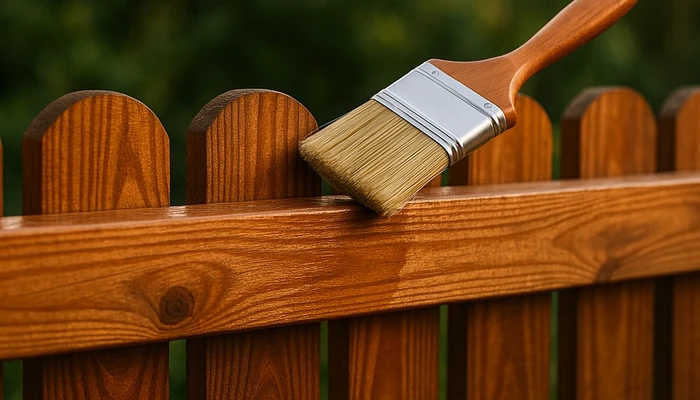
- Use a brush, roller, or recommended sprayer for even coverage
- Work in dry, mild weather (50–80°F is ideal)
- Back-brush (work stain into any grooves or roughness) for full penetration
- Always check product instructions for recoating and drying times
For more guidance, see enhancing your wood fence’s natural beauty and alternative treatment options for wood fences.
Dealing with Common Problems: When and How to Repair
Timely repair not only preserves beauty but also extends the structural life of your fence. Here’s a summary of typical issues and solutions:
- Cracked or split boards: Replace with boards of the same dimension, primed and sealed
- Loose pickets or rails: Reinforce with weather-resistant screws or brackets
- Mildew or surface mold: Clean with vinegar-water solution; repaint or restain as needed
- Leaning posts: Dig around the post, straighten, and pack tightly with gravel or fast-setting concrete
Not sure if your repair is a DIY project or requires professional help? If the fence is load-bearing, spans a slope, or sits along a property line, consulting our team is always wise.
Protecting Fence Longevity: Tips Specialized for Chicago Climates
- Trim back vegetation regularly to reduce moisture and prevent insect access.
- Ensure sprinklers don’t frequently hit wood surfaces.
- In autumn, rake leaves and debris away from the base to keep the area dry.
- After heavy snow, gently clear deep drifts away from fence lines.
- Secure ladders and heavy décor to posts, not rails or pickets, to avoid sagging.
Want to explore more ways to maximize fence lifespan? Our resource library has deep dives into care for every season.
Frequently Asked Questions About Wood Fence Maintenance and Preservation
-
How often should I clean my wood fence?
Ideally, clean your wood fence once a year; more frequently if it’s shaded, near trees, or exposed to pollutants. Cleaning in early summer or after major storms works best in the Chicago area.
-
Do I need to seal or stain a pressure-treated wood fence?
Yes. Pressure-treated wood is more resistant to decay, but sealing or staining further protects against moisture and UV damage. Wait until the wood is fully dry before the first treatment.
-
How do I know when my fence needs repairs?
Watch for leaning sections, loose rails or pickets, cracked/rotted boards, and signs of pests or fungus. Prompt repair prevents bigger issues.
-
What type of stain lasts longest for wood fences?
Semi-transparent or solid stains with UV and water resistance typically last 2–5 years, depending on weather exposure and fence preparation.
-
Can I use a pressure washer to clean my fence?
Use caution. Pressure washers can damage wood fibers if the pressure is too high or the nozzle is too close. Opt for a low setting and maintain a safe distance, or use a garden hose and brush instead.
-
Are there eco-friendly wood treatments available?
Yes, many linseed oil-based or waterborne stains are less toxic and still effective. Check labels and standards from organizations such as AMPP.
-
How do I protect a wood fence from insects?
Regular cleaning, prompt sealing/staining, and keeping plants away from the fence base deters insects. Use treated lumber for posts in high-risk areas.
-
Should I paint or stain my fence?
Staining usually highlights wood grain and offers penetrating protection, while paint provides a solid barrier and color choice. Both require periodic reapplication. Choose based on personal style and desired maintenance frequency.
-
How long should my wood fence last with proper care?
With annual cleaning, regular treatment, and prompt repairs, a quality wood fence can last 15–25 years or more—even with harsh Chicago weather.
-
Do local codes or HOAs regulate fence maintenance?
Yes. Always check with your local building department or HOA for rules about fence height, materials, and required upkeep. Our local regulations guide explains more.
Enhancing Wood Fence Beauty: Accessories and Upgrades
Beyond maintenance, simple upgrades can reinvigorate your wood fence’s looks and performance. Consider:
- Decorative fence post caps for a fresh designer touch
- Integrated privacy screens or latticework
- Weather-resistant hardware and decorative accessories
- Upgrading gate latches and hinges for security and aesthetic appeal
For property managers or those with pets, see our resources on wood fences for dogs and security.
When to Call a Professional
- If you notice persistent rot at posts/bases
- Repairs require digging or realignment along property lines
- You plan to upgrade to reinforced panels or composite/alternative materials
- You want an expert assessment of your fence’s structural integrity
For advanced repairs, full replacement, or expert consultations, request a fence estimate from Chicagoland Fence Pros. We offer honest advice on wood, composite, vinyl, and other solutions suitable for Chicago’s unique climate and building codes.
Summary & Next Steps
Caring for your wood fence is not just about looks—it extends the life of your investment, keeps your property secure, and boosts overall home value. With the clear strategies discussed here—from cleaning, inspecting, and treating, to repairs and upgrades—you can confidently maintain and preserve the beauty of your wood fence for many seasons. When in doubt or for complex projects, contact Chicagoland Fence Pros for experienced, code-compliant support.
About Chicagoland Fence Pros
Chicagoland Fence Pros is a trusted fence contractor with over 15 years of experience serving homeowners and businesses in Chicago, Illinois and the surrounding suburbs. Our team specializes in the installation, maintenance, and repair of wood, vinyl, aluminum, steel, and composite fencing for residential and commercial properties. Fully licensed and insured, we take pride in code-compliant, durable, and attractive projects for every client—always with a commitment to education and honest recommendations. Choose Chicagoland Fence Pros to improve your property’s security, privacy, and curb appeal, no matter the season.
chicago fence contractor, wood fence, cedar wood fence, wood privacy fence Broadview, wooden fences Alta Vista Terrace, wood fence in the city of Westchester, custom wood fence Palatine, wood fence Naperville, wood fence styles Glen Ellyn, wood fencing Andersonville