 Skip to content
Automatic Doors And Remote Control: Everything Homeowners Should Know
If you’re a homeowner or property manager considering a new fence, automatic doors and remote control systems can seem like a big leap. Technology has revolutionized entryways, bringing not only convenience and curb appeal but also critical considerations involving security, accessibility, and ongoing upkeep. In the Chicago, Illinois area, changing weather and local codes make smart gate automation both practical and complex. This comprehensive guide from Chicagoland Fence Pros will help you understand your options, the real pros and cons, and what realistic expectations you should have before making a decision.
Understanding Automatic Doors and Remote Control Systems
Automatic doors and remote control entry have become increasingly popular for residential and commercial properties. They blend access control, security, and aesthetic value—all important whether you want to secure your home, an apartment complex, or a business.
- What is an automatic door? An automatic door automatically opens and/or closes with the help of an actuator—this could be motion sensors, remote control, or a keypad.
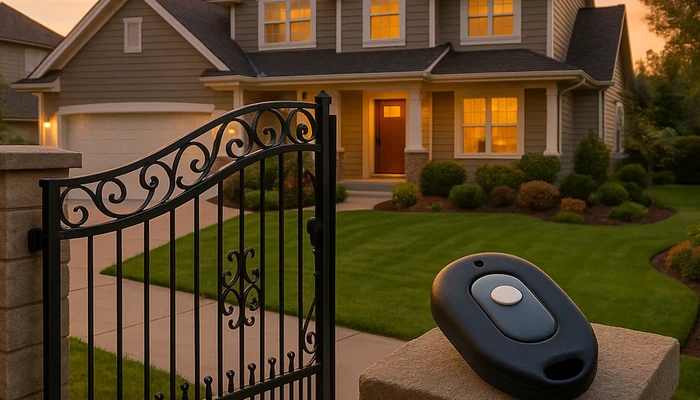
- How does remote control work? Remote control systems use transmitters (keyfobs, smartphone apps) and receivers to wirelessly trigger your gate or door. Some advanced models integrate with smart home systems.
Modern automatic door systems include safety sensors, backup power, and several control options. In urban areas like Chicago, building codes and weather resistance are equally important.
Key Benefits and Challenges of Automatic Doors With Remote Control
- Convenience: Hands-free or one-touch entry makes life easier for families, businesses, and anyone with accessibility needs.
- Security: Automated doors lock firmly and can be linked with surveillance, alarms, and access logs. See also industry standards for security integration.
- Privacy: Remote systems control who can enter, deterring unauthorized access.
- Weather Adaptation: Systems designed for the Midwest handle snow, ice, or rain without malfunctioning (a big deal for Chicago homes!).
However, installation costs, maintenance, and potential outages are real considerations. Homeowners in Chicago, Illinois should balance convenience with realistic expectations about ongoing care.
Types of Automatic Doors and Gates
Automatic door systems can be tailored to fit your fence type and property style. The main categories are:
- Sliding Gates and Doors: Ideal for driveways with limited space. Run on a track adjacent to the fence line.
- Swing Gates: Resemble traditional doors, swinging open either inward or outward. Require clear space for operation.
- Folding (Bi-fold) Gates: Fold as they open, suitable where space is tight but a sliding mechanism isn’t practical.
- Vertical Lift and Pivot Gates: Common for commercial settings but sometimes used for custom residential projects.
Each design offers different installation requirements and trade-offs in security, speed, and maintenance. For a full comparison, see our guide to opening systems for automatic doors.
How Remote Control Interfaces Work
Remote control is a key part of today’s automated door experience. There are several options:
- Keyfobs: Small devices similar to car remotes; most common and reliable.
- Keypads: Mounted near the gate, allowing entry with a secure code.
- Smartphone Apps: Control doors via bluetooth or WiFi; some systems provide activity alerts and temporary access codes for guests or vendors.
- Security System Integration: Many automatic doors can be linked to home or business security systems according to industry security protocols.
Your choice may depend on how many users need access, ease of setup, and whether you want smart-home integration. Remember to balance convenience with security, as lost or hacked remotes can create vulnerabilities.
Key Materials Used in Automatic Doors and Gates
Choosing the right material means balancing durability, aesthetics, and compatibility. Common options include:
- Steel and Iron: Provide strength, impact resistance, and longevity in Chicago’s climate. Require periodic inspection for rust, especially near the Lake.
- Aluminum: Lighter, rust-resistant, and often used for modern or decorative styles. May bend under heavy impact.
- Wood: Popular for privacy, but requires treatment to prevent warping or rot. Not ideal for high-usage automation unless properly maintained.
- Vinyl and Composite: Low-maintenance, moisture-resistant options. Best for those wanting a clean look and lower upkeep.
Pairing the right automation system with a compatible material is key. For instance, heavy wrought iron may need a more powerful motor than lightweight aluminum or vinyl.
Safety Features and Legal Considerations
Automatic doors must meet local safety codes and accessibility laws, especially in Chicago, Illinois. Look for these critical features:
- Obstacle Sensors: Stop the door if an object or person is detected in the way.
- Emergency Release: Allows manual operation during power failures.
- Automatic Reversal: Door reverses if it encounters resistance during closure.
- Fire and Emergency Responder Integration: Some gates can be tied into emergency systems—review relevant fire safety research and consult with local code officials.
- Code Compliance: Always check with your local authorities and a pro like Chicagoland Fence Pros to ensure automatic doors are legal for your property, especially in communal residences.
Installation Process: What to Expect
Installing an automatic door is more complex than a standard fence gate. The main steps include:
- Site Assessment: Evaluate space, access needs, and local site conditions.
- Design Planning: Choose materials, gate style, and automation type that fit your setting and objectives.
- Permitting and Code Checks: Secure necessary permits and verify compliance with Chicago city and Illinois state laws.
- Foundation and Electrical Work: Prepare the site, lay wiring, and anchor hardware.
- Gate and Automation Install: Assemble and install both door and remote-control system. Program remotes and safety functions.
- Testing and Inspection: Run through a full cycle to ensure safe, smooth operation. Address all safety and accessibility standards.
Consider contacting a professional installer for site-specific advice and code requirements.
Comparing Costs: Upfront and Ongoing
| Type | Typical Upfront Cost | Yearly Maintenance Cost | Installation Complexity |
|---|---|---|---|
| Sliding Automatic Gate | $2,500 – $7,000 | $200 – $500 | Medium |
| Swing Automatic Gate | $2,000 – $6,000 | $150 – $400 | Medium |
| Bifold/Folding | $3,000 – $8,500 | $250 – $600 | High |
| Vertical-Lift/Pivot | $6,000 + | $300 – $800 | High |
Actual costs depend on size, material, features, and site work. Always ask for a clear, itemized quote that includes wiring, safety sensors, and permit costs. Budget for periodic maintenance, repairs, and possible software updates.
Preventive Maintenance and Troubleshooting
Regular maintenance extends the life and performance of automatic doors. Key tasks include:
- Visual inspection for damage, debris, or rust on moving parts.
- Cleaning and lubricating tracks, hinges, and motors.
- Checking sensor alignment and responsiveness.
- Replacing backup batteries and checking for electrical issues.
For common troubleshooting tips and preventive care, see our maintenance guide for automatic gates.
Addressing Chicago-Specific Concerns
From our experience as a fence company in Chicago, Illinois, three things matter most:
- Weatherproofing: Select motors and sensors rated for extreme cold and ice. Keep snow and salt away from moving parts.
- Local Codes: The city has specific rules for setbacks and access control. Always check current safety guidelines and get all needed permits.
- Accessibility: Automatic entries are especially important for ADA compliance in multifamily buildings or public-facing businesses.
Need to know more about adapting automation to local weather? Visit our resource on automatic gate installation and environmental adaptation.
Smart Features and Integration Trends
The evolution of automatic doors means increased integration with smart technology. Modern systems often include:
- Integration with smart home hubs (Alexa, Google Home, etc.).
- Real-time status alerts and visitor logs via mobile app.
- Energy efficiency settings for lower environmental impact. See our article on energy efficient gate solutions.
- Solar-powered backup systems (especially popular in eco-friendly Chicago neighborhoods).
- Temporary guest access (send codes for deliveries, visitors).
As these systems become more advanced, they require careful professional planning—especially to avoid hacking or malfunction. Always balance the latest features with reliability and ease of use for all family members or tenants.
Maintenance: DIY vs. Professional Service
You can handle basic maintenance like cleaning and visual inspection. But always contact a specialist for:
- Electrical issues or motor failures.
- Sensor troubleshooting.
- Major component replacement or upgrades.
- Code compliance or accessibility updates.
Many homeowners in Chicago, Illinois opt for annual professional service plans, which often cost less over time than emergency repairs and keep the warranty valid. For assistance, request a service quote for gate repairs.
Popular Myths vs. Reality
- Myth: “Automatic gates never need maintenance.” Reality: All moving parts, especially in Chicago’s weather, need upkeep.
- Myth: “Remote control systems are easy to bypass.” Reality: Modern encryption and industry-standard security features greatly reduce risk.
- Myth: “All automatic systems are expensive luxury items.” Reality: Options exist for a range of needs and budgets.
- Myth: “They never work in the snow.” Reality: Properly rated systems and professional installation make operation reliable in all seasons.
For a more detailed look, see our discussion on whether automated gates are a luxury or a necessity.
FAQs: Automatic Doors and Remote Control
- Are automatic doors reliable in Chicago’s winter?
Well-installed systems with weather-rated components work reliably year-round, but snow and salt buildup should be cleared to avoid malfunctions.
- Can automatic doors be retrofitted to existing fences?
Often, yes—especially for swing or sliding gates. The fence must be structurally sound and able to support the motor. A professional assessment is recommended.
- How do I maintain my automatic gate?
Perform regular inspections, clean tracks and hardware, test remotes and sensors periodically, and replace batteries. Schedule yearly professional checks for optimal safety and performance.
- What happens if the power goes out?
Most systems include a manual release to allow entry and exit. Some also have battery backups for short power outages.
- Are automatic doors safe around children and pets?
Modern gates have obstacle sensors and auto-reversal features. However, always teach children safety rules and never let them play with remotes or gate controls.
- Can I use my smartphone to open my automatic gate?
Many newer models offer app-based control, activity alerts, and temporary access features through WiFi or Bluetooth integration.
- How much does automatic door installation increase property value?
It improves security, convenience, and curb appeal, potentially increasing value—but exact ROI depends on the neighborhood and fence quality. Learn more in our guide on adding property value with automation.
- Are permits required for installing automatic gates in Chicago?
Yes. Always check with city authorities and consult professionals, as local regulations vary by property type and location.
- Does remote access mean my system is vulnerable to hacking?
Modern systems use encrypted signals and secure protocols, drastically lowering the risk. For additional safety, choose models that comply with industry standards such as those outlined by ONVIF.
Conclusion: Making an Informed Decision
Automatic doors and remote control systems can be an excellent investment for security, access, and convenience if you understand the trade-offs. Remember to weigh ongoing maintenance, code compliance, and weather adaptation when making your decision.
If you’re ready to discuss your options or want expert advice tailored to the Chicago area, talk to the automatic gate specialists at Chicagoland Fence Pros.
For general residential fencing solutions or to compare material options, view our full range of residential fencing services.
About Chicagoland Fence Pros
Chicagoland Fence Pros is a professional fence company with over 15 years of experience helping homeowners and businesses in Chicago, Illinois and nearby communities enhance security, privacy, and property value. Our team specializes in residential and commercial fencing with code-compliant installations in wood, vinyl, aluminum, and steel. Licensed, insured, and always focused on long-term performance, we offer honest advice and transparent processes from planning to the final inspection.
fence installation chicago, sliding gate chicago, security gate, gate opener Fox Lake, automatic gate repair Northlake, driveway gate Winnetka, access control gate Crystal Lake, electric gate Oak Lawn, sliding gate Waukegan, swing gate Palatine
