
Weather Resistance of Chain Link Fences: An In-Depth Guide
Choosing the right fence for your property can feel overwhelming, especially when durability and weather resistance are at the top of your list. Harsh winters, humid summers, and constant moisture leave many Chicago-area homeowners and property managers asking—how well do chain link fences really hold up to our local climate? Understanding the weather resistance of chain link fences is critical if you want a long-lasting, low-maintenance, and secure investment. In this comprehensive educational guide, you’ll learn how different materials, coatings, and climate factors affect chain link fences over time. We’ll explain practical maintenance, compare options, and set realistic expectations so you can decide if this fence type best fits your security and privacy needs. For over 15 years, Chicagoland Fence Pros has helped property owners navigate these choices, so you’re in the right place for reliable advice.
Understanding Chain Link Fences: Structure and Materials
Before diving into weather resistance, it’s helpful to understand what chain link fences are made of and how their design affects durability. Chain link fences are one of the most popular choices for both residential and commercial properties due to their affordable cost, strength, and minimal maintenance needs.
- Components: Steel wire (woven into a diamond mesh), fence posts, top rails, tension bands, and gate hardware.
- Typical Coatings: Galvanized (zinc-dipped), vinyl, or powder coating for added protection.
- Open weave design provides visibility, airflow, and easy drainage—reducing trapped moisture compared to solid fences.
For a breakdown of individual parts and their roles, visit our detailed resource: Chain Link Fences: Understanding Their Parts.
Weather Factors Affecting Chain Link Fences
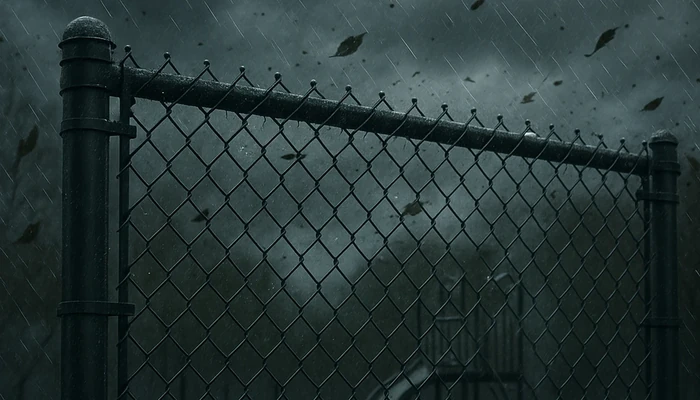
Chain link fences in the Chicago, Illinois area face a year-round mix of weather challenges:
- Snow and Ice: Accumulation can test structural strength and elevate moisture risks that drive corrosion.
- Rain and Humidity: High moisture exposes metal to rust if coatings are thin or damaged.
- Freeze/Thaw Cycles: Repeated expansion and contraction can stress fence posts and connections.
- Salt Exposure: Road salt splash accelerates oxidation and can degrade finishes over time.
- Wind Events: Sturdy anchoring is required for Chicago’s famous gusts—weak posts or poor installation may result in leaning or collapse.
Galvanized Steel: The First Line of Defense
The majority of chain link fences are made from galvanized steel wire, which means the metal is coated in a protective zinc layer. This barrier resists rust and corrosion, giving chain link fences their reputation for durability—especially in difficult weather.
- Hot-Dip Galvanization: Steel is dipped in molten zinc to form a robust outer layer.
- Electro-Galvanization: Zinc is electrically bonded for a thinner, lighter coating (less durable in harsh climates).
Professionally galvanized chain link can last 15–30 years with basic care. However, damage to the zinc layer (scratches, cuts) exposes bare steel, making regular inspection important. For further insights on coated piping and repair approaches, see discussions at AMPP.org.
Vinyl and Polymer Coatings: Extra Moisture Protection
For properties seeking extended lifespan or enhanced aesthetics, many chain link fences are finished with vinyl (PVC) or specialty polymer coatings on top of the galvanization. These coatings:
- Provide a flexible, waterproof barrier.
- Reduce direct metal exposure to the elements.
- Offer color choices to better match home or business appearances.
Vinyl-coated chain link typically lasts longer than bare galvanized, especially in areas prone to salt, rain, or humidity. Surface nicks or cracks should be promptly patched to prevent water intrusion beneath the coating.
How Chain Link Fences Withstand Chicago’s Climate
Homeowners in Chicago, Illinois often weigh chain link against other fence materials. Thanks to their galvanized and/or vinyl coatings, well-built chain link fences:
- Repel most rainfall and snowmelt, with minimal trapped moisture due to their open design.
- Resist most rust even in humid or salty air, as long as the protective layer remains intact.
- Withstand freeze-thaw cycles well, provided posts are properly anchored below the frost line (more on structural standards).
- Outperform wood in terms of moisture resistance and lower maintenance needs.
- Are less likely to warp, split, or crack compared to traditional wood or some composites.
Occasionally, chain link can appear to rust prematurely around cut points, gates, or where coatings have worn thin. Early spotting and repairs will keep corrosion to a minimum.
Chain Link vs. Other Fence Materials: Weather Performance Comparison
| Fence Material | Weather Resistance | Maintenance Needs | Common Issues |
|---|---|---|---|
| Chain Link (Galvanized) | Very good; resists rust if coating intact | Low; check for coating damage | Rust at scratches/cuts |
| Chain Link (Vinyl) | Excellent; added barrier | Very low; patch nicks in vinyl | Punctures/cracks in vinyl |
| Wood | Fair; prone to rot/warping | High; sealing, painting advised | Rot, splintering, insect damage |
| Vinyl (Solid) | Good; resists moisture, can crack in cold | Low; occasional cleaning | Brittleness in extreme cold |
| Aluminum | Very good; won’t rust, can dent | Very low; check for dents | Surface damage, loose fasteners |
For a deeper look at chain link vs. other materials, visit Advantages Of Chain Link Fences Over Other Materials.
Adapting Your Fence for Maximum Weather Resistance
Site-Specific Installation
The right foundation is key for any fencing project. In Chicago’s climate, best practices include:
- Pounding or setting posts below the frost line to prevent heaving.
- Angling posts to channel water away from anchor points.
- Choosing coatings appropriate for your exposure (road salt? beach/lake effect?).
Material Upgrades
- Opt for heavier gauge steel for higher wind/snow load areas.
- Select premium vinyl colors/coatings for enhanced visual appeal and UV resistance.
Professional Installation
Improperly stretched wire or shallow posts can lead to premature problems. Always check your installer’s experience with Chicago, Illinois’ specific climate conditions. Learn more about commercial fence installation best practices for larger or security-focused projects.
Key Maintenance Tips for Longevity
A chain link fence is a long-term investment, but it benefits from basic care:
- Inspect for coating damage (bare spots, rust streaks) at least twice per year.
- Hose off salt residue, mud, or debris in spring and fall.
- Promptly patch cut or punctured vinyl with repair kits.
- Lubricate and tighten gate hardware as needed.
- Ensure posts stay plumb and solid—adjust after freeze/thaw cycles if leaning observed.
For a comprehensive maintenance checklist, see our post: Chain Link Fences: Understanding Their Parts. For advanced repairs to galvanized pipe or surface protection, see solutions from AMPP.org.
Realistic Lifespan and Common Weather-Related Issues
Most chain link fences installed with professional materials and code compliance in Chicago last 20–30 years or more. However, they can face:
- Localized rust in scratched or cut areas.
- Loose posts after several severe freeze/thaw seasons.
- Gate alignment or latch issues due to ground shifts.
- Punctured or vandalized vinyl coating (rare, but repairable).
For personalized fence recommendations and realistic expectations about durability, speak with our local specialists.
Factors to Weigh: Cost, Codes, and Security
Initial Cost vs. Longevity
- Galvanized chain link offers one of the lowest cost-per-year options.
- Vinyl-coated chain link requires slightly higher upfront spend, but can pay off with longer useful life.
Building Codes and Permits
Always check local building codes and neighborhood or HOA requirements. Code restrictions may govern:
- Height limits (often 4–6 ft for residential, higher for commercial or privacy needs).
- Permitted coatings or appearances.
- Setback from sidewalks, roads, or neighboring property lines.
Security Considerations
Because chain link offers visibility, it can act as an effective deterrent when security is a priority. Optional upgrades include thicker gauge mesh, privacy slats, and gate automation for sensitive sites. For a guide on maximizing chain link security, browse our expert tips.
Personalization and Climate-Resilient Upgrades
You don’t have to settle for a purely utilitarian look! Modern chain link fencing offers:
- Color options (green, black, brown) for better landscape blending.
- Privacy enhancements with decorative slats or wind screens.
- Ornamental tops or post caps for a custom finish.
For inspiration and creative ideas, visit Personalizing Your Chain Link Fences and Beyond Silver: Exploring Color Options for Chain Link Fences.
Frequently Asked Questions About Chain Link Fences and Weather Resistance
- How long do chain link fences typically last in Chicago?
With proper materials and installation, most chain link fences last 20–30 years—even accounting for snow, ice, and humidity. Choosing vinyl-coated options and inspecting for damage increase lifespan.
- Will my chain link fence rust over time?
If the galvanized or vinyl coating is damaged or worn, rust can develop. However, basic care and prompt repair of scratches will keep rust at bay for many years.
- How do I maintain my fence through winter?
Keep fence lines free of heavy ice or snow buildup, hose away road salt, and check posts after major freeze/thaw cycles for movement. Tighten hardware as needed.
- Is chain link better than wood for wet or humid environments?
Yes. Chain link resists rot, warping, and swelling much better than wood. With the right coatings, it resists rust far longer than untreated metal or organic materials.
- Can I install a chain link fence near a lake or in coastal areas?
Yes—but prioritize heavy galvanization and vinyl coating. Rinse surfaces to remove salt deposits and inspect frequently for corrosion or coating wear.
- What should I do if I see rust or a puncture?
Smooth rust spots with a wire brush, apply a zinc-rich primer, and touch up with compatible paint or vinyl patch kits as appropriate.
- Will privacy slats or wind screens reduce weather resistance?
Slats add wind load, so ensure posts are deeply anchored. Use flexible, UV-resistant materials and inspect for secure attachment each spring.
- How do storms or high winds affect chain link fences?
If properly installed with correct post depth and tension, chain link fences tolerate severe wind better than most wood or vinyl panels.
- Are there special codes or standards for Chicago-area installations?
Yes—always check with your municipality or installer regarding height, anchoring, coatings, and setbacks. Chicagoland Fence Pros can guide you through the process.
- Who can help me inspect or repair weather damage?
Contact Chicagoland Fence Pros for professional inspection, repair, and honest maintenance advice year-round.
Conclusion: Making the Right Choice for Weather-Resistant Fencing
Chain link fences remain a highly effective, affordable, and low-maintenance solution for Chicago, Illinois property owners seeking reliable security and weather resistance. With the right materials, coatings, and installation expertise, these fences easily endure local climate challenges. Regular inspections and prompt repairs maximize their value and longevity.
If you’re weighing your options or want a customized weather-resistant solution, talk to our experts at Chicagoland Fence Pros for honest advice and clear pricing. For more about fence design options, see our fence inspiration gallery or explore the wide benefits of chain link fencing here.
About Chicagoland Fence Pros
Chicagoland Fence Pros is a trusted fence company serving Chicago, Illinois and nearby communities. With over 15 years of experience in residential and commercial fencing, we specialize in chain link, wood, vinyl, aluminum, and steel installations—even in the toughest Midwest climates. Our team is committed to code-compliant, insured, and expertly planned security and privacy solutions. Contact us to learn more about building a better, longer-lasting fence for your property.
fence builder chicago il, chain link fence repair chicago, chicago chain link fence, chain link perimeter fence Gilberts, chain link fence options Alta Vista Terrace, chain link security fence Maywood, chain link fence maintenance Mokena, North Halsted chain link fence, chain link fence Westmont, chain link security fence Schiller Park