 Skip to content
How Iron Bollards Boost Green Urban Spaces: An In-Depth Guide
As cities like Chicago strive to balance safety, sustainability, and livability, urban green spaces are under increasing pressure to deliver both beauty and function. For many property managers and homeowners, the challenge is finding effective ways to protect these valuable zones without sacrificing ease of use or visual harmony. Iron bollards—a time-tested but often misunderstood solution—are quietly transforming green urban spaces across the Midwest. In this guide, you’ll discover how iron bollards boost green urban spaces, what their environmental and design advantages are, and why they’re worth considering for both residential and commercial projects. Drawing on Chicagoland Fence Pros’ years of expertise in Chicago’s demanding climate, this article outlines everything you need to know to make informed, future-proof choices.
Understanding Iron Bollards: More Than Just Barriers
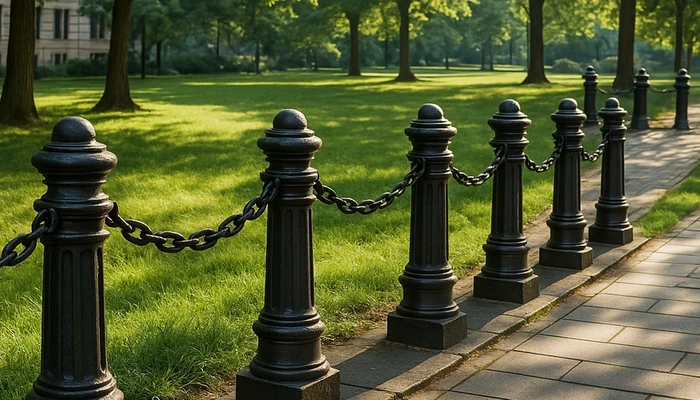
Iron bollards are upright posts, typically made from robust iron or steel, installed to control movement, protect property, and enhance space definition. While originally designed for safety—marking pedestrian areas, protecting building perimeters, or preventing vehicular intrusions—their role is evolving.
- Physical Protection: They protect people and plantings from vehicles.
- Visual Delineation: They organize parks, promenades, and pathways with subtle markers.
- Design Enhancement: Decorative options add to visual interest and sense of place.
- Environmental Stewardship: They integrate with nature-friendly initiatives and promote walkability.
In the Chicago, Illinois area, iron bollards commonly support the urban tree canopy, keep park pathways clear, and reinforce the boundaries of green spaces large and small.
The Environmental Contribution of Iron Bollards
Iron bollards support green initiatives in several distinct yet overlapping ways:
Durability and Longevity Reduce Waste
Well-made iron bollards last decades—even under harsh Midwest weather. Fewer replacements mean less waste and resource use over time, a key sustainability goal for cities prioritizing greener, more circular economies. For maintenance tips that further prolong their life, see care of outdoor iron bollards.
Recyclability and Sustainable Manufacturing
Iron is one of the most commonly recycled building materials. At end-of-life, bollards can be melted down and made into new products. Modern manufacturers prioritize recycled content when producing bollards, minimizing raw material extraction and related environmental impacts. This aligns with green building best practices promoted by organizations like the US Green Building Council.
Supporting Urban Biodiversity
By clearly marking out pedestrian zones and keeping vehicles at bay, iron bollards protect plant beds, street trees, and pollinator habitats inside urban parks. This multiplies ecological benefits—supporting birds, insects, and city-dwelling wildlife.
To deepen your understanding of eco-friendly barriers, visit Sustainability Of Iron Bollards In Construction.
How Iron Bollards Enhance the Function of Urban Green Spaces
Safe Mobility and Active Transportation
Iron bollards help define paths for runners, walkers, and cyclists—reducing conflicts between people and vehicles. In Chicago parks and along boulevards, they anchor spaces dedicated to active transit while preventing encroachment and illegal parking. This enables safer urban mobility and connects neighborhoods more seamlessly.
Protection Without Barriers
Unlike tall fences or walls, iron bollards are visually light yet highly effective at stopping cars and trucks. They keep vistas open, improve the sense of space, and encourage visitors to enjoy gardens and trails without feeling closed in.
Want to learn about strategic placement in parks? See Incorporation Of Iron Bollards In Green Spaces.
Flexible, Context-Sensitive Design
Modern iron bollards come in many styles—from classic and historic to minimalist or even sculptural. This adaptability makes it easier to blend safety with aesthetics and match the character of each green space or neighborhood.
Inevitable Trade-offs and Smart Design Decisions
Choosing iron bollards for a green space involves weighing functionality, cost, local codes, and aesthetics. Here’s what Chicago property owners and managers should keep in mind:
- Purpose and Threat Level: Heavy-duty installations may be needed for traffic-heavy zones. Choose more decorative or removable types in pedestrian-only areas.
- Spacing and Layout: Bollard spacing affects accessibility—ensure clear passage for strollers and wheelchairs while maintaining protection.
- Finish and Maintenance: Powder-coating and galvanized finishes resist rust. Regular checks prevent wear, especially in humid or snowy conditions.
- Permitting and Codes: Chicago has specific rules about sightlines, historic districts, and accessibility. Always consult local ordinances or speak with a fence expert familiar with city regulations.
For a comprehensive guide to installation and code-compliance, review Professional Installation of Urban Bollards.
Iron Bollard Materials and Styles: Finding the Right Fit
Comparing Common Bollard Materials
| Material | Durability | Maintenance | Sustainability | Best Use |
|---|---|---|---|---|
| Iron/Steel | Very High | Medium | Recyclable | Urban parks, city streets |
| Aluminum | High | Low | Recyclable, lightweight | Plazas, decorative areas |
| Concrete | High | Low | Less eco-friendly | Traffic medians |
| Composite | Medium | Low | Variable | Low-impact, low-traffic areas |
Iron offers unmatched impact resistance and design flexibility. For decorative options and historical influences, see Iron Bollards Decorative Styles.
Popular Decorative Styles in Urban Green Spaces
- Vintage (Victorian, Gothic): Suited for historic parks or districts.
- Modern/Minimalist: Clean, simple lines ideal for new developments.
- Sculptural/Custom: Feature pieces that double as public art.
Style choices should reflect the neighborhood’s character and the intended mood of the green space.
Maintenance and Lifecycle: Keeping Iron Bollards Green
While iron bollards are tough, urban pollutants and Midwest weather can shorten their lifespan. Here’s how to keep them in top shape:
- Choose corrosion-resistant finishes (galvanized, powder-coated).
- Inspect annually for chips, rust, or structural issues.
- Schedule periodic repainting or surface treatments as needed.
Regular attention not only extends the bollard’s life but also upholds the green credentials of the entire space. Detailed care tips are found in care of outdoor iron bollards and how to extend the life of iron bollards.
For larger projects or repairs, consider working with specialists. You can request an installation assessment from Chicagoland Fence Pros to ensure code-compliance and full project transparency.
Integration with Other Green Infrastructure
Iron bollards complement green infrastructure projects such as permeable pavements, bioswales, and urban forests. Their compact footprint allows flexible placement, ensuring stormwater flows, maintenance, and emergency access are all maintained. Explore more on effective installation at Effective Bollard Installation for Enhanced Security.
For inspiration on blending safety and landscape architecture, check out project examples and best practices from Structure Magazine.
Costs, Approvals, and What to Expect
Iron bollard costs depend on material, finish, installation complexity, and required certifications. Property owners should budget for:
- Material and Fabrication (quality, decorative details, specialty finishes)
- Permitting (local requirements, especially in historic districts or flood zones)
- Professional Installation (site prep, code compliance)
- Ongoing Maintenance
Budget ranges vary. For property-specific costs and honest advice, talk with fence specialists familiar with Chicago’s unique urban landscape. For other fencing solutions, explore options like wood fences, vinyl fencing, or aluminum fences on the Chicagoland Fence Pros website.
Case Study: Iron Bollards Revitalize a Chicago Neighborhood Park
In 2023, a Chicago neighborhood group partnered with local authorities to revamp a small community green filled with native grasses and wildflowers. Before the project, careless parking destroyed plant beds and made the space less safe for children. Installing decorative iron bollards spaced every 5 feet along the street edges:
- Prevented unauthorized vehicle entry without blocking access for pedestrians or strollers.
- Maintained views and supported landscape design—keeping the space open, airy, and welcoming.
- Withstand harsh winters and require minimal ongoing upkeep.
The result: safer recreation, better protection for plantings, and renewed neighborhood pride.
Frequently Asked Questions About Iron Bollards in Urban Green Spaces
- How do iron bollards boost green urban spaces?
They provide unobtrusive security, protect landscaping from vehicles, guide foot and bike traffic, and are fully recyclable, supporting sustainable city goals.
- Are iron bollards better than fences for green spaces?
Iron bollards offer a balance of protection and openness, while fences provide greater enclosure and privacy. The best choice depends on your specific goals and site.
- What is the lifespan of an iron bollard?
With proper coatings and minimal maintenance, iron bollards can last 25 years or more, even in Chicago’s harsh climate.
- Is installation disruptive to existing landscaping?
Professional installers minimize soil and root disturbance by careful site planning. Discuss concerns upfront to ensure tree and plant health is preserved.
- Can iron bollards be decorative as well as functional?
Absolutely. They come in many designs—from classic Victorian to sleek modern profiles. See examples at Iron Bollards Decorative Styles.
- How wide apart should iron bollards be spaced?
Typical spacing is 3–5 feet, allowing access for people, strollers, and wheelchairs, while preventing vehicle entry.
- Do iron bollards rust?
Modern coatings such as zinc galvanization and powder painting greatly reduce rusting; periodic maintenance further extends their longevity.
- Are there building codes relevant to bollard installation?
Yes, especially in busy or historic zones. Chicago’s codes cover spacing, accessibility, and sightlines. Always check local requirements or consult an installer who specializes in local projects.
- What other fencing options work alongside bollards?
Bollards can be used with low decorative fences, railings, or landscape walls to support visuals and function. For full perimeter needs, explore commercial fence installation.
Conclusion: Iron Bollards as Tools for Greener, Safer Urban Spaces
Iron bollards are much more than simple posts—they’re a flexible, durable solution that supports the safety, accessibility, and ecological health of city green spaces. When designed and installed thoughtfully, they help knit urban neighborhoods together, promote sustainability, and preserve access for everyone.
Need expert advice on whether iron bollards could boost your green space? Reach out to Chicagoland Fence Pros for transparent guidance and tailored recommendations. For other project needs, consider a chain link fence or see our range of residential fencing solutions.
About Chicagoland Fence Pros
Chicagoland Fence Pros brings over 15 years of experience installing iron bollards, fences, and security barriers in Chicago, Illinois and nearby communities. Specializing in code-compliant, durable, and aesthetically pleasing fences for both homeowners and businesses, Chicagoland Fence Pros offers expert advice, clear budgets, and a transparent process. From classic wood and modern aluminum to industrial steel solutions, our team understands the region’s unique climate and codes, ensuring peace of mind for every project.
fence installation chicago, storefront bollards chicago, steel bollards, iron bollards Glendale Heights, security bollards Cicero, bollards Glen Ellyn, bollards Long Grove, steel bollards Niles, bollard repair Skokie, protective bollards Island Lake
