
Benefits of Vinyl Fencing for Pets: An In-Depth Guide
Choosing the right fence for your property isn’t just about curb appeal—it’s about keeping your beloved pets safe and giving them the freedom they deserve. As a homeowner or property manager, you may feel overwhelmed by so many perimeter options, especially if you’re researching fencing for pets for the first time. Should you choose wood, chain link, or a modern material like vinyl? Understanding the benefits of vinyl fencing for pets can help you make an informed decision that balances security, style, budget, and minimal upkeep. In this comprehensive guide, you’ll discover how vinyl fences create secure enclosures, what makes them ideal for pets in Chicago’s demanding climate, and what to expect during installation and maintenance. Chicagoland Fence Pros has guided families and property managers through these choices for years—in this article, you’ll get clear, experience-based answers to your most important questions.
Why Secure Fencing Matters for Pet Owners
A secure yard is one of the greatest gifts you can give your pets. From adventurous dogs to curious cats, pets are naturally drawn to explore, but open spaces present real hazards—busy streets, wildlife, or simple curiosity can lead them straight into danger. Reliable pet fencing provides:
- Safety: Stops pets from wandering, escaping, or encountering hazards.
- Peace of mind: Owners know their animals are protected and happy outdoors.
- Property protection: Minimizes conflicts with neighbors and protects gardens from excited paws.
Proper fence selection is also about neighborhood harmony. In cities like Chicago, where yards are often close together, a well-designed fence ensures privacy and respect for property boundaries.
Vinyl Fencing: What Makes It Pet-Friendly?
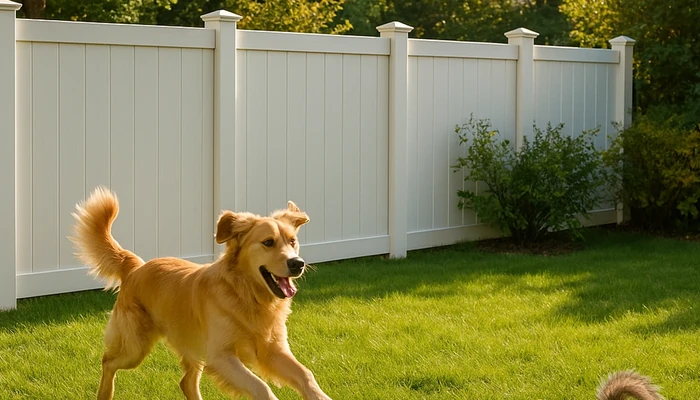
Vinyl fencing has steadily gained popularity, but what makes it uniquely suited as a pet enclosure? The answer lies in a combination of modern materials, engineering, and hassle-free features:
- Non-toxic and safe: Vinyl is manufactured without toxic chemicals, making it safe for pets who may chew or lean against it.
- Strength and flexibility: Resists bending, cracking, and splintering—key benefits over wood for active pets.
- Customizable designs: Taller heights, tight slats, and privacy options make it hard for pets to jump or squeeze through.
- No exposed hardware: Smooth edges mean no sharp nails or screws to harm paws or muzzles.
- Longevity: Maintains structure even after years of weather exposure and pet activity.
If you’re wondering how vinyl fencing compares to other materials for pet safety and convenience, the next section provides a head-to-head overview.
Comparing Vinyl Fencing to Other Pet Enclosure Materials
| Material | Pet Safety | Durability | Maintenance | Cost (Initial/Long-Term) | Appeal |
|---|---|---|---|---|---|
| Vinyl | Excellent: smooth, no splinters, no exposed hardware | High: weather, moisture, and impact resistant | Very low: hose off as needed | Medium/Low: investment pays off with minimal upkeep | Modern, customizable |
| Wood | Good: but can splinter, may require treatment for chewing | Variable: can rot, warp, or splinter over time | High: painting, staining, repairs | Low/Medium: may cost more over the years | Classic look |
| Chain Link | Fair: climbable, can catch collars/paws | Good: strong but may rust | Low: occasional rust treatment | Low/Medium: affordable | Utilitarian |
| Aluminum | Good: generally safe, but bar spacing varies | High: rust-proof, strong | Low: periodic cleaning | Medium: higher investment | Ornamental |
For a detailed comparison of vinyl and wood fencing, read this guide.
Core Benefits of Vinyl Fencing for Pets
1. Reliable Containment
Tall and gap-free panels mean pets can’t jump over or squeeze through. Unlike chain link, there’s no easy toehold for climbing pets. Privacy panels also block outside distractions, reducing barking or fence-aggression in dogs.
2. Smooth, Safe Surfaces
No sharp corners, nails, or splinters—vinyl fencing puts pet safety first. If you have energetic jumpers or puppies that love to chew, smooth vinyl surfaces lower the risk of mouth injuries or splinters stuck in paws.
3. Low Maintenance
Rain, snow, or pet accidents? Vinyl stands up to the elements and is extremely easy to clean. A quick spray with the hose or mild soap is usually all that’s required—no scraping, painting, or special stain removers needed. Busy Chicago families value this low-upkeep feature.
4. Weather and Chew Resistant
Vinyl fencing is engineered not to rot, warp, or rust—common issues for wood or metal in windy, wet, or wintry environments. It’s also much less appealing to chewers than wood. This makes vinyl ideal for the hot summers and freezing winters typical in Chicago, Illinois.
5. Custom Design for Every Pet and Property
Whether you need a secure puppy play yard or a visual barrier for a reactive dog, vinyl fencing comes in a range of heights, privacy levels, and color options. For community managers or homeowners concerned about design, modern vinyl can mimic wood grain or match any exterior style. Explore creative vinyl fence styles here.
6. Long-Term Value
When properly installed, vinyl fencing offers a long lifespan—often decades with minimal upkeep. While the initial investment may be higher than some materials, reduced maintenance and repair costs quickly make vinyl a cost-effective choice for most pet owners.
Special Considerations for Pets in Chicago, Illinois
In the Chicago area, fence selection for pets must factor in unique climate and city regulations. Homeowners and property managers should consider:
- Winter durability: Vinyl is engineered to flex in freezing conditions and won’t crack like wood in cold snaps.
- Code compliance: Many communities have height, setback, and color rules—always verify city and HOA guidelines before installation.
- Local wildlife: Sturdy, gapless vinyl panels help keep out raccoons, coyotes, and other wildlife that may pose a risk to pets.
From our experience as a fence company in Chicago, Illinois, proper installation is crucial—frost lines, soil composition, and drainage all affect stability and longevity.
Choosing the Right Vinyl Fence for Your Pets: Features and Options
Height and Panel Style
The ideal height for a pet fence depends on your animals’ size and agility. For most dogs, 4–6 feet is appropriate—higher for athletic breeds. Solid privacy panels block distractions, while picket styles allow airflow and visibility for calmer pets.
Gates and Latches
- Self-closing hinges: Prevent gates from being left open by mistake.
- Pet-proof latches: Locking mechanisms prevent clever pets from escaping.
- Accessible entry: Choose gates wide enough for yard equipment or strollers.
Color and Finish
Vinyl fencing comes in classic whites, subtle tans, grays, and wood-look finishes. Low-gloss surfaces minimize teeth marks and are easy to wipe clean.
For more tips on matching style to function, check out this vinyl color guide.
Installation: Why Professional Vinyl Fence Installation Matters
While many homeowners are handy, vinyl fence installation is best left to specialists—especially in regions with freeze-thaw cycles. Professional installers:
- Handle precise post placement and secure panel fitting, critical for pet safety.
- Navigate utilities, permits, and code compliance (required in metropolitan Chicago neighborhoods).
- Ensure gates are level, secure, and adjust for proper closing.
- Offer guidance on the best layout for your yard and pets’ habits.
- Provide installation warranties and support.
For more information or to discuss your needs with a fence expert, request a vinyl fence estimate today.
Maintenance Made Easy: Caring for Your Vinyl Pet Fence
Unlike wood fencing, vinyl requires almost no ongoing maintenance. To keep your pet fence looking new:
- Rinse with a garden hose as needed.
- Use mild soapy water and a soft brush for stubborn spots.
- Inspect post anchors and latches seasonally, especially after Chicago winters.
Vinyl doesn’t need painting, staining, or pest treatments. For more maintenance tips, see this guide.
Common Mistakes to Avoid When Choosing a Pet Fence
- Underestimating pet abilities: Some dogs can climb or dig more than expected. Always plan for their most adventurous behavior.
- Ignoring city/HOA rules: Always check local codes and association rules for height, style, and placement.
- DIY installation pitfalls: Misaligned posts or poorly anchored panels can endanger pets and shorten fence life.
- Inadequate gate security: Weak latches or faulty hinges are frequent escape points.
- Poor drainage planning: Especially in variable Chicago soils, make sure water flows away from fence posts.
Case Study: A Chicago Family’s Pet Fence Upgrade
The Martinez family lives in a busy Chicago suburb with a large, energetic labrador. After several escapes through an aging wood fence—chewed slats and loose nails—they chose a six-foot vinyl privacy fence with self-closing gates. The smooth surface deterred chewing, and the new layout prevented digging. Their yard became a safe, clean space for their dog to play, and maintenance dropped to a quick spring rinse. The improvement also boosted neighbor relations and property value.
FAQs: Benefits of Vinyl Fencing for Pets
- Is vinyl fencing safe for all types of pets?
Yes. Vinyl is non-toxic and designed with smooth surfaces, so it’s safe for dogs, cats, and most common household pets. It’s also less likely to splinter or harm curious animals.
- Can pets chew through vinyl fencing?
Vinyl is far less appealing to most chewers than wood. While determined pets may still try, the material is much more chew-resistant. Persistent chewers should be monitored, and adding barrier strips or landscaping can deter this behavior.
- Will vinyl fencing keep my dog from digging underneath?
While vinyl panels can’t stop all digging, proper installation—including recessed or buried fence bases—dramatically reduces the risk. You can also place barriers or landscaping along the fence line.
- How does vinyl perform in Chicago’s climate?
Vinyl is excellent for the Chicago area. It flexes in the cold and resists damage from snow, ice, and sun. Quality installations account for frost heave and shifting soils.
- How tall should a vinyl pet fence be?
Most dogs require fences between 4 and 6 feet, but larger or athletic breeds may need higher panels. Discuss your pets’ specific needs with a professional installer to determine the right height and style.
- Does vinyl fencing require painting or sealing?
No. Vinyl never needs painting or sealing and won’t peel, chip, or discolor from Chicago’s harsh weather. Simple cleaning is all that’s required.
- Is vinyl fencing more expensive than wood or chain link?
The initial investment is typically higher than basic chain link or wood, but reduced maintenance and longer lifespan make vinyl more cost-effective over time.
- Can vinyl fences be configured for both privacy and safe pet play?
Absolutely. Vinyl comes in both full-privacy and picket designs, so you can customize your fence to match your property’s needs and your pets’ personalities.
- Are there pet-specific vinyl fence features I should ask for?
Look for reinforced bottom rails, tamper-proof or self-closing gate hardware, and gapless paneling for the highest level of pet safety.
- Can I upgrade my existing fence with vinyl panels?
Depending on your current posts and layout, some properties can accommodate vinyl retrofits. A fence professional can evaluate your yard and recommend solutions.
What to Expect From a Professional Vinyl Fence Project
Choosing a vinyl fence for your pets is a smart investment. Working with a professional like Chicagoland Fence Pros ensures:
- Guidance on material selection, layout, and local code compliance
- Accurate measuring and clear, detailed quotes
- Safe, timely installation and clean-up
- Warranty support and future advice on maintenance and upgrades
Ready to explore options? Speak with a fence specialist today.
For additional guidance, the American Fence Association offers valuable education for property managers and homeowners alike.
Conclusion: Securing Your Pets’ Freedom and Your Peace of Mind
Vinyl fencing stands out as a strong, safe, and attractive barrier that gives pets the space to thrive and protects your property investment for years to come. By understanding the unique benefits of vinyl for pets—paired with professional installation and a commitment to maintaining your fence—you can create a secure, beautiful backyard that meets everyone’s needs.
Want to compare more options or ask specific questions? Contact Chicagoland Fence Pros for honest advice and a detailed quote tailored to your property.
About Chicagoland Fence Pros
Chicagoland Fence Pros is a professional fence company with over 15 years of experience serving homeowners and businesses in Chicago, Illinois and nearby communities. Specialists in vinyl, wood, aluminum, and steel fencing, our team provides expert guidance, code-compliant installation, and transparent project management for both residential and commercial properties. We are fully insured, prioritize safety, and always recommend solutions that balance security, durability, and aesthetics.
fence contractor in chicago, chicago vinyl fence, vinyl fence styles, Union vinyl fence, vinyl fence in Wilmette, vinyl fence Lake Forest, vinyl fence styles Mundelein, vinyl fence styles Villa Park, vinyl privacy fence North Halsted, vinyl fence Rolling Meadows