 Skip to content
Efficiency through Automated Gate Systems: A Clear-Eyed Guide for Homeowners and Property Managers
With security, convenience, and curb appeal ranking high on the priority list for homeowners and property managers, selecting the right gate system can be a source of uncertainty—especially in a major city like Chicago, Illinois. The evolution of automated gate systems means efficiency is now at the forefront, transforming not just how you protect and access your property, but also how you balance safety, aesthetics, and ongoing costs. In this comprehensive guide, you’ll discover what automated gates truly offer, the technology and materials involved, critical factors to weigh, relevant codes, and how professionals like Chicagoland Fence Pros help you make the right choice for your unique situation. Whether you’re replacing an old manual gate, considering your first automated system, or researching ways to future-proof your property, this post arms you with actionable insights and real-world examples, demystifying efficiency through automated gate systems.
Understanding Automated Gate Systems: What Makes Them Efficient?
Automated gate systems have become a vital component in modern fencing solutions, offering more than just entry control. At their core, efficiency through automated gate systems comes down to combining smart access, low-maintenance performance, and streamlined operation—delivering value in ways traditional gates often can’t match.
- Automated Mechanisms: Use electric motors and sensors to open and close gates remotely or on schedule.
- Smart Controls: Allow operation via keypad, card, fob, smartphone app, or even voice assistants.
- Safety Sensors: Detect obstacles to prevent accidents, a requirement under many local codes (buildingcode.online).
- Material Advantages: Choices in materials like aluminum, steel, wood, and composite influence durability and maintenance needs.
The emphasis on efficiency is about more than speed: it also involves reducing wear and tear, maximizing energy use (with options like solar-powered components), and simplifying access for residents and authorized visitors.
Types of Automated Gate Systems: Which Works Best for Your Property?
Not all automated gates are created equal. The most common types include:
- Sliding Gates: Ideal for wide driveways or areas with limited backspace, they slide along a rail and are well-suited for snowy climates like Chicago.
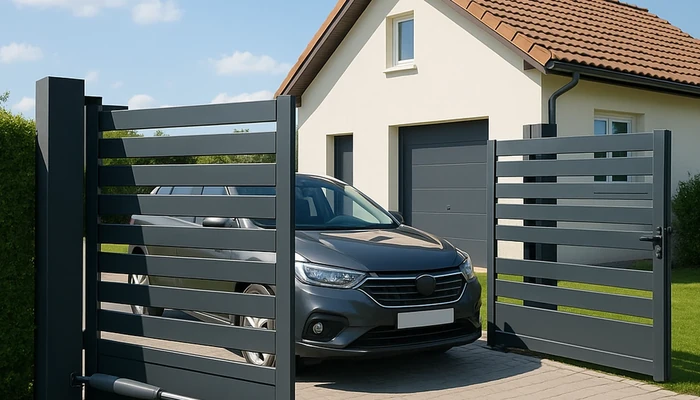
- Swing Gates: Mimic traditional swinging action, great for classic aesthetics but require clear space behind the gate.
- Vertical Lift Gates: Rare for homes but increasingly used in commercial or multi-family settings where footprint is limited.
- Bi-Folding Gates: Fold in the middle, allowing for fast operation and minimal clearance needs.
When weighing efficiency through automated gate systems, consider factors like frequency of use, available space, typical traffic flow, and desired level of automation.
The Technology Behind Efficiency: Motors, Sensors, and Smart Integrations
Automated gate efficiency doesn’t happen by accident: it’s the result of careful coordination between the hardware, electronics, and software controlling the gate. Here are key technology aspects:
- Gate Motors: Rated for specific weights and usage patterns. Continuous-duty motors are vital for busy multi-unit or commercial entrances.
- Access Control Interfaces: Modern systems handle everything from classic remote clickers to keypads, RFID cards, or integration with smart home networks.
- Safety & Compliance: UL 325 safety standards require sensors that reverse or stop the gate when something’s in the way—critical for peace of mind and insurance compliance (learn more here).
- Backup Power: Battery packs or solar supplies keep gates operational during power outages—an important efficiency feature in the unpredictable Midwest weather.
Material Choices and Their Impact on Efficiency and Maintenance
In Chicago’s demanding climate, material choice is a cornerstone of efficient performance. Here’s a quick comparison to help you evaluate the best fit:
| Material | Durability | Maintenance | Best For |
|---|---|---|---|
| Aluminum | High | Low | Corrosion resistance, modern look |
| Steel (Powder-Coated) | Very High | Low-Moderate | Security, heavy usage |
| Wood | Moderate | High | Aesthetic appeal, privacy |
| Composite | High | Low | Minimal upkeep, eco-friendly options |
Pairing the right material with an efficient automation system can dramatically extend gate life and reduce unexpected repairs.
Benefits of Efficiency through Automated Gate Systems
- Time Savings: Instantly open and close gates from your vehicle or phone—ideal for snowy winters or rainy days in Chicago.
- Improved Security: Quick shut operations limit unwanted entry. Pair with cameras for enhanced control (see more about advanced features).
- Energy Efficiency: Newer systems use low-power motors and adaptive lighting. Solar panels are a smart upgrade (explore energy-efficient options).
- Reduced Wear: Smooth motors and smart sensors cut down on jamming or physical strain, extending the useful life of your investment.
Factors That Influence Automated Gate Efficiency
- Climate Resistance: Choose corrosion-resistant components and weather-sealed electronics for Chicago’s extreme temperature swings.
- Usage Patterns: Frequent entry/exit requires more robust motors; residential users may prefer quieter, energy-saving units.
- Integration Needs: Will the gate system sync with existing security, access control, or home automation?
- Code Compliance: Always check with your city or county (reference: buildingcode.online), and seek contractors experienced with Chicago’s building codes.
- Professional Installation: Efficiency gains are fully realized only when installation and calibration are handled by specialists familiar with both product and local regulations.
Comparing Automated vs. Manual Gates: Is Efficiency Worth It?
| Feature | Manual Gate | Automated Gate |
|---|---|---|
| Access | Manual, sometimes difficult in bad weather | Remote, scheduled, or sensor-based |
| Security | Basic, depends on lock type | Enhanced with automatic closure, monitoring |
| Maintenance | Hinges, lock, sometimes rust/wear | Motor/electric checks, sensor calibration |
| Value Added | Provides basic property demarcation | Boosts curb appeal and home value |
| Convenience | Low; can be challenging for elderly or people with mobility needs | High; easy access for all ages and abilities |
Modern automated gates offer clear benefits in efficiency, but it’s crucial to weigh the upfront investment against the lifetime convenience and performance gains.
Cost Considerations: What Impacts the Price of Automated Gate Efficiency?
The cost of automated gate systems varies based on factors such as gate style, material, motor size, security features, and professional installation. Expect to budget for:
- Gate and hardware (material, size, accessories)
- Automation kits (motors, control panels, sensors, remotes)
- Electrical and, if desired, solar system installation
- Ongoing maintenance and periodic adjustments
Contacting a local expert who understands Chicago’s specific climate and code requirements can help you get a truly accurate estimate—visit our automatic security gates service page for more details or to request a quote.
Essential Maintenance Tips for Long-Term Gate Efficiency
Efficiency is not a one-time achievement—proper maintenance is crucial. Follow these best practices:
- Test your gate’s safety sensors monthly to ensure proper operation (especially after storms or snow).
- Inspect for rust, corrosion, or physical damage seasonally, and promptly repair any issues.
- Update or calibrate access codes and remotes regularly to maintain security.
- Lubricate moving parts according to your manufacturer’s recommendations.
- Schedule professional inspections every 1–2 years, particularly as the system ages.
See our guide on maintenance of automatic gate systems for more detailed advice.
Meeting Chicago, Illinois Building Codes for Automated Gates
Regulations in Chicago and surrounding suburbs require certain safety and durability standards for automated gates. Always check:
- Permitting needs for new installations, which frequently involve local inspections.
- UL 325 compliance for safety sensors and automatic operation (reference here).
- Gate height, setback, and motor placement limitations set by city ordinances or HOAs.
- Requirements for emergency manual release mechanisms.
If you’re unsure about codes or HOA regulations, working with a local pro such as Chicagoland Fence Pros helps ensure your installation is code-compliant and passes inspection the first time.
Integrating Automated Gates with Security and Smart Home Systems
A modern efficiency gain is the seamless integration of gates with broader security or smart home systems. This can include:
- Connection with security cameras and recording solutions.
- Remote monitoring from your smartphone.
- Alerts and automation, like auto-closing after a set time.
- Package delivery solutions where gates grant temporary access.
For more advanced setups and inspiration, see our post on smart features in automatic gates.
Common Pitfalls and How to Avoid Inefficiency in Automated Gates
To ensure the best results from your investment, watch out for these typical mistakes:
- Choosing the wrong gate type for your lot layout.
- Underestimating Chicago’s harsh winter impact—choose robust hardware!
- Skipping professional installation, leading to persistent alignment and reliability issues.
- Ignoring required safety upgrades—this can cause injuries or insurance voiding.
- Missing routine maintenance, which shortens the lifespan of your system.
If any of these resonate with your concerns, it may be time to consult with automatic gate specialists about the best options for your property.
FAQ: Efficiency through Automated Gate Systems
- 1. What makes an automated gate “efficient”?
- Efficiency refers to the speed, reliability, low maintenance, and energy usage of the gate system. Smart technology and quality materials can greatly boost efficiency.
- 2. Can automated gates operate during Chicago’s harsh winters?
- With proper installation, weather-sealed components, and regular maintenance, modern automated gates are designed to work in snow and freezing temps.
- 3. Are automated gates safe for children and pets?
- When equipped with required safety sensors and following UL 325 standards (see code guidelines), automated gates are safe—always verify sensor operation regularly.
- 4. Will an automated gate add value to my property?
- Yes! Automated gates enhance curb appeal, security, and overall property desirability, especially in competitive Chicago neighborhoods.
- 5. What are the most energy-efficient options for automated gates?
- Look for low-voltage motors and the availability of solar power upgrades. Explore more at energy-efficient options.
- 6. How long should I expect an automated gate system to last?
- With quality installation and maintenance, most systems perform well for 10–15 years or longer, though electronic components may require periodic updates.
- 7. Do I need a permit to install an automated gate in Chicago?
- Usually, yes. Permits and local code compliance are crucial. Work with an experienced contractor who manages the process for you.
- 8. What maintenance is required to keep automated gates running efficiently?
- Regular tests of sensors, lubricating moving parts, seasonal inspections, and occasional recalibration of access controls keep your system in top shape.
- 9. Can my automated gate integrate with existing security systems?
- Most modern systems offer integrations with surveillance, alarms, and smart home platforms—consult your installer to match features with your needs.
- 10. When should I call a professional for help?
- Call a pro if your gate is misaligned, failing to open/close, or if you notice electrical issues, especially after storms. Never attempt complex repairs without training.
Conclusion: Next Steps Toward Gate Efficiency and Peace of Mind
Investing in efficiency through automated gate systems brings tangible benefits—improved security, time savings, lower risks, and curb appeal for your Chicago property. While many choices exist, thoughtful analysis of your needs, property layout, and maintenance plans pays dividends. Ready to take the next step? Speak to our automatic gate experts for a tailored assessment, or contact Chicagoland Fence Pros with any questions about transforming your perimeter security.
Need guidance on other fence options as well? Explore more:
About Chicagoland Fence Pros
Chicagoland Fence Pros is a professional fence company with over 15 years of experience helping homeowners and businesses in Chicago, Illinois and nearby communities improve security, privacy, and curb appeal. Our team specializes in honest advice, code-compliant installations, and a wide range of materials for residential and commercial projects. Contact us any time for clear guidance on your next fence or automated gate upgrade.
fencing contractors chicago, automatic gate installation in Chicago, electric gates Chicago, gate opener repair Island Lake, gate opener repair Schaumburg, security gates Grayslake, automatic gate repair Highland Park, sliding gate Union, security gates Orland Park, gate opener repair Bedford Park
