
How to Keep Your Vinyl Fence Flawless: An In-Depth Guide for Homeowners and Property Managers
Are you wondering how to keep your vinyl fence flawless and looking new year after year? Whether you’ve just invested in a new fence or have managed one for years, understanding the best ways to maintain it is essential. Vinyl fencing offers exceptional durability, minimal upkeep, and a crisp aesthetic, but Chicago’s unpredictable weather, shifting seasons, and urban conditions can challenge even the best installations. This guide breaks down exactly what you need to do to protect your investment—covering everything from regular cleaning and maintenance routines to troubleshooting, repairs, and preventive care against stains, cracks, and mold. By the end, you’ll have all the practical, no-nonsense tips you need to ensure your vinyl fence remains a beautiful, secure boundary for your property. For more expert insights, the team at Chicagoland Fence Pros brings over 15 years of fence installation experience in the Chicago, Illinois area and shares what really works for local homes and businesses.
Understanding Vinyl Fencing: Why Care Matters
Vinyl fences are popular for their low-maintenance appeal and resistance to rot, pests, and rust. Unlike wood, they won’t splinter or decay. However, they are not completely care-free: airborne pollutants, mildew, weathering, and accidental damage can still affect appearance and longevity. Proactive care ensures your fence stays strong, safe, and visually appealing, even in the demanding Chicago, Illinois climate.
Routine Cleaning for a Flawless Finish
Simple, Effective Cleaning Methods
Keeping your vinyl fence clean is the most important—and easiest—step to maintain its flawless look. For most projects, all you’ll need is:
- A garden hose
- Mild dish soap
- Soft sponge or cloth
- Soft-bristle brush (for tougher spots)
Here’s how:
- Rinse the fence using your garden hose to remove dust and debris.
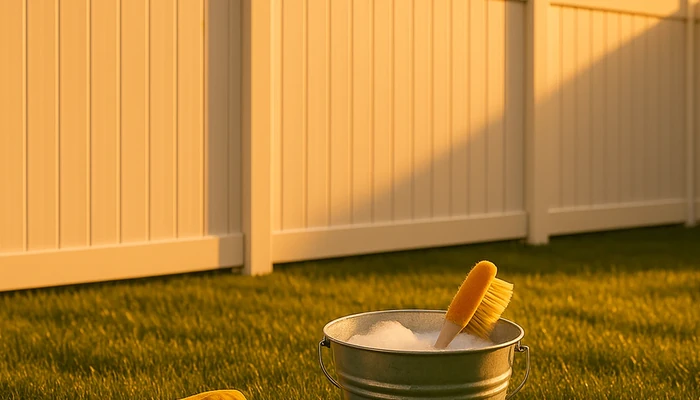
- Add a small amount of dish soap to a bucket of warm water. Clean each section using your sponge or brush, working from top to bottom.
- Rinse again to clear away soap residue.
For an even deeper clean, or if you’re facing stubborn stains, power washing at low pressure can help. Always follow manufacturer guidelines and aim for a setting under 1,300 PSI to avoid damaging the surface. See more cleaning tips for vinyl fences.
Tackling Stains, Graffiti, and Scuffs
Stains from grass, mud, and even chalk can often be removed with a magic-eraser style sponge and gentle pressure. For sticky or greasy spots, try diluted white vinegar or a small amount of baking soda. Never use abrasive cleaners or steel wool—they can scratch and dull the finish.
If your fence faces a public area, graffiti may occur. Isopropyl alcohol and a soft cloth often do the trick, but always test a small spot first.
Preventing Mold, Mildew, and Discoloration
Why Mold Appears—and How to Stop It
Despite being rot-resistant, vinyl can develop mold and mildew in damp or shaded spots. This is especially true in humid summers or shaded areas of Chicago-area yards. Regular sunlight usually keeps vinyl dry and clean, but where moisture lingers, you’ll want to inspect monthly.
- If you notice greenish or black stains, mix two parts water with one part white vinegar or a specialized vinyl fence cleaner.
- Scrub the affected area with a soft brush, let sit for a few minutes, then rinse thoroughly.
Avoid bleach unless your fence manufacturer approves it, as it may cause yellowing. Keep surrounding landscaping trimmed back to promote air flow around the fence line.
Learn more in our preventive maintenance guide for vinyl fences.
Preventing Fading and Yellowing
Today’s top-quality vinyl is engineered for UV resistance. Occasionally, environmental pollutants (like car exhaust) can cause surface discoloration. Annual washings and prompt treatment of stains help prevent embedded yellowing. If you’re concerned about color stability or want to know about warranty protections, see our guide on vinyl fence warranties.
Addressing Minor Damage and Fence Repairs
Spotting Problems Early
Walk your fence line twice a year, especially after winter thaws and summer storms. What to look for:
- Cracks or chips in the panels
- Loose posts or rails
- Gaps caused by soil shifting or frost heave
- Broken or missing caps
Most minor damage—like small cracks—can be repaired using vinyl patch kits or adhesives. Make sure the area is thoroughly clean and dry before applying any repair materials. Follow all package instructions and remember that color-matching filler may be available from your fence manufacturer.
What to Do for Major Damage
If you notice sagging panels, leaning posts, or damage from a fallen tree, it’s usually best to consult pros. Attempting a DIY fix on structural elements without proper tools and experience can worsen the problem. A seasoned crew (like those at Chicagoland Fence Pros) can reset posts, replace panels, and ensure compliance with local codes.
Seasonal Care for Chicago’s Climate
Chicago’s Unique Challenges
Homeowners in Chicago, Illinois often face unique conditions: freezing-and-thawing cycles, snow buildup, heavy spring rains, and rapid temperature swings. Vinyl fencing is tougher than wood in these climates but still needs attention in harsh weather.
- Clear snow and ice from the base regularly (avoid piling heavy snow against panels)
- Watch for ground shifting around posts in spring
- Check for water pooling near the fence during rainy spells
For further insights, our Vinyl Fence Gate Options guide explains seasonal durability for gates and moving parts.
Recommended Materials and Tools
A few key supplies can keep your vinyl fence flawless with minimal effort:
- Garden hose with spray nozzle
- Mild, non-abrasive soap
- Soft-bristle brush or sponge
- Vinyl-safe cleaner
- White vinegar (for mold/mildew)
- Vinyl repair kit (patches or adhesive)
- Level and shovel for adjusting posts
Always use tools and cleaners specified by your fence manufacturer to safeguard warranties and finishes.
Comparing Vinyl with Other Fence Materials
| Feature | Vinyl | Wood | Aluminum |
|---|---|---|---|
| Maintenance | Low | High | Low |
| Durability | High (no rust/rot) | Varies (rot risk) | Very High |
| Weather Resistance | Excellent | Needs sealing | Excellent |
| Cost (Long-Term) | Low | Higher | Moderate |
| Repairs | Panels replaceable | Repair/replace board | Panels replaceable |
For a closer look at trade-offs, visit our vinyl vs. wood comparison.
Testing for Structural Integrity
Structural code compliance and safety are top priorities. If your fence wobbles, leans, or sags, the posts or footings may need attention. Standards from organizations like the Door & Access Systems Manufacturers Association (DASMA) outline best practices for perimeter barriers—consult the website for more details on security and structural performance.
We always recommend checking with your local municipality (or HOA) for any updates to fence height, placement, and maintenance regulations, especially in the Chicago, Illinois area.
How to Handle Fence Upgrades and Modifications
If you want to add gates, change fence height, or integrate security features, seek out products that are compatible with your current system. Check with manufacturers for accessory compatibility before making modifications. For advice on styles and integration, see our post on design and functionality in vinyl fence installation.
Professional Maintenance and When to Call the Experts
Routine maintenance is simple for most homeowners, but there are times when professional help is the safest and most effective choice:
- Extensive structural damage
- Replacing large sections or multiple posts
- Upgrades for security or code-compliance
- Specialty cleaning (paint, graffiti, or deep stains)
If you’re unsure about a repair or you want a comprehensive inspection, request an estimate from Chicagoland Fence Pros. We provide honest advice on fence repair and replacement, helping property managers and homeowners in Chicago, Illinois keep their fences safe and beautiful.
Frequently Asked Questions About Vinyl Fence Maintenance
How often should I clean my vinyl fence?
For most environments, cleaning your fence once or twice per year is sufficient. If your property is near busy roads or shaded, more frequent cleaning may be necessary.
What should I use to clean tough stains?
Most stains respond to a mixture of warm water and mild soap. For stubborn spots, try white vinegar or a vinyl-safe commercial cleaner. Avoid harsh chemicals and abrasives.
Can mold or mildew damage vinyl?
Mold and mildew usually grow on the surface and won’t eat through vinyl, but they can stain and degrade appearance. Quick cleaning with vinegar or gentle cleaners is effective. Visit our guide to mold prevention for details.
Will power washing harm my vinyl fence?
Only use pressure washers at low settings (under 1,300 PSI) and keep the nozzle several feet from the surface. High pressure can damage the finish or force water into seams.
What do I do if a post or panel is cracked?
Hairline cracks can often be filled with a vinyl repair kit. Deeper structural cracks, especially in posts, may require professional replacement for safety and code compliance. Contact our team for help if you’re unsure.
Does vinyl fencing get brittle with age?
Quality modern vinyl maintains integrity for many years. Extreme cold can make old or lower-quality vinyl more brittle, so occasional checks after Chicago’s winters are wise.
How do I prevent yellowing or fading?
Regular cleaning and quick removal of environmental stains help. Today’s materials resist UV, but if you notice fading, consult your manufacturer about warranty coverage.
Is vinyl fencing a secure perimeter option?
Vinyl provides strong, privacy-focused barriers, especially when installed to code. For extra security, ask about reinforced posts or integrating locking gates. See our vinyl fence security technology article for more details.
Should I check local codes before repairing or modifying my fence?
Always. Building codes and HOA regulations may dictate height, placement, and approved colors/materials—rules are especially important in the Chicago, Illinois area.
Where can I find more resources about maintaining a vinyl fence?
Our easy maintenance guide and affordable cost guide cover materials, costs, and more.
Conclusion: The Secret to a Lasting, Flawless Vinyl Fence
Regular cleaning, prompt stain removal, seasonal inspections, and attention to minor repairs will keep your vinyl fence flawless—no matter what the weather brings. For busy homeowners and property managers, partnering with experienced professionals like Chicagoland Fence Pros ensures you get lasting value, security, and beauty from your fence for years to come.
For tailored advice or a full assessment of your property’s fencing, contact Chicagoland Fence Pros or talk to our residential fence specialists.
About Chicagoland Fence Pros
Chicagoland Fence Pros is a professional fence company with over 15 years of experience helping homeowners and businesses in Chicago, Illinois and surrounding areas improve privacy, security, and curb appeal. We specialize in vinyl, wood, aluminum, and steel fencing, providing transparent advice, code-compliant installations, and clear communication throughout every project. Our team is fully insured and up-to-date on all local building requirements—ensuring every fence we install or maintain is built to last.
fencing company chicago, vinyl fence replacement chicago, vinyl fence repair chicago, vinyl fence replacement Long Grove, vinyl fencing Highland Park, vinyl perimeter fence Wheeling, vinyl fence Forest Glen, white vinyl fence West Chicago, vinyl perimeter fence Lisle, vinyl fence in Marengo