
Design and Durability With Vinyl Fencing: A Homeowner’s Guide
Choosing the perfect fence for your home or property presents a challenge for many homeowners and property managers. With countless materials and styles available, finding the right balance between curb appeal, privacy, maintenance, and long-term durability is not always simple. Design And Durability With Vinyl Fencing has become a key consideration, especially as vinyl fences rise in popularity for Chicago, Illinois properties that must withstand variable Midwest weather. In this detailed guide, we’ll demystify vinyl fencing—explaining its design options, strength, drawbacks, and the careful details that go into a lasting installation. By the end, you’ll be armed with honest, experience-based advice to make the best decision for your budget, needs, and peace of mind—delivered by the experts at Chicagoland Fence Pros.
What Is Vinyl Fencing? Key Concepts Explained
Vinyl fencing is made from polyvinyl chloride (PVC), a strong, engineered plastic material formulated to withstand outdoor conditions. Vinyl’s resistance to rot, moisture, insects, and fading gives it an edge over traditional wood fences, which can swell, warp, or require constant painting or staining.
- Construction: Modern vinyl fences come in pre-manufactured panels or custom builds, with interlocking components for smoother installation.
- Finish: Many offer a smooth, non-porous finish that makes cleaning and maintenance easy.
- Appearance: Vinyl panels replicate popular fence styles—privacy, picket, ornamental—plus color and texture options.
The result: a practical, attractive option for property owners who want both function and style, without the hassle of high maintenance.
Why Consider Vinyl? Comparing Fence Materials
Before investing in any fence, it’s important to compare your options. Here’s a table summarizing the main materials for residential and commercial fences in Chicago, Illinois:
| Material | Durability | Maintenance | Design Options | Typical Lifespan |
|---|---|---|---|---|
| Vinyl | Excellent | Very low | Many colors/styles | 25–35 years |
| Wood | Fair–good | Moderate–high | Customizable | 10–20 years |
| Aluminum | Very good | Low | Decorative | 20–30 years |
| Wrought Iron | Excellent | Moderate | Ornate/custom | 20–50+ years |
| Composite | Very good | Low | Wood look | 25–30 years |
| Chain Link | Good | Very low | Basic | 15–25 years |
Vinyl stands out for longevity, minimal maintenance, and adaptability to popular fence designs. Homeowners in Chicago, Illinois often choose vinyl to avoid rotting and warping in harsh weather. For further comparison of vinyl versus other fencing materials, explore our detailed vinyl vs wooden fences guide.
Popular Vinyl Fence Designs: Styles and Customizations
With modern manufacturing, vinyl fencing has evolved far beyond the generic white picket. Today, you’ll find:
- Privacy Fences: Solid panels that block sight and enhance quiet, ideal for backyards and side yards.
- Semi-Privacy: Panels with spacing or lattice for airflow and a less closed-in look.
- Picket Styles: Decorative options for front yards and gardens, available in different heights and shapes.
- Ranch Rail: Popular for larger properties, resembling wood split-rail, great for boundaries.
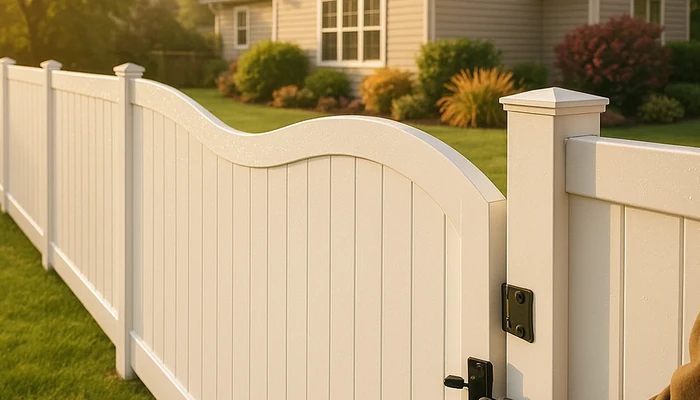
- Ornamental: Featuring scalloped tops, decorative post caps, and color/texture choices.
Vinyl’s strength lies in modern designs and finishes, including wood grain textures and a variety of colors. This flexibility helps property owners achieve unique curb appeal without sacrificing functionality.
Understanding Vinyl Fence Durability
Vinyl fencing performs exceptionally well in tough outdoor conditions. The key elements that support its long-term durability:
- UV Inhibitors and Impact Resistance: Quality vinyl includes UV-resistant additives to prevent cracking and fading.
- Moisture-Proof: Vinyl is non-porous, so it won’t rot, corrode, or swell due to rain or snow.
- Temperature Tolerance: Advances in material formulation and retrofitting hardware allow vinyl fences to flex under wind load and recover from expansion/contraction cycles.
- Pest and Chemical Resistance: Vinyl stands up to insects, mold, and most lawn chemicals—an advantage over wood.
Realistically, high-quality vinyl fence panels can last 25–35 years or more with minimal care. For a deep dive on durability, see our resource on vinyl fencing panels longevity.
Design Considerations: From Aesthetic Goals to Local Codes
When planning a vinyl fence, gather input from all household stakeholders, check with neighbors, and review HOA rules. Consider:
- Purpose: Is the goal privacy, safety, a pet enclosure, or improved appearance?
- Height and Layout: Privacy fences usually stand 6 feet or taller, but local regulations may restrict height, style, or placement.
- Color and Finish: White is classic, but grays, tans, and wood-look finishes also blend well into natural and modern environments.
- Environmental Exposure: Wind, tree cover, and proximity to sidewalks, utilities, or driveways may influence fence style and reinforcement.
It’s vital to check municipal codes, zoning regulations, and utility easement requirements. In Chicago, compliance ensures fewer issues down the road. For tips, see the Door & Access Systems Manufacturers Association (DASMA) or ask about neighborhood-specific rules.
Factors That Influence Vinyl Fence Longevity
- Material Quality: Thicker, virgin vinyl lasts longer than cheaper “regrind” blends. Confirm product sources and warranties.
- Manufacturer Technology: Choose panels with reinforced rails, color stabilizers, and high wind ratings.
- Proper Installation: Fences set in concrete, with correct post depth and spacing, resist tilting or pulling apart.
- Exposure to Climate: Freeze/thaw cycles, direct sun, snow, and strong winds can test any fence. Experienced Chicago, Illinois installers understand these pressures.
As outlined in Simpson Strong-Tie installation guidance, details like post depth, stabilization techniques, and gate reinforcement matter as much as material quality.
Maintenance Realities: Is Vinyl Truly Low Maintenance?
One of the leading attractions of vinyl fencing is its effortless upkeep. For most residential and commercial properties, maintenance involves:
- Simple Cleaning: Washing panels with soap and a garden hose once or twice per year.
- No Painting: The color stays consistent—no need for stains or sealers.
- Minor Repairs: Cracked or broken pieces can be replaced as needed (although extensive damage may require expert service).
It’s important to note that while vinyl resists mold and discoloration, persistent algae or grass clippings may require a little elbow grease. For more on easy care routines, read our practical vinyl fence maintenance guide.
Security and Privacy: Realistic Expectations
Vinyl fencing can deliver privacy and perimeter security, supporting:
- Blocking unwanted views from neighbors or streets
- Creating safe play areas for children and pets
- Discouraging property intrusion (though not as strong as steel or wrought iron for high-risk sites)
For maximum privacy and security, select tall panels with few or no gaps, and budget for secure gates. Owners seeking advanced security may combine vinyl with features like cameras or smart gates; learn more in our security technology overview.
Design Trade-Offs: Where Vinyl Excels and Where It Doesn’t
Every fence material offers certain pros and limitations. Here’s an honest look at vinyl fencing’s strengths and common trade-offs:
| Advantages | Considerations |
|---|---|
| Minimal upkeep Long-lasting color No rot or corrosion Highly customizable Strong privacy options |
Visible scratches are hard to fix Not easily repaintable Less impact resistance than steel Upfront cost higher than wood Basic styles can look “plastic” |
Discuss your specific needs with a contractor to match function, budget, and style. For a closer look at realistic design possibilities, browse creative outdoor vinyl styles.
Cost Expectations: Upfront and Lifetime Value
Vinyl fencing’s initial price is higher than most wood or chain link options, but its long life and reduced maintenance can make it more cost-effective over time. Prices vary based on style, height, thickness, and site conditions, but here are typical ranges (estimates only; always get a custom quote):
- Material: $20–$40 per linear foot for standard panels
- Installation: $30–$60 per linear foot for professional installation
- Repairs: Rare and usually limited to individual panels or hardware
Use our comprehensive vinyl cost guide to evaluate long-term value.
Professional Vinyl Fence Installation: What to Expect
Proper installation maximizes your new fence’s lifespan and appearance. Professional installers:
- Assess your property and measure the site precisely
- Help navigate HOA or municipal approval processes
- Set posts deep enough for frost lines (critical in Chicago climate)
- Assemble and secure panels according to manufacturer specs
- Test for stability and function of all gates, latches, and accessories
Seasoned companies like Chicagoland Fence Pros are experienced in tackling tough projects—including sloped terrain, difficult layouts, or high-wind sites. To learn more about the installation process, visit our detailed installation guide.
Integrating Vinyl With Other Materials
Some property owners blend vinyl with materials like wood (for decorative post accents), metal gates, or stone columns to boost durability and visual interest. Explore options for combining materials for style and function.
Expert Tips for Vinyl Fence Longevity
- Request a detailed warranty and check manufacturer reviews
- Install fences to handle local wind/snow loads
- Choose hardware rated for outdoor, year-round exposure
- Avoid direct contact with weed trimmers or heavy equipment
If you have special considerations—such as commercial security requirements or unique property lines—consult a local expert. Talk to our fence specialists about your vinyl project in Chicago, Illinois.
FAQ: Design And Durability With Vinyl Fencing
- How long does a vinyl fence really last?
Most high-quality vinyl fences last 25–35 years or longer, assuming proper installation and basic cleaning.
- Will vinyl fencing survive Midwest winters?
Yes. Quality vinyl materials are engineered to withstand freezing and thawing. Proper post depth is key.
- Do all vinyl fences look “shiny” or “plastic”?
Modern products feature matte, wood-grain, or custom color options that appear more natural. Sample before buying.
- Is vinyl safe for pets and children?
Yes, there are no sharp edges or splinters. Choose privacy or semi-privacy panels for secure play areas.
- Can vinyl fences be recycled?
Most new vinyl fences use recyclable PVC and can be reclaimed by certain facilities. Check with the manufacturer for details.
- How does vinyl compare to wood maintenance?
Vinyl never needs staining or painting. Only an occasional cleaning is required, unlike wood, which is prone to rot and insect damage.
- Can you repair vinyl fences?
Minor cracks or damage can be fixed by replacing sections. For structural issues, contact a professional.
- How do I check if my fence will meet Chicago local codes?
Contact your local building department or ask your fence installer to confirm compliance with all relevant rules before construction.
- Are vinyl fences good for privacy?
Yes, solid-panel vinyl fences provide excellent privacy, much superior to typical chain link or spaced picket.
- What fencing styles are possible with vinyl?
A variety of designs are available—privacy, picket, ranch rail, ornamental—with multiple color and texture options.
Final Thoughts: Making a Smart Vinyl Fence Decision
Choosing the right fence, especially in a demanding climate like Chicago, Illinois, is about balancing beauty, strength, low maintenance, and code compliance. Design And Durability With Vinyl Fencing offers a wealth of options for property owners who want dependable performance and great looks. Take time to define your goals, understand real-world durability, and consult experienced professionals for a successful, long-term project.
Ready to enhance your property? Request a fence estimate from our team or reach out for honest advice on your options.
About Chicagoland Fence Pros
Chicagoland Fence Pros brings over 15 years of experience installing and repairing fences across Chicago, Illinois and nearby communities. We specialize in residential and commercial projects—including wood, vinyl, aluminum, and steel fences. Our team emphasizes clear communication, code-compliant craftsmanship, transparent pricing, and responsible advice. Licensed and insured, Chicagoland Fence Pros is dedicated to helping you achieve the ideal balance of security, privacy, and curb appeal for your property.
The Best Fence Contractor in Chicago, fence company in the city of chicago, vinyl fencing, vinyl perimeter fence, vinyl fence in Lincolnwood, vinyl fence Palatine, vinyl fence repair North Park, vinyl fence Addison, vinyl fence West Chicago, vinyl fence styles North Halsted