 Skip to content
Comparison: Vinyl Fences Vs Wooden Fences – Everything You Need to Know
Choosing between vinyl fences and wooden fences is a decision that many homeowners and property managers face when seeking to boost security, privacy, and curb appeal. Too often, the choice is complicated by myths, unclear costs, and uncertainty about longevity, especially in climates like Chicago’s. This comprehensive guide will walk you through a side-by-side comparison, answering the key question: which fence type truly fits your needs? By the end, you’ll have clarity on costs, durability, appearance, maintenance, and more. As professionals with years of experience in the Chicago, Illinois area, Chicagoland Fence Pros provides honest, detailed insight so you can make a confident, informed decision.
Understanding Your Options: Vinyl and Wooden Fences Defined
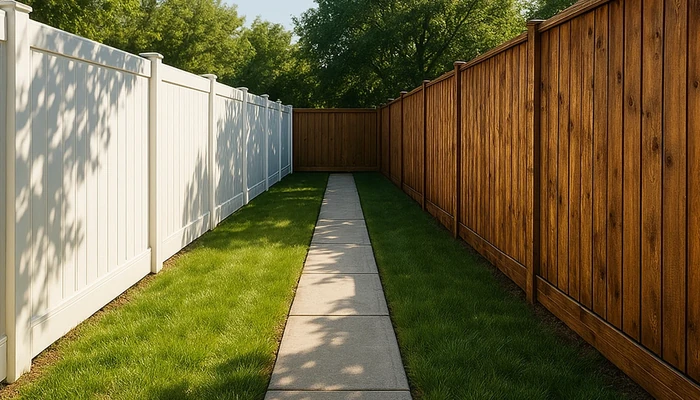
Both vinyl and wood are popular, practical fencing materials, but each brings distinct traits. Let’s look at what each type offers:
- Vinyl Fences: Made from polyvinyl chloride (PVC), vinyl fences are engineered for durability and low maintenance. They come in a variety of colors and styles, resist most forms of weathering, and don’t require painting or staining.
- Wooden Fences: Traditionally constructed from cedar, pine, or redwood, wooden fences are prized for their natural look and wide range of styles. However, they require more care to fend off weather, pests, and wear.
Essential Factors in Fence Decision-Making
- Durability (including weather and pest resistance)
- Maintenance requirements
- Cost (initial investment, lifespan, and upkeep)
- Aesthetics (look, customization, color retention)
- Environmental Impact
- Building codes and HOA rules
How Does Each Fence Perform? A Head-to-Head Comparison
| Feature | Vinyl Fences | Wooden Fences |
|---|---|---|
| Durability | Very high; resistant to rot, insects, and moisture | Good, but vulnerable to decay, termites, and warping |
| Weather Resistance | Withstands rain, snow, and sun | Can be damaged by moisture and UV; needs sealing |
| Maintenance | Minimal; periodic cleaning only | Requires staining, sealing, repairs |
| Color/Finish | Color-stable; no painting needed | Fades over time; repaint or stain regularly |
| Style Options | Many shapes and colors | Endless stains, paints, and designs |
| Longevity | 20–30+ years | 10–20 years (with good maintenance) |
| Cost (initial) | Medium to high | Lower upfront |
| Cost (long-term) | Low – little to no upkeep expense | Can be high – maintenance adds up |
| Eco Impact | Fully recyclable; no toxic finishes | Biodegradable, but uses forests, stains/paints |
Durability: Weather, Insects, and Lifespan
Vinyl in the Chicago, Illinois Climate
Vinyl fences are engineered to withstand harsh winters, humid summers, and constant temperature swings. They resist rot, mold, rust, and insect damage, making them an excellent choice for the Midwest. Chicagoland Fence Pros has installed vinyl fences that have remained stable and attractive for decades under these conditions.
Wood: Classic Appeal, Natural Challenges
Wood is naturally strong and beautiful, but it’s affected by rain, snow, pests, and sun exposure. Without regular sealing and upkeep, wooden fences can warp, split, or rot—especially with the severe freeze-thaw cycles seen locally.
Maintenance Requirements
Vinyl Fence Maintenance
Maintenance for vinyl fences is minimal. Generally, a rinse with a garden hose and occasional cleaning with mild soap is all that’s needed. They rarely require repair. For more on upkeep, see easy maintenance tips for vinyl fences.
Wood Fence Maintenance
Wood fences require staining or painting every 2–3 years to maintain appearance and structural integrity. Boards may need to be replaced as they crack or rot. Mold and termites must be monitored, especially in moist climates.
Cost Considerations
Initial vs. Lifetime Cost
Wood fences usually cost less at the outset, making them appealing for budget-conscious projects. However, the costs of paint, stain, pest treatments, and repairs can add up over time. Vinyl fences come with a higher upfront price, but you often save money on upkeep and replacement in the long run. For detailed analysis, explore our vinyl fence cost guide.
Actual prices vary by fence style, height, and customization. Always request detailed quotes to compare options fairly.
Aesthetics and Design Flexibility
The Look and Feel of Vinyl
Modern vinyl fencing comes in many colors, finishes, and styles that mimic traditional wood grain or deliver sleek, contemporary looks. See modern vinyl fence styles for inspiration. Vinyl’s color is baked-in during manufacturing, so no repainting is needed; the finish remains vibrant over time.
Classic Wood Styles
Wooden fences are beloved for their natural warmth and versatility. They can be cut, stained, and painted for classic or unique looks. However, custom designs may come at a premium, and keeping the desired appearance requires diligence.
Environmental Impact
Vinyl fences are recyclable, and contemporary products are designed to minimize environmental impact, avoiding the use of toxic treatments. Wood, while biodegradable, often requires stains, sealants, and harvesting of timber, with implications for sustainability. When evaluating green building practices, refer to established standards on materials and treatments, such as those set out by the APA – The Engineered Wood Association.
Building Codes, HOA, and Permitting
Before installing any fence, check local building codes and HOA rules for height, placement, and materials. Both vinyl and wood can meet code when installed professionally and to manufacturer standards. For up-to-date regulations, consult reputable sources such as the International Code Council (ICC).
Customization and Security Features
Both fence types can be adapted for privacy, security, and specialized applications. Vinyl panels fit tightly for maximum privacy and wind resistance. Wood can be customized with unique cuts, heights, or decorative tops. For security-conscious clients, gates and locking mechanisms can be integrated with either material.
Common Myths and Mistakes
- All vinyl fences look ‘plastic’: Modern products have realistic wood-grain textures and muted colors.
- Wood is always cheaper: Maintenance and repairs often make wood more expensive long-term.
- Vinyl can’t be repaired: Damaged vinyl panels can often be replaced without tearing down the whole fence.
- Wood lasts just as long as vinyl: In reality, vinyl consistently outlasts wood in harsh Midwest climates.
Case Studies: Real-World Examples From Chicago
- Residential: A homeowner near Lake Michigan chose vinyl to reduce maintenance after repeated cedar fence rot. Eight years on, their fence still looks new with minimal effort.
- Multi-family: A property manager replaced aging wooden perimeter fencing with tall, secure vinyl panels. The streamlined look pleased tenants and reduced repair costs.
- Commercial: For a local business, wood was selected for a short-run decorative barrier facing the street, embracing a classic neighborhood aesthetic with plans for annual staining and touch-ups.
Frequently Asked Questions (FAQ)
Vinyl fences typically last 20–30 years or more with minimal care, while wooden fences can last 10–20 years with proper maintenance. In areas like Chicago, with extreme weather, vinyl’s longevity is a major advantage.
2. Which fence is easier to clean?
Vinyl fences only need an occasional wash with a garden hose or mild soap, while wood requires periodic staining, sealing, and more involved cleaning. Read more tips in our cleaning and care guide for vinyl fences.
3. Can I paint or stain a vinyl fence?
No—vinyl’s color is built-in and not meant to be painted. Wood offers unlimited painting and staining options, but each application requires ongoing upkeep.
4. Is vinyl safer for children and pets?
Both fence types can be made safe for families and pets. Vinyl offers smooth, splinter-free surfaces, while wood must be checked routinely for loose pieces and splinters.
5. Which is better for privacy?
Both materials offer excellent privacy options. Vinyl panels often have tighter seams, but wood can be built in tall, overlapping boards for solid coverage.
6. Will my fence color fade over time?
Vinyl colors are UV protected to stay vibrant. Wood finishes, however, fade and peel with sun exposure, requiring regular touch-ups.
7. What about environmental impact?
Vinyl fences are recyclable and don’t require paints or stains; wood is biodegradable but consumes more natural resources and chemicals in its maintenance.
8. Can vinyl or wood be used for sloped lots?
Yes—professional installation ensures a level top and secure fit for both fences, even on uneven grades. See our guide to vinyl fence installation design for more.
9. Do I need a permit to install a fence in Chicago?
Most fence installations require a city permit. Always check with local officials or ask your installer to confirm code requirements.
10. How do I choose the right fence for my property?
Consider your priorities: budget, appearance, maintenance, and local code. For personalized advice, talk to a fence specialist from Chicagoland Fence Pros.
Conclusion: Making the Right Choice for Your Property
Both vinyl and wooden fences offer strengths for residential and commercial uses. Vinyl excels in longevity and low maintenance, while wood provides natural beauty and customization. Homeowners in Chicago, Illinois often appreciate vinyl’s ability to withstand the local climate, and property managers frequently cite lower upkeep costs as a deciding factor. If you’re ready to explore fence options further, request a vinyl fence estimate today, or explore beautiful, custom wood fence installations with our team. For a comprehensive guide tailored to your needs, speak to the professionals at Chicagoland Fence Pros. If you want to learn more about vinyl fences in-depth, discover their benefits and advantages here.
About Chicagoland Fence Pros
Chicagoland Fence Pros is a professional fence company with over 15 years of experience serving homeowners and businesses in Chicago, Illinois and nearby communities. Specializing in vinyl, wood, aluminum, and steel fences, our licensed and insured team delivers code-compliant, durable, and attractive installations for both residential and commercial projects. We take pride in providing honest recommendations and clear education to help you make the best fencing decisions for your property.
fence company near chicago il, vinyl fence repair chicago, vinyl fence in the city of chicago, vinyl fence in the city of Burr Ridge, vinyl fence in the city of Crystal Lake, vinyl fence Joliet, vinyl privacy fence Lincolnwood, vinyl fence repair Bedford Park, vinyl fence in the city of Franklin Park, vinyl fence replacement Skokie
