
Bollard Placement for Storefronts: ADA Clearance, Snow Plows, and Vehicle Impact Risk
If you’ve started looking into perimeter security for your home or business, odds are you’ve come across bollards—those sturdy posts protecting storefronts, pedestrians, and property from accidental or intentional vehicle contact. But correct bollard placement for storefronts, especially considering ADA clearance, snow plow requirements, and vehicle impact risk, isn’t as straightforward as it might seem. Get it wrong, and you could be risking not only property damage but also accessibility compliance issues, pedestrian safety, or costly fixes.
Chicagoland Fence Pros has advised countless Chicago-area property owners on tailored fencing and bollard solutions. In this guide, you’ll learn the principles of proper bollard placement, why thoughtful planning matters, and how to anticipate trade-offs for durability, safety, and aesthetics. By the end, you’ll be able to ask the right questions and confidently plan your project with clear expectations.
Why Bollard Placement Matters for Storefronts
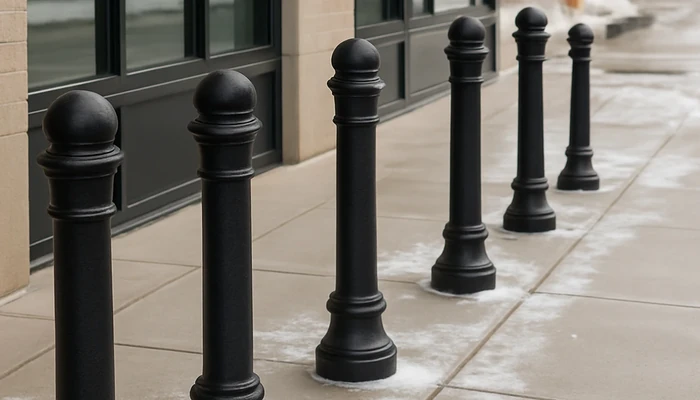
Bollards act as a physical and visual deterrent, shielding storefronts, walkways, and patrons from hazards. Their location, spacing, and material all influence how well your storefront resists accidental damage (like a car jump) while still inviting foot traffic and maintaining accessible entryways. Storefronts in busy areas like those in Chicago, Illinois must also anticipate routine maintenance—think snow plow routes in winter—and balance safety with local zoning laws.
- Security: Blocks vehicle intrusion and unauthorized parking.
- Accessibility: Ensures clear, manageable paths for people with disabilities, per ADA requirements.
- Curb Appeal: Good design can enhance your brand and attract more business.
ADA Clearance: Making Storefronts Accessible
The Americans with Disabilities Act (ADA) sets stringent guidelines for paths of travel, entry widths, and accessible features. Improperly spaced bollards can inadvertently create barriers, leading to complaints or even legal penalties.
Key ADA Requirements for Bollard Placement
- Accessible routes must be at least 36 inches wide (48 inches in some areas).
- Bollards in series must be spaced far enough apart so a wheelchair can pass through, but closely enough to deter most vehicles.
- Bollard bases must not protrude into the path of travel by more than 4 inches above the ground.
- Visual contrast is encouraged: bright paint or reflective finishes help visually impaired users.
Chicagoland Fence Pros always recommends verifying local amendments, as city or neighborhood rules might exceed federal standards.
Snow Plows and Seasonal Maintenance: What Most Guides Miss
In the Chicago, Illinois area, snow and ice removal in winter is a major consideration. Bollards may seem to slow down plow operations or get damaged by heavy equipment, leading some property managers to overlook them entirely—or install them in ways that frustrate snow clearing teams or create hidden trip hazards under ice.
- Offset Considerations: Bollards should be set far enough from the main curb (often 18–24 inches) to avoid being struck by plow blades.
- Removable Bollards: For locations needing frequent access or seasonal changes, consider removable or collapsible models.
- Finish & Material: Look for weather-resistant finishes and robust construction, especially iron, steel, or high-strength composite (see comparison of iron bollards).
- Height: To remain visible in snow, bollards should be at least 36–42 inches tall and include reflective strips or colored tops.
Planning with seasonal needs in mind helps avoid the most common maintenance headaches, as seen by many Chicago businesses each winter.
Understanding Vehicle Impact Risks at Storefronts
Bollards are most often installed where vehicles might threaten building entrances, glass, or outdoor seating. The risk profile changes based on street type, parking layout, and neighborhood traffic behaviors.
- Crash-Rated Versus Decorative: Security needs may call for crash-rated (tested for vehicle impacts per standards reviewed by safety regulators such as UL), not just decorative posts.
- Spacing Guidelines: To prevent car entry, bollard spacing should be too narrow for even compact vehicles but wide enough for pedestrian access (typically 4–5 feet apart is ideal for storefronts with accessible routes in between).
Planning for worst-case scenarios—delivery trucks, distracted drivers, high-traffic mornings—can make the difference between a minor scare and major building damage.
Bollard Materials and Durability: What to Choose
Material choice directly influences bollard longevity and performance, especially in climates like Chicago’s, where freeze-thaw cycles and road salt can corrode some metals.
| Material | Pros | Cons | Best Use |
|---|---|---|---|
| Galvanized Steel | Very strong; impact-resistant; rust-resistant | Industrial look | High-security, parking lots |
| Iron | Durable; ornate styles available; paintable | Requires maintenance to prevent rust | Urban streetscapes, decorative |
| Composite | Low maintenance; resistant to salt/corrosion | Not crash-rated unless reinforced | Light-duty, ADA demarcation |
| Concrete | Inexpensive; sturdy; customizable | Can crack; heavy; not always aesthetic | Parking islands, traffic medians |
From our experience as a fence company in Chicago, Illinois, iron or steel bollards are typically best for urban storefronts facing busy streets, while composite options are great for lightweight, visual-only barriers.
Storefront Bollard Placement: Step-by-Step Checklist
- Assess Vehicle Exposure: Map out curbs, driveways, parking stalls, and known traffic paths.
- Define Pedestrian Flow: Mark main entry points and accessible pathways.
- Review Codes: Consult ADA, city zoning, and any shopping center/HOA requirements.
- Select Material & Bollard Type: Weigh costs, maintenance, and style (compare options in this bollard factors guide).
- Set Placement Distances: Confirm spacing for ADA (36–48″ minimum), snow clearance (18–24″ from curb), and security (no more than 5′ apart where vehicle protection is needed).
- Mark Locations: Stake or chalk lines according to your plan and double-check with stakeholders.
- Schedule Professional Installation: Confirm permits, underground utilities, and installation depth needed for stability (see installation steps for iron bollards).
If you’d like expert help, you may request a commercial site assessment to ensure every concern is addressed.
Real-World Examples: Avoiding Costly Mistakes
- Case 1: A small grocer in Chicago’s West Loop installed decorative bollards too close together, unintentionally limiting wheelchair access. The fix required removing several posts, patching the concrete, and a formal accessibility review.
- Case 2: A retail strip set its bollards right at the curbline. The first snowstorm brought plow damage, and now they use offset, powder-coated steel bollards with reflective tape for extra winter safety.
- Case 3: A historic storefront wanted iron bollards for looks but required vehicle crash resistance. They chose iron sleeves over crash-rated steel cores, blending security and style.
Common Pitfalls (and How to Prevent Them)
- Spacing posts too far apart, allowing vehicles through.
- Forgetting about snow clearance, leading to repeated repairs.
- Neglecting local zoning or historic district aesthetics.
- Using decorative-only bollards where impact resistance is needed.
References like this troubleshooting guide can help you anticipate and prevent recurring bollard issues.
Long-Term Maintenance and Inspections
Durability doesn’t end after installation. Proper maintenance—especially after Chicago’s winter weather—prevents corrosion and keeps bollards visible. Here’s what to keep in mind:
- Inspect for rust, paint chipping, bent posts, and loose footings at least seasonally.
- Touch up paint and replace reflective tape as needed for visibility and ADA compliance.
- Re-anchor or repair posts loosened by plows or freeze-thaw shifts.
- Schedule deeper professional inspections every few years, or after any major impact.
For detailed tips, you can visit this maintenance guide or outdoor care tips.
Cost Expectations and Budget Planning
Bollard costs vary based on material, installation complexity, and special features (removable, crash-rated, decorative, etc.). In the Chicago, Illinois area, expect pricing to range from $400 to $1,500 per bollard installed, depending on site conditions, finishes, and code requirements. Always get a clear quote that includes permitting, site cleanup, and possible seasonal adjustments.
If you need a cost estimate tailored to your storefront, schedule a quick consultation with a bollard specialist.
Frequently Asked Questions: Bollard Placement for Storefronts
How close together should storefront bollards be?
Bollards are generally spaced 3.5–5 feet apart—close enough to prevent a small car but spacious enough to allow pedestrians and wheelchairs. Follow ADA minimums for clear width between bollards.
Are removable bollards a good option for downtown stores?
Removable bollards are useful if you need to allow trucks or equipment through occasionally, or if snow removal is a major concern. They must lock securely to prevent unauthorized removal.
Do all storefronts require crash-rated bollards?
No, but high-traffic streets or vulnerable entryways may require them. Evaluate your exposure and review local code or landlord rules before deciding.
How do I make bollards ADA compliant?
Ensure minimum clear width (36–48”), smooth transitions with no abrupt edges, and visibility for low-vision users. Paint bollards in contrasting colors and check all routes meet ADA standards.
Can snow plows damage my bollards?
Yes—improper placement or low-profile posts are at risk from snow plows. Set bollards back from the road edge, use durable finishes, and consider marking them for winter visibility.
Do bollards need permits in Chicago?
In most urban areas, you’ll need a permit for permanent installations—especially if attaching to city streets, public sidewalks, or historic property. Confirm with the local building department before work begins.
What’s the maintenance for iron bollards?
Inspect for rust, repaint as required, and check that bases remain anchored after freeze/thaw. Learn more from this care guide.
Who should install storefront bollards?
Always hire professionals familiar with code, local weather, and traffic patterns—such as Chicagoland Fence Pros—to avoid costly mistakes and ensure full compliance and safety.
Can bollards be decorative and strong?
Yes—many decorative iron bollards conceal a crash-rated steel core. Style doesn’t have to compromise protection. See this decorative guide for ideas.
Is there a warranty with new bollards?
Most reputable fence companies provide a limited warranty covering defects and craftsmanship; ask the installer what’s included before work begins.
Conclusion: Planning Your Storefront Bollard Project
Thoughtful bollard placement for storefronts is about more than just putting posts in concrete. You must balance ADA compliance, property protection, routine maintenance, and curb appeal—often while working with strict downtown rules and harsh weather. When in doubt, consult with experts who understand both regulatory standards and real-world Chicago conditions.
If you’re ready to plan a secure, accessible storefront, contact Chicagoland Fence Pros for honest advice or an estimate. Or explore our detailed bollard install guide for even more insight.
About Chicagoland Fence Pros
Chicagoland Fence Pros brings over 15 years of experience installing code-compliant fencing and perimeter security—including iron, vinyl, and aluminum solutions—across Chicago, Illinois and nearby communities. We serve both homeowners and businesses, focusing on education, realistic expectations, and transparent processes. Our team is licensed, insured, and always up to date on regional codes and accessibility standards.
fence company chicago il, bollard repair Installation Chicago, bollards Installation Chicago, storefront bollards Schiller Park, protective bollards Union Ridge, warehouse bollards Schaumburg, replace bollards Berwyn, security bollards Forest Glen, steel bollards Villa Park, bollards Crystal Lake