 Skip to content
Vinyl Fence Installation Challenges and Solutions: A Detailed Homeowner’s Guide
Choosing a fence for your property is a big decision—one that impacts security, privacy, and curb appeal. For many homeowners and property managers, vinyl fencing is an attractive option due to its durability and low maintenance. However, the path from choosing vinyl to actually installing it can be full of surprises. Vinyl fence installation challenges and solutions are not always straightforward, especially if it’s your first time tackling a fencing project. Factors like soil conditions, weather, building codes, and even the quality of the vinyl itself can make or break your results. By the end of this guide, you’ll fully understand the most common obstacles Chicago area property owners face when installing vinyl fences, along with proven strategies—drawn from years of experience with Chicagoland Fence Pros—to solve them.
Understanding Vinyl Fencing: Why It’s Popular (and Where It’s Challenging)
Vinyl fences have surged in popularity for several reasons:
- Low maintenance: They resist rot, insects, and weathering better than wood.
- Variety: Available in many styles—from picket and privacy to ornamental panels.
- Long-term cost-effectiveness: Upfront investment, but lower lifetime upkeep costs.
However, vinyl fencing isn’t perfect. Challenges include proper anchoring, handling temperature expansion, meeting Chicago’s strict codes, and selecting the right panel quality for Midwest weather swings.
If you’re still comparing fence types, see the comprehensive Vinyl vs. Wood Fence Comparison Guide.
Major Vinyl Fence Installation Challenges (and Practical Solutions)
1. Planning and Measuring Accurately
Challenge: Precise planning prevents costly errors. Failing to measure properly leads to gaps, misaligned panels, or uneven lines.
- Incorrect property line placement may prompt neighbor disputes or legal headaches.
- Improper slope assessment can cause floating panels or gaps at the bottom.
Solution:
- Have your property lines professionally surveyed if unclear. Double-check before you dig.
- Use marking paint, stakes, and string to visualize the full fence layout.
- Account for slopes by planning for racked (angled) or stepped panels—some vinyl fence designs are better for uneven ground.
2. Navigating Building Codes and Permits in Chicago
Challenge: Fencing in the Chicago, Illinois area is tightly regulated with strict height, setback, and style requirements—plus codes vary between city neighborhoods and the suburbs.
- Unpermitted fences may require removal or costly rework.
- Ignoring codes can also impact home resale value or insurance.
Solution:
- Check with your local municipality and/or HOA before any installation.
- Consult the official guidelines on approved fence heights and placement for your property’s zoning.
- If in doubt, consult Chicagoland Fence Pros for help navigating codes—experienced contractors stay up-to-date on the latest code changes.
3. Choosing the Right Type and Grade of Vinyl Fence
Challenge: Not all vinyl is created equal. Lower-grade materials or poor manufacturing can result in brittle panels, fading, or cracks over time—especially in Chicago’s freeze/thaw cycles.
- Cheap panels may look good at first, but age quickly or warp.
- Incorrect post and rail sizes can lead to instability.
Solution:
- Opt for UV-inhibited, impact-resistant vinyl rated for Midwest temperatures.
- Review trusted Best Vinyl Fence Brands and make sure to check warranty coverage (see this vinyl fence warranty guide).
- Insist on professional-grade posts and rails—even if panel costs are slightly higher, longevity pays off.
4. Dealing with Poor Soil and Drainage
Challenge: Chicago’s mix of clay, sand, and loam soils can cause posts to shift, especially where seasonal freeze/thaw or water tables fluctuate.
- Poor anchoring leads to leaning fences or uneven panels.
- Waterlogged holes may never set properly.
Solution:
- Dig post holes below the frost line (often 36–42")
- Backfill with concrete and consider gravel at the bottom for drainage—let surplus water escape.
- Let posts cure fully before attaching panels or rails.
- For extra challenging soils, see our guide on vinyl fence installation on difficult terrain.
5. Navigating Weather Conditions and Temperature Swings
Challenge: Extreme heat, cold snaps, or rapid temperature changes can make vinyl expand or contract. Poor installation may cause panels to warp, buckle, or pull out of their rails.
- Winter installations are possible, but require special precautions so concrete sets and vinyl remains flexible.
Solution:
- Install vinyl fences during moderate temperatures when possible.
- Leave expansion gaps per manufacturer specs between panels and posts.
- Consider vinyl colors—darker options absorb more heat and may expand more noticeably.
- For a deep dive into climate impact, explore Mastering Vinyl Fences for Harsh Climates.
6. Ensuring Alignment, Level, and Strength
Challenge: Wavy, crooked, or leaning fences don’t just look bad—they can signal future problems.
- DIYers often underestimate the importance of level lines and square corners.
- Poor post depth or rushed concrete setting leads to instability.
Solution:
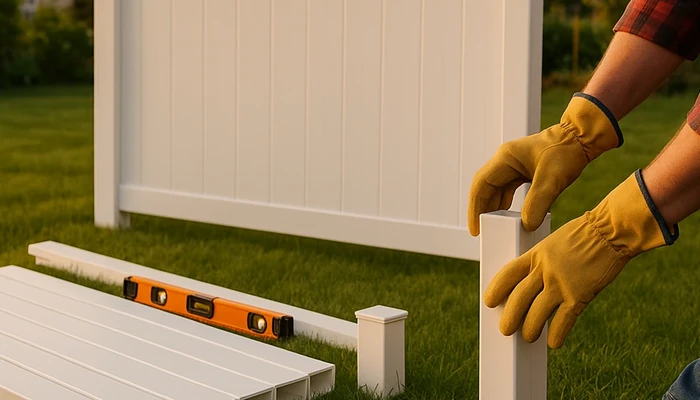
- Use a level, laser line, and measuring tape for every step.
- Install posts no more than 8’ apart (sometimes less, depending on wind exposure).
- Let concrete cure 24–48 hours before attaching panels.
- Don’t skip post caps—they reduce water ingress.
7. Securing Gates and High-Use Areas
Challenge: Gates are stress points. Without adequate bracing or support, they may sag, drag, or fail prematurely.
- Improper hinge or latch installation can create security gaps.
Solution:
- Reinforce gate posts with concrete and possibly steel inserts.
- Use heavy-duty hinges and self-closing latches if security is a concern.
- Review Durable Vinyl Gate Options for best practices.
8. Preventing Damage During Installation
Challenge: Vinyl can crack if handled incorrectly. Mistakes made during cutting, drilling, or panel assembly compromise the entire fence.
- Using the wrong blade or tool may create jagged edges or stress fractures.
Solution:
- Cut vinyl panels only with fine-toothed saws and at moderate temperatures.
- Drill pilot holes when adding hardware or brackets—avoid forcing screws through cold vinyl.
- Follow all manufacturer installation guides for safe, sturdy assembly.
Comparison Table: Common Vinyl Fence Installation Challenges vs. Solutions
| Challenge | Solution |
|---|---|
| Poor measuring & property lines | Double-check measurements, mark lines, get survey if needed |
| Weak post anchoring | Use deep post holes, set with concrete + gravel, allow curing |
| Climate expansion/contraction | Install in moderate temps, leave expansion gaps |
| Subpar vinyl panel quality | Select proven brands, UV-inhibited/resilient grades |
| Code violations | Consult city/HOA, check zoning and specs before starting |
| Sagging gates | Reinforce posts, pick strong hardware, use steel inserts where needed |
Frequently Overlooked Aspects of Vinyl Fence Installation
- Static build-up: Vinyl can accumulate static, attracting dust and debris—planning for easy cleaning helps.
- Color matching: Ordering all panels and posts at once reduces the risk of subtle color mismatches.
- Future upgrades: Plan gate locations or expansions even if you’re not installing everything immediately.
For creative design inspiration, see unique vinyl fence styling ideas.
Maintenance and Longevity: Keeping Your Vinyl Fence Strong
Proper installation is half the battle; the other half is maintaining your investment. While vinyl is low-maintenance, Chicago’s seasons bring unique factors to consider:
- Cleaning: Occasional washing with soap and water removes grime; avoid harsh chemicals.
- Inspection: Check fasteners, posts, and panels annually for shifting or damage.
- Snow/Ice: Don’t pile heavy snow against panels or chip away ice—use patience and a soft brush.
Find actionable upkeep steps in the guide to easy vinyl fence maintenance.
Technology and New Innovations: Making Installation Easier
Recent advancements have improved materials and installation techniques:
- Pre-fabricated panels save time and reduce the risk of mistakes.
- Innovative no-dig options use ground anchors—but may not be suitable for all Chicago soils.
- Reinforced or smart features, such as embedded sensors, are emerging for security-conscious property owners.
For a peek at what’s next, visit Innovation in Vinyl Fence Installation.
Expert Tip: Consulting with Professionals to Avoid Problems
If you’re unsure about any step—especially code compliance, dealing with tough soil, or building on a slope—it’s wise to talk to a professional. An experienced installer spots issues before they escalate, saving you time and potential expense down the line.
- Professionals at Chicagoland Fence Pros have years of experience with everything from city lots to sprawling commercial sites.
- They can provide a clear quote, help with code permits, and ensure your fence stands the test of time and Midwest weather.
Ready to get expert input? Request a fence estimate for vinyl fence installation in Chicago.
FAQ: Vinyl Fence Installation Challenges and Solutions
- What are the most common mistakes in vinyl fence installation?
Improper measuring, shallow post holes, skipping code checks, and forcing panels together without allowing for expansion are common errors. Using the correct materials and following manufacturer and city guidelines avoids most issues.
- Can I install a vinyl fence by myself, or should I hire a professional?
DIY installation is possible for handy homeowners, but professional installers ensure compliance with local codes, avoid warranty-voiding mistakes, and usually produce a straighter, longer-lasting result.
- How deep should vinyl fence posts be set in Chicago, Illinois?
Generally, posts should be set below the frost line, often 36–42 inches deep, with concrete for stability. Exact requirements can vary by neighborhood and property type.
- How do I prevent my vinyl fence from sagging or leaning?
Proper post depth, curing time, and spacing are key. Reinforce gate posts and consider steel inserts in high-wind or high-traffic areas. Check alignment with a level at every stage.
- What should I know about vinyl fence maintenance in harsh weather?
Vinyl fences only require occasional cleaning. Inspect for shifting after freeze/thaw cycles, and do not lean heavy objects or piles of snow/ice against the panels.
- Do I need a permit for a vinyl fence in Chicago?
Yes, most fencing projects require a permit in Chicago, Illinois and many suburbs. Always check local codes before starting, or ask an expert like Chicagoland Fence Pros for help.
- Is vinyl fencing safe for pets and children?
Quality vinyl is typically smooth and free of splinters or sharp fasteners, making it a good choice for families and pet owners looking for security and peace of mind.
- How long does a well-installed vinyl fence typically last?
High-grade vinyl fences often last 20–30 years or more with proper installation and basic care—making them a strong long-term investment.
- What happens if a panel or post is damaged later?
Most vinyl systems are modular, allowing you to replace panels or posts without rebuilding the whole fence. Check your warranty and keep some spare parts if possible.
- How can I compare vinyl fence brands for quality?
Look for independent reviews, robust warranties, and proven UV/weather resistance. Our best vinyl fence brands guide can help.
Conclusion: Setting Up for Success with Vinyl Fencing
Understanding vinyl fence installation challenges and solutions prepares you for a successful, stress-free project. Whether measuring a tricky lot, choosing durable panels, or deciphering Chicago’s building codes, information and planning are your best allies. If you’re unsure where to begin or have run into unexpected issues, reaching out to a professional installer can make all the difference.
For additional fence inspiration or answers, visit our complete guide to choosing vinyl fencing or explore residential fence options with our team.
If you’d like to discuss your project with trusted local experts, contact Chicagoland Fence Pros.
—
About Chicagoland Fence Pros
Chicagoland Fence Pros has over 15 years of experience installing a full range of residential and commercial fences for Chicago, Illinois and nearby communities. Our team prioritizes secure, code-compliant, and aesthetically pleasing installations—covering wood, vinyl, aluminum, and steel fencing for homes, businesses, and multi-family properties. As a fully insured and licensed contractor, we deliver honest advice, clear planning, and peace of mind to every customer.
fence companies in chicago, vinyl fence Chicago, Chicago Vinyl Fence, vinyl fence in the city of Avondale, vinyl fence North Halsted, vinyl fencing Oswego, vinyl fence in Schiller Park, vinyl fence repair Crystal Lake, vinyl fence replacement Westmont, vinyl fencing Waukegan
