
The Variety of Woods for Fencing: Expert Guide for Homeowners
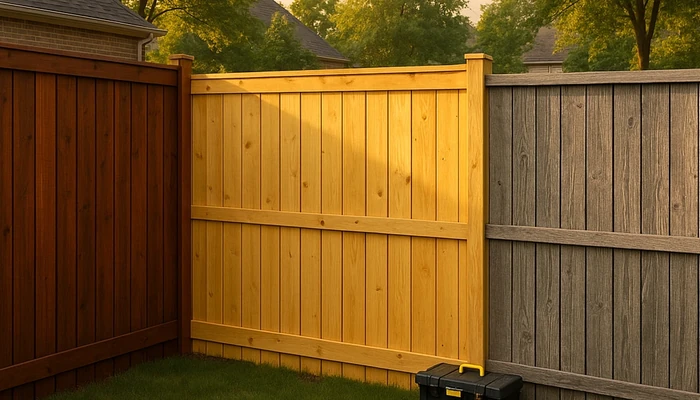
Choosing a fence is more complex than it looks—especially when it comes to wood. The sheer number of options can be overwhelming, and every wood species brings its own unique combination of beauty, durability, maintenance requirements, and cost. Homeowners and property managers often wonder which type will not only look great but also stand up to the Chicago, Illinois climate. As you begin your search, having a clear understanding of the variety of woods for fencing can help you avoid costly mistakes and find the best fit for your needs. In this detailed guide by Chicagoland Fence Pros, you’ll learn the characteristics, pros, and cons of each major wood fencing material, what to expect for maintenance, how to weigh the long-term value, and which considerations matter most in the Midwest. By the end, you’ll feel empowered to select the right wood for your property’s perimeter, privacy, or security—without the confusion.
Why Choose a Wooden Fence?
Wooden fences remain a timeless favorite for many reasons. Beyond their classic appeal, wood offers:
- Versatility: Styles range from rustic to contemporary, suitable for nearly any landscape.
- Customizability: Wood can be painted, stained, or carved to match your unique tastes.
- Privacy and Security: Solid panels provide dependable privacy and help deter intruders.
- Natural Beauty: Wood’s texture and grain add warmth and charm unmatched by other materials.
But not all woods are equal, especially when facing the freezing winters, humid summers, and variable weather of Chicago, Illinois. Let’s break down the most popular choices.
Understanding Wood Grades, Treatments, and Sustainability
Before diving into species, it’s vital to understand a few universal concepts:
- Wood Grade: Higher grades are generally clearer (fewer knots and defects) and pricier.
- Treatment: Pressure-treated woods resist rot and insects, extending lifespan.
- Sustainability: Certified woods, reclaimed materials, or responsibly-sourced lumber can reduce environmental impact. See organizations like Green Seal for advice on eco-friendly finishes or treatments.
Cedar: The Gold Standard for Midwest Fencing
Why Cedar Is So Popular
Cedar is often considered the premium choice for wood fencing in the Midwest. It naturally resists rot, decay, and insects due to its own chemical compounds. Cedar retains structural integrity even when left untreated, and ages to a lovely silvery-gray patina if not sealed.
Key Pros
- Excellent longevity (generally 15–25 years with routine care)
- Lightweight yet strong, with a beautiful grain
- Resistant to warping and shrinking
Potential Cons
- More expensive upfront than pine or spruce
- Still benefits from periodic sealing to maximize its lifespan
| Feature | Cedar |
|---|---|
| Color | Reddish-brown, weathers to gray |
| Maintenance | Low-moderate |
| Avg. Lifespan | 15–25 years |
| Cost | $$$$ |
Homeowners in Chicago, Illinois often ask if paying more for cedar is worth it. For many, the answer is yes—especially for privacy or decorative fences exposed to the elements.
Redwood: Beauty and Durability, with a Higher Price Tag
Redwood is prized for its vivid color and resistance to decay, but is less common (and more expensive) in the Midwest due to shipping costs from the West Coast.
- Outstanding resistance to moisture, decay, and insects
- Minimal warping or shrinking
- Deep, beautiful color that weathers to gray
Drawbacks:
- Higher initial cost than virtually any other wood
- Availability can be limited in Chicago, leading to backorders or special sourcing needs
Pine: Affordable Versatility with Some Caveats
Pine is widely available and a popular choice for budget-conscious property owners. Most pine fences are pressure-treated to resist insects and rot—but this treatment is key to their durability.
- Lower initial cost than cedar or redwood
- Accepts paints and stains well, allowing for various finishes
- Readily available and easy to replace pieces if needed
Considerations:
- Softer wood, vulnerable to dings, impacts, and weathering over time
- Without proper treatment and maintenance, risks of warping, decay and insect damage increase significantly
- Typically lasts 8–12 years with consistent maintenance
Spruce: Budget-Friendly Panels for Certain Applications
Spruce is commonly used in prefab fence panels found at big box stores. It is an economical option for large projects where aesthetics aren’t the main priority.
- Economical and readily available
- Works well for short-term or temporary enclosures
Downsides:
- Shorter lifespan (usually 5–8 years)
- Prone to warping, checking, and premature decay if not maintained
Spruce fences may suit landlords or developers seeking functional boundaries, but are rarely the best choice for long-term curb appeal or privacy in Chicago’s harsh climate.
Cypress: A Southern Option Sometimes Available in the Midwest
Cypress is common in the southern United States but has been gaining popularity in other regions. Its natural oil, cypressene, makes it exceptionally durable and insect-resistant.
- Similar in performance to cedar—resistant to rot and insects
- Attractive, light color and grain pattern
- Often more affordable than redwood in regions where available
Limitations:
- Not always available locally in Chicago, may require special order
- Slightly softer than cedar, and can develop surface checks (shallow cracks)
Comparing Wood Fence Materials: Quick Reference Table
| Wood Type | Durability | Maintenance | Appearance | Avg. Cost |
|---|---|---|---|---|
| Cedar | 15–25 years | Low–Medium | Natural reddish color, grains | High |
| Redwood | 25+ years | Low | Rich red, smooth | Very High |
| Pine | 8–12 years | Medium–High | Pale yellow, uniform | Low–Medium |
| Spruce | 5–8 years | High | Pale, knotty | Low |
| Cypress | 15–20 years | Low–Medium | Pale yellow, attractive grain | Medium–High |
The Impact of Climate: Fencing for Chicago Weather
The climate in Chicago, Illinois creates unique challenges for wooden fences:
- Temperature swings can cause expansion, contraction, and shrinkage in wood.
- Snow and ice increase moisture exposure and may accelerate rot without proper treatment.
- Humidity and rainfall can foster mold or mildew growth, especially on more porous woods.
For these reasons, many local professionals recommend cedar or treated pine as the best balance of value, durability, and appearance.
Learn more about choosing fence materials for local weather in our detailed guide: Choosing the Best Fence Materials Based on Climate.
Styles and Configurations: What Works Best for Each Wood Type?
Some woods lend themselves better to certain fence styles:
- Cedar and redwood: Ideal for privacy panels, decorative features, lattice tops, and custom designs.
- Pine: Frequently used for picket fences, shadowbox, or dog-ear panels.
- Spruce: Most common in prefabricated panels for budget-friendly boundaries.
- Cypress: Similar uses as cedar, but sometimes favored for board-on-board styles.
Discuss your goals with a local fence contractor to confirm which material and design combination will resist Chicago’s tough seasonal cycles while matching your budget and neighborhood style. For inspiration, see: Enhancing Property Aesthetics with Lumber Fence Installations.
Estimated Costs for Wood Fencing in Chicago, Illinois
Prices can fluctuate based on market conditions and labor rates, but here’s a typical cost range in our area:
- Cedar: $30–$50 per linear foot installed
- Redwood: $40–$60+ per linear foot installed (higher due to shipping)
- Pine: $20–$30 per linear foot installed (pressure-treated)
- Spruce: $15–$25 per linear foot installed
- Cypress: $25–$40 per linear foot installed
Always request a detailed quote that factors in prep, post-setting, gates, hardware, and finish work. For more in-depth cost breakdowns, see our resource: Evaluating Fencing Installation Costs.
Wood Fence Maintenance and Longevity: Keeping Your Investment Strong
Regardless of the wood, regular inspection and maintenance is crucial. Here are key tips:
- Apply a quality exterior stain or sealant every 2–4 years to prolong lifespan
- Keep soil and landscaping away from direct contact with fence boards
- Check fasteners and hardware annually for rust or loosening
- Replace damaged pickets or posts quickly to prevent further spread of rot/insects
For environmentally-friendly paints and stains, explore recommendations from authorities like Green Seal.
Get practical wood fence repair tips in our post: Crafting a Durable Lumber Fence.
Codes, Permits, and Neighborhood Regulations
Before planning your new wood fence, always check:
- Your city’s fence height and setback codes
- HOA or neighborhood covenants that may restrict style, color, or material
- Possible requirements for permits or inspections in Chicago, Illinois
For a step-by-step code compliance checklist, read: Navigating Local Fence Regulations: A Step-By-Step Guide for Homeowners.
When Wood May Not Be the Best Choice
While wood offers many advantages, it isn’t always the right answer. Consider alternatives if:
- You have high-maintenance concerns (vinyl, composite, or metal may be better)
- Security is your primary need (see our guide to security and privacy fence options or chain link fences in Chicago)
- Budge constraints outweigh style or longevity
For a broader material comparison: Top 5 Fence Materials: Which Is Best For Your Property?
Wood Fence Installation: Process and Best Practices
Proper installation is the single most important factor in the longevity of your fence—no matter the wood. Professional installers:
- Set posts below frost line for Chicago winters
- Space boards and posts to minimize warp/shrinkage
- Use corrosion-resistant hardware
- Seal all cuts and drill holes to block moisture entry
Thinking DIY? See: Tutorial on the Installation of Exterior Fences or consult with a local expert at Chicagoland Fence Pros if unsure about tricky slopes or unusual layouts.
Frequently Asked Questions about the Variety of Woods for Fencing
-
Which wood fence lasts the longest?
Redwood and cedar are known for their longevity (often 15–25 years or more) due to their natural resistance to decay and insects.
-
Is it worth investing in cedar over cheaper woods?
For long-term value and reduced maintenance, most experts say yes—especially in harsh climates like Chicago, Illinois.
-
How often should I stain or seal my wood fence?
Every 2–4 years, or as recommended by your stain manufacturer for the specific species and climate conditions.
-
What’s the difference between pressure-treated pine and regular pine?
Pressure-treated pine has been infused with preservatives to boost resistance to rot, mold, and insects—an essential for Midwest outdoor use.
-
Can wood fences be eco-friendly?
Yes, by choosing sustainably-sourced wood, using green-certified paints/stains (see Green Seal), and working with responsible contractors.
-
How much does it cost to repair a wood fence?
Costs vary depending on the damage. Replacing several pickets may cost $100–$300, while major repairs or posts can be higher. For details, see our guide.
-
What’s the best wood for painting vs. staining?
Pine accepts paint and stain well (after proper prep). Cedar and redwood are usually stained to highlight natural color.
-
Should I DIY or hire a professional for wood fence installation?
DIY is possible for straightforward projects, but for code compliance, tricky terrain, or maximizing lifespan, hiring a pro such as Chicagoland Fence Pros is highly recommended.
Summary and Next Steps: Choosing Your Perfect Wood Fence
Selecting the right wood for your fence involves balancing budget, maintenance, aesthetics, longevity, and compliance with neighborhood rules. Cedar and redwood may cost more initially but save on repairs and upkeep. Pine and spruce suit shorter-term needs or budget boundaries. Always consider how Chicago’s climate will impact durability and factor in ongoing maintenance requirements. If you’re unsure, consult with Chicagoland Fence Pros for honest guidance tailored to your property and needs.
Ready to discuss your options in detail? Request a wood fence estimate from our specialists and get transparent advice on materials, costs, and the installation process.
Looking for a different fence style, such as vinyl, wrought iron, or chain link? Explore all your options for residential fencing in Chicago, Illinois.
Have more questions? Contact Chicagoland Fence Pros for a free, no-obligation consultation.
About Chicagoland Fence Pros
Chicagoland Fence Pros is a professional fence company with over 15 years of experience installing, repairing, and maintaining wood, vinyl, aluminum, and steel fences in the Chicago, Illinois area. Serving homeowners and property managers throughout Chicago and nearby communities, the company specializes in durable, code-compliant residential and commercial fencing solutions. All contractors are licensed and insured, and pride themselves on honest advice, local expertise, and attention to detail from planning to final inspection.
chicago fence contractors, dog fence, residential yard fence chicago, residential backyard fence Morton Grove, pool fence Marengo, home fence Oak Park, residential fences Fox Lake, dog fence Cicero, residential fencing Avondale, privacy residential fence Addison