
Iron Bollards: Innovation in Materials and Design – The Complete Guide
Choosing the right border or barrier for your property—whether you’re a first-time homeowner or a seasoned property manager—can be complicated. Between security needs, aesthetics, local code requirements, and budget, every decision about perimeter solutions is layered. One subject seeing rapid advancements is iron bollards: innovation in materials and design is transforming these fixtures from simple metal posts to multifunctional, visually appealing solutions that address modern urban challenges.
In this comprehensive guide, we’ll demystify iron bollards—how they’ve changed, which innovations matter today, and what practical implications there are for Chicago, Illinois properties. From traditional iron alloys to composites, and from decorative styles to smart safety features, we’ll give you a clear understanding of your options, trade-offs, and installation best practices. The team at Chicagoland Fence Pros brings years of local experience to help you make smart, secure choices for your space.
What Are Iron Bollards and Why Are They Important?
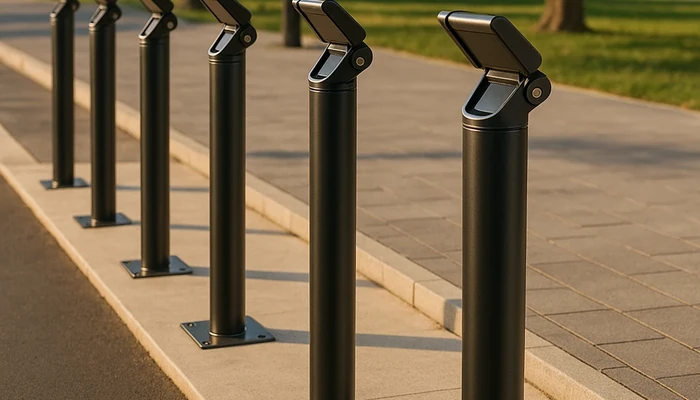
Iron bollards are sturdy, vertical posts installed to control vehicular access, safeguard pedestrians, and define boundaries in both public and private spaces. Their role extends from preventing accidents in parking lots to directing foot traffic in downtown Chicago. But beyond pure functionality, the latest innovations in material science and design provide opportunities to make these features blend with (or enhance) your property’s overall appearance.
Key Functions of Iron Bollards
- Safety: Protects pedestrians, buildings and landscape features from accidental impacts or deliberate intrusion.
- Traffic Control: Directs vehicles, defines driveways, and organizes parking.
- Security: Acts as a deterrent against unauthorized access or ram-raiding attempts.
- Aesthetic Impact: Enhances curb appeal and complements architectural themes.
How Materials Are Changing: From Classic Iron to Advanced Composites
Iron has long been the material of choice for bollards due to its strength, durability, and classic appearance. But recent innovations are giving property owners more options:
Traditional Iron Alloys
- Cast Iron: Known for its heavy weight and resistance to deformation, cast iron is still popular in classic designs.
- Wrought Iron: Favored for decorative and ornate designs, especially in historic or traditional areas.
High-Density Iron Alloys
- New blends focus on maximizing impact resistance while reducing corrosion and maintenance needs.
- Some alloys are treated for enhanced weather protection—an important benefit in the harsh Chicago, Illinois climate.
Composite and Hybrid Materials
- Steel-Reinforced Iron: Combines iron’s look with a steel core for additional security without increasing weight.
- Iron with Polymer Coating: A coating of impact-resistant polymers can boost durability and reduce surface rust.
- Iron-Fiber Composites: Hybrid designs mix iron with carbon or glass fibers to achieve lighter weight and resilience.
If you want to dig deeper into specific choices, see our insights on aspects to consider in the installation of bollards.
Design Innovations in Iron Bollards
Modern demands go beyond strength. Today, property owners want their perimeter solutions to look good, feel connected to the design of their property, and sometimes even integrate with new technology.
Modern Aesthetic Trends
- Minimalist Shapes: Sleek, clean lines fit contemporary commercial landscapes.
- Historical Replicas: For restoration projects or classic neighborhoods, modern iron bollards can faithfully echo old-world designs using advanced finishing methods.
- Custom Finishes: Powder coating allows for nearly any color, helping match building accents or landscape features.
Decorative and Functional Add-ons
- Integrated Planters: Some bollards double as planters, greening urban spaces and serving dual functions. Learn more about incorporating bollards in green spaces here.
- Illuminated Bollards: Built-in LED lighting improves night visibility and adds dramatic flair to entrances or pathways.
- Removable or Retractable Systems: For occasional access or temporary closures, some iron bollards are engineered for easy removal or lowering.
Smart Bollard Technology
The digital transformation is reaching our streets, too. In select projects, smart features are emerging:
- Impact Detection: Sensors can alert property managers of collisions, security breaches, or damaged posts.
- Remote Access: Retractable or telescoping bollards can be controlled by remote devices, perfect for loading docks or emergency routes.
- Environmental Sensing: Integrating sensors to monitor air quality, temperature changes, or urban noise is rare, but represents future potential.
Comparing Iron Bollard Materials and Features
| Material Type | Strength | Corrosion Resistance | Maintenance Needs | Aesthetic Options | Cost (Est.) |
|---|---|---|---|---|---|
| Cast Iron | High | Moderate | Medium | Traditional/Classic | $$ |
| Wrought Iron | Moderate | Low-Moderate | Higher | Ornate/Custom | $$$ |
| Iron + Polymer | High | High | Low | Custom colors/finishes | $$ |
| Iron-Fiber Composite | Moderate | High | Low-Medium | Modern/Specialty | $$$ |
Note: Costs and durability are estimates—always request a custom assessment from local experts such as Chicagoland Fence Pros.
Iron Bollard Installation: Modern Methods and Site Considerations
Selecting the right iron bollard is only half the process. Proper installation is essential for both performance and compliance. Here’s what Chicago-area property owners should know:
Primary Installation Techniques
- Embedded (In-Ground): Bollards are set into concrete foundations for maximum strength and security.
- Surface-Mount: Fastened to concrete or pavement using anchor bolts—faster to install but not as impact-resistant as in-ground options.
- Removable: Engineered sleeves allow posts to be unlocked and temporarily removed.
Factors That Affect Installation
- Soil type and paving thickness (affects stability and depth requirements)
- Code requirements for height, spacing, and setbacks—these can vary in the Chicago, Illinois area
- Drainage design (to avoid rust or concrete cracking)
- ADA compliance needs (especially in public walkways)
For a deep dive into safety and security factors, see effective bollard installation for enhanced security.
Iron Bollards, Chicago Codes, and Realistic Maintenance
Even the most innovative iron bollard is useless—or illegal—if it fails to meet local codes or falls into disrepair. Here’s what every Chicago owner or manager should keep in mind:
- Follow Local Building Codes: Consult the City of Chicago’s building department or a licensed fence contractor for the latest requirements on placement, size, and materials.
- Inspect Regularly: Check for chips, cracks, corrosion, or looseness. Address damage immediately to avoid safety risks.
- Finish and Paint: Protective coatings extend the life of iron—but will require occasional touch-ups.
- Professional Assessments: For any structural damage, consult pros such as Chicagoland Fence Pros to ensure safety and compliance.
Looking for routine care tips? Visit our guide on caring for outdoor iron bollards.
How Do Iron Bollards Support Urban Sustainability?
Iron bollards are being reimagined not only for security, but also for their environmental footprint and positive impact on urban green spaces. New trends include:
- Use of Recycled Materials: Sourcing iron from recycled or repurposed stock is growing in popularity.
- Long Lifespans: Durable installations mean less frequent replacement and less landfill waste.
- Integration with Green Design: Combining bollards with planters or water-absorbing materials can enhance pedestrian comfort and expand green zones—learn more at iron bollards boosting green urban spaces.
For more on sustainable product standards, industry organizations like ASTM International publish technical reports on materials and durability benchmarks.
Cost Factors and Value Considerations
Investment in modern iron bollards includes the cost of materials, installation, and long-term upkeep. Prices can range widely based on size, finish, smart technology, and compliance demands.
Major Cost Contributors
- Material choice (classic vs. composite/smart options)
- Site preparation needs (excavation, existing pavement removal)
- Customization (ornate designs or advanced coatings cost more)
- Permitting fees and code inspections
- Professional installation vs. DIY
Tip: To get a realistic estimate, request a consultation with a local specialist.
Case Study: Iron Bollards in Action
Let’s consider a typical application—a multifamily residential building facing a busy Chicago street. The management wanted a secure perimeter, but also needed attractive accents that blended with landscaping. After reviewing several options, they selected powder-coated, iron-polymer hybrid bollards with built-in planters at key corners. Installed with in-ground footings, these fixtures met all city regulations and created a clear, beautiful traffic boundary, reducing both risk and maintenance. Within a year, building residents reported safer walkways and improved curb appeal.
When to Choose Advanced, Smart, or Decorative Iron Bollards
- Smart Features: Ideal for high-value commercial properties or critical infrastructure needing live monitoring.
- Decorative Finishes: Perfect for properties striving for a distinct look, historic feel, or branding statement.
- High-Security Sites: Seek solid, embedded bollards and consider advanced alloys or core reinforcements.
- Green Spaces: Opt for planters or low-profile options that merge into landscaping. See our post on incorporation of iron bollards in green spaces.
For more tailored suggestions, review our contractor selection checklist.
Frequently Asked Questions About Iron Bollards: Innovation in Materials and Design
-
How do iron bollards compare to other perimeter options (like fencing or railings)?
Iron bollards provide discrete but strong protection, especially for vehicle control or site entry. Fences and railings are better for full enclosure, while bollards excel at access control without visual overkill. For different use cases, railings or wrought iron fences can be considered for more extensive barriers.
-
Can new materials or coatings really prevent rust in Chicago’s winters?
Advanced polymer coatings and hybrid materials make a big difference, but regular maintenance and proper installation remain crucial. Harsh salts and freeze-thaw cycles require attention; expert application and local experience matter.
-
Are smart bollards cost-effective for residential properties?
Smart bollards are best suited for commercial or high-security applications due to higher costs. For most homes or small buildings, traditional or decorative iron bollards provide adequate protection at a lower price.
-
How often should iron bollards be inspected or serviced?
Visual checks each season and after severe weather are wise. Schedule a professional inspection every 2–3 years, or immediately after significant impacts or corrosion signs.
-
What are the most common mistakes made during iron bollard installation?
Poor site preparation, ignoring code requirements, and skipping foundational drainage are frequent problems. Choosing improper spacing or undersized posts exposes properties to risk. Involve a qualified contractor for reliable results.
-
Can bollards be customized to match my property’s style?
Yes! Powder coatings, custom finials, and decorative sleeves allow for almost any color or finish. Consult with local providers about matching neighborhood or building design standards.
-
Is retrofitting smart features to existing bollards possible?
Some sensor modules can be added, but features like retractability usually require full replacement or substantial modification. Plan ahead if you anticipate technology upgrades.
-
What guidance is available for bollard safety or testing standards?
Industry standards are published by organizations such as ASTM International, covering impact performance and materials.
-
Are permit or inspection requirements different for decorative vs. security bollards?
In Chicago and most jurisdictions, all permanent bollards—decorative or security—require code compliance and, often, permits and inspections. Check with local agencies or professionals for your specific case.
-
How can I make my property more sustainable with iron bollards?
Ask about recycled-content iron, select long-lasting finishes, and consider blend-in planters or permeable bases. These steps support a greener urban footprint.
Summary and Next Steps
Iron bollards are no longer just utilitarian posts. Modern innovations in materials and design allow property owners—even in demanding climates like Chicago, Illinois—to create attractive, code-compliant, long-lasting barriers. Whether your priority is vehicle protection, curb appeal, or sustainability, understanding your options is the key to smart decisions.
If you’re ready to explore advanced iron bollards for your home, business, or property, contact our specialists for an honest quote today. Chicagoland Fence Pros offers expert advice, clear proposals, and a thorough knowledge of local code requirements.
Interested in other fence or security solutions? Learn about residential fencing, commercial installations, or automatic security gates—our team can help you find the right fit for any project.
About Chicagoland Fence Pros
Chicagoland Fence Pros is a professional fence company with over 15 years of experience serving homeowners and businesses in Chicago, Illinois and nearby communities. Specializing in residential and commercial fence installations—including wood, vinyl, aluminum, steel, security gates, and iron perimeter solutions—Chicagoland Fence Pros is known for expertise, code-compliance, and honest advice. The team is fully insured, familiar with local ordinances, and focused on delivering secure, durable fences and barriers for every property.
best fence company chicago, bollard repair, parking bollards, iron bollards Evanston, storefront bollards Northfield, bollards Broadview, bollard repair Romeoville, parking bollards Lincolnshire, bollards Elgin, storefront bollards Batavia