
Revolutionizing Security: Automated Gate Services – A Complete Guide for Homeowners & Property Managers
Security is a top concern for modern homeowners and property managers. With rising interest in smart property solutions, Revolutionizing Security: Automated Gate Services is more relevant than ever. Automated gates not only protect your home or business but also offer unparalleled convenience, style, and long-term value. Yet, confusion often arises about features, costs, compatibility, and local building codes. This comprehensive guide will clarify your options, explain cutting-edge technologies, and set realistic expectations. Whether you’re exploring perimeter upgrades for the first time or seeking to balance privacy, budget, and curb appeal, you’ll be equipped to make confident decisions by the end. Chicagoland Fence Pros has served Chicago, Illinois communities for over 15 years and shares practical insights throughout this guide.
What Are Automated Gate Services?
Automated gate services refer to the professional installation, configuration, maintenance, and repair of entrances that can be opened and closed electrically. These systems are designed for residential, commercial, and industrial properties and use motors, sensors, and access controls (like keypads, remotes, or smartphone integration) to operate without manual effort. Key components include:
- Gate leaf or panel (swinging, sliding, or folding)
- Electric/solar motor
- Sensors and safety features
- Access control system (keypad, remote, intercom, app)
The main goals: improve perimeter security, boost convenience, and enhance visual appeal for driveways or business entry points.
Why Automated Gates? Major Benefits
Modern automated gate systems are more than motorized barriers—they represent a new era in property protection. Here’s why so many Chicago, Illinois residents and businesses choose them:
- Security: Deterrent against trespassers, with advanced locks and monitoring features.
- Convenience: Remote operation via phone or key fobs—never open a heavy gate manually again.
- Privacy: Restrict who enters your property, ideal for homes and multi-tenant sites.
- Curb Appeal: Wide range of materials and designs to complement your property style.
- Increased Value: Enhanced security and automation often boost real estate value.
- Customization: Adaptable to various driveway widths, landscapes, or security requirements.
For many property managers and homeowners, automated gates are a future-facing investment. Explore more on how automatic gates add value to your Chicago area property.
Key Types of Automated Gate Systems
Not all automatic gates are created equal. Your space, security priorities, and budget all influence the right system:
- Swing Gates: Classic, hinges open like a door. Suited for wider driveways with ample space.
- Sliding Gates: Move horizontally on tracks; ideal for limited-depth settings, snow-prone areas, or sites with elevation change.
- Bi-Folding Gates: Compact design folding inwards, perfect where space is limited.
- Boom Barriers: Often used commercially, restrict vehicle access rather than pedestrians.
- Pivot or Vertical Lift Gates: Used in special cases—heavy traffic or garage applications.
| Type | Best Use | Pros | Cons |
|---|---|---|---|
| Swing | Spacious, flat driveways | Traditional look, reliable | Needs clearance, not ideal for snow |
| Sliding | Narrow or sloped entries | Efficient, tight spaces | Track needs care, higher install cost |
| Bi-Folding | Short driveways, tight lots | Quick to open, compact | More moving parts, higher maintenance |
Consider your layout and discuss with an experienced installer. Learn more about installation factors here.
Smart Features and Technology Advances
Today’s automated gates are smarter than ever—here’s what modern systems offer:
- Access Control Integration: Keypads, RFID tags, card readers, intercoms, and smartphone apps provide security and flexibility.
- Remote Monitoring: Some systems link to home security cameras for verification and logs.
- Automated Scheduling: Set gates to open/close at specific times.
- Obstacle Detection: Infrared/photoelectric sensors reverse or halt movement when something blocks the gate.
- Smart Home Compatibility: Seamlessly integrates with popular systems like Alexa, Google Home, or HomeKit.
Ask your installer about future-proofing—select systems that allow tech upgrades later. See a breakdown of smart features to inform your choices.
Gate Materials: Durability, Style, and Maintenance
Your gate’s look, lifespan, and necessary upkeep all depend on material selection. Common choices include:
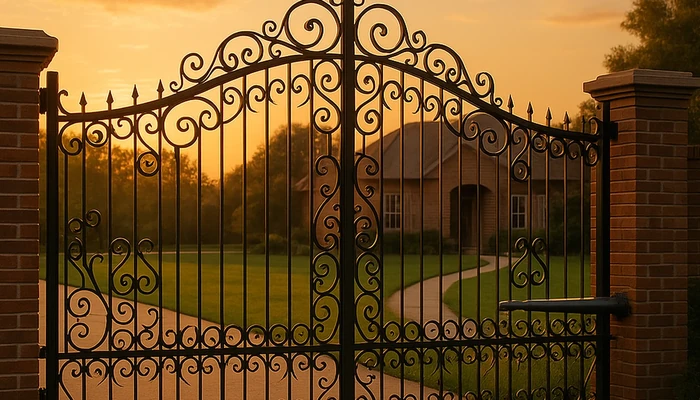
- Steel: Strong, secure, can be powder coated for style. Used for both residential and commercial gates.
- Aluminum: Lightweight, rust-resistant, lower long-term maintenance. Popular for modern homes.
- Wrought Iron: Elegant appeal with durability, requires rust control in Chicago’s climate. See actual design practices at The American Galvanizers Association.
- Wood: Classic privacy, high customizability. However, it requires frequent treatment to withstand weather.
- Vinyl or Composite: Low-maintenance, weather-resistant options with increasing design choices.
Material does not only affect price—it influences code compliance, climate durability, and required treatments. Review different styles and privacy effects on design.
Installation Considerations: Site, Codes, and Local Factors
Each automated gate project is unique. Before installation, address these:
- Site Assessment: Measure entry width, slope, and surroundings. Evaluate underground utilities and drainage.
- Foundation Needs: Robust footings are critical for gate stability, especially in Chicago winters. [For more on foundation, review structuremag.org/concrete.]
- Power Source: Plan for electrical supply or consider solar (where sun exposure allows).
- Building Codes and HOAs: Always check local code, zoning, and HOA requirements for gate height, setback, and safety mandates before work begins.
- Accessibility and Emergency Override: Include fail-safe and manual opening systems for emergencies and compliance with accessibility rules.
Chicagoland Fence Pros stresses a code-compliant approach for every Chicago, Illinois project. Want more information? Dive deep into legal considerations for automatic gates.
Eco-Friendly and Energy-Efficient Gate Systems
Sustainability is growing in importance. Modern automated gates offer:
- Solar-Powered Options: Reduces grid reliance; suitable for sunny installations. See the impact of solar energy on gates.
- Energy-Saving Motors: Look for efficient, standby-power-saving designs.
- Durable, Recyclable Materials: Aluminum and steel gates can be repurposed at end of life.
Ask your installer about green certifications or recycled components to make an informed choice.
Cost Factors: What to Budget For
The price range for automated gates is wide—and for good reason. Costs can include:
- Material Choice: Aluminum/vinyl are often less expensive than wrought iron or custom steel.
- Gate Type & Size: Larger/heavier gates (especially sliding or bi-fold) cost more to build and automate.
- Access Control Systems: Advanced features (video, intercom, smart integration) increase investment.
- Power Supply: New trenching or solar adds installation complexity and cost.
- Maintenance: Plan for lubrication, cleaning, and occasional repairs.
As a rough guide, expect residential automated gate projects to begin in the low thousands and grow with features and size. Commercial solutions may run considerably higher, especially for heavy-duty or monitored systems. Every Chicagoland Fence Pros estimate is clear and explains all factors—request a detailed quote here.
Maintenance and Upkeep Expectations
Automated gates require periodic maintenance to remain reliable and secure in the Chicago, Illinois climate. Plan on:
- Checking mechanical parts (hinges, tracks, rollers) for debris and lubrication.
- Electrical inspections to verify safe, dry connections.
- Testing sensors and safety features regularly for compliance and user protection.
- Seasonal tune-ups before winter and after heavy storms.
Preventive care can extend your gate’s useful life and protect your investment. For simple DIY maintenance tips, start with this checklist.
Safety First: Features and Best Practices
Gate automation must always prioritize safety. The best systems feature:
- Obstacle detection and auto-stop/reverse technology
- Warning lights or sounds during movement
- Manual override and emergency release
- Anti-tailgating features (for multi-user or commercial settings)
Compliance with national and local standards is a must. Every installer must ensure UL 325 compliance for automated gates. For details on child and pet safety, read our safety primer.
Real-World Trade-Offs: What to Expect (and Avoid)
No system is perfect. Here’s what to consider before committing:
- Sliding gates may require more frequent track cleaning in areas with leaf debris, ice, or snow.
- Solar-powered gates may underperform during long stretches of cloudy weather without battery backup.
- Complex access controls mean professional setup, and possibly software updates.
- Heavier gates need stronger footings and may boost foundation costs.
Understanding these realities helps set accurate expectations and avoid costly surprises.
When to Call a Professional
Attempting DIY installation of an automated gate risks both safety and code violations. Chicagoland Fence Pros recommends calling a licensed, insured professional for:
- All installations involving electrical wiring or structural work
- Diagnosing or repairing malfunctioning motors, sensors, or wiring
- Upgrades, integrations, or security enhancements
- Complying with Chicago, Illinois building codes and HOA rules
DIY is best kept to simple visual inspections and gentle cleaning. Discover how pros boost your security with advanced technology.
Frequently Asked Questions (FAQ)
- Are automated gates safe for families with children and pets?
When properly installed with sensors, obstacle detection, and safety standards (like UL 325), automated gates are safe. Extra vigilance is needed—read our full safety guide.
- Can automated gate systems be integrated with home automation?
Yes, many offer smart home compatibility for remote access and monitoring. Discuss integration needs early with your installer.
- What weather challenges should Chicago, Illinois property owners anticipate?
Ice, snow, and freeze-thaw cycles can affect track gates and electronics. Choose weatherproof components and schedule regular seasonal maintenance.
- How does solar power work for automatic gates?
Solar kits use photovoltaic panels and batteries for off-grid power. Success depends on sunlight exposure and system sizing—see our solar guide.
- Are there design options that fit historic or unique architecture?
Yes! Automated gates come in classic, modern, and custom styles. Experience and local craftsmanship matter; read material design tips.
- What are typical maintenance needs for automated gates?
Planned cleaning, lubrication of moving parts, electrical checks, and safety sensor calibration. Most tasks are annual; some (like track cleaning) are seasonal.
- Do insurance policies recognize or reward automated gate installation?
Some insurers offer discounts for enhanced perimeter security. Check with your provider for details and documentation required.
- How long does installation take?
Most residential gates require 1–3 days, factoring in foundation work, electrical setup, and testing. Larger or commercial jobs may take longer due to customization or permitting.
- Can I upgrade my manual gate to an automated system?
Often, yes—with compatible frameworks. A professional assessment will identify necessary structural changes for safety and code compliance.
- What makes a gate “code-compliant” in Chicago?
Compliance is defined by gate height, location, obstruction-free movement, force limits, and safety features per Chicago and national codes. Always verify before installation.
Conclusion and Next Steps
Automated gate services are transforming home and business security with powerful technology, convenience, and design flexibility. The right system can enhance privacy, deter unauthorized entry, and even raise property value—when chosen and installed with care. Remember to assess your unique needs, consider site and code constraints, and prioritize safety features. If you’re ready to explore options or want a professional assessment, request an automatic gate evaluation from trusted professionals. For expert advice on other fence types, visit our residential fences page or contact Chicagoland Fence Pros for transparent answers.
About Chicagoland Fence Pros
Chicagoland Fence Pros is a trusted fence company with over 15 years of experience serving homeowners and businesses in Chicago, Illinois and surrounding communities. Specializing in residential and commercial fences—including wood, vinyl, aluminum, and steel—the team is dedicated to secure, code-compliant installations and clear education at every step. Fully licensed and insured, Chicagoland Fence Pros helps each client choose the best solution for security, privacy, and curb appeal.
fence builders chicago, driveway gate chicago, gate opener, gate opener repair Hampshire, security gate Lake Zurich, automatic gate Hanover Park, sliding gate Huntley, gate opener repair Round Lake Beach, access control gate Elmhurst, sliding gate Norridge