
Revolutionizing Boundaries: Industrial Fence Company Explained
Whether you’re a homeowner hoping to secure your property or a manager responsible for overseeing commercial assets, choosing the right fence can seem complicated. There are endless options, each with promises of security, privacy, value, and curb appeal. With regulations to follow and long-term maintenance to consider, the path to a truly effective boundary isn’t always clear. This in-depth guide, built on the expertise of Chicagoland Fence Pros, will demystify what an industrial fence company does, the options and trade-offs you should know, and what you should expect from the process around fence installation, repair, and perimeter security. By the end, you’ll have all the knowledge you need to move forward with confidence—whether upgrading your home, your business, or an entire complex in the Chicago, Illinois area.
What Does an Industrial Fence Company Do?
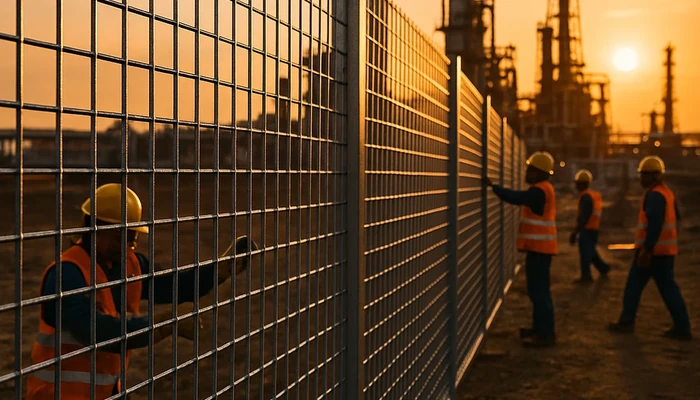
An industrial fence company specializes in designing, installing, and maintaining fences that protect residential, commercial, and sensitive properties. Unlike basic DIY products, industrial fencing solutions are engineered for durability, code compliance, and security, taking into account the environment, property layout, and unique client requirements. From high-traffic facilities to neighborhood yards, the right contractor guides clients from the initial assessment to ongoing maintenance and repairs.
- Security Assessments: Evaluating property vulnerabilities, risks, and local threats
- Custom Design: Recommending fence types and features tailored to your needs
- Installation: Managing permits, code compliance, and efficient construction
- Maintenance & Repair: Ensuring your investment lasts and adapts as rules change
Industrial fence companies also stay up-to-date on best practices through organizations like the American Fence Association, which sets standards for safety and quality throughout the industry.
Types of Industrial Fencing: Options and Trade-Offs
Choosing the best fence involves understanding the available materials, structural options, and how each fits your budget or goals. As you review different fence types, keep in mind your property’s security needs, maintenance comfort level, and the image you wish to present.
| Fence Type | Best For | Pros | Cons |
|---|---|---|---|
| Chain Link | Security, affordability, large areas | Durable, low-cost, easy repair | Minimal privacy, basic appearance |
| Wrought Iron | Prestige, high security | Elegant, long-lasting, highly secure | Costly, regular maintenance (rust) |
| Aluminum | Modern look, corrosion resistance | Lightweight, low maintenance | Less strength than steel/iron |
| Wood | Privacy, residential use | Natural appearance, versatile | Prone to rot, requires upkeep |
| Vinyl | Privacy, longevity, easy care | Maintenance-free, many styles | Less sturdy vs. metal, higher upfront cost |
| Composite | Eco-friendly, design versatility | Weather-resistant, modern look | More expensive, may fade |
Want to see contemporary commercial fence designs? Check out how commercial fencing boosts curb appeal in business environments without sacrificing security.
Key Features of Modern Industrial Fences
The best industrial fences do more than place a line between two properties. Today’s solutions are designed with innovation in mind—often integrating significant functional enhancements for greater peace of mind:
- Anti-climb and anti-cut designs: Extended posts, mesh paneling, and reinforced panels deter intruders
- Integrated automation: Gates, security panels, and access controls tailored for business needs
- Noise reduction: Acoustic fences help manage sound in urban or industrial settings
- Custom coatings: Choose finishes for weather resistance (crucial in Chicago’s harsh winters)
Want a deeper understanding of what makes an industrial fence secure? Read more on features that set industrial fences apart.
Installation Realities: What to Expect and Plan For
Fence installation—or replacement—requires preparation and knowledge. The process begins with a site assessment, followed by a proposal detailing recommended fences, costs, and timelines. Most industrial fence companies, including Chicagoland Fence Pros, handle the following steps:
- Site marking and utility checks
- Permit applications and code compliance checks
- Material delivery and ground preparation
- Framework and fence installation
- Final inspection and client walkthrough
For a breakdown of each step, including tips specific to Chicago, see the expectations during commercial fencing installation guide.
Balancing Security, Privacy, and Aesthetics
Security is often the biggest motivator for fence upgrades. But privacy—from neighbors, traffic, or competitors—and aesthetics are close behind. The right industrial fence must balance:
- Security features (height, thickness, locking mechanisms)
- Privacy potential (solid panels, screening, plant integration)
- Visual appeal (colors, patterns, integration with landscaping)
Learn about safety, aesthetics, and functionality for commercial fencing to inform your final decision.
Costs and Budgeting for Industrial Fencing
Fence costs vary based on materials, site complexity, security features, and local labor rates. In the Chicago, Illinois area, you can expect:
- Basic chain link: $15–$30 per linear foot
- Steel/iron fences: $35–$85 per linear foot
- Wood/vinyl: $28–$60 per linear foot
- Custom/composite: $50–$120 per linear foot
These are typical ranges, but factors such as terrain, demolition, custom gates, and code-mandated upgrades can push costs higher. Consult with a reputable fence contractor for itemized quotes and advice based on your specific needs.
To learn more about how fence upgrades affect property value and insurance, visit this guide on industrial fencing and value.
Understanding Local Codes, Permits, and Regulations
Every fence in Chicago, Illinois must meet city and sometimes HOA requirements, covering height, setbacks, visibility, and material restrictions. Not securing permits before installation can lead to fines or forced removal. An experienced fence company will:
- Check city and county requirements (always verify the latest rules!)
- Review HOA rules and neighborhood covenants
- Confirm zoning and utility easements
- Secure all necessary permits before work begins
Stay ahead of compliance issues by checking legal requirements for commercial fencing prior to building.
Durability and Maintenance: What to Expect
Every fence, regardless of material, requires regular maintenance to retain its benefits. Some require more effort, especially in challenging climates like Chicago’s:
- Routine inspections: Catching rust, damage, or shifting posts early
- Treatments and coatings: For metal and wood fences, prevent rot and corrosion
- Repairs: Address storm, vehicle, or impact damage as soon as possible
The best fence companies offer maintenance plans or simple repair services to protect your investment. For practical tips, see this guide to fence maintenance.
Integrating Fencing with Security Systems
For many businesses and managers, a fence is only one part of broader security. Modern perimeters incorporate:
- Electronic gates and access controls
- Integrated alarms and sensors
- Lighting and camera systems
Synergy among these systems maximizes security and makes day-to-day access easier for authorized people. For technical details, check out the industry standards published by DASMA.
When to Repair vs. Replace Your Fence
It’s common for property owners to ask whether an aging or damaged fence needs repair or full replacement. Some scenarios favor repair: isolated storm damage, minimal rust, or slight leaning. However, replacement is often better for widespread rot, multiple impact points, or when compliance codes / insurance require modern standards. An honest assessment from a professional—like those at Chicagoland Fence Pros—saves money and trouble in the long run.
Soft CTA: Ready to Upgrade?
If you’re ready to discuss options, request a fence estimate for your property. Looking for something unique? Explore wrought iron fences in Chicago or browse aluminum designs for curb appeal and lasting performance.
FAQs: Industrial Fencing Demystified
- What makes a fence “industrial”?
Industrial fences are designed for enhanced durability, security, and code compliance compared to standard residential fencing. They often feature reinforced posts, anti-climb elements, and materials suited to high-traffic or high-risk environments.
- Can I combine different fencing materials?
Yes. Many projects use steel posts with wood or composite panels for both strength and privacy, or mix decorative fronts with secure back fencing for balanced aesthetics and functionality.
- How long does installation typically take?
Most projects in the Chicago, Illinois area take 3–7 days once permits are secured, but size, weather, and custom features may extend the timeline. Always ask your fence company for a realistic schedule before starting.
- What’s the best fence for both security and noise reduction?
Composite or metal panel fences with additional acoustic features are highly effective, but the best option depends on your site’s needs. Learn more in our noise reduction with industrial fences resource.
- Do fences require ongoing maintenance?
Yes. All fence types benefit from regular inspections and simple maintenance, which extends lifespan and ensures compliance. Some materials, like vinyl and aluminum, are lower maintenance than wood or steel.
- Is a permit required to install or repair fences?
Yes, most fence projects in Chicago, Illinois need city permits and must meet local zoning requirements. Working with a professional fence company ensures you’re compliant from start to finish.
- How do I choose the right height for my fence?
Height is often dictated by local ordinances, but also depends on your security and privacy goals. Typical heights range from 4 feet for residential areas to 8 feet or more for commercial or sensitive sites.
- How do automation and electronic gates fit in?
Modern industrial fencing often integrates with automatic gates, access control panels, and security systems. Consult experts for seamless installation and ongoing support.
- Will a new fence impact my property’s insurance?
In many cases, adding a secure, code-compliant fence can reduce liability and improve insurability. Contact your provider for details, and see this dedicated industrial fencing & insurance guide.
- What is the typical warranty on industrial fences?
Warranties differ by material and manufacturer; most top contractors offer workmanship warranties in addition to any product guarantee—ask for details before you sign a contract.
Conclusion: Setting Secure, Lasting Boundaries
Revolutionizing your boundaries means more than just putting up a fence—it’s about protecting what matters, enhancing your property, and ensuring every step follows best practices. In the Chicago, Illinois area and beyond, partnering with a proven industrial fence company like Chicagoland Fence Pros sets you up for success from planning to final inspection. If you’re considering your options, we invite you to explore traditional wood fencing or learn about secure gate automation. Every property is unique—make sure your boundaries are, too.
About Chicagoland Fence Pros
Chicagoland Fence Pros is a leading fence company with over 15 years of experience serving homeowners and businesses in Chicago, Illinois and the surrounding communities. Specializing in residential and commercial projects, our team provides expert guidance, clear communication, and installations using wood, vinyl, aluminum, and steel. Fully licensed and insured, we focus on code compliance, long-term durability, and helping every client achieve the right combination of security, privacy, and style.
fence company chicago, chicago Industrial Fence Contractors, Best Industrial fence Company in Chicago, security fence Lake Zurich, commercial fence repair Batavia, fence commercial Rolling Meadows, commercial fence Morton Grove, commercial security fence Lisle, business fencing Westmont, warehouse fence Schiller Park