
Mastering Fence Installation: Company Insights for Homeowners and Property Managers
Whether you own a home, manage rental properties, or oversee a commercial site, Mastering Fence Installation: Company Insights can help you cut through confusion and make informed decisions about perimeter security and privacy. Many first-time fence buyers wonder which type is best, how to maintain it, and what realistic costs look like. Adding fencing is a significant investment, and factors like design, building codes, maintenance, and neighbor expectations all play a role. With the Chicago, Illinois area’s variable climate, even experienced property owners often seek professional guidance. This in-depth guide will break down your options, share trade-offs, and provide actionable advice, leveraging the proven experience of Chicagoland Fence Pros. By the end, you’ll understand what to expect—from budgeting and compliance to day-to-day upkeep.
Why Quality Fence Installation Matters
A fence is more than just a boundary—it’s an investment in safety, privacy, and curb appeal. The right fence will protect your property, enhance its value, and provide peace of mind. But a poor installation or inappropriate material can lead to persistent headaches and unexpected expenses. Understanding your options and trade-offs is the first step toward a fence solution that stands the test of time.
- Security – Keep unwanted visitors out and children or pets safely inside.
- Privacy – Limit visibility and create secluded outdoor spaces.
- Curb Appeal – Frame your home or business, increasing perceived value.
- Compliance – Satisfy neighborhood rules and local building codes.
- Investment – A durable, code-compliant fence saves money over its lifetime.
Fence Types: Comparing Your Options
Homeowners and Chicago property managers can choose from several main fence types. Each has unique strengths, limitations, and ideal uses. Below is a quick comparison table:
| Type | Strengths | Limitations | Best For |
|---|---|---|---|
| Wood | Natural look, customizable, good privacy | Requires ongoing maintenance, may rot | Residential privacy, decorative fences |
| Vinyl | Low maintenance, durable, clean appearance | Higher initial cost, limited color options | Family backyards, visible frontages |
| Chain Link | Affordable, durable, quick to install | Low privacy, basic look | Commercial sites, pet enclosures |
| Wrought Iron | Elegant style, very strong, long lifespan | Needs anti-rust care, less privacy | Historic properties, businesses |
| Composite | Eco-friendly, resists rot and pests | Costly, can fade over time | Modern homes, eco-conscious buyers |
| Aluminum | Rust-resistant, lightweight, versatile | Less robust than steel, limited privacy | Pool enclosures, decorative fencing |
For more detail, see our Top 5 Fence Materials: Which Is Best? and the Ultimate Guide to Fence Designs.
Material Matters: What to Expect
Choosing the right material will affect your fence’s appearance, longevity, maintenance needs, and cost. Here’s how some of the most popular materials compare on key points:
- Wood (cedar, pine, redwood): Natural, classic appeal but requires sealing or staining to prevent decay.
- Vinyl: Virtually maintenance-free and easy to clean but has a higher up-front investment.
- Metal (aluminum, steel, wrought iron): Tough, customizable, great for security; may require periodic painting (for iron) or inspection for corrosion.
- Composite: Blends wood fiber and plastic to resist rot; color can fade, but repairs are simple.
Our post Choosing the Best Fence Materials Based on Climate details how Chicago weather impacts durability.
Pre-Installation: Codes, Neighbors, and Site Prep
Installing a fence is not just a matter of digging holes and setting posts. Start with these steps:
- Research local codes and HOA rules—Styles, height, and placement often have strict requirements.
- Confirm property lines—Get a land survey if needed to avoid disputes.
- Talk to neighbors—Courtesy prevents future problems, especially with shared boundaries.
- Call 811 before you dig to locate underground utilities and avoid costly mistakes (required by law in many states).
- Assess your site—Slope, soil, and obstacles all affect installation.
Our full guide on navigating local fence regulations explains code compliance in detail.
Understanding the Fence Installation Process
Expect these main steps from a professional installer:
- Planning and marking out the layout on your property.
- Setting sturdy posts (using concrete in most cases for durability in Chicago’s freeze-thaw cycles).
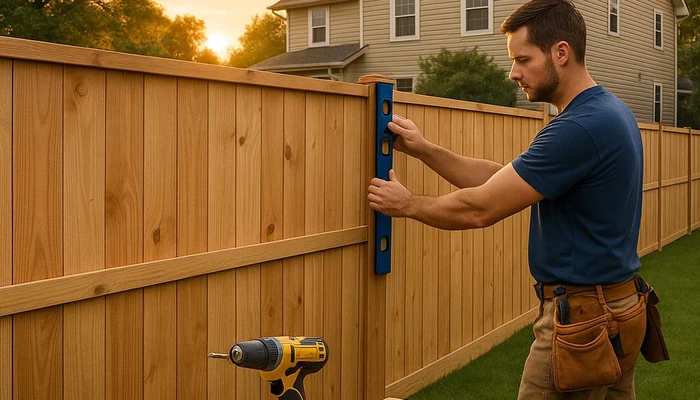
- Adding rails/panels and ensuring everything is level and secure.
- Finishing touches—like gates, caps, or decorative elements.
- Final inspection for compliance with codes and agreed-on specifications.
DIY enthusiasts can follow step-by-step tutorials like our exterior fence installation tutorial. However, complex sites are often best left to professionals.
Maintenance and Longevity: Setting Realistic Expectations
No fence is 100% maintenance-free, but smart material selection can minimize your workload. Here’s what to expect:
- Wood: Needs regular sealing, painting, or staining (every 2–3 years).
- Vinyl: Occasional cleaning keeps it looking fresh; repairs are rare.
- Metal: Inspect for rust (iron or steel) and touch up paint as needed; aluminum just needs cleaning.
- Composite: Quick wash from time to time; little risk of warping or rotting.
For more on longevity and care, see installation for long-lasting fences and maintenance tips for electric gates.
Cost Factors: Budgeting with Real Numbers
Fence pricing varies by material, length, height, terrain, gate additions, and local code requirements. Get multiple estimates, and remember:
- Wood is typically most affordable but requires ongoing care.
- Vinyl and composite have higher up-front costs, but lower lifetime maintenance.
- Metal (especially wrought iron) requires a bigger investment but lasts decades with care.
- Extras (lattice, decorative posts, custom gates) can quickly increase costs.
For a breakdown of typical price ranges, visit our fencing cost evaluation page.
Safety, Security, and Perimeter Protection
Safety and security are critical concerns for many property owners in the Chicago, Illinois area. Ask yourself:
- Is the fence tall enough to deter unwanted entry?
- Do gates have locks or automation for added safety?
- Is visibility a priority (for surveillance), or is solid privacy more important?
- Are children and pets safely contained?
Tip: For advanced solutions, explore automatic security gates or bollard installations for commercial sites.
Trends and Innovations in Fence Installation
Modern fencing is about more than wood pickets or basic chain link. Innovative options now include:
- Integrated smart security features (card access, cameras, electric gates)
- Eco-friendly composite and recycled materials
- Custom designs for curb appeal—from horizontal slats to laser-cut metal
- Paints and coatings that boost longevity in harsh climates
(see AMPP: Galvanized Surface Repair)
Learn more about the future of fencing trends in our dedicated post.
Common Installation Mistakes—and How to Prevent Them
- Skipping proper site prep—This leads to leaning or misaligned fences.
- Ignoring building codes—Can require costly rework or trigger neighbor disputes.
- Poor post installation—Weak foundations mean short fence lifespans, especially after Chicago winters.
- Choosing inappropriate materials—Not every material fits every setting (e.g., wood near retaining walls may rot quickly).
- Neglecting long-term upkeep—Small problems can become major repairs.
Learn about preventive maintenance for lasting results.
When to Hire a Professional Fence Company
While some projects lend themselves to DIY, experienced fence companies like Chicagoland Fence Pros deliver advantages:
- Understanding of local zoning, codes, and best practices
- Efficient, correct installation (saving you time and hassle)
- Manufacturer warranties and code-compliant results
- Advice on suitable materials for Chicago’s climate
If your project involves complex grading, large gates, multi-family buildings, or commercial perimeter protection, a professional touch can prevent costly mistakes—and even legal trouble. Ready to plan your project? Request a fence estimate or talk to our fence specialists today.
FAQs: Mastering Fence Installation
- What is the best material for a low-maintenance fence?
Vinyl is very low maintenance, as it won’t rot, peel, or need painting. Composite is also excellent if you desire wood-like aesthetics with easier upkeep.
- Do I need a permit to install a fence in Chicago?
Most urban fences in Chicago, Illinois require a permit, especially those over a certain height or in historic districts. Always check with your local building department.
- How close to the property line can I build a fence?
This varies by municipality and, in some cases, HOA. Generally, fences must be within your property boundaries, and there may be setback requirements. Check local codes before proceeding.
- Can I install a fence myself?
DIY installation is possible for simple layouts, but challenging terrain, code requirements, or long runs are best handled by professionals. Our DIY wire mesh fence guide can help with smaller projects.
- What are the common reasons fences fail?
Poor site preparation or post installation, neglecting maintenance, and material choices that don’t fit the local environment are the key culprits.
- How do I maintain my fence during harsh Chicago winters?
Check for debris and moisture buildup, especially for wood and metal. Make repairs before winter and seal or paint exposed surfaces to prolong lifespan.
- Do fences add value to my property?
Yes, especially well-designed, code-compliant installations that enhance privacy or curb appeal. Learn more about increasing property value with a fence.
- How long does installation take?
Most residential projects take 1–3 days, weather and terrain permitting. Commercial and custom jobs may require more time.
- What warranties are typically offered?
Most manufacturers offer material warranties, and professional installers guarantee workmanship for a certain period—ask for details before hiring.
- Are there sustainable fence materials available?
Yes, composite as well as certain treated woods and recycled metal options offer lower environmental impact. Ask your fence company about eco-friendly materials when planning your project.
Conclusion: Setting Expectations for a Stress-Free Installation
Mastering fence installation starts with honest information, sound planning, and realistic expectations. Every property and project is unique, and decisions about style, security, and maintenance all play a role. By working with experienced professionals like Chicagoland Fence Pros, you gain support from planning to post-install inspection.
Ready to move forward? Contact Chicagoland Fence Pros for experienced, honest advice—no obligation. Or, if you’re seeking inspiration, dive into our Ultimate Guide to Fence Designs for fresh ideas.
Chicagoland Fence Pros is a professional fence company with over 15 years installing fences in the Chicago, Illinois area. Serving both homeowners and businesses, our team specializes in wood, vinyl, aluminum, steel, and composite fencing for residential and commercial projects. Chicagoland Fence Pros is fully licensed and insured, with a strong commitment to code-compliance and honest, transparent service across every step—from planning and material selection to final inspection.
fence builder chicago il, home fence chicago, pool fence chicago, residential fencing Skokie, residential fences Lake Zurich, dog fence Niles, residential backyard fence Plainfield, residential yard fence Berwyn, pool fence Morton Grove, garden fence Batavia