
Exploring Cyclone Fence Panels Essentials: An In-Depth Guide for Homeowners and Property Managers
When you first start exploring cyclone fence panels essentials, it can feel overwhelming. With so many options for security, privacy, and style, understanding what makes cyclone fence panels (also known as chain link fences) a top choice for Chicago, Illinois properties is crucial. Property boundaries, safety, and curb appeal all depend on selecting the right solution. This comprehensive guide breaks down the fundamentals, compares panel types and features, and sets clear expectations—bolstered by Chicagoland Fence Pros’ proven experience in the Midwest’s demanding climate. By the end, you’ll know the pros, cons, and best practices for choosing cyclone fence panels to suit your needs.
What Are Cyclone Fence Panels?
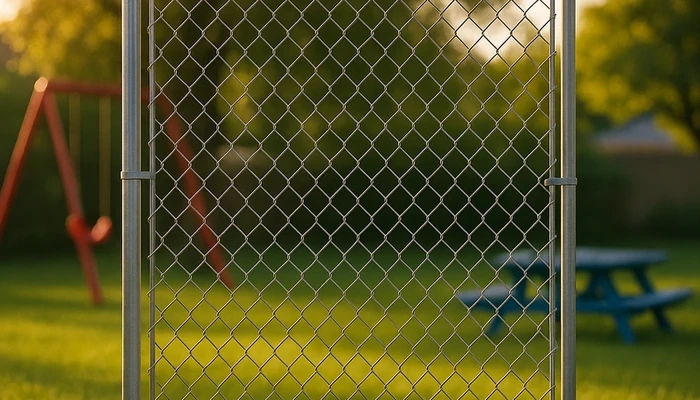
Cyclone fence panels, commonly called chain link fences, are woven steel wire mesh panels designed for perimeter security, property demarcation, and enclosure. Their structure makes them durable, affordable, and adaptable to diverse uses—making them one of the most popular choices for both residential and commercial properties in the Chicago, Illinois area.
Key Benefits of Cyclone Fence Panels
- Durability: Galvanized or coated steel provides rust resistance and long service life even in harsh Midwest winters.
- Affordability: A lower cost per foot compared to solid panel fencing.
- Security: Effective at keeping unwanted visitors out and providing a physical deterrent when combined with features such as barbed or razor wire.
- Low Maintenance: Minimal upkeep compared to wood or vinyl, with basic cleaning and inspection.
- Customization: Options in height, color, privacy slats, mesh gauge, and more.
Panel Types and Customization Options
Each property has different fencing needs. Here’s how cyclone fence panels differ by key specifications:
| Feature | Basic Option | Enhanced Option |
|---|---|---|
| Mesh Gauge | 11–11.5 (residential) | 9 (commercial/heavy-duty) |
| Height | 3–5 ft. (residential yard) | 6–12 ft. (security, business, schools) |
| Coating | Galvanized steel | Polymer-coated or vinyl-coated |
| Color | Silver (standard) | Green, black, brown |
| Privacy | Open mesh | Privacy slats/tapes |
| Security Extras | Standard top rail | Barbed/razor wire, bottom rail |
Understanding Cyclone Fence Panel Components
A cyclone fence panel system consists of:
- Posts: Vertical steel pipes set into the ground (concrete footings recommended for stability).
- Mesh Panel: The core wire netting woven in a diamond pattern.
- Top/bottom rails: Provide horizontal stability.
- Fittings & hardware: Tension bands, clamps, and brackets secure mesh to posts.
- Gates: Single or double, swinging or sliding for access points.
- Optional features: Privacy slats, colored coatings, security wire.
For a deeper exploration of parts and their functions, see Demystifying Chain Link Fence Componentry.
Material Choices and Weather Considerations
Chicago’s climate demands fence materials that withstand freezing temps, snow, ice, and wind. Most cyclone panels are made from galvanized steel, but polymer- and vinyl-coated options add extra protection and color choices. Not sure which is best? Explore material differences in our guide What Materials Are Used in Chain Link Fences.
Refer to fabrication guidelines from the American Galvanizers Association (see design and fabrication here) for more on corrosion resistance and structural strength.
Privacy and Security Enhancements
Concerned about privacy or the view through the mesh? Modern cyclone fence panels can incorporate privacy slats, wind screens, or custom fabric inserts in multiple colors. Security-minded installations can add:
- Barbed or razor wire at the top
- Bottom rails to deter digging
- Self-closing, self-locking gates
Read more about maximizing security with our resource Tips for Improving Security with Chain Link Fencing.
Balancing Curb Appeal with Functionality
Homeowners in Chicago, Illinois often want their property to look inviting—not institutional. Custom-color coated mesh and posts, designer gate inserts, and creative privacy add-ons make cyclone fences more attractive than ever. For design inspiration, browse Chain Link Fence Design Inspiration and Modern Chain Link Fence Styles.
Installation Considerations: Codes, Permits, and Site Prep
Every fence project must comply with local building codes and HOA guidelines. In the Chicago area, there are specific rules regarding:
- Maximum fence height (often 6 feet for residential side/back yards)
- Setback distances from sidewalks and property lines
- Visibility requirements for driveways and corners
- Material and color guidelines in some neighborhoods
Always check with the City of Chicago Building Department, your suburban municipality, and any homeowners’ association before starting a fence project. For professional guidance, consider talking to a local specialist.
Maintenance and Longevity: What to Expect
Cyclone fencing is valued for its minimal upkeep—especially compared to wood or wrought iron. Maintenance tips include:
- Annual inspection for rust, loose fixtures, and damage from equipment or falling branches
- Cleaning with water and mild detergent to prevent grime buildup
- Spot-treatment of any rust with approved products
- Checking gate hardware and self-closing mechanisms
Learn more about preserving your investment in our maintenance post Unveiling the Versatile Chain Link Fence.
Cost Factors and Budgeting
Costs for cyclone fence panels vary based on:
- Fence height, gauge, and length
- Coating and color upgrades
- Ground conditions: sloped or rocky lots may require special footings
- Gate style (single, double, rolling, automated)
- Enhanced privacy or security features
While final prices can range widely, cyclone fencing remains one of the most cost-effective options for reliable security and property definition. For a detailed project estimate specific to your location, you can always request a quote for chain link fencing solutions.
Common Cyclone Fence Panel Mistakes to Avoid
- Not accounting for slope or uneven ground (causing gaps or unsteady posts)
- Skipping permits, which can lead to costly rework or fines
- Using undersized posts or mesh for high-security applications
- Not considering privacy or color options before installation
A professional can help you sidestep these issues, ensuring a long-lasting and code-compliant fence.
Innovative and Modern Uses of Cyclone Fencing
Today’s cyclone panels are used for creative landscaping, sports enclosures, dog runs, and even as trellises for climbing plants. Explore fresh possibilities in Innovations in Chain Link Fencing.
Comparison Table: Cyclone Fence Panel Variations at a Glance
| Option | Best For | Main Trade-Off |
|---|---|---|
| Standard Galvanized Mesh | Basic property lines, affordable enclosures | Less privacy |
| Color-Coated Mesh | Style-conscious homeowners, parks, schools | Slightly higher cost |
| Privacy Slats/Tapes | Backyards, commercial storage | Reduces ventilation, adds installation time |
| High-Security Upgrades | Business, utilities, restricted areas | Higher upfront investment |
| Custom Heights & Gates | Sports courts, unique layouts | Custom fabrication needed |
FAQs on Cyclone Fence Panels
- What is the difference between cyclone and chain link fencing?
“Cyclone” and “chain link” refer to the same kind of fence: woven steel mesh panels mounted on metal posts. The terms are interchangeable, though “cyclone” is a legacy term still commonly used in many regions.
- Do cyclone fence panels provide enough privacy?
Standard mesh has clear visibility, but privacy slats or screens can be added for partial or near-total privacy while retaining security and airflow.
- How long do cyclone fence panels last?
With quality materials and proper installation, cyclone fences in the Chicago, Illinois area often last 20–30 years. Harsh winters or neglect can reduce longevity, while regular maintenance extends it.
- Can cyclone panels be repaired if damaged?
Yes. Sections of mesh or damaged posts can usually be replaced or spliced without replacing the entire fence.
- Are permits needed for cyclone fence panel installation?
Most municipalities, including Chicago, require permits and strict code compliance for any fence installation. Always consult local authorities and experienced contractors.
- How does fencing cost compare with other options?
Cyclone fencing is generally more affordable than wood, vinyl, or ornamental iron—particularly for long runs or large enclosures.
- What customization is available?
Options include mesh gauge, heights, colors, privacy slats, security features, and custom gate styles.
- How do I choose the right cyclone fence for my property?
Assess your goals (security, privacy, aesthetics), research local codes, and consult a fence professional for a tailored recommendation.
- Who should install cyclone fence panels?
DIY is possible for basic projects, but expert installation ensures code compliance, lasting performance, and warranty protection. Chicagoland Fence Pros recommends consulting with experienced professionals, especially for large or security-focused installations.
Next Steps: Getting an Expert Opinion
Exploring cyclone fence panels essentials gives you a well-rounded perspective on materials, customization, costs, and local considerations. If you’re ready for a specific quote or want help weighing trade-offs, request a fence estimate today. Prefer a personalized design or have unique security needs? The team at Chicagoland Fence Pros can help you chart the best path forward.
For further technical details and fabrication standards, consult the American Galvanizers Association. If you’re interested in membership or industry resources, visit the American Fence Association.
About Chicagoland Fence Pros
Chicagoland Fence Pros is a professional fence company with over 15 years of experience helping homeowners and businesses in Chicago, Illinois and surrounding communities. The team specializes in residential and commercial fencing solutions—including wood, vinyl, aluminum, steel, and cyclone/chain link installations—while prioritizing code-compliance, insurance, and honest advice from planning to inspection.
fence builders chicago, chain link fence in chicago, chain link fencing, best chain link fences in Marengo, chain link fencing Elmhurst, vinyl coated chain link fence Buffalo Grove, chain link fence Lombard, galvanized chain link fence Bedford Park, chain link fence Glenview, North Halsted chain link fence