
Explore the Role of Wooden Fences in Rural Settings: A Practical Guide
Choosing a fence for a rural property isn’t just about marking boundaries—it’s a decision with lasting consequences for aesthetics, security, and maintenance. For homeowners or property managers in the Chicago, Illinois region, wooden fences remain a classic and functional choice, seamlessly blending with the natural surroundings while supporting privacy and safety. But what makes wooden fencing so popular in rural environments? What should you know about types, materials, costs, and long-term care? Whether you’re looking to enhance your property’s charm or reinforce perimeter security, this in-depth guide will help you explore the role of wooden fences in rural settings and set realistic expectations for your next fencing project. At Chicagoland Fence Pros, we understand the unique demands of the Midwest climate and are committed to helping you make informed choices for your land.
Why Wooden Fences Are Synonymous With Rural Settings
Wooden fences have deep roots in rural landscapes. Their versatility, relative affordability, and natural appeal make them an enduring favorite among country homeowners and land managers. Some core reasons why wood is often chosen for rural environments include:
- Natural Appearance: Wood blends organically with fields, forests, and gardens.
- Customizable Designs: Easy to adapt for different terrain, property sizes, and privacy needs.
- Tradition and Heritage: Classic split-rail and post-and-board designs define much of America’s rural imagery.
- Renewable Resource: Responsibly sourced wood supports sustainable management when compared to some synthetic materials.
Types of Wooden Fences Used in Rural Settings
The style and structure you choose will directly impact your rural property’s look, function, and upkeep requirements. Below are common wooden fence types for countryside environments:
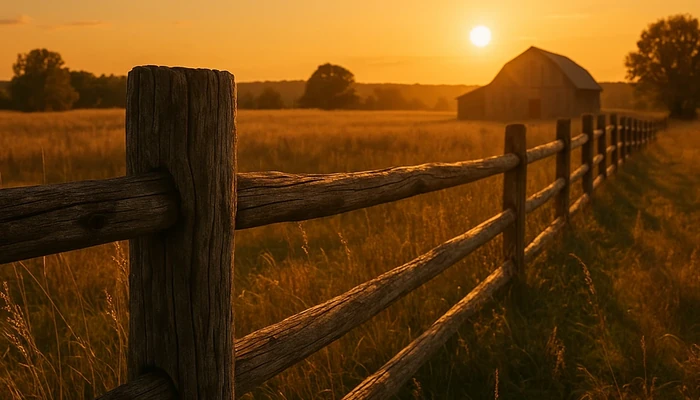
- Split-Rail Fences: Iconic, open-style fencing suited for marking boundaries or keeping livestock in wide spaces.
- Post-and-Board Fences: Flat wooden boards attached to posts; great for corrals, paddocks, and large yards.
- Picket Fences: Low-profile, charming additions often used near rural homes and gardens for visual separation and pet safety.
- Privacy Panel Fences: Solid panels offer complete privacy and wind protection for rural homes, patios, or pool areas.
Comparison Table: Common Rural Wood Fencing Styles
| Fence Type | Appearance | Best For | Typical Height |
|---|---|---|---|
| Split-Rail | Rustic, open | Large boundaries, livestock | 3–4 ft |
| Post-and-Board | Simple, linear | Paddocks, driveways | 3–5 ft |
| Picket | Neat, decorative | Front yards, gardens | 3–4 ft |
| Panel Privacy | Solid, secure | Yards, around pools | 6–8 ft |
Choosing the Right Wood: Materials and Durability
The Midwest’s changing seasons and weather patterns demand careful wood selection for longevity and lower maintenance costs. Popular choices include:
- Cedar: Naturally rot-resistant and attractive, but may require occasional staining.
- Pressure-Treated Pine: Treated for durability and insect-resistance, offering good value for budget-conscious projects.
- Redwood or Cypress: Premium woods with natural resistance to weather and pests, offering long-lasting performance with proper care.
Always check wood quality and ensure products are sourced from responsibly managed forests. APA – The Engineered Wood Association provides valuable insights on wood grading and environmental responsibility.
Balancing Security, Privacy, and Rural Aesthetics
One of the most important aspects of wooden fencing in rural settings is how it can achieve both security and style. Factors to consider include:
- Perimeter Security: Tall privacy panels and strong gates can deter unwanted entry, while open rail designs may be better suited for livestock control than for privacy.
- Privacy Needs: Solid wood fencing creates private outdoor living spaces, ideal for homes close to neighbors or roads.
- Visual Harmony: Choose stains, paints, or natural finishes to blend your fence seamlessly with barns, homes, and the wider landscape. See Enhancing Wood Fences: Bringing Out Natural Beauty for inspiration.
The Role of Wooden Fences for Livestock and Pets
Rural properties often require fencing for more than just boundaries. Consider:
- Livestock Management: Split-rail or post-and-board designs help define pastures while allowing for safe animal movement.
- Pet Containment: Picket and some privacy panels keep dogs and other animals safe from roadways. Learn more about Are Wood Fences Good for Dogs?
Adapt design choices—such as adding mesh inserts to split-rail fencing—to meet specific containment or wildlife exclusion needs.
Practical Considerations: Costs, Installation & Maintenance
Costs for rural wooden fencing can vary widely depending on fence length, type, wood species, and terrain. A few practical tips:
- Get multiple estimates from experienced contractors familiar with rural installations. Transparency and clear quotes are key, something offered by Chicagoland Fence Pros.
- Factor in gate requirements, challenging terrain, and property line verification when planning your budget.
- Understand local building codes, especially if your property borders public land or if livestock fencing is regulated.
Maintenance Essentials
- Sealing & Staining: Regular maintenance—staining or sealing every 2–3 years—extends lifespan and preserves appearance.
- Repairs: Quickly address rot, warped boards, or broken posts to maintain security and prevent bigger repairs down the road.
- Inspect for Pests: Termites and carpenter ants can pose threats; periodic inspections help catch problems early.
Explore more about wood fence maintenance techniques for rural settings.
Local Codes, Regulations, and Safety for Rural Wood Fencing
Even in rural settings around Chicago, fence projects must respect municipal building codes, zoning laws, and in some cases, homeowners’ association (HOA) rules. Essential reminders:
- Confirm allowable heights, setbacks, and material types before installation.
- For fencing near public roads or where fire risk is a concern, consult guidance from the National Fire Protection Association (NFPA).
- Inspect boundaries to avoid disputes, and obtain permits where required.
For Chicago, Illinois area homeowners, check local ordinances or consult with an experienced contractor like Chicagoland Fence Pros to ensure compliance. For further reading on this topic, see Municipal Regulations on Wood Fences.
Design Trends & Creative Approaches in Rural Wood Fencing
Rustic doesn’t mean boring—today’s rural fences can feature creative flourishes that set your property apart while maintaining function. Ideas include:
- Alternating plank heights or adding latticework for visual interest
- Integrating gates with hand-forged hardware for authenticity
- Natural finishes that enhance wood grain or weathering for true countryside appeal (see design inspirations).
- Using eco-friendly accessories; find options at Useful Accessories for Wooden Fences.
Environmental Impact and Sustainability
Many homeowners prioritize sustainability in rural fencing projects. To reduce your fence’s environmental footprint:
- Choose wood certified by agencies promoting responsible forestry.
- Consider treatment options with lower environmental impact. Reference Alternative Treatment Options for Wood Fences for more details.
- Plan for end-of-life recycling or upcycling of old fence materials wherever possible.
Find expert advice in the APA resource library on eco-friendly wood selection and maintenance practices.
Common Mistakes to Avoid When Choosing a Rural Wooden Fence
- Underestimating Fence Length: Many rural sites require far more material than suburban lots—accurate measurement is crucial.
- Ignoring Drainage Issues: Poor placement can cause premature rot or shifting. Plan around water flow and grade.
- Poor Material Choices: Saving money upfront on low-grade wood invites expensive repairs later. Invest wisely in quality.
- Neglecting Maintenance: Even treated lumber requires routine care.
Download checklists and explore more tips at Maintaining and Preserving the Beauty of Your Wood Fence.
Frequently Asked Questions About Rural Wooden Fences
- What type of wooden fence lasts the longest in rural environments?
Cedar and pressure-treated pine are common choices for durability, but proper installation and regular maintenance play the biggest roles in longevity.
- How do I estimate the cost of a rural wooden fence?
Estimate based on length, style, wood type, and installation complexity. For properties in the Chicago area, costs may also be influenced by site access and terrain.
- Are wooden fences a good option for animal enclosures?
Yes. Split-rail or post-and-board fencing is common for livestock, but may need reinforcement for smaller animals or predator control.
- How do I handle repairs for wooden fences in remote/rural locations?
Keep a small stock of replacement boards and posts on hand. Many repairs are manageable with basic carpentry tools, but for structural issues, professional help is recommended.
- Can wooden fences be used on sloped land?
Absolutely—stepped or contoured installations are possible. Select an installer with rural terrain experience for best results.
- What should I do about rot and pest prevention?
Use quality, treated wood, maintain finishes, and inspect routinely. Acting quickly on early signs prevents major repairs.
- Do I need a permit for rural fencing near Chicago, Illinois?
It depends on the property’s location and use. Always check with local building departments and, if applicable, HOA regulations.
- Are there sustainable options for wooden fencing?
Yes. Look for wood from certified sources and use eco-friendly stains and preservatives. Recycled or reclaimed lumber can also be a sustainable choice.
- Can I upgrade an existing rural fence, or does it need full replacement?
Many fences can be partially upgraded—replacing damaged boards, updating gates, or altering layout—to maximize existing investment.
- Where can I get more design ideas or inspiration?
Check resources like Creative Wood Fence Design Ideas and Benefits of Wood Fences.
Next Steps: Planning and Installing a Wooden Fence for Your Rural Property
Wooden fences remain an enduring, practical, and beautiful option for rural property owners seeking a balance of tradition, privacy, security, and eco-friendly solutions. By understanding the unique needs of countryside installations—and learning from experienced professionals—you can set expectations and achieve a fence that enhances your land for years to come.
If you’re ready to explore a custom wooden fence or want honest advice about options for your rural property, you can request a fence estimate or explore more wood fencing solutions from Chicagoland Fence Pros. Our team is always here to help you balance budget, aesthetics, and local code requirements with solutions that make sense for the Chicago, Illinois area.
For more in-depth educational resources on fence types, care tips, and rural property security, visit our informational hubs or talk to our fence specialists today.
Chicagoland Fence Pros is a professional fence company with over 15 years of experience helping homeowners and businesses in Chicago, Illinois and nearby communities improve security, privacy and curb appeal. The team specializes in wood, vinyl, aluminum, and steel fencing for both residential and commercial projects. Chicagoland Fence Pros is fully insured, code-compliant, and committed to clear education, realistic expectations and transparent installations tailored to Midwest needs.
fence companies chicago, Chicago Commercial Wood Fence, Industrial Wood Fence Chicago, cedar wood fence Kenilworth, cedar wood fence Elmhurst, wood fence St Charles, wood fence replacement Joliet, wood fence Carol Stream, wood fence Rogers Park, wood fence styles Andersonville