 Skip to content
Expert Fence Company: Transforming Landscapes with Installation
Installing a new fence is more than marking property lines—it’s a powerful way to transform your landscape, boost security, and improve curb appeal. But with so many materials, styles, and installation considerations, starting your fence journey can feel overwhelming. Homeowners and property managers alike often ask: which fence is best for privacy, how do Chicago-area codes affect choices, and what maintenance is realistic for our climate? In this comprehensive guide, we’ll demystify the process, from fence types and expert installation steps through local code tips and long-term upkeep. Whether you’re dreaming of a classic wood fence or considering modern aluminum, you’ll leave with a clear picture of what to expect. As a professional in the Chicago, Illinois area, Chicagoland Fence Pros brings insight from years of hands-on installation, compliance, and customer education. Let’s explore how the right fence company can truly transform your property and peace of mind.
Understanding Fence Purpose and Landscape Transformation
Every property has unique needs. The right fence can provide:
- Security – Protects people, pets, and assets, and can deter intruders.
- Privacy – Prevents passersby or neighbors from seeing into yards and windows.
- Aesthetic enhancement – Frames gardens, complements architectural style, and increases curb appeal.
- Noise reduction – Certain materials help decrease street or neighbor noise.
- Boundary clarity – Clearly marks property lines.
- Safety – Blocks hazardous areas, pools, or driveways.
The most impactful fence projects weave all of these goals into an attractive solution tailored to the property, using professional advice to avoid costly mistakes.
Common Types of Fences and Their Uses
There is no universal fence—different materials, heights, and styles serve different functional and aesthetic roles. Here’s a look at some of the most popular fence options:
| Fence Type | Main Benefits | Best For | Maintenance Needs |
|---|---|---|---|
| Wood | Natural look, customizable, privacy | Yards, gardens, family homes | Moderate (staining, repairs) |
| Vinyl | Low maintenance, modern styles | Residential, pools, busy owners | Low (clean occasionally) |
| Aluminum | Durable, rust-resistant, elegant | Front yards, gardens, commercial | Low |
| Chain Link | Affordable, secure, fast install | Parks, pets, commercial | Low |
| Wrought Iron | Strong, decorative, long-lasting | Historic, ornamental projects | Medium (paint/touch-up for rust) |
| Composite | Eco-friendly, looks like wood | Design-forward, sustainable fans | Low |
| Steel | Very strong, secure, industrial | Perimeter, commercial, security | Medium |
To dig deeper, review our guide on top fence materials and their ideal use cases.
Key Factors in Choosing Fence Materials and Designs
Choosing the right material is about more than just looks. Consider the following:
- Climate resistance: In Chicago, Illinois, temperature swings and harsh winters call for durable, well-anchored materials. APA’s technical research highlights performance data for various materials.
- Budget: Upfront and long-term costs can vary—compare initial install, repairs, and maintenance for each type.
- Homeowners association (HOA) rules: Some neighborhoods require specific fence heights, materials, or colors.
- City and building codes: Permits and inspections are often required. (We’ll cover this further below.)
- Security and privacy needs: What do you want to keep in—or out?
- Style preferences: From modern panels to classic pickets, your fence can reflect your taste and home architecture.
Chicagoland Fence Pros recommends always balancing form with function—sometimes, a slightly different material or layout can better fit your priorities and local climate.
Planning, Permitting, and Design for Fence Installation
Before a single post goes in the ground, careful site planning is key. Steps include:
- Property line verification: Ensure the fence is within your boundary. Professional surveys are sometimes necessary.
- Design and measurement: Measure the area, note grade changes, and select heights and style.
- Permit application: In the Chicago, Illinois area, most towns require a permit. The American Fence Association offers educational resources on code compliance and installation standards.
- HOA or neighbor notification: Some projects require approval or notice to adjoining neighbors.
Skilled fence companies can handle these steps, streamline permitting, and advise on design options. For custom ideas, see our ultimate guide to fence designs.
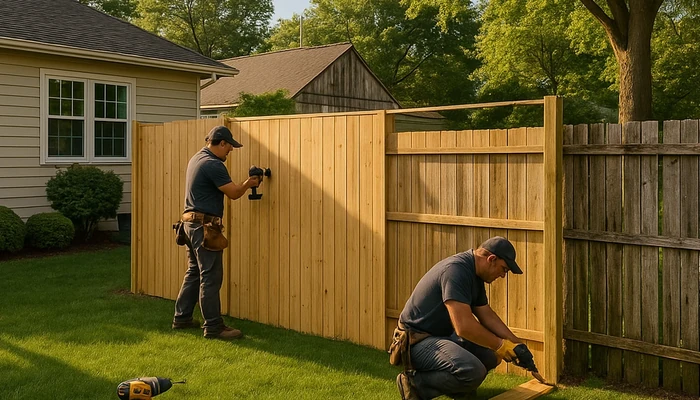
Fence Installation Process: What to Expect
Understanding the process helps set realistic expectations and avoid surprises. Here’s a typical workflow:
- Site preparation: Remove obstacles and mark lines. Utilities are flagged before digging.
- Post installation: Posts are sunk into concrete footings (depth varies by fence height and frost line).
- Panel or material installation: Pickets, panels, or mesh are attached to the posts in sections.
- Gate placement and hardware: Hinges and latches are carefully aligned.
- Finishing touches: Painting or staining (if applicable), inspection, and site cleanup.
Each material has its unique steps, so results can vary in timeline and complexity. For a more detailed step-by-step, check our installation tutorial.
Fence Costs: Upfront and Lifetime Considerations
Fence projects are a significant investment. While costs fluctuate with material, size, terrain, and custom details, here’s a general breakdown:
| Material | Typical Install Cost (per linear foot) | Estimated Lifespan | Long-term Maintenance |
|---|---|---|---|
| Wood | $18–$38 | 10–20 yrs | Medium |
| Vinyl | $24–$45 | 20–30 yrs | Low |
| Aluminum | $28–$45 | 20–40 yrs | Low |
| Chain Link | $12–$28 | 15–20 yrs | Low |
| Wrought Iron | $30–$55 | 30+ yrs | Medium-high |
| Composite | $30–$60 | 25–30 yrs | Low |
Remember: These are ballpark estimates for the Midwest and can vary with supply, labor rates, and property complexity. Maintenance costs add up over the years, so factor in not just what you spend today, but how much effort and repair you’re likely to need five, ten, or twenty years into the future. Learn more about evaluating fencing costs.
Local Codes, Safety, and Compliance Considerations
In Chicago, Illinois and nearby suburbs, fences are subject to a range of local codes and building requirements aimed at both safety and neighborhood standards. These can include:
- Maximum and minimum fence heights for front and backyard areas
- Permitted materials and styles (often restricted in historic districts or by HOA)
- Pool/risk-related fencing (pool codes are especially strict for child safety)
- Setback requirements from sidewalks, roads, utilities, and neighboring properties
- Permitting, inspection, and approval procedures
Failing to follow these rules can result in fines or forced removal, so always check with your local authority or work with a knowledgeable contractor. For more on regulatory and safety topics, visit this local code guide or see our pool safety compliance resource.
Maintenance: Keeping Your Fence in Top Shape
Different materials require different maintenance approaches. Below are some practical upkeep steps for the most common types:
- Wood: Inspect for rot, insects, or loose fasteners yearly; stain or seal every 2–4 years.
- Vinyl: Hose off dirt and algae as needed; check connections occasionally.
- Aluminum/Steel: Inspect annually for rust or damage to powder coating; touch up as required.
- Wrought Iron: Check for rust, especially at joints; repaint or treat exposed spots.
- Chain Link: Trim vegetation, check for bent wires or posts.
Preventive maintenance extends lifespan. If you’re unsure about a specific task, explore our maintenance guide for property managers and homeowners.
Security and Privacy Enhancements for Your Property
Advanced options give extra peace of mind. Consider:
- Automatic gates: Add convenience and extra perimeter control (see our gate solutions).
- Locking hardware: Upgrade latches and locks for safety and reliability.
- Security toppers: Spikes, finials, or cameras can be incorporated on many fence styles.
- Dense panels or vegetation: Use solid fencing or greenery for privacy without sacrificing aesthetics.
Modern security needs are constantly evolving. Read about innovation in security fencing here.
Common Mistakes and How to Avoid Them
Even well-intentioned DIYers (and some inexperienced installers) can encounter costly errors. Watch out for:
- Improper post depth or anchoring (especially in freeze/thaw climates)
- Skimping on materials or fasteners
- Ignoring local codes or skipping permits
- Neglecting to check property lines/subsurface utilities
- Poor drainage planning (leading to rot or frost heave)
- Lack of attention to gates and access points
If you’re tackling a project for the first time, consider the pros and cons of DIY vs hiring out. For fence buyers in Chicago, Illinois, it often pays to consult with or hire a reputable, locally experienced fence company such as Chicagoland Fence Pros, especially for major or code-sensitive projects.
Frequently Asked Questions (FAQ)
1. How do I know which fence material is best for my property?
It depends on your goals (privacy, security, aesthetics), maintenance willingness, and local climate. Wood offers warmth but needs upkeep, while vinyl and aluminum are lower-maintenance options. Consider also any HOA or city restrictions.
2. Is a permit needed for new fences in Chicago?
Yes, most Chicago-area towns require permits for new fences or major repairs. Requirements vary, so check with your local building department or hire a company that manages permitting for you.
3. Can fences be built in winter?
Yes, but Chicago, Illinois winters can make digging and concrete setting more difficult. Experienced installers can work around weather, but some delays may be unavoidable.
4. How long does professional fence installation take?
Most standard yard fences are installed in 2–4 days, depending on length, material, and weather. Custom features or large properties can take longer.
5. How do I keep my fence looking good over time?
Follow maintenance guidelines for your material—clean vinyl/aluminum annually, stain or seal wood, and inspect all types for damage or shifting posts each year.
6. What is the most secure fence type?
Steel, wrought iron, and security-rated chain link provide the highest perimeter security, especially when paired with anti-climb features or integrated gates.
7. What should I look for in a fence contractor?
Look for a licensed, insured company familiar with Chicago-area codes and weather. Experience with your chosen material, clear contracts, and references are musts. See our checklist for hiring a fence company.
8. Can a new fence increase home value?
Yes—privacy, security, and curb appeal are attractive to buyers (and renters), though the exact value depends on fence quality and integration with landscaping. Read about the property value impact here.
9. How do I ensure my fence will last in Chicago’s climate?
Choose durable, code-compliant materials and corrosion-resistant fasteners. Deep footings, proper drainage, and regular upkeep are essential.
10. What should I do before installing a fence near a pool?
Research local pool fencing codes for height and self-closing/latching gates. For details, check our pool safety page.
Conclusion: Bringing It All Together for Lasting Impact
Choosing and installing the right fence is an investment in safety, beauty, and peace of mind. By balancing your needs for privacy, security, and aesthetics with smart material selection and planning, you can enjoy a fence that stands strong through Chicago’s seasons. Remember, local guidelines are there to help ensure your fence not only looks great, but stands the test of time. If you’re ready to take the next step or want expert advice, contact Chicagoland Fence Pros for honest answers and a transparent process.
Curious about specialty installations, electric gates, or compliance with tricky local regulations? Request a consultation or talk to our fence specialists today.
About Chicagoland Fence Pros
Chicagoland Fence Pros is a professional fence company with over 15 years of experience installing fences in the Chicago, Illinois area. We serve homeowners and businesses with residential and commercial projects—wood, vinyl, aluminum, steel, and more. Our licensed and insured team focuses on quality workmanship, local code compliance, and clear education every step of the way. Chicagoland Fence Pros is committed to providing transparent quotes, honest material guidance, and long-term customer satisfaction for every fence installation.
fence companies chicago, garden fence, residential fence repair chicago, residential fence replacement Lisle, residential fencing Barrington, residential fence repair Joliet, residential fence replacement Forest Glen, garden fence Lakeview, privacy residential fence Burbank, home fence Bartlett
