
Wood Fences vs Other Materials: An In-Depth Guide for Homeowners & Property Managers
Choosing the right fence for your property is a big decision, whether you’re a Chicago homeowner upgrading your yard or a property manager tasked with perimeter security for tenants. With so many materials and design options, questions around cost, maintenance, longevity and neighborhood compatibility can quickly become overwhelming. “Wood Fences vs Other Materials” is a topic that comes up daily in conversations with our clients at Chicagoland Fence Pros. This guide breaks down the facts – from the real trade-offs in durability to cost, aesthetics and environmental impact – so you can make an informed decision and set realistic expectations for your fence project. By the end, you’ll have a clear perspective on which fencing option best fits your needs and budget, along with tips on what to expect living with (and maintaining) each type in the Chicago, Illinois area.
Understanding the Most Popular Fencing Materials
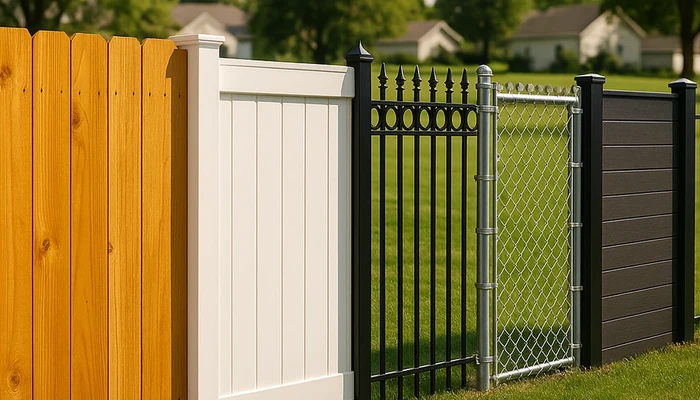
Before diving into the pros and cons, it helps to understand the major choices on the market today. Here’s a high-level overview:
- Wood Fences – Traditional pickets, privacy panels or post & rail. Often made from cedar, pine or redwood.
- Chain Link Fences – Galvanized steel mesh, protected with zinc or vinyl coating for weather resistance.
- Wrought Iron/Steel Fences – Decorative, heavy-duty barriers, typically powder-coated for rust protection.
- Vinyl Fences – PVC or similar composite polymers, engineered for low maintenance and colorfastness.
- Aluminum Fences – Lightweight, rustproof, and often used for ornamental or pool fencing.
- Composite Fences – Blend of recycled wood fibers and plastics, designed for extra longevity and durability.
Each material brings its own set of strengths—and potential limitations—depending on your privacy needs, local weather, and aesthetic preferences.
Wood Fences: The Classic Choice
Wood fencing has defined the American landscape for generations, prized for its natural beauty and versatility. Popular choices around Chicago include cedar (naturally rot-resistant), pine (pressure-treated for longevity), and even specialty hardwoods. Let’s look at what sets modern wood fences apart:
- Aesthetic Flexibility: Adaptable to any style—from classic picket to modern horizontal slats.
- Eco-Friendly Potential: A renewable resource, especially when responsibly harvested.
- Affordability: Typically lower initial cost than metal or vinyl (with variations by style and lumber market).
- Customizability: Easily painted, stained or shaped to fit unique property lines.
However, wood also comes with ongoing upkeep needs and is more vulnerable to moisture, insects, and Chicago’s freeze–thaw cycles than most alternatives.
Chain Link, Iron, Vinyl, Aluminum & Composite: Comparing Key Alternatives
Let’s compare wood to other major fencing materials, highlighting their unique roles.
Chain Link Fences
- Durability: Resistant to rot and pests; lasts 15-20+ years.
- Visibility: Does not offer privacy unless fitted with slats or screening.
- Maintenance: Minimal; occasional rust treatment may be needed.
- Cost: One of the most affordable options per linear foot.
Learn more about chain link fences in Chicago
Wrought Iron/Steel Fences
- Security: Strong deterrent for trespassers; popular for historic or upscale properties.
- Maintenance: Needs periodic inspections and repainting due to potential rust.
- Design: Highly decorative, with extensive customization options.
- Cost: Among the highest, but with exceptional longevity (decades, if maintained).
Discover wrought iron fence options
Vinyl Fences
- Maintenance: Virtually maintenance-free; occasional washing keeps it bright.
- Color Retention: Resist fading/cracking better than painted wood.
- Cost: Mid-to-high range, but predictable over the long term.
- Sustainability: Made from polymers; recyclable in some areas, but not biodegradable.
Explore vinyl fencing solutions
Aluminum Fences
- Weight: Lighter than iron but still robust; easier to install.
- Corrosion Resistance: Excellent performance in humid or rainy climates.
- Maintenance: Minimal; paint or powder coat resists chipping/rusting.
- Cost: Comparable to mid/high-level vinyl; less than custom steel or iron.
View aluminum fence options in Chicago
Composite Fences
- Longevity: Built for decades of service without warping or splintering.
- Aesthetic: Designed to mimic wood grain and color, but more uniform.
- Green Credentials: Uses recycled materials; very low maintenance.
- Cost: Higher upfront, but with major savings on repairs and refinishing over time.
Compare composite fence benefits
Comparison Table: Wood vs. Other Fence Materials
| Material | Typical Lifespan | Maintenance Level | Privacy | Initial Cost | Environmental Impact |
|---|---|---|---|---|---|
| Wood | 10–20 years | Moderate–High | High (with privacy panels) | Low–Moderate | Renewable, depends on sourcing |
| Chain Link | 15–25 years | Low | Low | Low | Steel recyclable |
| Wrought Iron/Steel | 20–50+ years | Moderate (rust control) | Medium | High | Recyclable metals |
| Vinyl | 20–30 years | Low | High | Moderate–High | Petrochemical base, recyclable |
| Aluminum | 25–50+ years | Low | Medium | Moderate–High | Highly recyclable |
| Composite | 25–40 years | Low | High | High | Recycled materials |
Data sourced from industry guidelines, for reference only. Always consult ASTM fencing standards or your local codes.
Key Factors to Consider When Choosing Your Fence
1. Durability & Chicago’s Climate
The Midwest’s weather—icy winters, heavy rains, high winds—takes a toll on every fencing material. Treated wood (like cedar or pressure-treated pine) can perform very well, but maintenance is required for long-term beauty and structure. Metal fences offer high wind resistance but may be prone to rust if protective coatings are compromised. Vinyl and composite hold up reliably without rot or insect issues.
For a deeper dive into durability, see our resources on the durability of treated wood fences.
2. Maintenance Requirements
- Wood: Needs periodic staining or painting, plus occasional repairs for warping, splitting or decay.
- Chain Link: Little more than basic cleaning and a watch for rust spots.
- Vinyl/Aluminum/Composite: Easy to clean with water; may need rare hardware checks.
- Iron/Steel: Regular inspections; touch up paint to control rust.
Read more maintenance tips for wooden fencing in our guide on wood fence maintenance.
3. Cost & Budget Expectations
- Wood: Lowest upfront, potentially higher long-term due to maintenance/replacement.
- Chain Link: Very economical.
- Vinyl: Medium to high initial investment, with minimal upkeep.
- Iron/Steel/Composite: Highest upfront but longest lifespan and strong value for security or curb appeal.
Always request a precise quote and installation plan before committing. For tailored estimates in Chicago, contact Chicagoland Fence Pros for advice.
4. Aesthetics & Home Value
- Wood: Offers unmatched natural beauty and versatility for both modern and classic homes.
- Metal (Iron/Aluminum): Great for formal, historic or high-security properties.
- Vinyl/Composite: Sleek, low maintenance, consistent look; less customizable than wood.
If visual appeal is a priority, explore our article on enhancing wood fences’ natural beauty.
5. Environmental Considerations
- Wood: Renewable, compostable if untreated, but longevity depends on treatments and local climate.
- Vinyl/Composite: Made with plastics; composite often uses recycled content, but ultimate biodegradability is low.
- Metal: Recyclable and durable.
For eco-friendly options, check responsible sourcing advice in revitalizing your garden with a wooden fence.
Permits, Codes, and Neighborhood Rules in Chicago
Many Chicago neighborhoods and suburbs have their own style guidelines, height limits and setback rules. Always:
- Consult the Chicago Department of Buildings for fence permits and codes.
- Ask about HOA or local neighborhood requirements.
- Consider adjacency rules (e.g., sightlines at corners, shared property lines).
For more, see our review of municipal regulations on wood fences.
Creative & Specialty Styles: Customizing Your Fence
Design shouldn’t be an afterthought. Whether it’s a classic Chicago bungalow or a modern apartment building, color, spacing, and decorative features all impact curb appeal:
- Wood permits classic picket, solid panel and contemporary horizontal designs.
- Metal and composite support ornate details, mixed materials or security toppers.
- Composite and vinyl panels come in multiple textures and colors.
Find inspiration for your property among our creative wood fence design ideas.
FAQs: Wood Fences vs Other Materials
What is the main advantage of wood fencing compared to other materials?
Wood offers maximum customization, natural beauty and privacy in a wide range of shapes and finishes. It is generally more affordable upfront than wrought iron or composite and can be more eco-friendly if sustainably sourced.
How long does a typical wood fence last in Chicago?
With regular maintenance (staining, repairs), most wood fences in the Chicago climate last 10 to 20 years. Pressure-treated or cedar fences at the high end, untreated pine at the low end.
What are the ongoing maintenance needs for a wood fence versus vinyl or metal?
Wood fences need periodic sealing and repairs. Vinyl, aluminum and composite require little more than cleaning, while iron fences require rust prevention.
Are composite fences environmentally friendly?
Composites often use recycled wood fibers and plastics, reducing landfill waste; however, they are not biodegradable. Wood, if untreated, is compostable and considered renewable.
Which fencing type is best for security?
Strong metal (iron or steel) fences and certain high-topped composites provide the best intrusion resistance. Wood can also serve as an effective privacy and deterrent barrier when built tall with secure gates and latches.
Can I install a fence myself?
DIY installation is possible, especially for wood and chain link, but local codes, permit rules and property lines must be carefully checked. For safety, durability, and compliance—especially in the Chicago, Illinois area—professional installation is recommended.
What should I budget for fence maintenance over time?
Expect to invest in periodic sealing or painting for wood, occasional cleaning of vinyl/composite, and occasional rust treatment for iron or chain link. Maintenance costs vary by fence length and climate.
Where can I learn about fence codes and industry standards?
Consult local building departments, HOA rules, and national standards like those published by ASTM International for up-to-date requirements.
Is wood the best choice for pet owners?
Wood is popular for pet containment due to customization, but alternatives like chain link and composite are also effective. Learn more in our post on wood fences for dog owners.
Which fence type matches historic Chicago properties?
Wrought iron and wood are commonly approved for historic areas. Check local historic district guidelines for preferred materials and designs.
Conclusion: Choosing the Right Fence for Your Needs
Your decision between wood fences and other materials should prioritize practicality as much as style. Wood fences offer unmatched natural appeal and flexibility, while modern alternatives provide lower maintenance and sometimes greater longevity. Consider your budget, desired maintenance, property regulations, and how much privacy or security you need.
For a detailed assessment tailored to your home or business in Chicago, Illinois, request a property-specific evaluation or contact Chicagoland Fence Pros to discuss your options with a local expert. Our team is ready to help you plan a fence that meets your goals—whether you’re looking for classic charm, robust security, or low-maintenance value.
About Chicagoland Fence Pros
Chicagoland Fence Pros is a trusted fencing company with over 15 years of experience helping homeowners and businesses in Chicago, Illinois and neighboring communities. Our team specializes in the installation and repair of wood, vinyl, aluminum, chain link, and steel fences for residential and commercial needs. We’re dedicated to code-compliant, honest service, offering clear guidance and realistic expectations for every project.
chicago fence contractors, wood fence styles chicago, custom wood fence, wood fence styles Villa Park, wood fence replacement Norridge, wood fence in the city of Huntley, wood fence in the city of Addison, wood privacy fence North Edgebrook, cedar wood fence Tinley Park, wood fencing Cicero