
Durability of Treated Wood Fences: Realistic Expectations & Essential Guidance
Choosing the right fencing for your property can be surprisingly complex—especially if you want something that balances beauty, privacy, security, and cost. For homeowners and property managers in Chicago, Illinois, one of the biggest considerations is how long a fence will last, especially given the harsh Midwest climate. The durability of treated wood fences is a frequent question as people weigh their options between natural charm and practical longevity. With many opinions and product claims out there, it’s important to understand what ‘treated wood’ really means, which treatments are most reliable, and how smart decisions at every stage—from material selection to maintenance—can extend your fence’s useful life. In this in-depth guide, Chicagoland Fence Pros shares straightforward advice, honest trade-offs, and real-life factors that affect performance. By the end, you’ll have a clear picture of how treated wood fences perform, what maintenance is needed, and what you can truly expect over the years.
Introduction to Treated Wood Fences
Wood fencing has been a classic choice for decades. The warmth and appeal of timber offer natural aesthetics many alternative materials find hard to match. Yet, untreated wood has vulnerabilities, especially in climates where moisture, temperature swings, and insects are present. Unlike untreated lumber, treated wood fences are designed to resist decay and insects, providing better longevity. However, ‘treatment’ can refer to a variety of processes and preservatives, each with pros and cons worth understanding.
What Does ‘Treated Wood’ Mean?
Treated wood is lumber that has been infused with chemicals to protect it against rot, fungi, and insect attack. While some treatments focus on improving surface water repellency, the most common—and effective—methods rely on pressure or chemical solutions to penetrate wood fibers. The aim is simple: increase the lifespan of your fence, especially under challenging environmental conditions like those in Chicago, Illinois.
- Pressure-treated wood: Wood is placed in a vacuum chamber, then pressure is used to force preservatives deep into the fibers.
- Oil-based treatments: Oils and sealants penetrate the surface, increasing moisture resistance.
- Water repellents/sealers: Often used as a topcoat, these reduce surface absorption and help prevent cracking.
For specifics about different treatments and alternative options, explore Alternative Treatment Options for Wood Fences.
Pressure-Treated Wood: The Industry Standard
Most treated wood fencing is made using the pressure-treatment method, which extends lifespan dramatically compared to untreated lumber. Common preservatives include alkaline copper quaternary (ACQ) and copper azole, both recognized by industry standards. If you’re interested in standards for wood treatment, consult ASTM International standards for up-to-date guidelines.
Pressure-treated wood fences can last 15-25 years or more with proper care, but performance depends on treatment depth, wood species, and environmental exposure.
Types of Wood and Their Impact on Fence Life
Not all wood species are equally suited for the Midwest climate or for fencing in general:
- Pine and fir: Readily available and takes treatment well, but softer and more susceptible to physical wear.
- Cedar: Naturally rot-resistant and popular for its attractive grain. Often used with or without additional treatment.
- Redwood: Highly durable and beautiful, but comes at a premium price.
Explore Ideal Types of Wood for Fencing for a detailed comparison of popular woods, their lifespan, and maintenance needs.
Understanding Wood Treatments: Types and Applications
Let’s break down common fence wood treatments:
- ACQ and CA (Copper Azole): Widely used, these offer long-term resistance to decay and insects.
- Oil-Based Stains: Penetrate deep into fibers, enhancing color and adding a water-repellent layer.
- Clear Sealers: Provide a sacrificial layer that can be reapplied to maintain weather resistance.
Helpful tip: Always check that the wood you choose is rated for ground contact if any portion of the fence will be touching soil, as this area is the most vulnerable to moisture and rot.
How Does Zinc Relate to Fence Durability?
Hardware such as nails, screws, and brackets should be corrosion-resistant. Hot-dip galvanized hardware, coated with zinc, resists rust and extends the lifespan of the whole fence assembly. Learn more about this process at galvanizeit.org.
Factors That Affect the Durability of Treated Wood Fences
Fence durability is never just about the wood—it’s a system. Consider the following:
- Climate: Chicago, Illinois faces freeze-thaw cycles, heavy rains, and humidity swings—posing serious challenges.
- Ground Contact: Posts in soil—even treated ones—are at greatest risk of rot unless rated specifically for this use.
- Installation Quality: Proper post hole depth, drainage, and evenness ensure structural longevity.
- Maintenance: Timely cleaning, sealing, and repairs keep treated wood resilient for years.
- Local Regulations: Building codes or HOA rules in Chicago may affect fence heights, placement, and materials.
Explore our Practical Guide to Key Aspects of Wood Fencing for further planning tips.
Typical Lifespan of Treated Wood Fences: What to Expect
| Wood Type | Pressure-Treated? | Estimated Lifespan* (Years) | Maintenance Level |
|---|---|---|---|
| Pine | Yes | 15–20 | Moderate |
| Cedar | Optional | 20–25 | Lower |
| Redwood | Optional | 20–30 | Low |
| Pine (untreated) | No | 5–8 | High |
*Estimates depend on installation, exposure, and maintenance. For an in-depth exploration, check Benefits of Wood Fences and Maintaining and Preserving the Beauty of Your Wood Fence.
Expected Maintenance for Treated Wood Fences
Even treated wood fences need routine care. Staying on top of these simple tasks significantly improves durability:
- Inspect for loose boards, nails, or screws at least twice a year.
- Clean the fence surface with gentle pressure washing every spring.
- Reapply sealant or stain every 2–4 years (frequency depends on sun exposure).
- Trim vegetation away to promote airflow and prevent trapped moisture.
- Address any insect or fungal issues promptly.
Want detailed seasonal checklists? Visit How to Care for Your Wooden Fence in Autumn and Learn About Wood Fence Maintenance.
Installation Best Practices: Tips from the Pros
Good installation is the foundation of fence durability. Here are a few pointers:
- Use posts and boards marked as suitable for ground or above-ground contact as needed.
- Set posts 2–3 feet deep, below frost line in Chicago for stability.
- Add gravel for drainage to minimize post rot at base.
- Space pickets to allow air circulation, reducing moisture trapping.
If you’re unsure about DIY, consider contacting professionals who have experience with Chicago’s unique soil and climate conditions. For custom consultations or to request a wood fence estimate from our specialist team, see our dedicated service page.
Common Problems & How to Troubleshoot Them
- Warping and cracking: Caused by sunlight, moisture shifts, or insufficient sealing. Address by sanding rough spots and reapplying weatherproofing.
- Rot at posts: The most common failure point. Use rot-resistant woods or special post anchors. Replace affected sections early.
- Insect damage: Treated wood is resistant, but not immune. Promptly treat infestations to prevent spread.
- Discoloration: Due to weather and UV rays. Regular staining keeps appearance consistent.
For creative repair and enhancement ideas, read Creating Beautiful Boundaries with Timber Fences.
Comparing Treated Wood Fences to Other Materials
| Fence Material | Durability | Maintenance | Cost (Estimate) | Aesthetic |
|---|---|---|---|---|
| Pressure-Treated Wood | 15–25 yrs | Moderate | $$ | Natural, warm |
| Cedar | 20–25 yrs | Low–Moderate | $$$ | Classic, premium |
| Vinyl | 25–40 yrs | Low | $$$ | Uniform, varied colors |
| Aluminum | 30+ yrs | Low | $$$ | Modern, sleek |
| Composite | 25–30 yrs | Low | $$$$ | Hybrid look |
Curious about alternatives? Compare wood fences to other materials before you decide.
Special Considerations for Chicago, Illinois Residents
Fence projects in Chicago, Illinois face added challenges from heavy winters, fluctuating humidity, and strict local codes. Here’s what to keep in mind:
- Always verify municipal codes or HOA requirements before installing or replacing a fence.
- Fence heights, permissible wood types, and lot line rules may vary between neighborhoods.
- Winter care is especially important—inspect after freeze-thaw cycles for movement or frost heaving.
For more on local requirements and climate tips, see Municipal Regulations on Wood Fences and Winter Care for Wood Fences in Chicago.
Frequently Asked Questions About Treated Wood Fence Durability
How long does a treated wood fence typically last?
With proper installation and maintenance, most treated wood fences in the Chicago, Illinois region last 15–25 years. Fence life will depend on wood species, treatment type, exposure, and ongoing care.
Is pressure-treated wood safe for family and pets?
Modern pressure-treated lumber uses EPA-approved chemicals that are considered safe for exterior use in residential settings. Always buy from reputable suppliers and ask for information on the preservatives used. For pet safety details, read Are Wood Fences Good for Dogs?.
What maintenance does a treated wood fence require?
Regular cleaning, yearly inspections, trimming vegetation, and reapplying sealant every 2–4 years are key. Prompt repairs of damaged boards or posts help maximize lifespan.
Can treated wood be painted or stained?
Yes! After sufficient drying time from installation, you can paint or stain treated wood to match your landscaping. Follow product guidelines for best adhesion and longevity.
Are all treated woods equally durable?
No. Durability depends on species, treatment depth, and whether wood is rated for ground contact. Always select fencing marked for outdoor or ground use for posts and support members.
Do treated wood fences require professional installation?
While many handy homeowners can install fences themselves, professional installers have the experience, tools, and local code knowledge to ensure long-term structural stability.
What signs indicate it’s time to replace a treated wood fence?
Excessive leaning, extensive rot at posts, widespread insect damage, or large numbers of cracked and warped boards signal your fence may need to be replaced rather than repaired.
How do treated wood and alternative fences compare in cost?
Treated wood is generally less expensive than composites or metals, but more than untreated pine. Keep in mind future maintenance requirements and replacement intervals when budgeting.
Where can I find more guidance on fence care?
Our wood fence maintenance guide and seasonal maintenance tips offer step-by-step support through the year.
Conclusion: Setting Realistic Expectations for Treated Wood Fence Durability
Treated wood fences can deliver a harmonious blend of natural style, privacy, and value—especially when installed and maintained with Chicago’s climate in mind. Understanding treatment types, proper installation, and realistic upkeep ensures you’ll enjoy years of reliable beauty and security. For personalized recommendations or to talk to a wood fencing specialist in your area, the team at Chicagoland Fence Pros is always available to help you navigate your choices responsibly and confidently.
About Chicagoland Fence Pros
Chicagoland Fence Pros brings over 15 years of experience installing, maintaining, and repairing fences in Chicago, Illinois and neighboring areas. From wood and vinyl to aluminum and steel, we help homeowners, businesses, and property managers find the right balance of security, beauty, and compliance with local codes. We deliver clear guidance, code-compliant installations, and honest assessments for every project, large or small.
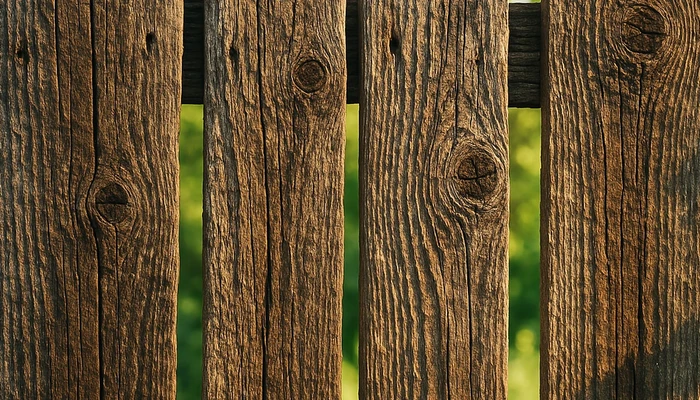
fence contractor in the city of chicago, wood privacy fence, wood fence chicago, wood fence in the city of Libertyville, wood fence Plainfield, custom wood fence Bolingbrook, wood fence repair Vernon Hills, wood privacy fence Lincolnshire, wood fence Glendale Heights, wood fence replacement Mount Prospect