 Skip to content
How To Ensure The Safety Of Spectators With Vinyl Fences
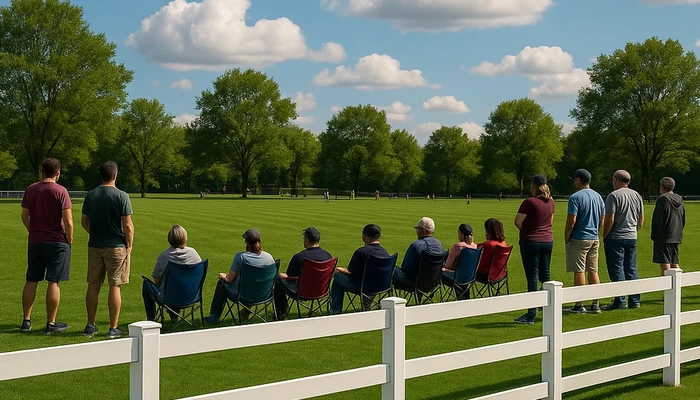
Ensuring the safety of spectators—whether at a backyard event, playground, sports field, or public gathering—is a vital responsibility for any property owner or manager. The right fence can protect crowds from hazards, guide foot traffic, and provide peace of mind. But with so many fencing materials and installation options available, how do you know which solution is both secure and practical? Vinyl fencing stands out for its combination of durability, low maintenance, and visual appeal, but ensuring it delivers on safety is about much more than simply installing panels. In this comprehensive guide, you’ll discover how to ensure the safety of spectators with vinyl fences by understanding standards, smart design, proper installation, and long-term upkeep. By the end, you’ll be ready to make confident, informed decisions that keep everyone on your property protected. If you have deeper questions, the team at Chicagoland Fence Pros brings years of hands-on experience and is always ready to advise.
Why Spectator Safety Matters When Choosing a Fence
Safety should never be an afterthought when planning fences for areas where groups gather. Accidents, injuries, or property liability can result from inadequate barriers, improper heights, faulty gates, or the wrong material. In Chicago, Illinois and similar urban environments, public safety around events, schools, playgrounds, and backyards is governed by local building codes and standards, but property owners often have to go above and beyond these minimums to truly protect the people in their care. Fencing is about more than marking a boundary—it’s about managing risks and expectations.
- Prevent Unwanted Entry: Keeping non-authorized individuals out of sensitive or controlled spectator areas.
- Reduce Accident Risks: Deter climbing, running injuries, or contact with sharp or hazardous elements.
- Guide Movement: Direct spectator flow safely, preventing crowding or confusion at entry/exit points.
- Legal Compliance: Adhering to required codes protects against fines and legal action.
What Makes Vinyl Fences a Strong Choice for Spectator Areas?
Vinyl fencing is rapidly gaining popularity for homes, parks, venues, and commercial spaces due to its unique blend of advantages:
- Durability & Impact Resistance: Modern vinyl panels can withstand minor impacts without denting or splintering.
- Low Maintenance: No painting, rust removal, or rot repairs; simple cleaning keeps fences looking new.
- Consistent Appearance: No need to deal with peeling, warping, or fading common with wood or metal.
- Customizable Heights & Styles: Easily match local codes and achieve needed visibility without sacrificing design.
- Weather Resistance: Ideal for Chicago’s shifting seasons—won’t absorb moisture or crack in freezing conditions.
Read more about the benefits of vinyl fences for a deeper understanding of their versatility.
Understanding Code Compliance and Safety Standards
Ensuring spectator safety involves meeting (or exceeding) the standards set by local authorities and recognized organizations. In Chicago, Illinois, municipal codes and zoning rules often specify minimum fence heights, gate hardware requirements, clearance distances, and allowable materials for spaces where the public gathers. In addition, organizations such as UL Solutions provide resources on safety standards for building products—including fencing. Following such guidelines ensures your installation is recognized as safe, minimizes liability, and helps your property pass inspection.
- Height Requirements: Typical spectator fences range from 42–96 inches, depending on the venue and type of event.
- Gate Design: Gates must swing in the correct direction (often outward for emergency egress) and use latches out of reach of children.
- Spacing & Clearance: Gaps between pickets or panels should be narrow enough to prevent head or limb entrapment—especially around playgrounds or schools.
- Visibility: Fencing at sports venues should sometimes maintain sight lines, while privacy areas require full screening—review site needs carefully.
- Anchoring: Secure posts and hardware reduce risks of tipping in crowds or high winds.
Always review the latest municipal regulations and safety best practices—your installer should provide assistance, but owners are ultimately responsible for compliance.
Key Design Considerations for Safe Vinyl Fencing
Choosing the Right Height
The ideal vinyl fence height for spectator safety depends on your venue’s use. For playgrounds or pools, 48–60 inches is common. For sporting events or crowd control, higher fences may be needed—not just for containment, but to prevent climbing or accidental toppling. Sites with local code requirements or unique hazards (like drop-offs or water hazards) should opt for taller, reinforced styles.
Panel Style and Visibility
Vinyl fences come in solid, picket, and decorative designs. For spectator areas, consider:
- Solid Privacy Panels: Best for noise reduction and blocking distractions, but may affect visibility if supervision is needed.
- Picket/Decorative Styles: Allow some visual monitoring and airflow, but ensure spacing is safe for children.
Learn more about vinyl fence styles and their suitability for various uses.
Gates and Access Points
Gates are critical for both convenience and safety:
- Design for smooth, snag-free operation with strong latches.
- Consider self-closing, self-latching mechanisms for pool or playground areas.
- Install accessible emergency egress points per code, especially for large venues.
Post Strength & Anchoring
Properly anchored vinyl fence posts ensure structural integrity—even in high-traffic situations or severe Chicago winters. Posts should extend below frost line and be set in the code-compliant concrete mix. Use manufacturer-recommended brackets or hardware, and consult reputable construction resources when in doubt.
Comparing Vinyl Fences to Other Spectator Fencing Options
Consider the following table comparing key factors for common fence types in spectator settings:
| Fence Type | Maintenance | Safety | Longevity | Cost |
|---|---|---|---|---|
| Vinyl | Low | High (smooth, no splinters) | 20–30 yrs | $$ |
| Wood | High (rot, paint) | Varies (splinters possible) | 10–20 yrs | $$ |
| Chain Link | Medium (rust risk) | Medium (climbable, sharp edges) | 15–20 yrs | $ |
| Aluminum | Low | High (welded, won’t splinter) | 20–30 yrs | $$$ |
For more details, visit our comparison of vinyl fences vs wood fences.
Maintenance Best Practices for Spectator Safety
Maintaining your vinyl fence is essential to continued safety. Neglect can lead to loose panels, exposed hardware, or tripping hazards:
- Regular Inspection: At least twice per year, check for cracks, leaning posts, or loose hardware.
- Clean Surfaces: Remove mud, graffiti, or buildup using non-abrasive cleaners and a soft cloth or sponge.
- Monitor Gates: Ensure latches and hinges operate smoothly; promptly replace worn parts.
- Check for Obstructions: Trim back landscaping that could obscure fence lines or block emergency exits.
Explore our easy tips for cleaning and caring for vinyl fences for a longer lifespan and greater safety.
Realistic Expectations: Trade-offs and Long-Term Performance
Vinyl fencing offers a balance of safety, beauty, and reliability. However, no fence is completely maintenance-free or indestructible. Impacts—especially from vehicles or heavy sporting equipment—can crack or dent panels. UV exposure may lead to minor discoloration over decades. In high-use sporting venues or playgrounds, reinforce posts and consider double-sided designs to reduce damage from both sides.
In the Chicago, Illinois area, freeze-thaw cycles and shifting ground are a concern. Work with an installer who understands these challenges to prevent post heaving and structural issues. Read about durable vinyl fence panels for demanding environments.
Cost Considerations for Safety-Oriented Vinyl Fencing
The investment in a secure spectator fence pays dividends in peace of mind and reduced liability. Key cost factors include:
- Height and thickness of panels
- Number of gates and custom access points
- Reinforced posts for high-traffic areas
- Upgraded hardware and locks
- Preparation and installation complexity on sloped or uneven ground
For transparent budgeting, consult our affordable vinyl fence cost guide and request a personalized quote when planning a large event or venue.
Integrating Vinyl Fences with Other Safety Solutions
Sometimes, the best spectator safety is achieved by combining vinyl fencing with other materials, barriers, or technologies:
- Bollards: To block vehicle access near crowds (learn more about iron bollard installation).
- Security Cameras: For visual monitoring of vulnerable fence sections (see vinyl fence security technology).
- Sensor Gates: Smart entry systems to prevent unauthorized access, sometimes required for larger commercial sites.
Working with a Professional Installer: Why Experience Matters
Installation quality can make or break a spectator fence’s safety performance. Experienced contractors, like Chicagoland Fence Pros, ensure adherence to code, consider ground and climate factors, and customize solutions for your specific needs. DIY installation may seem cost-effective, but improper post depth, poor alignment, or overlooked code details can result in unsafe conditions down the line.
If you’re planning a structure for a festival, community event, or childcare environment, ask your installer for evidence of insurance and references from similar projects. A reputable company is also prepared to guide you through city permitting and inspection processes.
Interested in a secure, code-compliant vinyl fence? Request a fence estimate or talk to our fence specialists at Chicagoland Fence Pros for informed recommendations tailored to Chicago’s climate and regulations.
Frequently Asked Questions About Vinyl Fences and Spectator Safety
What height should a vinyl fence be for spectator areas?
Fence height depends on venue and purpose. Playgrounds or pools typically use 48–60 inch fences, while sports venues and public events may require 72–96 inches or more for crowd control. Check local codes before deciding.
Is vinyl fencing safe for children and pets?
Properly installed vinyl fences have smooth surfaces (no splinters or sharp edges), durable panels, and can include narrow picket spacing to prevent entrapment. Always select appropriate designs and hardware for family spaces.
How do vinyl fences perform in Chicago’s climate?
Vinyl fencing resists moisture, rot, and rust, and is designed for high/low temperature swings. Ensure posts are set below the frost line and panels are rated for UV exposure for best results in Chicago, Illinois weather.
Can vinyl fences be integrated with security technology?
Yes, many vinyl fences accommodate cameras, alarms, and electronic gates. For commercial venues or facilities requiring enhanced monitoring, ask your installer about available smart upgrades.
What kind of maintenance is needed to ensure ongoing safety?
Inspect fence lines and gates twice yearly for damage or wear, clean surfaces as needed, and tighten or replace hardware. Proactive care prevents small issues from becoming hazards.
Do vinyl fences meet official safety standards?
Quality vinyl fences from reputable brands can meet or exceed many building and crowd-safety requirements. Always review specific product certifications and consult resources like UL Solutions guidelines.
Are there any safety trade-offs compared to other materials?
Vinyl doesn’t splinter and rarely warps, but may be less resistant to heavy impacts than steel. Consider usage and expected crowd size when choosing, and reinforce as needed for your venue.
Are permits required for spectator fences in Chicago?
Yes, most permanent installations require city permits. Your installer should guide you through this process and ensure all specifications are code-compliant.
Can vinyl fences be repaired if damaged?
Cracked or damaged vinyl components can often be replaced individually. Prompt repairs are essential to maintain safety, especially in busy spectator areas.
What should I look for in a vinyl fence contractor?
Seek a licensed, insured contractor with local references, experience in crowd safety applications, and clear communication about codes and warranties—like Chicagoland Fence Pros.
Conclusion: Prioritizing Safety with Smart Vinyl Fence Choices
Providing a safe, welcoming environment for spectators is a core responsibility for any property manager, homeowner, or event organizer. Vinyl fences deliver a proven blend of safety, reliability, and aesthetic flexibility when installed and maintained with care. By understanding relevant codes, opting for thoughtful designs, committing to regular maintenance, and partnering with experienced professionals, you can confidently protect the people who matter most on your property.
If you want advice on a code-compliant vinyl fence or want to request a detailed estimate, reach out to Chicagoland Fence Pros—your locally experienced partner for secure fencing in Chicago and beyond.
Chicagoland Fence Pros is a professional fence company with over 15 years’ experience helping homeowners and businesses in Chicago, Illinois and nearby communities improve security, privacy, and curb appeal. We specialize in code-compliant installations of vinyl, wood, aluminum, and steel fencing for both residential and commercial properties. Our team is fully insured, knowledgeable about local building codes, and committed to honest advice from planning to final inspection.
fencing companies chicago, vinyl fence in the city of chicago, vinyl fence replacement, vinyl fence North Center, vinyl fence in the city of Lake Villa, vinyl fence replacement Lisle, vinyl perimeter fence Cicero, vinyl privacy fence Vernon Hills, vinyl fencing Bedford Park, vinyl fence Mount Prospect
