
The Essential Guide to Chain Link Parts
Choosing the right fence for your property can be confusing—especially with so many materials, installation methods and design options available. Whether you’re securing a residence, protecting a commercial site or simply improving your curb appeal, understanding the anatomy of a chain link fence is the first step toward a secure, long-lasting investment. In The Essential Guide to Chain Link Parts, we break down every key component, explain the role each piece plays in creating a solid barrier, and help you understand what matters most in the Chicago, Illinois climate. By the end of this post, you’ll know how to compare chain link fences, identify quality parts, and set clear expectations—whether you’re looking to DIY or work with trusted experts like Chicagoland Fence Pros.
Understanding Chain Link Fence Anatomy
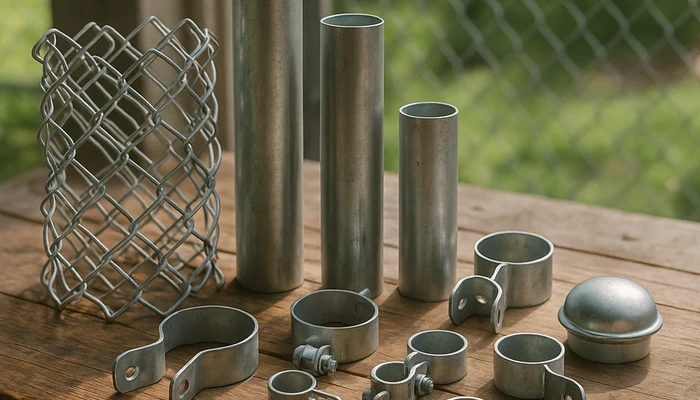
Chain link fencing is renowned for its blend of durability, affordability and low-maintenance design. However, the true advantages come from how each part works together. Let’s explore the core anatomy of a chain link fence:
- Fabric (Mesh): The iconic diamond-pattern wire netting that forms the visible barrier and provides flexibility and strength.
- Posts: Vertical structural supports that anchor the fence (including terminal, line and gate posts).
- Rails: Horizontal pipes running along the top and sometimes the bottom or middle, providing stability and supporting the mesh.
- Tension Bands & Bars: Used to fasten the mesh to the terminal posts, keeping everything tight and secure.
- Fittings/Hardware: Including caps, ties, and clamps to connect and secure components together.
- Gates: Entryways constructed of matching posts, mesh, and special hardware.
Every piece must be selected for strength, climate resistance and local code compliance—especially important in the Chicago area, where snow, ice and wind put fences to the test.
Chain Link Fabric (Mesh): Types and Materials
The mesh is the backbone of your fence’s security. There are several key variables:
- Gauge: Indicates wire thickness—lower numbers (like 9 gauge) mean thicker, stronger wire. For most Chicago homes, 11–9 gauge is standard; heavier gauges are used in commercial and security fencing. Learn more about gauge and mesh size.
- Coating: Zinc (galvanized) is most common; vinyl coating adds color and further protects against rust.
- Mesh Size: The opening size of the diamonds (typically 2” for residential, smaller for higher security).
- Height: Residential fences are often 4–6 ft; commercial, athletic and security fences range 6–12 ft or more.
Mesh selection defines how well the fence will resist impacts, curtail intruders and withstand Chicago’s seasons. Explore the advantages over other materials.
Structural Posts: Foundation of Strength
The posts support the entire system. Key types include:
- Terminal Posts: End, corner, and gate posts anchor the fence runs. They are thicker and set deeper.
- Line Posts: Placed evenly between terminals, typically 8–10’ apart. They carry the tension of the mesh.
- Gate Posts: Designed for extra load and movement with hinges and latches.
What to Look For
- Galvanized steel or powder-coated posts for weather resistance.
- Deep footing in concrete bases (below frost line for Chicago winters).
- Thicker-walled pipe at terminals; line posts may be lighter but must meet local code.
Installing structural posts properly is critical for long-term function. For safety and compliance, professional installation is highly recommended.
Top, Bottom and Tension Rails
These horizontal members keep the mesh taut and upright:
- Top Rail: Runs the fence’s length along the top. Required for most Chicago installations for stability and appearance.
- Bottom Rail (or Tension Wire): Reinforces the base, discourages animals from pushing under. Bottom tension wire is common on residential fences; full bottom rails may be specified for heavy-duty needs.
- Mid-Rail: Optional; used on tall or high-traffic fences for extra rigidity.
Together, rails and wires maintain the structure’s shape and resist sagging.
Tension Bands, Bars and Attachments
These often-overlooked hardware pieces are essential for connecting mesh to posts and providing a secure attachment:
- Tension Bars: Flat, sturdy bars woven through the mesh ends.
- Tension Bands: Wrap around terminal posts, holding tension bars in place with bolts.
- Fence Ties: Small wires or clips that fasten the mesh to line posts and rails every 12–24″.
High-quality hardware prevents sagging and makes the difference between a fence that lasts decades and one that fails early.
Post Caps and Decorative Finishes
Caps keep out rain and debris, preventing rust inside posts. Styles include basic dome, acorn, and ball finials. For aesthetics, color-matched and decorative options are on the market. Privacy slats and fence covers can enhance looks and function as well—see Personalizing Your Chain Link Fences for ideas.
Chain Link Gates: Entry and Security Options
Chain link gates use the same core parts but must be built for repeated movement and added loads. Gate types include:
- Walk gates (single pedestrian access)
- Double drive gates
- Rolling (cantilever) gates for vehicle access
Gate frames use specialized hinges, latches, and sometimes wheel assemblies. For a deep comparison of gate options and tips, read The Ultimate Guide to Chain Link Gates.
Comparing Chain Link Materials and Coatings
Not all chain link materials are created equal. Factors to consider:
| Material/Finish | Benefits | Drawbacks | Best Use Cases |
|---|---|---|---|
| Galvanized Steel | Affordable, resists corrosion, long life | Industrial look, plain silver color | Most residential/commercial |
| Vinyl-Coated | Lots of colors, extra protection, softer touch | Costs more, coating can chip if struck hard | Schools, private homes, higher curb appeal |
| Aluminum/Alloy | Lighter weight, very rust-resistant | Less rigid, premium price | Decorative, coastal or wet locations |
For a broader discussion of aesthetics, see Beyond Silver: Exploring Color Options.
Chain Link Fence Maintenance: Keeping Your Fence Strong
One of the main appeals of chain link fences is their easy upkeep. To maximize longevity:
- Check for rust, chipped coatings, or loose ties every spring and after winter.
- Keep grass, debris, and soil from building up at the base.
- Tighten or replace tension wire if sagging appears.
- Lubricate gate hinges annually.
- Reapply protective coatings on vinyl or painted surfaces if needed.
Routine checks and minor repairs will help your fence last 20+ years in the Chicago, Illinois climate.
Code Compliance and Safety: What Chicago Homeowners Need to Know
Before installing a chain link fence in Chicago, review relevant local regulations:
- Fence height limits usually differ between front and backyard (often 4 ft. front, 6 ft. backyard).
- Corner lot and pool enclosures have extra safety requirements.
- Permits may be required before work begins—always check with the city and HOA if applicable.
- Choose parts that meet both city code and standards such as those outlined by the ASTM organization.
If in doubt, working with experienced contractors like Chicagoland Fence Pros ensures your project passes inspection the first time.
Chain Link Fences and Modern Security
Modern chain link systems are about more than just marking property lines—they’re often paired with additional security features such as:
- Privacy slats for visual screening
- Barbed wire or razor coils for higher security needs
- Automated gate systems
Proper part selection and code-compliant installation remain crucial for these upgrades. For innovations and security insights, see Innovations in Chain Link Fencing and Tips for Improving Security.
A Closer Look: Chain Link Fence Parts in Action
Take the following scenario: A Chicago property owner wants to enclose a backyard for pets and privacy. Essential parts would include:
- 9- or 11-gauge mesh (galvanized or vinyl for color preference)
- 6-foot line and terminal posts, set in concrete
- Top rail with tension wire along the bottom
- Walk gate with matching mesh and a secure latch
- Optional privacy slats for screening
This setup balances cost, longevity and code compliance—and can be customized as needs change.
Frequently Asked Questions About Chain Link Fence Parts
What is the most important part of a chain link fence?
All parts matter, but the structural posts and mesh quality are most crucial for overall strength and longevity. Proper installation and materials are equally important.
Can I replace just the mesh, or do the posts need replacing too?
If posts are still solid and rust-free, you can replace the mesh. However, if posts wobble or show deep rust, replacement is recommended for safety.
How can I make my chain link fence more private?
Privacy slats, mesh covers, or planting shrubs along the fence line are popular choices. Read our guide on personalizing chain link fences for inspiration.
Is vinyl-coated chain link worth the extra cost?
Yes, especially in harsh climates. The added coating provides aesthetic options and further rust protection, extending your fence’s lifespan.
What gauges are best for residential vs. commercial fencing?
11–9 gauge is standard for homes. For commercial sites, 9 or even 6 gauge is preferred for added security and durability. See Unraveling the Chain Link Fence for more.
Do I need a permit for my fence in Chicago?
Often, yes—especially for new or replaced fences. Always check with the city before installation.
How do I choose quality components that comply with national standards?
Look for products that meet ASTM standards for fencing. Reputable suppliers and pros like Chicagoland Fence Pros only use compliant parts.
How much maintenance do chain link fences require annually?
Minimal. An annual inspection, dirt removal, and occasional hardware tightening go a long way.
How long will my chain link fence last?
With quality parts and professional installation, 20–30 years is typical, even with Chicago winters.
Comparison: Chain Link vs. Other Fence Types
| Feature | Chain Link | Wood | Vinyl | Aluminum |
|---|---|---|---|---|
| Cost | Low | Medium | Medium–High | High |
| Durability | High | Medium | High | High |
| Maintenance | Minimal | High | Low | Minimal |
| Aesthetic Options | Moderate | High | Many | Many |
| Security | High | Medium | Medium | High |
| Privacy | Low–Medium | High | High | Medium |
For more on alternatives, see Advantages Of Chain Link Fences Over Other Materials and Vinyl Fence Installation in Chicago.
Next Steps: Selecting and Installing Your Chain Link Fence
Now that you understand each part of a chain link fence—and the difference that materials, installation and compliance can make—you’re ready to make informed choices for your property. For many homeowners in Chicago, Illinois, working with an experienced, code-compliant installer is the best way to avoid pitfalls and ensure long-term value.
- Ready for advice or a custom quote? Learn more about trusted installation services or contact Chicagoland Fence Pros.
- For specific security needs, see Commercial Fence Installation in Chicago or Automatic Security Gates.
Want more inspiration or answers to custom fencing questions? Explore our Chain Link Fence Design Inspiration hub or get in touch today.
About Chicagoland Fence Pros
Chicagoland Fence Pros is a professional fence company with over 15 years installing fences in the Chicago, Illinois area. Serving both homeowners and businesses, the team specializes in residential and commercial chain link, wood, vinyl, aluminum, and steel fence solutions. Every installation meets strict code and safety requirements—giving you honest advice, detailed planning and durable results in every project.
fence builders chicago, vinyl coated chain link fence, galvanized chain link fence, chain link fence Round Lake Beach, chain link fence in Vernon Hills, Broadview chain link fence, chain link security fence North Edgebrook, galvanized chain link fence Maywood, chain link fence Schiller Park, chain link fences in Glencoe