
Aluminum Fence on Corner Lots in Chicago: Visibility Triangles, Height Limits, and Neighbor Sightlines
For Chicago homeowners and property managers, installing an aluminum fence on a corner lot is more complicated than securing the backyard. With visibility triangles, height limits, and neighbor sightlines to consider, getting it right demands careful research and responsible planning. The right fence can provide security, privacy, and curb appeal—but only if it meets local regulations and works harmoniously with your community.
In this guide, we’ll demystify how aluminum fences work on Chicago’s corner lots. You’ll learn what “visibility triangles” mean, where—and how high—you’re allowed to build, and how to keep neighbor relationships strong while maximizing safety. With first-time fence buyers in mind, we’ll walk you through the essential trade-offs, design choices, and code basics so you can approach your project with confidence. As a trusted source, Chicagoland Fence Pros is proud to help Chicago’s residents make informed, code-compliant fencing decisions.
Understanding Corner Lot Challenges
Corner lots offer more street frontage and unique design possibilities, but also present specific challenges for fencing—especially with aluminum materials that are both decorative and functional. Here’s why it matters:
- Visibility triangles: Zoning rules restrict fence height and placement near intersections to protect pedestrian and driver safety.
- Multiple front yards: Corner lots face two streets, often leading to stricter aesthetic and setback requirements.
- Neighbor sightlines: Fences must respect neighboring properties’ right to view and natural light.
- Differing requirements: Rules may vary between Chicago neighborhoods—and even between HOAs.
Let’s look more deeply at the most important considerations for aluminum fencing on a Chicago corner lot.
What Are Visibility Triangles, and Why Do They Matter?
The term visibility triangle (sometimes called a ‘sight triangle’ or ‘vision clearance area’) describes an imaginary zone at the intersection of two streets. Within this triangle, tall or opaque structures—including fences—are limited or prohibited. The goal is to preserve a clear line of sight so drivers, cyclists, and pedestrians can see each other, reducing accidents.
How It Works in Chicago:
- Typically, a visibility triangle extends 15 to 30 feet from the corner, measured along both property lines facing the streets.
- Within this zone, fence height is often limited to 3 feet (or required to be at least 75% open).
- Materials like aluminum are popular because ornamental styles meet “open” visibility rules while still marking property lines.
You must always check the specific visibility requirements with the Department of Buildings or city zoning office. Even fences only a foot or two above regulations can require costly modifications or removal. Some Chicago neighborhoods have even stricter requirements, so it’s crucial to confirm the rules before building.
Height Limits for Aluminum Fences on Corner Lots
Height is one of the most regulated aspects of fencing—especially for corner lots, where taller fences can block safety views. In Chicago, fence height often breaks down by location on your property:
- Front-yard fences: Usually restricted to 3–4 feet depending on style and visibility.
- Side/street side yards: Height may be increased further from intersections, but may still be limited to 4 feet for the first 10–30 feet.
- Rear-yard fences: May go up to 6 feet or more if away from intersections.
Aluminum fencing meets these needs with styles varying from open picket to semi-private panels. Open designs are not just code-friendly; they allow airflow and light, pleasing many HOAs and neighbors.
Key Tips for Chicago Residents:
- Start by contacting 311 or the Chicago Buildings Department to check local fence height ordinances.
- If your property is part of a homeowner association, ask for guidelines—they may override city rules with stricter standards.
- Be aware that modifying grade (adding soil for additional height) is generally not allowed to bypass height limits.
Neighbor Sightlines: Etiquette and Legal Considerations
On a corner lot, your fence not only impacts your property, but also influences neighbors and pedestrians. Sightline issues may arise if a tall or solid fence blocks another home’s windows, garden, or driveway exit. In Chicago, you have a legal right to privacy—but not to block a neighbor’s existing access to light or safety.
Best Practices:
- Have a friendly conversation with neighbors before you finalize your design or submit a permit.
- Consider stepping down fence height as you approach their frontage, or use a more open aluminum pattern.
- Chicago does not guarantee a “view,” but some neighborhoods have local ordinances or unwritten neighbor agreements protecting long-established sightlines.
Respecting neighbor sightlines helps prevent disputes and preserves your property value. Chicagoland Fence Pros recommends putting all agreements about shared fences or property boundaries in writing.
Aluminum Fence Design Options for Corner Lots
Aluminum fences are a top choice for Chicago’s corner lots because they combine strength, durability, code compliance, and design flexibility. Here’s how to think about style and layout:
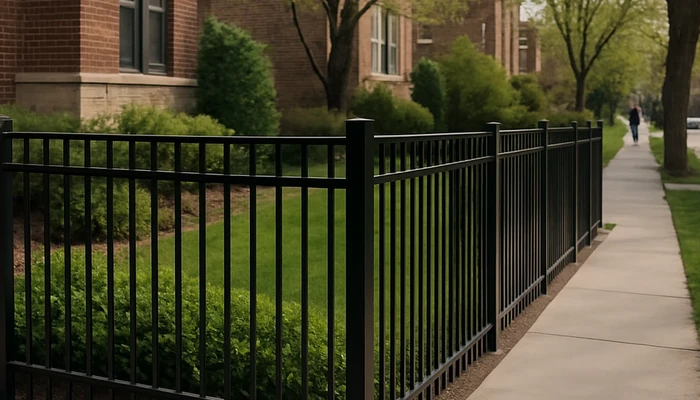
- Open ornamental (picket) designs: Stand up to Chicago weather and typically meet visibility requirements.
- Semi-private panels: Offer some seclusion but need careful placement to stay under height and openness limits.
- Decorative tops (arches/spears): Can add height visually while keeping the lower 3–4 feet open for compliance.
- Color and finish: Powder-coated aluminum resists corrosion and is available in several colors to match your property style.
Explore more design ideas in Aluminum Fence Design for Modern Spaces and Exclusive Designs in Aluminum Fences.
Chicago Building Codes, HOA Rules, and Permitting
Summary of the Process:
- Check city zoning and building codes: These determine maximum height, material, and visibility requirements. The Chicago zoning code is the ultimate reference.
- Contact your HOA (if applicable): Many neighborhood associations in Chicago have unique architectural or material mandates for corner lots.
- Obtain required permits: Fencing usually requires a building permit. Submitting your design, a site plan, and confirmation from any shared property-line neighbors speeds approval.
- Schedule inspections: City inspectors may visit to confirm correct positioning before, during, and after installation.
Skipping this process can lead to costly removals or fines—so always check with authorities or Chicagoland Fence Pros before you break ground.
Comparing Aluminum to Other Fence Materials for Corner Lots
| Material | Visibility Compliance | Durability (Chicago Climate) | Maintenance | Aesthetics |
|---|---|---|---|---|
| Aluminum | Excellent | High (powder-coated) | Low | Modern, versatile |
| Wood | Poor to moderate | Medium | High | Classic, natural |
| Vinyl | Moderate | High | Low | Clean, solid |
| Chain Link | Excellent | High | Low | Utility, less private |
| Wrought Iron | Excellent | High (with treatment) | Medium | Elegant, historic |
Aluminum strikes a balance of code compliance, cost, and style, especially on challenging corner sites. For a more detailed breakdown, explore Aluminum Essentials in Modern Households and Aluminum Fencing: Durable and Stylish.
Security and Perimeter Functionality for Corner Lots
While aesthetics and compliance matter, so does security. Corner lots are more visible and accessible, which can be a double-edged sword. Aluminum fences, particularly with spear-top or pressed-point pickets, make climbing difficult while maintaining line-of-sight for street surveillance. Consider:
- Height compliance: Balance between security and allowed fence height.
- Gate placement: Allow convenient, code-compliant entry that doesn’t compromise safety.
- Integration with perimeter landscaping: Shrubbery can supplement a lower, see-through aluminum fence for privacy away from the corner triangle.
Discover more about aluminum for security in Aluminum Fences and Security Technology.
Maintenance and Durability in the Chicago Climate
Chicago winters can freeze, thaw, and corrode—the right fence must be up to the job. Aluminum fences resist rust and only require minor annual cleaning. For the best results:
- Inspect after snow season for shifting or salt buildup.
- Rinse powder-coated surfaces with water and mild cleaner as needed.
- Lubricate hinges and locks seasonally, especially on gates facing the street.
See how aluminum compares to other materials under harsh Midwest seasons in Aluminum Fences in Extreme Climates.
Common Mistakes and How to Avoid Them
- Ignoring visibility triangles: Never assume your fence can follow your property line uninterrupted. Measure carefully, and confirm with city guidelines before you build.
- Overlooking HOA rules: City permits don’t override local or HOA rules. Get written approval from your association before work begins.
- Choosing the wrong height or style: On a corner lot, opt for compatible heights, open picket patterns, and tapered sections near intersections.
- Poor installation or materials: Frost heave, traffic splash, and city salt can damage inferior products. Always specify powder-coated, heavy-gauge aluminum rated for outdoor use.
- Not consulting your neighbor: Good communication avoids disputes. Always inform adjacent property owners of your plans.
Need professional guidance? Contact Chicagoland Fence Pros for honest advice and code-compliant solutions tailored to your lot.
FAQs on Aluminum Fences for Chicago Corner Lots
- Do I need a permit to install an aluminum fence on a corner lot in Chicago?
Yes, most Chicago properties—including corner lots—require a building permit before fence installation. Check with the Chicago Buildings Department for details specific to your block or subdivision.
- How far from the intersection must my aluminum fence be set back?
This varies, but most visibility triangles extend 15–30 feet from the corner. Within this triangle, fence height is often limited to 3 feet. Always confirm with your local code office.
- Can I have a privacy fence on a corner lot with aluminum?
Only outside of the visibility triangle. Open picket aluminum is best near intersections. Toward the rear of your lot, semi-private panels may be allowed as long as you meet all setback and height rules.
- What happens if I install a fence too tall or close to the street?
Non-compliant fences may be subject to city-ordered removal or retrofitting. Fines can apply, and neighbors unhappy with lost sightlines may also file complaints.
- Does my neighbor have to agree to my corner lot fence?
If building on the property line, Chicago law requires neighbor consent. For fences inside your property boundary, neighbor approval is not strictly needed but is good practice to avoid disputes.
- Is aluminum strong enough for security on a corner lot?
Yes, modern aluminum fences with reinforced rails and appropriate anchoring offer strong security, especially with pointed or ornamental tops that deter climbing.
- Can aluminum fences withstand Chicago winters and salt?
Yes. Powder-coated aluminum is highly resistant to rust and corrosion, making it an ideal choice for cold climates and areas near salted roadways. Regular cleaning helps maintain appearance.
- How can I personalize my aluminum fence for my corner lot?
With various picket styles, post caps, decorative rails, and color options, aluminum offers plenty of room for customization. Learn more at Premium Aluminum Fence Customization.
- Will my HOA allow an aluminum fence on my corner lot?
Many HOAs in Chicago do allow aluminum, but may require open styles, specific colors, or capped post types. Always get written approval before proceeding.
Conclusion: Planning Your Aluminum Corner Lot Fence
Choosing an aluminum fence for your Chicago corner lot means balancing safety, security, privacy, and community goodwill. By understanding visibility triangles, complying with height restrictions, honoring neighbor sightlines, and selecting proven materials, you protect both your investment and your neighborhood relationships. Don’t forget to check city codes, HOA rules, and always request clear written agreements when building near property boundaries.
Ready to transform your corner lot? Request an expert fence consultation from Chicagoland Fence Pros or explore residential fencing options to get started with code-compliant security and style.
About Chicagoland Fence Pros
Chicagoland Fence Pros is a trusted local expert with over 15 years installing fences in the Chicago, Illinois area. Our team specializes in residential and commercial fencing projects, including aluminum, wood, vinyl, and steel. We are fully insured and committed to code-compliant, transparent service. Chicagoland Fence Pros serves homeowners and businesses in Chicago, Illinois and nearby communities—always focusing on durable, code-friendly, and stylish perimeter solutions.
fence contractor chicago, aluminum fence in Fences Chicago, aluminum fence replacement, aluminum fence repair Evanston, aluminum fence in the city of Northlake, ornamental aluminum fence Round Lake Beach, aluminum fence Schiller Park, aluminum fences Edison Park, aluminum fence in Morton Grove, aluminum fencing Avondale