
Plat of Survey Demystified: How Property Lines Decide Your Fence Layout
When it comes to installing a new fence, homeowners and property managers often run into a common source of confusion: where exactly should the fence go? The answer often starts with a plat of survey—a document that maps out your property lines and can determine every aspect of your fence layout. Mistakes here can mean costly rework, failed inspections, or neighborhood disputes.
In the Chicago, Illinois area, the right fence can add privacy, boost security, and enhance curb appeal. But even the best materials and most skilled installers can’t overcome unclear boundaries. Understanding plat of survey basics, how boundary lines affect fence planning, and staying code-compliant is essential for a smooth, successful project—no matter if you’re tackling this for the first time or simply need a refresher. By the end of this guide, you’ll know how property lines shape your fence options, what to expect in the process, and when to contact experts like Chicagoland Fence Pros for help.
What Is a Plat of Survey?
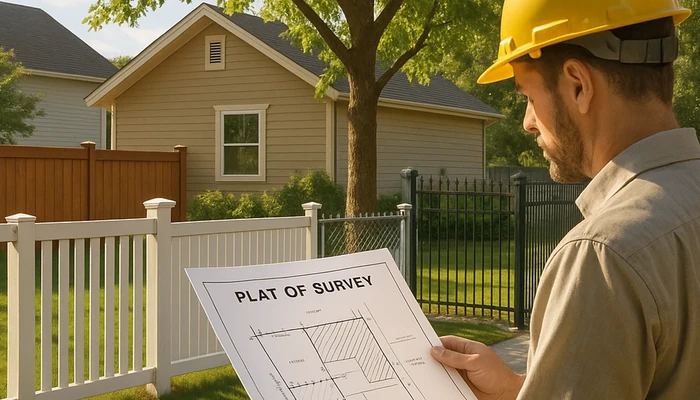
A plat of survey is a legal map, prepared by a licensed land surveyor, that shows the precise boundaries of your property. This document includes important features such as lot dimensions, the location of structures (like your house, garage, and shed), easements, setbacks, and the official edges of your land. Whenever a property changes hands in Chicago, a recent plat of survey is often required for closing—and it’s essential for planning fence projects.
- Clear boundaries: Defines exactly where your property begins and ends.
- Structures and setbacks: Shows where fences can (and cannot) be installed based on local zoning laws.
- Neighbor relations: Prevents disputes over shared lines and encroachments.
Why Property Lines Matter for Fence Projects
Setting a fence even an inch over (or inside) your property boundary can lead to legal challenges, removal orders, or strained neighbor relationships. Here’s why property lines—and the plat of survey itself—are crucial:
- Legal compliance: City inspectors will check your fence against your surveyed property lines.
- Avoiding encroachment: Placing a fence on someone else’s land can lead to lawsuits or forced relocation.
- Meeting City of Chicago codes: Local fence regulations often rely on exact lot dimensions and setbacks, visible only on your plat of survey.
- Real estate value: Properly-placed fences add rather than diminish property value, as explained by real estate and design leaders such as Project for Public Spaces.
How to Read a Plat of Survey for Fence Planning
Your plat may look complicated at first, but you can break it into manageable steps:
- Locate the property boundaries (usually marked by heavy lines).
- Identify easements—strips of land reserved for utilities or public access, which you often cannot build on.
- Find the setbacks—the minimum required distance between a structure and the property line, determined by local zoning rules.
- Use landmarks and dimensions to sketch where a new fence would sit, relative to the true edge of your lot.
Many homeowners in Chicago, Illinois prefer to overlay their plat onto aerial images or use measuring tape to mark out possible fence lines before calling for a quote.
Types of Property Boundaries and Their Impacts
Not all property lines are as straightforward as they seem. Issues that may affect your fence installation include:
- Shared boundaries: A fence on the line must often be agreed upon by both neighbors and may be jointly maintained.
- Irregular lots: Lots that curve or have non-standard angles require extra care in transferring survey data to physical marks.
- Corner lots: Special rules often apply, such as lower maximum fence heights for “visibility triangles” near intersections.
- Alleyways and public rights-of-way: Fencing cannot intrude on areas reserved for public use or city maintenance—even if they appear unused.
Chicago, Illinois Fence Codes and Common Survey Pitfalls
From our experience as a fence company in Chicago, Illinois, some of the most common mistakes include:
- Misreading the plat: Failing to account for easements or unclear boundaries.
- Ignoring code-required setbacks: Some fences must be placed several inches—or even feet—within your boundary.
- Forgetting building permits: Even simple residential fences typically require a city permit, which will be reviewed against your plat of survey.
Every community may have unique requirements. Review the Chicago Department of Buildings guidelines and always check for special zoning overlays or homeowners’ association (HOA) rules before finalizing your layout. See our guide on navigating local fence regulations for more details.
Step-by-Step: Laying Out a Fence Using Your Plat of Survey
- Get a current copy: Make sure you have an up-to-date plat (recent changes, such as additions or demolitions, may matter).
- Mark boundaries: Use string, stakes, and measuring tools to “walk” the property as indicated on your plat.
- Identify obstacles: Note driveways, trees, pools, utilities, and underground lines.
- Review setbacks and codes: Confirm allowable fence height, material, and placement according to the city or HOA rules.
- Discuss with neighbors: For shared lines, talk about plans and clarify cost sharing or maintenance agreements.
- Plan your gate placement: Mark any planned gates, access points, or changes in fence height for driveways or corners.
Case Examples: When Survey Clarity Matters Most
- Case 1: Hidden easement— One Chicago homeowner planned a privacy fence, only to discover an easement for utility access through the rear edge of their lot. They had to move the fence inward by 5 feet, reducing backyard space and changing their landscape plan.
- Case 2: Assumed boundaries— A property manager used old landscaping as a reference point. The actual lot line, once surveyed, was nearly two feet off—leading to costly fence relocation after a building inspection.
- Case 3: Neighbor disputes— In a classic dispute, two neighbors referenced separate, outdated surveys. When installing a new aluminum fence, the project had to pause until a professional land surveyor confirmed the true line.
Comparing Fence Options When Boundaries Are Tight
Some lots leave little room between required setbacks and physical features. Here’s how common fence types compare for “close fit” installations:
| Material | Minimum Offset (From Line) | Notes & Best Use |
|---|---|---|
| Wood | Usually 0–6″ | Compliant with most codes, but watch for rot near property edge |
| Vinyl | 0–6″ | Durable, clean edge, ideal for privacy |
| Aluminum | 0–4″ | Popular for ornamental use on precise lines |
| Chain Link | 0–12″ (varies) | Affordable; watch for code restrictions near sidewalks |
| Wrought Iron | 0–4″ | Elegant and long-lasting for boundary marking |
For tips on choosing materials based on climate and space, see our article on fence materials for Chicago weather.
Neighbor Rights, Shared Fences and Dispute Prevention
Boundary fences often cause tension if not handled transparently. Chicago-area homeowners should:
- Share plat information with neighbors for shared lines.
- Get any cost-sharing or maintenance agreements in writing.
- Give written notice before installing a fence on or near the shared line, as some municipalities require notification.
For more about dealing with neighboring properties, explore our guide on local fence regulations.
Permits, HOAs, and Zoning Considerations
The City of Chicago generally requires a permit for most new fences or substantial repairs. Prepare by having your plat of survey available for:
- City permit application
- Homeowners association submissions
- Communicating with surveyors and installers
Always retain a copy for your long-term records; it will be helpful in future projects and if you ever sell your property. For a comprehensive checklist, our team recommends reviewing external resources like design and building guides from ArchDaily.
Practical Fence Planning Tips for Chicago Properties
- Check for buried utilities before digging; call your local 811 center.
- Photograph property boundaries, plat, and key measurements for future reference.
- Allow room for landscaping, snow clearance, and property maintenance near the new fence; avoid “walling yourself in.”
- Understand neighborhood character; some HOAs or historic districts have strict material and design guidelines.
See tips on aesthetics with lumber fences or overall fence design for more inspiration.
When to Call a Professional—and What to Expect
If there’s anything unclear on your plat or you’re unsure about boundaries (especially with older properties or missing corner markers), hiring a licensed surveyor is wise. Professional fence companies like Chicagoland Fence Pros can interpret surveys, mark lines for construction, and handle complex code and zoning challenges.
For a smooth process:
- Gather all your documents (plat, deed, any HOA rules).
- Walk the property with a contractor to confirm the proposed fence line.
- Request a clear, written quote and installation timeline.
- Aim to be present during layout to discuss any questions or last-minute adjustments.
Frequently Asked Questions: Fence Planning and Survey Boundaries
Is a plat of survey the same as a site plan?
No. A plat of survey is a legal document certified by a licensed surveyor and is used to establish boundary lines for property ownership. Site plans are usually more detailed construction documents showing layout for specific projects, but may not reflect current, official property boundaries.
How do I get a copy of my plat of survey in Chicago?
The plat of survey may be found in your closing documents from when you bought your property, in city records, or at times through your lender or title insurer. If lost or outdated, you can commission a new survey from a licensed professional.
Can I put a fence directly on my property line?
In many cases, yes—but only if local codes and your survey allow it, and you have confirmed the exact line. Fences built on a line shared with a neighbor should be discussed in advance to avoid disputes.
What happens if a fence is accidentally placed on my neighbor’s property?
This is known as encroachment and can lead to legal action or forced removal. Always double-check survey stakes and bring in a professional if there is doubt about the true line.
Are permits required for all fences in Chicago?
Most residential and commercial fences in Chicago require a building permit. This is to ensure proper placement, safe construction, and code compliance. Always consult city guidelines before starting work.
What are setbacks and why do they matter?
Setbacks are required distances between your fence and property features (streets, alleys, sidewalks, etc.) mandated by zoning code. Your plat of survey is crucial for measuring these distances accurately.
How should I handle shared fences with neighbors?
Communicate clearly, share your survey, and get written agreements where possible. Chicago does not require sharing costs, but neighbors often split expenses for shared lines.
What if my lot has odd shapes or features?
Irregular lots may require additional surveying or creative fence design to optimize privacy and stay code-compliant. Professionals can help interpret complex plats in these cases.
Can fencing improve property security?
Yes, well-planned fencing improves perimeter security and privacy. Placement based on your plat ensures maximum effectiveness and value. Learn more in our guide to perimeter fencing.
Where can I learn about unique design options or neighborhood considerations?
Visit Project for Public Spaces for privacy trends, or explore our guides on fence design and lumber fence aesthetics.
Summary: Smart Fence Layout Starts With Your Survey
Understanding your plat of survey is the first—and most critical—step to a successful, stress-free fence project. Your property lines don’t just dictate where your fence can go; they shape every detail from approvals to aesthetics. With careful review, strong communication, and professional guidance when needed, you’ll avoid boundary headaches and enjoy security, privacy, and value that last.
Ready to move forward? Request a fence estimate or contact Chicagoland Fence Pros to discuss your project with our experts. There’s no substitute for informed planning—and the right team on your side.
About Chicagoland Fence Pros
Chicagoland Fence Pros is a professional fence company with over 15 years of experience serving homeowners and businesses in Chicago, Illinois and nearby communities. Specializing in wood, vinyl, aluminum, steel, and composite fencing, the team focuses on code-compliant installation, transparent advice, and honest education throughout every project. Fully licensed and insured, Chicagoland Fence Pros is dedicated to improving security, privacy and curb appeal—ensuring every Chicago-area property owner receives the right solution, every time.
fence builders chicago, residential fence repair chicago, residential fence repair, residential fences Berwyn, residential yard fence Glencoe, privacy residential fence Lockport, pool fence Streamwood, residential fence repair Wheeling, home fence Hampshire, residential fence replacement Hoffman Estates